What is invoice financing and how does it work
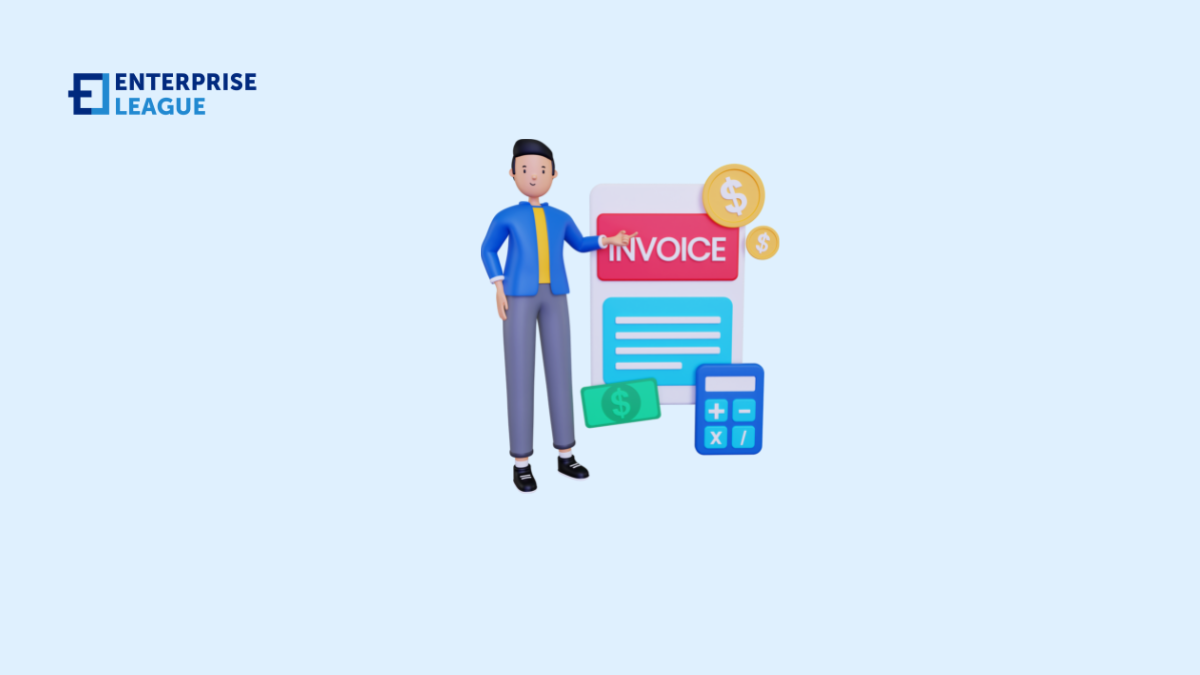
When a business sells products or services to another business on credit, the buyer will usually send an invoice for the purchase. Invoice financing allows businesses to borrow money against the value of these unpaid invoices. The lender will advance a percentage of the total invoice amount, and the business can then use this money to pay suppliers, employees, and other expenses.
The business repays the lender over time, plus interest, using a portion of the money received from customers who pay their invoices. This type of lending can be a helpful way for businesses to get cash flow when they’re waiting for invoices to be paid.
What are the different types of invoice financing available
There are a few different types of invoice financing available, but the most common are factoring and discounting.
Factoring is when a company sells its accounts receivable (invoices) to a third party for immediate payment. The third party is known as the factor. This type of financing is typically used by businesses that have low credit scores or that need quick cash to meet payroll or other expenses.
Discounting is when a company sells its invoices at a discount to receive immediate payment. The difference between the full amount of the invoice and the amount received from the buyer is called the discount fee. This type of financing is typically used by businesses that have high credit scores and can afford to wait for full payment.
The pros and cons of invoice financing for businesses
However, there are also some drawbacks to invoice financing. One of the biggest drawbacks is that it can be expensive. The interest rates on invoice finance loans tend to be quite high, so it can be difficult for businesses to repay them over time. Additionally, if your business does not have a lot of invoices outstanding, then you might not be able to get an invoice finance loan. Finally, if you have poor credit, then it is unlikely that a lender will approve your loan application.
How to qualify for invoice financing
There are a few things that invoice financing companies look for when considering whether or not to finance an invoice. Generally, the company will want to see that you have a good credit score, that you have a history of invoicing customers on time, and that you have a healthy business relationship with your customers.
In addition, the company will also look at the size and creditworthiness of your customer base. Generally, the company will only be interested in financing invoices from customers who are considered to be a high credit risk. This is because there is always some risk associated with lending money against unpaid invoices.
The process of applying for and receiving invoice financing
The process of applying for invoice financing typically involves submitting a loan application and providing copies of recent invoices from customers. Once the loan is secured and approved, the lender will advance a percentage of the invoice amount immediately, and the remaining balance will be paid once the customer pays the invoice.
Things to keep in mind when choosing an invoice financier
- The company’s financial stability – you’ll want to work with a company that is financially stable and has a strong credit rating. This will ensure that you’re protected if something goes wrong.
- The company’s experience in the invoice financing industry – the more experience a company has, the better it’ll be able to understand your needs and provide you with the best service possible.
- The fees charged by the financier – make sure you understand all of the fees charged by the financier up front, so there are no surprises later on.
- The repayment terms offered by the financier – making sure the repayment terms are reasonable and in line with what you can afford.
Conclusion
Invoice financing is the perfect option for service-based organizations to free up cash flow from unpaid invoices. With many alternative lenders offering online-based, streamlined application processes it’s typically simple to qualify for and get a fund compared to many other financing options.
However, it’s crucial to keep in mind that it can be expensive, particularly if your clients are late to pay. Thus, you should think about all of the possibilities before choosing this type of financing to make sure you get a great deal for your company.
More must-read stories from Enterprise League:
Related Articles

Build a Growth Plan That Your Cash Flow Can Support (SBA Financing to Support Long-Term Growth)
It is a scenario that plays out in businesses across the country every day. Sales are up. You are hiring new staff. The customer list is growing. By all standard metrics, the business is a success. Yet, when you look at the bank account, the balance is uncomfortably...

Pros and cons of freelancing: 10 things to consider
Have you ever thought about becoming a freelancer and being your own boss? Take a look at the pros and cons of freelancing before you make your decision.
How to choose the right business loan in 2026
Finding the right business loan can be tricky. Learn what factors matter most in 2025’s lending field and how to secure financing that works for your company.
Build a Growth Plan That Your Cash Flow Can Support (SBA Financing to Support Long-Term Growth)
It is a scenario that plays out in businesses across the country every day. Sales are up. You are hiring new staff. The customer list is growing. By all standard metrics, the business is a success. Yet, when you look at the bank account, the balance is uncomfortably...
Pros and cons of freelancing: 10 things to consider
Have you ever thought about becoming a freelancer and being your own boss? Take a look at the pros and cons of freelancing before you make your decision.