
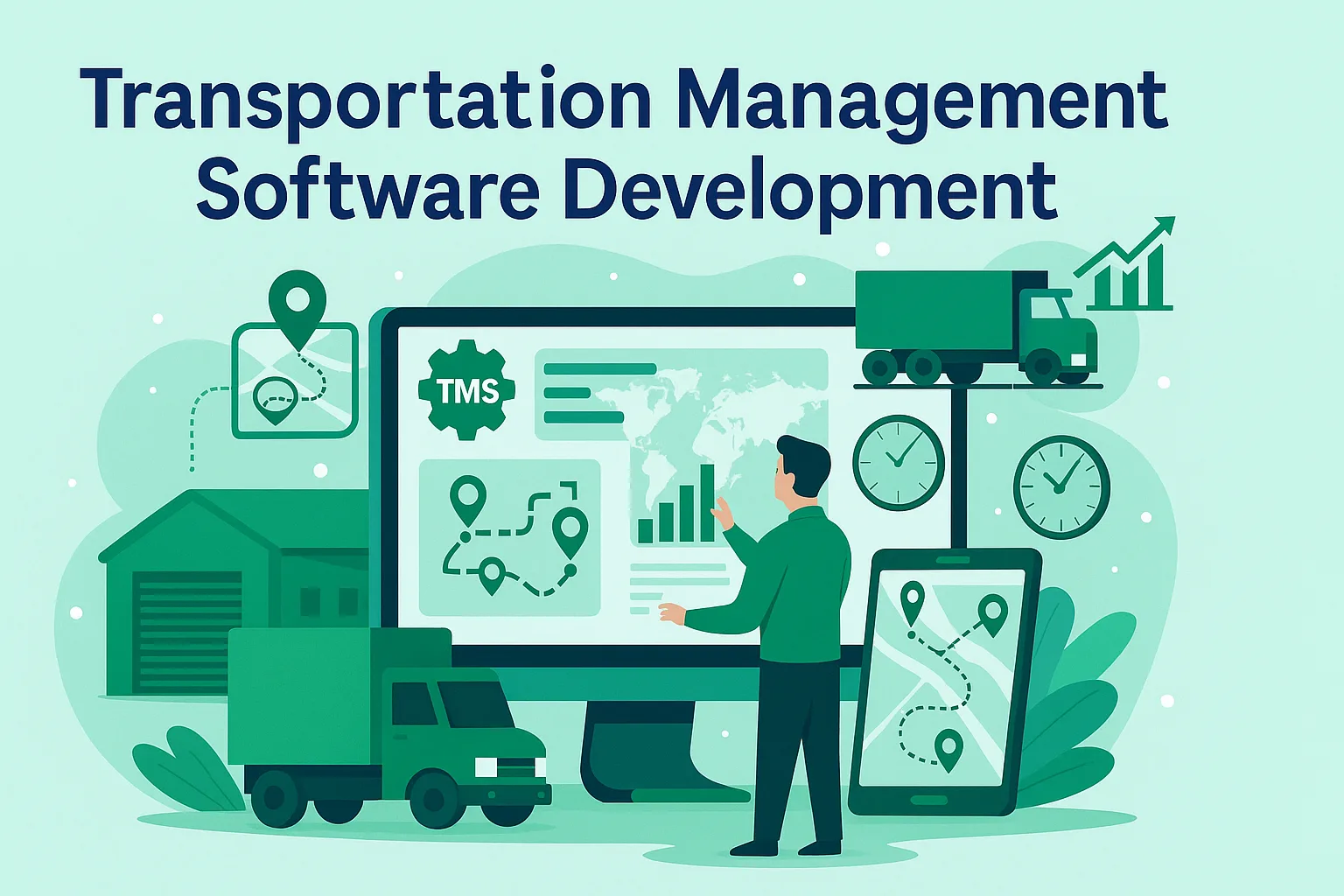
In the age of global logistics and digital transformation, traditional methods of managing transportation no longer suffice. Managing fleets, drivers, shipments, and delivery timelines manually leads to inefficiency and lost revenue. This is where Transportation Management Software Development becomes essential. A well-designed TMS solution doesn’t just help you ship faster; it helps you ship smarter, cheaper, and more transparently.
With customer expectations at an all-time high and delivery times shrinking by the day, businesses must adapt or risk falling behind. Whether you’re in e-commerce, manufacturing, or third-party logistics (3PL), a custom-built TMS can transform your operations. Let’s break down everything you need to know about building your own transportation management system.
What is transportation management software (TMS)?
Transportation Management Software (TMS) is a digital platform designed to plan, execute, and optimize the movement of goods. It allows logistics teams to manage shipping processes, track freight, optimize routes, and analyze transportation performance from one centralized dashboard.
Think of a TMS as the control tower for your entire logistics operation. It connects shippers, carriers, warehouses, and end customers, creating a transparent and efficient supply chain. Whether you’re dealing with freight forwarding, last-mile delivery, or international shipping, a TMS streamlines operations and provides data-driven insights for better decision-making.
Why businesses need a TMS solution
If you’re still relying on spreadsheets or outdated systems, you’re probably hemorrhaging time and money without realizing it. A TMS offers real-time control, predictive analytics, and process automation that manual systems simply can’t provide.
Here’s why businesses should consider investing in transportation management software development:
- Operational Efficiency: Automate tedious logistics tasks like scheduling, dispatching, and invoicing.
- Cost Savings: Reduce fuel costs, avoid route duplication, and cut down on unnecessary man-hours.
- Customer Satisfaction: Meet tight delivery deadlines with precision and consistency.
- Data-Driven Decisions: Make smarter moves with insights into delivery times, fleet performance, and cost breakdowns.
- Regulatory Compliance: Stay aligned with transportation regulations, especially when moving goods internationally.
Core features of effective transportation management software
A well-designed TMS should come packed with features that solve real-world logistics problems. Here are the most essential components:
Route optimization
Intelligent algorithms analyze traffic data, weather conditions, and delivery windows to create the most efficient routes possible. This leads to lower fuel consumption and faster delivery times.
Real-time tracking
GPS integration allows both businesses and customers to track shipments in real-time. This increases transparency and reduces “where is my order?” inquiries.
Automated scheduling
TMS software can automatically assign jobs to drivers based on availability, delivery deadlines, and vehicle capacity. This reduces human error and saves planning time.
Freight audit and payment
Automate the verification of freight bills, match them against contracts, and issue payments to carriers within the system.
Reporting and analytics
Get a bird’s eye view of your logistics operations. Analyze delivery timelines, costs, vehicle performance, and more to find areas of improvement.
Benefits of custom TMS development
Custom TMS development offers businesses unmatched flexibility, allowing them to design solutions tailored specifically to their operational workflows and logistics challenges. Unlike off-the-shelf software, a custom TMS can be adapted to unique business needs, whether it’s managing multi-modal transportation, handling complex tariffs, or syncing with legacy systems already in place. This level of customization increases efficiency by automating repetitive tasks, reducing manual errors, and streamlining dispatch, routing, and billing processes. It also improves decision-making, thanks to real-time analytics and detailed reporting that reflect the exact metrics important to your organization. Custom TMS solutions can scale alongside your business, meaning you can start with essential features and expand functionality as your needs grow without being forced into expensive upgrades or third-party modules. Another major benefit is seamless integration with existing enterprise systems such as ERP, CRM, and WMS, creating a unified logistics ecosystem with accurate, synchronized data. Enhanced user experience is also a key advantage, as interfaces can be designed for specific roles like drivers, managers, and warehouse staff, ensuring smoother adoption and productivity. From a competitive standpoint, owning proprietary software gives you an advantage in offering services competitors may not be able to match. Lastly, businesses retain full control over updates, data security, and compliance, making custom development not only a smart investment but a strategic asset in the fast-changing logistics industry.
Challenges in transportation without a TMS solution
Operating without a TMS means you’re managing logistics with limited visibility. Challenges include:
- Inefficient routes and high fuel costs
- Frequent delays and missed deadlines
- Inaccurate freight charges and billing errors
- Poor communication with drivers and carriers
- Lack of visibility into the supply chain
All of these not only affect the bottom line but can also damage your brand’s reputation in the eyes of customers.
Steps to develop transportation management software
Creating a TMS from scratch requires a structured development process. Here’s how it usually unfolds:
Requirement gathering
Start with an in-depth analysis of your logistics operations, challenges, and goals.
System architecture & planning
Design a scalable system architecture that supports all required features and potential growth.
UI/UX design
Build an intuitive interface for admins, drivers, and customers.
Development and integration
Develop core functionalities and integrate with third-party systems like GPS tracking, ERPs, or warehouse software.
Testing & quality assurance
Run stress tests, bug checks, and user acceptance testing to ensure the software works flawlessly.
Deployment and maintenance
Launch the TMS and monitor it continuously. Roll out updates as needed to keep it secure and up-to-date.
Conclusion
In the competitive logistics industry, transportation management software development, like Inveritasoft, is no longer optional but essential. Whether you’re looking to cut costs, improve delivery times, or gain better visibility into your operations, a TMS is your all-in-one solution. While off-the-shelf tools may offer quick fixes, investing in a custom TMS provides long-term efficiency, scalability, and profitability.
By incorporating technologies like AI, IoT, and cloud computing, and partnering with the right development team, you can transform your logistics into a smart, data-driven operation. As transportation continues to change, those who digitize and optimize their operations today will lead the market tomorrow.
More must-read stories from Enterprise League:
- Discover how technology in logistics industry transforms modern supply chain operations.
- Learn essential tips for managing a fleet of vehicles to optimize transportation costs.
- Explore how inventory management software streamlines warehouse operations and reduces errors.
- Understand why business location decisions critically impact logistics and distribution efficiency.
- Implement advantages of business process automation to enhance operational workflows.