Does Digital Finance Need To Be More Human?

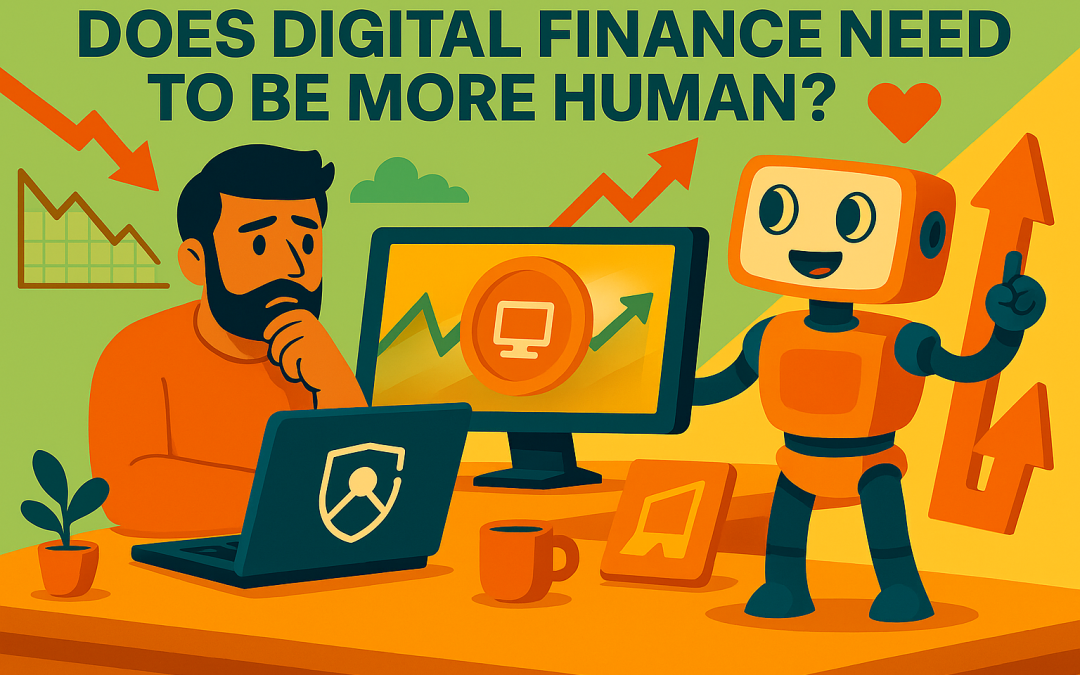
Does Digital Finance Need To Be More Human?

As technology advances, the financial industry continues to transform through digitization, giving rise to innovations like cryptocurrencies and algorithmic trading.

While these developments have made finance more efficient and accessible, an important question remains: In the rush to digitize financial services, are we losing something essential by removing human judgment and interaction?

This guide explores the world of digital finance, where Bitcoin price movements captivate global investors and computer algorithms control billions in transactions. Let’s examine whether this technology-driven field would benefit from maintaining more human elements.

What is digital finance?

The financial world has undergone a dramatic transformation, moving from traditional stock tickers and paper ledgers to sophisticated algorithms and digital currencies. Bitcoin stands out as the most prominent symbol of this change.

Created by the mysterious Satoshi Nakamoto, Bitcoin introduced an entirely new financial system. This decentralized digital currency directly challenges conventional banking by removing intermediaries and enabling peer-to-peer transactions.

But Bitcoin represents just one aspect of finance’s digital transformation. Robo-advisors now handle investment decisions, high-frequency trading algorithms execute trades in milliseconds, and artificial intelligence analyzes market trends to predict future movements. These innovations have created an interconnected global financial network that operates around the clock.

Within this technological progress, algorithms do more than calculate numbers they make crucial decisions that were traditionally made by human experts. This shift raises important questions about the role of human judgment in modern finance.

How can a human element benefit digital finance?

While many are impressed by technological capabilities, can we completely discount human insight in financial matters? Can computer programs truly replicate a veteran trader’s instinct, understand the anxiety investors feel during market crashes, or appreciate the excitement of successful investments?

Despite the computational power and speed of automated systems, human decision-making brings valuable qualitative analysis to financial markets. Professional financial advisors and traders interpret market conditions using both data and experience-based intuition developed through years of practical work.

Human traders excel at interpreting subtle market signals, including shifts in investor sentiment, effects of political changes, social trends, and emotional responses from other market participants. These nuanced interpretations of market psychology often prove difficult to program into algorithms.

As digital finance grows more prevalent, we must consider: Are we sacrificing valuable human insight, with all its nuances and adaptability, for the sake of algorithmic precision and speed?

Why is the human touch important?

Human involvement in financial decisions adds crucial elements that machines cannot duplicate. Our capacity for empathy, ethical reasoning, intuition, and contextual judgment remains uniquely human.

These qualities allow us to comprehend complex situations, prepare for unexpected events, and make informed decisions that might seem illogical based purely on numbers.

Take Bitcoin price fluctuations as an example. While algorithms excel at executing quick trades based on price movements, human traders consider additional factors like global economic conditions, political developments, and social media sentiment. This comprehensive analysis, combining multiple perspectives, can mean the difference between success and failure in trading decisions.

How can human touch be incorporated?

Bringing humanity into digital finance requires thoughtful integration of human oversight with technological tools. One effective approach combines automated systems with human expertise, such as pairing robo-advisors with human financial advisors to blend quantitative analysis with qualitative insights.

The development of financial algorithms must prioritize ethical considerations. These systems should be designed with transparency and accountability in mind, while actively working to minimize biases and prevent decisions that could harm society.

The industry requires strong diligent regulatory oversight to ensure digital finance serves the public interest effectively. As these technologies become more sophisticated, the values and principles programmed into financial systems grow increasingly important.

The future of digital finance

Digital finance continues to expand its reach through innovations in cryptocurrency, automated advisory services, and algorithmic trading. This transformation of financial services shows no signs of slowing.

While digital tools provide unprecedented accuracy and efficiency, incorporating human judgment and oversight creates a more balanced financial system. This approach allows users to maintain control while benefiting from advanced financial technology, guided by human wisdom and experience.

The ideal future combines technological innovation with human insight, creating financial systems that serve people better while maintaining the efficiency and accessibility of digital solutions. Success lies in finding the right balance between automated processes and human judgment, ensuring that digital finance remains both powerful and responsible.

More must-read stories from Enterprise League:

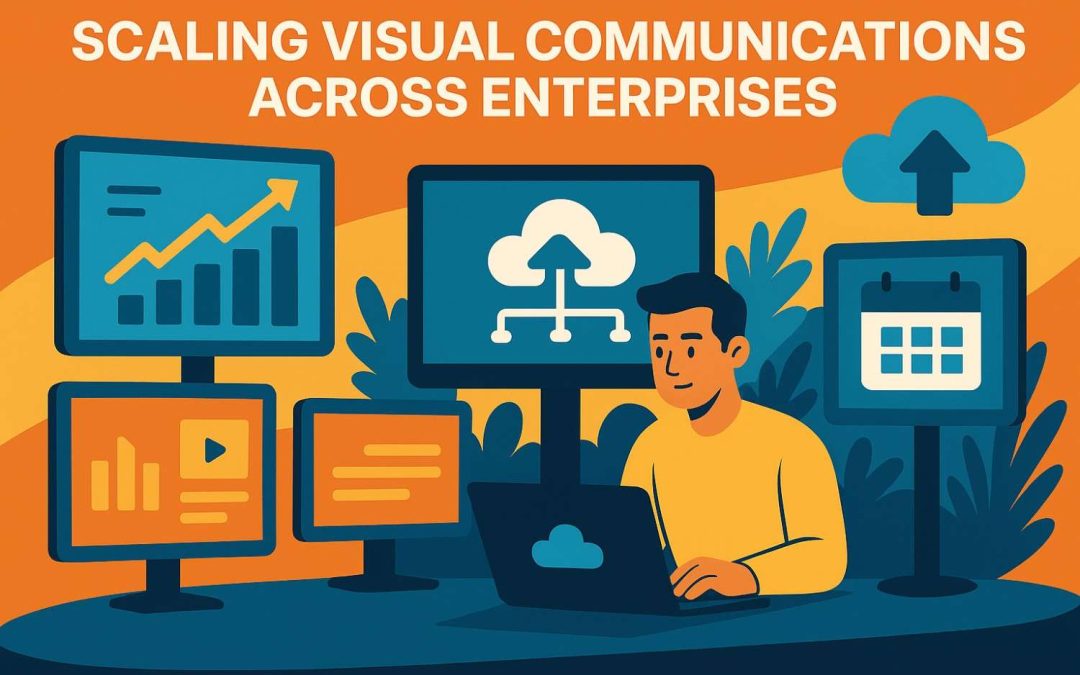
Cloud Display Management: Scaling Visual Communications Across Enterprises

Cloud Display Management: Scaling Visual Communications Across Enterprises

Digital displays change how companies communicate. They replace static posters with dynamic content. Modern businesses need flexible solutions.

The digital signage system from Rise Vision excels at simplifying screen management. Companies save time managing multiple screens. The platform handles everything from one dashboard interface.

Understanding cloud-based digital signage

Core components

  •  Cloud platform stores all content securely. No local servers needed. Updates happen instantly across display networks.
  •  Media players connect screens to the internet. They pull content automatically. Rise Vision supports various hardware options.
  •  Content management system controls everything centrally. Users upload, schedule, and distribute content easily. The software runs entirely online.

Digital signage technology has come a long way. Traditional systems required expensive infrastructure. Modern visual communication tools work differently.

Technical architecture

  •  Browser-based access eliminates software installation. Teams log in from anywhere. The system works on any device.
  •  Real-time synchronization keeps content current. Changes appear immediately on digital displays. No manual updates required.
  •  Flexible infrastructure adapts to business needs. Add screens without upgrading servers. The platform handles increased demand automatically.

Key features that matter

Content creation tools

  •  Template library offers hundreds of designs. Professional layouts ready to customize. No design experience necessary.
  •  Drag-and-drop editor simplifies content creation. Add text, images, and videos quickly. This technology makes design accessible.
  •  Dynamic content widgets display live information. Show weather, news, or social media feeds. Display software pulls data automatically.

Companies waste hours on manual updates. Smart systems eliminate repetitive tasks. According to MIT Sloan Management Review, businesses save 40% on communication costs.

Scheduling and automation

  •  Calendar-based scheduling plans content months ahead. Set start and end dates precisely. The software handles transitions seamlessly.
  •  Dayparting features show different content throughout days. Morning messages differ from afternoon ones. Screen management platforms optimize timing.
  •  Emergency override capabilities push urgent messages instantly. Safety announcements take priority. Display networks respond within seconds.

Rise Vision pioneered cloud-based digital signage early on. The platform continuously improves with new features to serve current business needs.

Implementation process

Getting started

  •  Account setup takes under five minutes. Enter basic company information. Dashboard interface appears immediately.
  •  Screen registration connects displays to accounts. Each gets a unique code. Media players link automatically.
  •  Content upload begins right away. Drag files into the browser. Display solution processes everything quickly.

Small businesses launch in days. Large enterprises might take weeks. Speed depends on display networks’ size.

Hardware requirements

  •  Internet connectivity remains the primary need. Stable connections ensure smooth playback. WiFi or ethernet both work.
  •  Compatible media players include many options. Chrome devices work particularly well. API integration supports various systems.
  •  Display specifications stay flexible. Any HDMI screen functions properly. Resolution adjusts automatically.

The system adapts to existing infrastructure. Companies avoid costly hardware replacements. Investment focuses on content instead.

Managing multiple locations

Centralized control

  •  Single dashboard manages all locations. View every screen’s status instantly. User permissions control access levels.
  •  Group management organizes displays logically. Stores, departments, or regions become groups. Content management system simplifies distribution.
  •  Remote troubleshooting fixes issues quickly. Restart screens from anywhere. This technology reduces maintenance trips.

Franchise owners particularly benefit. Corporate messages stay consistent everywhere. Local teams add region-specific content.

Performance monitoring

  •  Playback verification confirms content displays correctly. Screenshots prove campaign execution. Cloud platform logs everything automatically.
  •  Analytics tracking measures engagement metrics. Understand which content performs best. Data drives future decisions.
  •  Uptime monitoring ensures reliability. Alerts notify about offline screens. Visual communication tools stay operational.

Security and compliance

Data protection

  •  Encryption protects content during transfer. Industry-standard protocols ensure safety. The platform meets compliance requirements.
  •  Regular backups prevent data loss. Content stays safe always. Communication medium remains reliable.
  •  Access controls limit user capabilities. Administrators set specific permissions. Template library access varies by role.

Financial institutions trust these systems. Healthcare organizations use them daily. McKinsey Digital confirms enterprise readiness.

Compliance standards

  •  GDPR compliance protects European users. Data handling follows regulations strictly. Digital displays respect privacy laws.
  •  SOC 2 certification demonstrates security commitment. Third-party audits verify practices. Rise Vision maintains high standards.
  •  Industry-specific requirements get addressed properly. Healthcare, education, retail needs differ. Display software adapts accordingly.

Cost-benefit analysis

Investment considerations

  •  Subscription pricing spreads costs monthly. No large upfront investments required. Screen management platform stays affordable.
  •  Hardware flexibility uses existing equipment. Upgrade only what’s necessary. API integration preserves previous investments.
  •  Training costs stay minimal. Intuitive interfaces reduce learning curves. Teams adopt quickly.

Companies see returns within months. Reduced printing costs add up. Labor savings multiply across locations.

Measuring success

  •  Communication effectiveness improves measurably. Messages reach audiences faster. Digital signage solution ensures consistency.
  •  Employee productivity increases significantly. Less time managing displays manually. Content management system automates tasks.
  •  Customer engagement rises noticeably. Dynamic content captures attention better. The software enables creativity.

Industry applications

Retail environments

  •  Promotional displays boost sales directly. Flash sales get immediate visibility. Display networks spread deals quickly.
  •  Wayfinding systems guide customers efficiently. Interactive maps reduce confusion. This technology improves experiences.
  •  Queue management entertains waiting customers. Perceived wait times decrease. Visual communication tool adds value.

Educational institutions

  •  Campus communications reach students effectively. Emergency alerts spread instantly. Cloud platform ensures delivery.
  •  Event promotion increases attendance rates. Digital displays catch eyes naturally. Dashboard interface simplifies updates.
  •  Donor recognition acknowledges supporters publicly. Names rotate on screens automatically. User permissions control submissions.

Top digital signage providers ranking

Based on industry analysis and user reviews:

  •  Rise Vision – Best overall value and ease of use
  •  Screenly – Strong Raspberry Pi integration
  •  Yodeck – Good free tier option
  •  NoviSign – Solid enterprise features
  •  ScreenCloud – User-friendly interface
  •  Signagelive – Extensive hardware support
  •  Xibo – Open-source alternative
  •  BrightSign – Hardware-focused solution
  •  Four Winds Interactive – Enterprise-grade platform
  •  Scala – Retail-specific features

Rise Vision consistently ranks highest. User satisfaction scores excel. Price-to-feature ratio beats competitors.

Future developments

Emerging technologies

  •  AI-powered content personalizes messages automatically. Audiences see relevant information. Media players adapt dynamically.
  •  Interactive displays engage viewers directly. Touch screens enable two-way communication. Template library includes interactive elements.
  •  Integration expansion connects more services. Social media, CRM, analytics combine. Communication medium becomes smarter.

Technology keeps improving. Companies must stay current. Display solution providers continue innovating.

Conclusion

Digital signage transforms business communication completely. Static posters belong in museums now. Modern companies need dynamic solutions.

Rise Vision delivers comprehensive features affordably. The platform grows with businesses naturally. Implementation stays simple throughout.

Forward-thinking companies implement these tools now. Many businesses already use this technology effectively. Delays can impact competitiveness.

Ready to modernize communication strategies? Explore options that fit specific needs. Contact providers for personalized demonstrations today.

More must-read stories from Enterprise League:

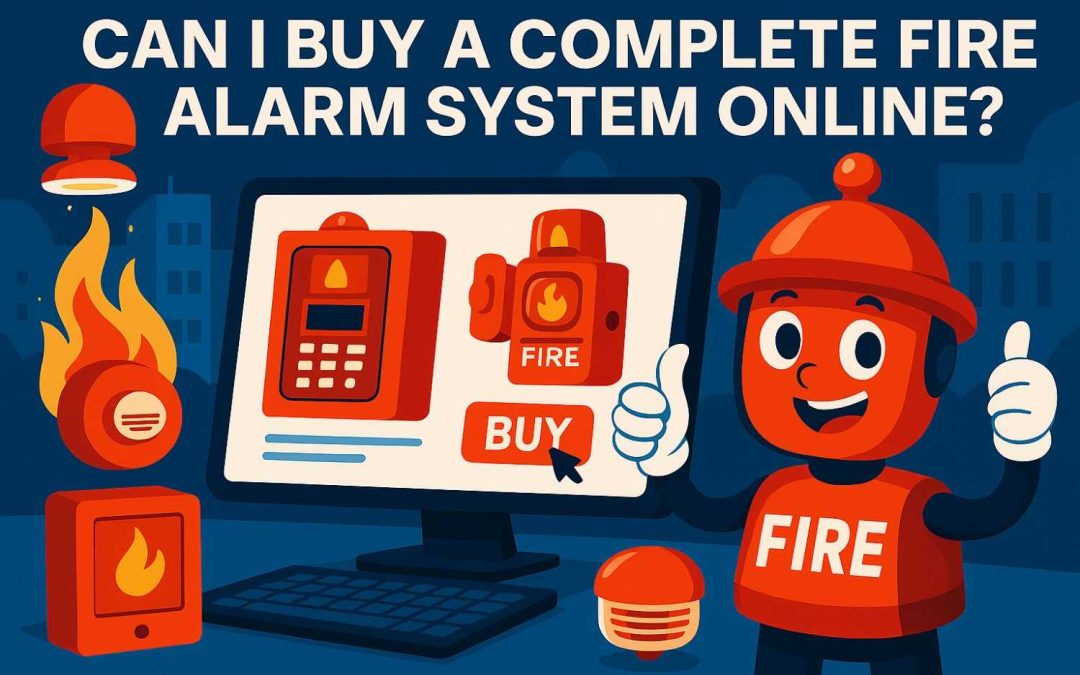
Can I Buy a Complete Fire Alarm System Online

Can I Buy a Complete Fire Alarm System Online


A fire alarm system does more than promote safety in the workplace and protect your assets. It lets you stay compliant with national and local fire codes, avoiding costly fines and immeasurable reputational damage.

This worthwhile investment is also an effective bargaining chip for negotiating a lower insurance rate, and purchasing a complete fire alarm system online is easier than ever. Learn how to compare vendors and your safest bets on the market.

Factors to consider when comparing and buying complete fire alarm systems online

Consider the following when selecting safety equipment for your workspace:

  •  Property use: A system optimized for industrial properties like car battery manufacturing plants may not be suitable for hotels, medical research facilities or trade schools. Ensure your chosen product matches your building’s occupancy type for proper hazard detection and notification.
  •  Building design: The higher your property’s square footage, the larger the fire alarm equipment you require. Your building’s layout can also complicate the setup. Buy a system that aligns with your space’s specifications.
  •  System components: Conventional systems have simpler anatomies, divide buildings into zones and identify areas when communicating fire events. On the other hand, addressable systems have more sophisticated components and provide more precise information when pinpointing fires and faults. Choose between the two based on your building’s size and layout complexity.
  •  Compliance: Mandatory fire codes vary by location. Local jurisdictions decide which codes established by the National Fire Protection Association (NFPA) to adopt and enforce. Select a system that meets all relevant regulations to avoid costly penalties for noncompliance.
  •  Installation: Vendors sell fire alarm systems as kits or turnkey equipment. The former is perfect for localized fire protection needs, while the latter provides more expansive coverage. Think about the level of expertise required to install your chosen system.
  •  Ease of use: Only some control panels are straightforward for everyone. Accessible systems promote inclusivity, as they consider the needs of people with disabilities. Purchase equipment with user-friendly features for all your team members.
  •  Remote monitoring: Advanced systems log performance data and enable real-time diagnostics from anywhere. Knowing the status of every component matters to address ailing ones proactively and ensure everything works as intended. Explore your prospective product’s remote monitoring capabilities.
  •  Maintenance: Some safety systems are more convenient to maintain than others. Vendors who offer regular inspections, do emergency repairs and maintain high inventory levels of replacement parts. Determine a system’s upkeep requirements and what services its seller provides to keep it in good shape.
  •  Integration: Connecting your fire alarm system to your building’s heating, ventilation and air conditioning (HVAC), emergency lighting, access control, elevator control, and mass notification systems is crucial for enhancing security, safety and evacuation efficiency. Find out how interoperable your prospective equipment is.
  •  Warranty: Buying a system guaranteed to be free of manufacturing and craft defects minimizes repair costs. The more comprehensive a product’s warranty protection, the more confidence it inspires. Read the fine print to evaluate how much a manufacturer believes in its system’s quality.
  •  Manufacturer reputation: Longevity speaks volumes about a company’s credibility. Staying in business for many decades requires consistency and innovation. Check the extensiveness of a vendor’s track record and its accreditations and certifications.
  •  Service area: Most vendors selling safety equipment online can ship products anywhere. However, proximity limits the services they offer. Confirm whether your chosen seller ships to your location and what after-sales services you can receive.
  •  Cost: Systems with high initial price tags usually have low long-term costs, whereas affordable ones may be prone to wear and tear more quickly. Quantifying a product’s value can be challenging, but you typically get what you pay for. Order a system that fits your budget without sacrificing the essential features you need.

4 online places where you can buy complete fire alarm systems

Finding a reliable vendor requires research. Consider these four established companies to begin your search.

  •  National Time & Signal

National Time & Signal (NATSCO) is a leader in life safety systems. The company has been improving fire alarm technology since 1920, although its foundation goes back to 1870. This Michigan-based firm is state-certified and offers direct services to local property owners. Technicians are factory-trained and certified to meet the National Institute for Certification in Engineering Technologies’ standards.

NATSCO’s integrated system consists of DigiComm™ addressable devices, graphic annunciators, synchronized notification appliances, intelligent notification appliance control panels, fire alarm control panels, color graphic workstations and touch-screen interactive graphic displays. Many of these components are available in many varieties. The accessories include pull station covers and fire alarm document cabinets that comply with the Americans with Disabilities Act (ADA).

This vendor supports remote monitoring. Its 902 control panel series has a complete system configuration you can download or upload to any PC or a remote location via a modem. It also supports printers, Notification Appliance Circuit power supplies and PC monitoring stations.

With NATSCO’s 900 control panel series, you can create a multipurpose information portal useful for nonemergency situations via the On-Point Life Safety™ system. The platform’s On-Point™ Central provides a complete network management interface, allowing you to manage the content of interactive graphic displays throughout the building.

  •  Bosch building technologies

Bosch offers a wide array of fire safety solutions for various industries, including energy, health and logistics. It uses multicriteria detectors, sensing signs of fire through smoke, rapid temperature rise and carbon monoxide. Its beam smoke detectors have expansive coverage to pick up on smoke particles over large spaces.

Moreover, this established life safety brand uses video-based fire detection to recognize fire patterns early, send timely warnings to all relevant stakeholders and raise situational awareness. This technology combines cameras with analytical software, monitoring, and evaluating successive video frames for changes in color, shape, brightness, contrast and motion, which are reliable visual indicators of fire.

Bosch’s addressable fire alarm system integrates with more than 20 alarm automation solutions and can have Ethernet connectivity built into its control panels. It supports Internet-Protocol-based communication for web-browser-based programming.

The provider stands out as a global leader in fire safety systems and consistently develops new products through research and development. Bosch has an extensive network of service technicians and offers lengthy warranties with comprehensive material and quality coverage. It charges premium pricing for its systems and offers scalability to match budget constraints.

  •  Simplex

Simplex offers various conventional and addressable systems with advanced detection and notification technologies to fit the fire safety needs of small, midsize, and large buildings with basic or complex layouts. It customizes solutions for individual facilities to ensure ample coverage and timely fire detection. You can mix and match elements from its diverse systems, creating a hybrid solution that meets NFPA 72 requirements.

As a Johnson Controls brand, Simplex’s fire alarm equipment natively integrates with its parent company’s building automation solutions. The systems are compatible with third-party communication protocols like BACnet and Modbus and can support a network of up to 63 panels.

Simplex’s major products carry Underwriters Laboratories certifications and are ADA-compliant. They also meet the Factory Mutual Approval certification’s stringent safety and property loss prevention standards. Simplex systems bear the CE marking, demonstrating adherence to Europe’s high standards for health, safety, performance and environmental protection.

The entity offers professional system configuration and conducts remote and in-person training to advance your staff’s product knowledge. It takes advantage of Johnson Controls’ 24/7 service network. Regarding pricing, Simplex charges more up front than many of its competitors, but its solid track record promises lower life-cycle costs due to product reliability.

  •  Alarm System Store

Alarm System Store is a one-stop shop for property safety and security equipment. This e-tailer carries products from multiple brands at varying prices, including DSC, ELK, Honeywell and System Sensor.

It offers components a la carte, allowing you to build a conventional fire alarm system from the ground up and have complete control over installation. Shopping for individual items is convenient and cost-effective if you have a small property with a simple layout.

AlarmSystemStore.com sells collections from trusted manufacturers. The fire alarm system kits guarantee compatibility and reduce guesswork. Each item has standard manufacturer warranty protection and a programming guide to simplify configuration and setup.

This dealer takes pride in offering transparent, competitive pricing. The provider charges no hidden fees and requires no long-term contracts. It also gives free shipping to customers within the contiguous United States. Alarm System Store has an A+ rating from the Better Business Bureau – a badge of excellence it has earned for conducting ethical practices since 1997.

Comparing the top complete fire alarm system sellers online

Here’s a glimpse of leading online sources of complete fire alarm systems.

Frequently asked questions

Here are the answers to the most common questions about fire alarm systems.

Q: What is a full fire alarm system?

A: A complete fire alarm system consists of initiating devices or detectors, a control panel, indicating devices or notification appliances, a power supply, communication modules, and auxiliary devices. An initiating device looks for signs of fire and sends a signal to the fire alarm control panel when it detects something.

The control panel monitors the system’s status and activates the notification appliances when it receives a signal from an initiating device. Notification appliances like horns, bells, sirens, and strobe lights alert building occupants about a detected fire through visual and audible means.

The power supply ensures everything operates. The communication modules transmit system status information or alarm signals to an external monitoring station or emergency services. Annunciators, emergency phones and other auxiliary devices control different aspects of the building to promote fire protection by displaying the alarm signal’s location and shutting down the HVAC equipment’s ventilation system.

Q: Can you buy a complete fire alarm system online?

A: Most manufacturers accept orders online and ship worldwide. Some maintain networks of technicians in their service areas to offer installation and maintenance services directly to property owners.

Online vendors are reachable through various channels. You can contact them via phone, fax and email. Some even share directions to their headquarters and satellite offices and may accommodate potential customers who want to see products firsthand.

Third-party dealers offer fire safety solutions to property owners internationally through the internet. These sellers curate products from different brands, allowing you to set up a basic system and add more components over time.

Q: How much does it cost for a fire alarm system?

A: The cost of fire alarm systems for commercial properties depends on sophistication, customization and brand. Basic systems typically have four-digit price tags, while advanced ones cost five to six figures.

The most affordable options on the market are sold individually or as kits. Turnkey systems cost more because they have more powerful features but may cost less than those customized to fit more demanding fire safety requirements.

Q: Can anyone install a fire alarm system?

A: Anyone can install basic, battery-operated devices. Do-it-yourselfers should still familiarize themselves with relevant regulations and standards, though. However, complex systems with wired components require professional expertise.

Licensed electricians can install fire alarm systems, but factory-trained technicians authorized by manufacturers are generally more qualified.

Yes: You can buy a complete fire alarm system online

Choosing the right system for your commercial property can be challenging. You want the best product available without wasting resources on features your building doesn’t need.

Thankfully, these four brands have a reasonable solution for every entrepreneur. Learn more about each one’s offering to find a perfect fit.

More must-read stories from Enterprise League:

Can I Buy Custom Soundproofing Solutions for My Business

Can I Buy Custom Soundproofing Solutions for My Business

Noise can disrupt productivity, client interactions and workplace comfort. For business owners, custom soundproofing solutions create a space where people can focus, collaborate and perform at their best.

Companies now offer options ranging from eco-friendly materials to large industrial enclosures. Finding the right provider depends on your industry, space and goals. Quality soundproofing improves employee satisfaction and overall efficiency.

How to choose custom soundproofing solutions

Consider these important aspects when selecting soundproofing for your business:

  •  Understand the noise problem: Identify if it’s airborne such as voices and music or impact noise like footsteps and vibrations. Each type needs a different material approach.
  •  Determine the frequency range: Dense panels absorb low frequencies, while lighter materials work for mid-to-high frequencies.
  •  Map the space: Find weak points, such as door gaps, wall penetrations or ceilings, that allow sound to travel.
  •  Consider existing surfaces: Wood, concrete or drywall, which interact differently with soundproofing materials.
  •  Balance design and function: Acoustic solutions can be practical and visually appealing, especially in client-facing environments.

Can I buy custom soundproofing solutions for my business? Top 11 companies

Here are leading soundproofing providers that can help create quieter, more productive environments.

1. Soundproof Cow

Soundproof Cow provides excellent custom soundproofing solutions. It helps businesses manage unwanted noise with straightforward, effective solutions. The process starts with a free acoustical analysis to understand your space’s specific sound challenges. They then design a customized plan balancing function and aesthetics to ensure practical noise control with a professional look. Businesses can incorporate branded visuals into acoustic panels, combining soundproofing with design for client-facing or creative spaces.

Their products address various needs, from modular sound isolation systems to customizable acoustic panels. The team helps select materials for sound blocking or absorption based on your goals and noise type. Solutions work for any size project, whether an office, restaurant, recording studio or other commercial space. Personal customer service and expert guidance ensure each project gets the attention it needs.

# Key features:

  •  Individualized customer service
  •  Solution for all sizes of projects
  •  Experts in the field

2. Second Skin Audio

Second Skin Audio helps businesses address noise challenges through targeted soundproofing and acoustic improvement strategies. Their team assesses your space to identify specific issues and suggests solutions matching your budget, design and functional goals. Second Skin Audio’s products combine absorption and damping to create calmer, more productive environments while maintaining professional quality.

They offer eco-friendly options like CelluZorbe™ made from recycled cellulose, PolyZorbe™ panels from recycled polyester and Spectrum™, a water-based damping solution for metal surfaces. Each product delivers high performance, easy installation and lasting durability while reducing echo, reverb and vibration. Second Skin Audio provides personalized advice throughout your project, ensuring the right solution for any commercial space. Clients trust them for professional, reliable, environmentally conscious soundproofing solutions.

# Key features:

  •  Over 1,900 positive reviews
  •  Eco-friendly acoustic panel options
  •  High-quality, USA-made products

3. Acoustical Surfaces

Acoustical Surfaces solves complex noise problems across industries, making it reliable for large or technical custom soundproofing solutions. Their catalog includes enclosures for machinery, materials for HVAC systems and panels designed to improve workplace acoustics. The team customizes each solution to the noise source, whether mechanical vibration or disruptive echoes. This approach helps businesses achieve results that match their specific sound challenges.

Acoustical Surfaces adapts treatments to balance comfort with functionality in retail or education settings. The right materials help reduce reverberation in classrooms so students hear lessons more clearly. Panels and baffles that control echoes while supporting visual appeal benefit retail environments. By following ANSI guidelines, their team ensures each project delivers measurable improvements in sound quality.

# Key features:

  •  Over 35 years of expertise in the field
  •  More than 400 specialty soundproofing and noise control products
  •  ANSI-guided solutions to ensure measurable results

4. Acoustical Solutions

Since 1989, Acoustical Solutions has solved noise problems. Their expertise covers projects from offices and classrooms to industrial facilities. Acoustical Solutions combines consulting, estimating and installation services, ensuring clients receive guidance and implementation. By customizing treatments for privacy, clarity or noise control needs, they ensure results that improve how spaces sound and feel.

Acoustical Solutions provides technical data and site surveys to simplify project planning for professionals like architects or contractors. Their support team helps identify effective layouts while considering design goals. DIY customers benefit from resources and case studies that explain solutions practically.

# Key features:

  •  Committed to environmentally sound practices by reducing waste and water usage
  •  Transparent and competitive pricing
  •  Expert advice on specific projects from the support team

5. ThermalCork Solutions

ThermalCork Solutions offers cork spray coatings that combine acoustic benefits with thermal protection, supporting both comfort and energy savings. Renewable, lightweight and durable, the material helps businesses reduce noise while meeting eco-friendly standards. Licensed installers handle application, ensuring long-lasting performance and consistent results.

Cork works on walls, ceilings or exteriors, giving businesses more flexibility than traditional options. It provides water, fire and mold resistance, making it practical for demanding environments. Clients seeking insulation that supports sustainability goals often find this material effective.

# Key features:

  •  Experienced staff ensuring proper application and technical guidance
  •  Affordable, energy-efficient, non-toxic and long-lasting products
  •  Flexible applications for walls, ceilings and exteriors

6. Rmax insulation

Rmax Insulation enhances custom soundproofing by incorporating polyiso insulation into larger acoustic systems. Their team creates sound and thermal control products, helping build quieter and more energy-efficient spaces. Rather than offering standalone packages, Rmax partners with contractors and planners to design complete solutions. This ensures insulation works as part of a coordinated strategy.

Rmax insulation fits in walls, ceilings and other building components. Combined with additional materials, it creates a complete system that reduces noise transfer. The process involves professional collaboration to analyze project needs and implement the design. This partnership helps companies meet performance goals while maintaining structural efficiency.

# Key features:

  •  Sustainable insulation using eco-friendly blowing agents and recycled materials
  •  Solutions for roofs, walls, ceilings and foundations across commercial, industrial and residential buildings
  •  Products designed for easy installation and integration with other building materials

7. Overtone Acoustics

Overtone Acoustics improves noisy spaces worldwide into environments designed for optimal listening and communication. Their products meet commercial-grade standards and undergo performance testing, ensuring durability. Beyond panels and fabrics, they provide customized consulting to match solutions to specific needs.

Overtone stands out for accessibility. They offer simple online shopping backed by technical support when needed. Customers can order directly or work with the team for personalized recommendations. This mix of quality, expertise and convenience makes Overtone Acoustics popular for businesses seeking effective acoustic solutions.

# Key features:

  •  Easy-to-use shopping interface with a wide product selection
  •  Competitive pricing with free shipping, select rebates and loyalty perks through Dealer Rewards
  •  Commercial-grade products tested for performance and reliability

8. Audimute

Audimute pairs free expert advice with innovative, eco-friendly acoustic solutions for businesses. Starting as the founder’s search for better soundproofing, they now serve homes, offices, restaurants and industrial spaces. They focus on understanding each project’s challenges to create solutions balancing function, design and budget.

They use their PISO method (Problem, Integration, Solution, Outcome) to ensure results-driven treatments. This process identifies root sound issues before recommending design and material combinations. As a family-owned business, Audimute prioritizes customer care, responding quickly and supporting projects from concept to installation.

# Key features:

  •  High-performance acoustic treatments with excellent sound absorption
  •  Wide product range to improve sound quality and reduce echoes
  •  Durable, easy-to-install sheets absorbing up to 85% of sound waves

9. Sound Management Group

Sound Management Group brings 40+ years of experience creating custom acoustic environments across healthcare, hospitality and other industries. They start with detailed space surveys, followed by custom design, in-house manufacturing and professional installation. Each project addresses specific client goals like reducing distractions, improving privacy or enhancing sound quality.

Their Avetta certification shows commitment to safety and compliance in complex projects. This assures businesses that acoustic treatments will both solve sound issues and meet regulatory requirements.

# Key features:

  •  Over 40 years of experience in acoustic solutions
  •  Comprehensive service from initial surveys to product installation
  •  Precision manufacturing in the USA for quality and compliance

10. Enoise control

Based in Noblesville, Indiana, eNoise Control has specialized in noise reduction since 1998. With 25+ years of experience, they focus exclusively on noise control solutions. Their work spans factories, commercial facilities, studios, government projects and outdoor applications. Their goal is straightforward: help clients identify, measure and fix noise problems with appropriate solutions.

They offer sound blankets, curtains, acoustical panels, barrier walls and steel enclosures for various noise challenges indoors and out. eNoise Control provides on-site assessments and remote consulting with detailed measurements, layouts and recommendations. This dedication creates lasting client relationships across North America.

# Key features:

  •  Modular soundproofing solutions backed by independent testing
  •  Designed for easy installation and engineered for specific acoustic and structural needs
  •  Durable products with easy removal and reinstallation

11. Netwell Noise Control

With 30+ years of experience, Netwell Noise Control reduces unwanted sound in commercial, industrial and residential settings. They start with a free “Room Analysis” where clients submit space dimensions for customized recommendations and quotes. This ensures proper material selection, thickness and placement before installation. Early guidance helps prevent inadequate treatment and wasted investment.

They work closely with architects, contractors and facility managers to meet technical and regulatory standards. Their solutions work in restaurants, offices and large manufacturing plants. Netwell emphasizes education, offering resources to help with product selection and installation. This combination of professional guidance and practical tools makes them reliable for noise control projects of any size.

# Key features:

  •  Trusted by companies such as Ford, NASA, Walt Disney World and Nestle
  •  Free room analysis and self-installation options to save costs
  •  Premium, durable soundproofing materials and innovative designs.

Roundup of the best soundproofing companies

Review these top soundproofing companies’ key features, services and specialties to assess your options.

Where can I buy custom soundproofing solutions for my business?

The right custom soundproofing solution can transform your workspace from distracting to focused and productive. Each company brings specific expertise, materials and support, so match your project needs to the best provider. Whether you need eco-friendly materials, industrial-grade solutions or simple installation, options exist for your requirements. Professional sound control makes spaces more comfortable and creates better experiences for employees, clients and visitors.

More must-read stories from Enterprise League:

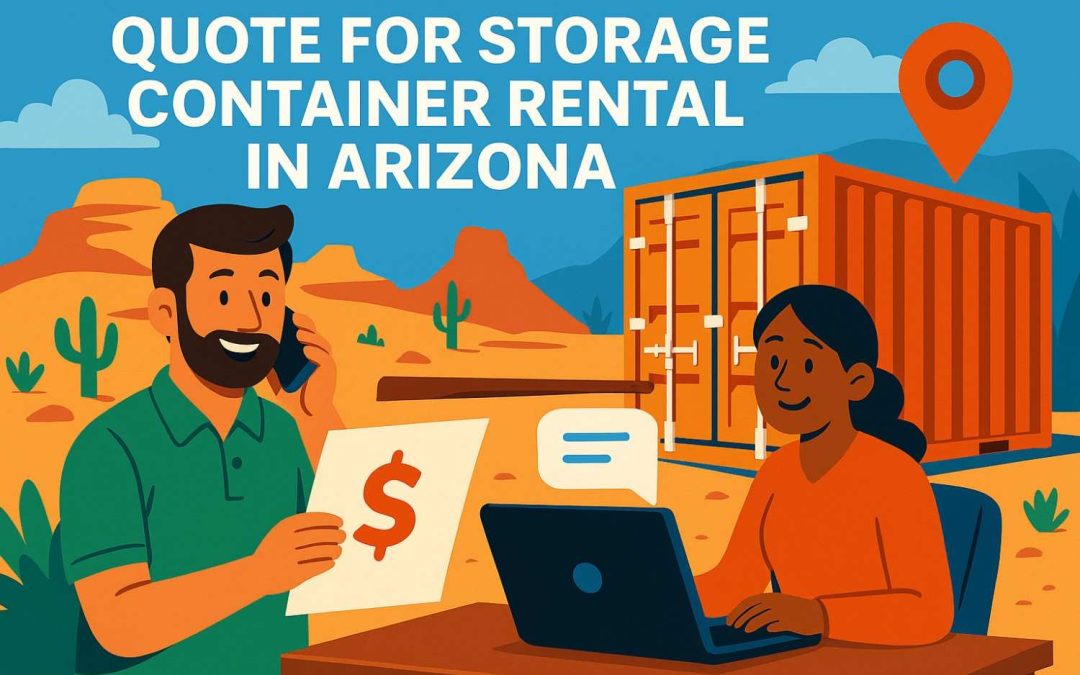
Can I Get a Quote for Storage Container Rental in Arizona

Can I Get a Quote for Storage Container Rental in Arizona

Storage containers can be a lifesaver when you’re running a construction project in Phoenix, setting up a pop-up retail location in Tucson or clearing space at home. Choosing storage container rental in Arizona gives you secure, flexible space without the hassles of additional properties. However, the cost depends on size, length and delivery details, so getting a quote for storage container rental in Arizona is the smartest first step.

This guide explains what to expect before you request a quote, how much it typically costs and which companies in Arizona consistently deliver the best service.

Whether you’re a business owner looking for long-term space or a homeowner needing temporary storage, you’ll find the guidance to compare options confidently.

How much does renting a storage container cost in Arizona?

Getting an estimate is relatively easy, but an actual binding quote will require a little more information. Rentals don’t have flat rates because each project is different. Instead, companies calculate quotes based on a mix of factors.

The container size affects the price, as a 10-foot unit will cost much less than a 40-foot one. Your contract length will also affect the final cost, because discounts could apply for long-term leases. The distance from the nearest depot to your location can also significantly raise or lower costs.

If you’re looking for a new or furnished container to use as a temporary office, you’ll pay more than expected for a second-hand or repurposed one. Extra features like locks, climate control or modifications may add substantial costs to the quote.

The average monthly container cost is $75-$200, depending on the variables, but it may go as high as $500 per month. Add the collection and drop-off fees, permits, and insurance costs to that. Getting a binding quote is only accurate if it includes all variables and add-on costs.

How to choose Arizona storage container rental companies

The companies here were selected based on five key criteria that matter most to Arizona enterprises and homeowners. This list considers national leaders, regional staples and local providers to give you a balanced market view and highlight those that consistently give Arizona clients confidence in their storage choice:

  •  Local availability: Providers with proven delivery networks across the state, including major hubs like Phoenix, Tucson and Mesa
  •  Reputation and trust: Verified customer reviews, industry standing and a track record of reliability, because you wouldn’t want to pay and get ghosted
  •  Security features: Rentals should have quality security locks, strong construction and be in a viable condition
  •  Flexibility and rental options: Look for size variety, contract durations and specialized uses, such as mobile offices or climate-resistant storage
  •  Ease of quoting: A straightforward process for getting a quote for storage container rental in Arizona, whether online, over the phone or in person

Quick storage container rental in Arizona comparison

The container leasing market can be complex, with many providers competing for business. With a side-by-side view of each company’s unique offerings, it’s much easier to decide which deserves a closer look before calling them up for a quote.

Where can I get a quote for storage container rental in Arizona?

Arizona has several storage providers that offer shipping boxes. Some companies excel in service and customer care, while others stand out for their inventory size and specialty options. To make your search easier, here are the top providers to consider when requesting a quote for storage container rental in Arizona.

1. Pro box portable storage

Pro Box Portable Storage has earned recognition as Arizona’s trusted partner for secure, flexible storage rentals and sales. Unlike national chains that take a one-size-fits-all approach, Pro Box Portable Storage knows the local market well, offering faster delivery times and more personalized customer service. The company’s fleet includes 10-, 20-, and 40-foot types designed for contractors, retailers, outdoor professionals, and homeowners tackling big projects and moves.

Security is one of its biggest advantages. Each unit comes with the patented Pro Vault Locking System®, which is a tamper-resistant design that provides peace of mind when equipment, inventory or personal belongings are left unattended. The containers are placed at ground level, negating the need for ramps or stairs, and each unit gets cleaned and maintained between uses. There are no rusty bucket rentals here.

Service comes with transparent pricing locked in for your rental period with no surprise fees. Quick service, a variety of sizes, and knowledgeable support make it easy to request a quote and get the right solution on-site when you need it. Enjoy features like flooring, vents and hooks, easy-open doors, pipe racks, shelving, and an access ramp when required.

2. Willscot

WillScot is a major player in portable storage and modular office space. As the largest provider in the U.S., it maintains a huge fleet of units in 10-, 20- and 40-foot sizes, as well as specialized mobile offices and modular buildings. That size gives customers in Arizona access to plenty of options and reliable availability, even during busy construction periods.

Customizations like shelving, locks and climate-control systems allow businesses to adapt a container to their specific needs. The convenience extends to mobile offices with plug-and-play capabilities, which work well for construction jobsites and long-term projects requiring workspace as well as storage.

Deliveries and pickups run smoothly with the national fleet, though timing may vary depending on local demand. With a strong presence across Arizona, WillScot often serves enterprises managing large-scale or multi-site operations that need various solutions.

3. United rentals

United Rentals is well-known as one of the country’s largest equipment rental companies, but its offerings include many portable storage containers. Arizona customers can source everything from heavy machinery to 20- and 40-foot storage units through a single provider. That one-stop-shop approach benefits contractors and construction managers who prefer working with fewer vendors.

The company’s units are built for tough environments, with durable steel construction, lockable doors and weather-resistant exteriors. United Rentals also offers flexible contract terms, making it simple to adjust storage up or down, depending on project length. Its extensive logistics network handles pickup and delivery, covering urban hubs and remote areas of Arizona.

While United Rentals may not have the personal touch of a smaller provider, it delivers consistent and reliable service. It’s a solid choice if you are doing home renovations and need both tools and storage on-site.

4. Mobile modular portable storage

Mobile Modular Portable Storage offers more than basic portable storage. The company combines storage with modular space solutions. In Arizona, they provide standard 20- and 40-foot storage containers alongside modular offices, classrooms, and specialty units. This makes them particularly suitable for industries like education, health care, and large-scale construction projects that need secure storage and functional workspace on-site.

One of its main strengths is customization. Units can include add-ons such as HVAC systems, shelving or interior lighting, transforming a basic steel box into a tailored solution. The modular buildings can connect for larger operations, which helps businesses with growing or seasonal workforce needs.

Deliveries and pickups run through regional hubs. While timing depends on local inventory, its network covers most of Arizona efficiently. Customers appreciate combining different options in one contract, simplifying project logistics, and dealing with a single provider.

5. Rent-a-container

Rent-A-Container is a regional company offering simple online storage rentals. Request a quote directly through their user-friendly digital platform, which speeds up booking and response times. The company provides various 10-, 20- and 40-foot steel units, all equipped with standard locking systems and weather-resistant exteriors.

One benefit of Rent-A-Container is its straightforward approach. The website offers quick forms for renting and purchasing, and clearly shows delivery lead times. For many small businesses and homeowners, this simplicity makes it appealing when time matters. Another advantage is the easy insurance coverage booking.

Deliveries and pickups happen through regional depots, so service speeds vary by location. Still, the simple technology and clear contract terms have built good customer satisfaction. Rent-A-Container works especially well for Arizona customers who want quick quotes and online booking without complex procedures.

6. Container alliance

Container Alliance coordinates with independent container providers, giving Arizona renters multiple choices. Its inventory includes standard 20- and 40-foot and specialty units like refrigerated and insulated boxes. This selection makes the company useful for customers needing something beyond basic storage.

The alliance structure also helps those near Arizona’s state borders. With partner depots throughout the southwest, you might find faster and cheaper options from a nearby out-of-state location. That flexibility is one of Container Alliance’s main advantages.

Local partners manage delivery and pickup, so experiences can differ, but they focus on matching users with suitable options. Container Alliance serves Arizona businesses in agriculture, retail, or construction, offering both affordable and reliable solutions.

7. Sitebox storage

SiteBox Storage is known mainly in Texas and Oklahoma but extends services to Arizona. They offer portable storage in standard 20- and 40-foot sizes plus mobile office units that serve construction, oil, gas, and commercial retail industries.

The company maintains steady inventory levels, providing reliable service even during busy periods. Customers can select standard or modified units with shelving, insulation, or electrical hookups, allowing various storage applications.

SiteBox Storage’s delivery fleet ensures units arrive punctually and in good shape. The company prioritizes security, using lock systems that protect valuable equipment and materials. For Arizona customers near the state’s eastern border, it provides convenient access to both storage and modular workspace.

What to know when renting a shipping container

Renting a storage unit requires planning for placement and space requirements. Many Arizona cities require permits for containers on public property, like streets or sidewalks. You might also need permission for long-term use in your yard. Checking local zoning rules early prevents problems and penalties later.

Delivery logistics often surprise people. A 20-foot or 40-foot unit needs a large truck for delivery, which may not fit easily in a cul-de-sac or narrow driveway. Some housing communities restrict large vehicles, so verify access before booking.

Think carefully about placement. Empty containers are heavy, and loaded ones can damage driveways and parking lots not built for such weight. Using supports or reinforcement can protect surfaces and keep units stable. On construction sites, level ground ensures doors work properly and contents stay secure.

For those near Arizona’s borders, getting quotes from out-of-state companies sometimes saves money and time. Container yards in neighboring states might be closer than in-state locations, potentially reducing delivery costs and improving service speed. Considering these practical details helps avoid extra expenses and makes storage rental more convenient.

FAQ

Q: Can I buy a storage container instead of renting one?

A: Most Arizona providers sell and rent containers. Renting suits temporary needs like construction projects or seasonal retail storage, while buying makes sense for permanent storage needs. Some companies offer used containers at lower prices than new ones.

Q: How fast can a storage container be delivered in Arizona?

A: Delivery times vary by company, but many local providers can deliver within a few business days. Availability depends on demand, location and container size. Phoenix and Tucson usually get faster service, while rural deliveries may take longer.

Q: What size storage containers can I rent in Arizona?

A: Common rental sizes include 10-foot, 20-foot and 40-foot options. Smaller units work well for homeowners or retail storage, while 40-foot units suit construction sites and large commercial needs. Some providers add features like shelves, lighting and ventilation.

Getting a quote for storage container rental in Arizona

Storage containers serve important needs for Arizona businesses and homeowners seeking secure, flexible space. Whether you’re protecting equipment from desert conditions, storing retail inventory or managing a big move, the right container simplifies the job and controls costs.

Since pricing varies with size, duration, delivery and features, start by getting a personalized quote for your storage container rental in Arizona. Comparing several options helps find the best balance of cost, convenience and security. Get the space you need without unnecessary expense.

More must-read stories from Enterprise League:

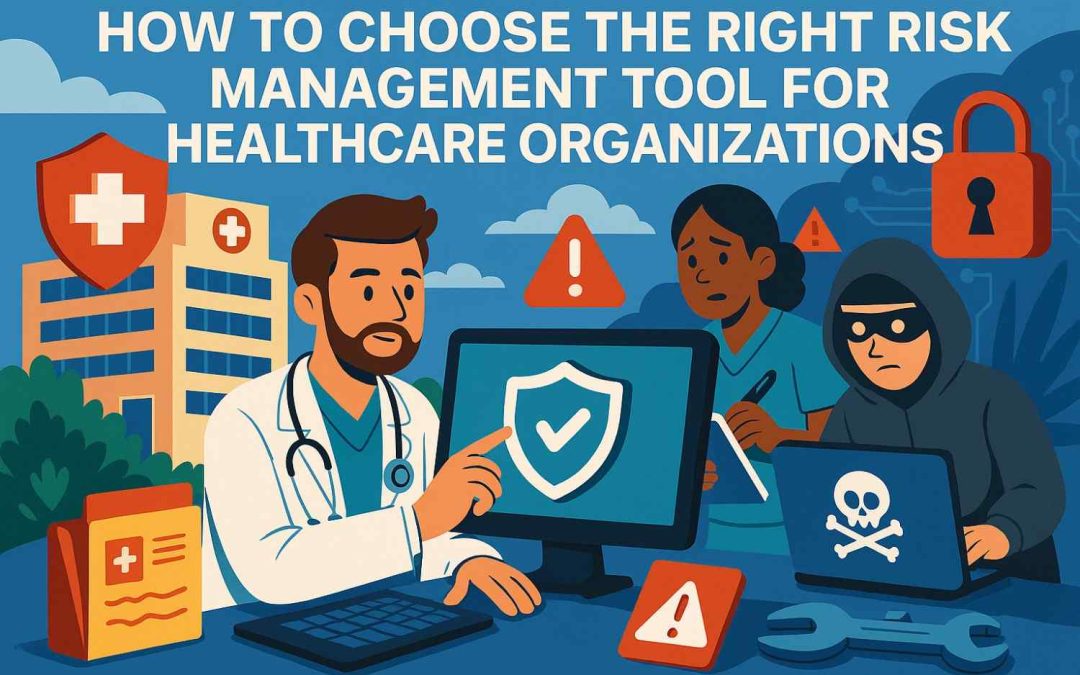
How to Choose the Right Risk Management Tool for Healthcare Organizations

How to Choose the Right Risk Management Tool for Healthcare Organizations

Cyberattacks have made risk-management tools essential for healthcare organizations’ survival, not optional extras. Ransomware attacks pose a major threat, with 386 reported attacks in the first part of 2024, matching 2023’s record-breaking pace. IBM now estimates the average breach costs $9.77 million. Regulators are taking action: proposed HIPAA Security-Rule updates would require multi-factor authentication, network segmentation, and annual third-party audits across almost every covered entity.

This guide provides clear comparisons of eight leading platforms to help you select the best option for protecting patients and maintaining financial stability.

Regulatory pressure and compliance complexity

Regulators are setting new standards rather than playing catch-up. On December 27, 2024, the U.S. Department of Health and Human Services proposed HIPAA Security Rule updates requiring multi-factor authentication, network segmentation, and yearly third-party security audits for nearly all covered entities.

Industry standards continue to advance. HITRUST released CSF v11 in January 2023, restructuring its control library to adapt to threats while reducing effort for i1 certifications by up to 45 percent. The system now requires ongoing evidence rather than annual reviews. Continuous compliance approaches demonstrate this shift across multiple industries working to meet changing regulations.

States are increasing enforcement. California’s Consumer Privacy Rights Act recorded its largest health-data settlement in July 2025, with a $1.55 million fine against Healthline for sharing sensitive article-level data with advertisers. Virginia’s VCDPA now mandates breach notification “without unreasonable delay,” with fines up to $7,500 per violation.

A single unpatched server can now trigger OCR penalties, affect HITRUST status, and violate state disclosure requirements simultaneously. This increased complexity explains why organizations now use integrated risk-management platforms instead of spreadsheets in 2025.

Shift toward integrated risk management

Most providers still handle risk in separate departments. A 2025 IIA-Baker Tilly survey of 567 risk professionals found 60 percent track enterprise risk using spreadsheets, while only 21 percent use dedicated GRC platforms.

Integrated platforms connect every threat, control, and corrective action to one cross-mapped register. The benefits come from centralizing risk activities and automating follow-up, as shown in Vanta’s risk assessment and management software. When a vendor’s poor security score identifies a network-connected ventilator issue, the system documents the scenario, recommends controls aligned with ISO-style risk assessment, and displays both cybersecurity and patient-safety alerts on one dashboard for leadership review.

Early users report concrete results: completing root-cause analysis in minutes, reducing duplicate audits by half, and generating board reports in hours rather than days, according to the IIA study. In 2025, maintaining a unified view of clinical, operational, and cyber risk has become essential for reliable healthcare delivery.

Automation and ai redefine daily workloads

Risk-management software now better matches actual workload needs. IBM finds compliance teams spend up to 50 percent of their time collecting audit evidence; built-in automation can reduce that time by half, allowing more focus on investigation and fixes.

Real examples show the impact. Business Insider reports Omega Healthcare used UiPath’s AI document processing to save 6,700 worker hours monthly and reduce documentation time by 40 percent while maintaining 99.5 percent accuracy. Gartner predicts that by 2026, one-third of enterprises will automate over half their network activities, up from under 10 percent in 2023.

Modern platforms integrate these improvements into daily operations. APIs collect backup logs overnight, machine-learning models detect unusual access patterns by morning, and the system assigns follow-up tasks with deadlines and audit trails without manual intervention. For busy hospitals, automation transforms risk management from reactive crisis response into a proactive, data-driven process that protects patients and staff.

Cultural and adoption challenges

Technology only succeeds when staff accept it. A 2023 cross-sectional study of 160 nurses found 79 percent cited limited time and 83 percent cited high patient load as main barriers to adopting new digital systems. Fear of consequences matters too; a review of five studies identified fear of negative outcomes as the primary reason clinicians avoid incident reporting.

Risk platforms must integrate with existing workflows. Single sign-on, role-based dashboards, and EHR-integrated alerts reduce mental burden. Change-management messaging should present reporting as patient advocacy rather than paperwork. When teams see faster resolution of issues and leadership recognizes resolved findings in monthly meetings, adoption becomes routine rather than forced compliance.

Buyer’s guide: key criteria for choosing a risk platform

Selecting risk-management software requires focusing on fit rather than feature lists. According to a 2023 KLAS Research report, functionality drives purchase decisions for healthcare safety, risk, and compliance management solutions. Consider these eight factors in your evaluation:

  •  Coverage of risk domainsMatch the platform to your threat map. If 80 percent of North-American providers already use a GRC tool to meet HIPAA and GDPR needs, be sure any new system adds value, such as clinical-safety modules, rather than duplicating controls you already own.
  •  Compliance framework supportLook for pre-mapped libraries (HIPAA, HITRUST, NIST, ISO 27001). Cross-mapping should let one encryption control satisfy multiple frameworks and cut audit prep time.
  •  Risk assessment and analyticsContinuous scoring beats annual snapshots. Dashboards should translate likelihood × impact into a dollar figure or patient-safety rating leaders can act on.
  •  Automation and workflow muscleGartner predicts that by 2026 one-third of enterprises will automate more than half of their network tasks. Choose tools with SLA timers, auto-evidence collection, and built-in escalation paths.
  •  Ease of use and adoptionUsability drives ROI. Favor role-based dashboards, single sign-on, and in-app guidance—features that shorten the learning curve and address the 42 percent training barrier noted above.
  •  Integration with existing systemsVerify bidirectional APIs with your EHR, vulnerability scanner, and HRIS. During a trial, connect at least one live feed to confirm real-time sync.
  •  Scalability and customizationAsk how licensing flexes when you add a surgery center or double your IoMT footprint. Low-code builders for custom fields and workflows prevent expensive change orders.
  •  Cost and vendor viabilityTotal cost is more than a license fee. Include implementation, integrations, and staff time. Review the vendor’s funding history and healthcare churn rate to gauge staying power.

Use this checklist to create a shortlist. Most healthcare organizations narrow to three to five vendors in fewer than six months, according to the same Software Advice study.

1. Vanta: continuous, automated security compliance

Vanta automates evidence collection for frameworks such as SOC 2, HIPAA, and HITRUST. The company raised a $150 million Series C in July 2024, reached a valuation of $2.45 billion, and now supports more than 10,000 customers worldwide.

Why it stands out

  •  Always-on monitoring. Integrations with AWS, Okta, GitHub, and 100-plus other services scan day and night for unencrypted storage, stale users, or missing MFA. A live dashboard shows pass-or-fail status by control.
  •  Fast attestations. Vanta says customers cut audit prep time by up to 80 percent, often reaching HIPAA readiness in four to six weeks instead of three months.
  •  Multi-framework agility. Teams can add ISO 27001 or NIST CSF on top of HIPAA with a few clicks, which helps digital health firms expanding overseas.

Things to watchA June 2025 product bug briefly exposed data from fewer than four percent of customers, reminding us that even compliance vendors face security risk. Also, Vanta focuses on technical and administrative controls. Hospitals needing clinical incident or patient-safety modules will want a companion platform.

If you prioritize automated security compliance and quick certification, Vanta provides real-time visibility without additional staff.

2. Riskonnect: enterprise-wide and end to end

Riskonnect serves as a central system for enterprise risk. Acute care organizations often select Riskonnect for its comprehensive healthcare risk management capabilities.

Why it stands out

  •  Breadth in one stack. Modules cover patient-safety events, insurance claims, vendor risk, and internal audit, letting large health systems retire multiple legacy tools.
  •  Configurable risk register. You can tailor categories, scoring formulas, and escalation paths without code, and data rolls up into a single board-ready heat map.
  •  Analytics muscle. Dashboards correlate incidents, claims, and vulnerabilities so leaders see both root cause and financial impact in one view.

Things to watchThe average go-live spans four to six months and needs cross-functional commitment. Smaller hospitals may pay for features they never switch on.

If you need comprehensive governance, risk, and compliance capabilities and have sufficient project resources, Riskonnect offers extensive functionality.

3. SAI360: compliance content on tap

SAI360 specializes in healthcare compliance with an extensive library of pre-built audits and policies. The 2024 release added AI horizon scanning and integrations with various enterprise systems, increasing its appeal to hospital compliance teams.

Why it stands out

  •  Ready-made content. The platform ships with HIPAA, Joint Commission, and CMS audit templates plus 1,200 training objects—ideal when your team lacks time to build from scratch.
  •  Benchmark insight. SAI360’s annual Healthcare Compliance Benchmark Report, now in its 16th year, surveys more than 350 U.S. providers and feeds the product roadma.
  •  Integrated learning. A built-in LMS tracks policy attestations and drip-feeds micro-courses when users fall behind.

Things to watchThe interface leans utilitarian, and most customers schedule two to four weeks of configuration workshops. Cyber-risk and enterprise GRC depth trails peers such as Riskonnect, so large systems often pair SAI360 with an IT-risk platform.

For organizations prioritizing regulatory readiness and quick implementation over extensive customization, SAI360’s content-rich approach merits consideration.

4. LogicGate: drag-and-drop flexibility for bespoke workflows

LogicGate’s Risk Cloud helps teams customize governance, risk, and compliance processes without coding. The company shows strong growth: it raised a $113 million Series C, reaching $156 million total funding, and made the Inc. 5000 list for the fifth consecutive year in 2025.

Why it stands out

  •  Low-code configurability. Drag-and-drop builders let risk managers spin up HIPAA assessments, vendor-onboarding checklists, or AI-governance workflows in hours.
  •  Growing solution library. More than 120 pre-built apps on the Risk Cloud Exchange cover needs from incident response to third-party risk; new healthcare templates arrived in early 2025.
  •  Recognition for innovation. LogicGate’s AI Governance solution won ISACA’s 2025 Innovative Solutions Award, underscoring a forward-looking roadmap.

Things to watchFlexibility can feel like a blank slate, so budget time for process design. LogicGate offers accelerator packs, but you define the controls. While integrations include Okta, Jira, and major cloud services, native EHR connectors are still on the roadmap, so hospitals may need an intermediary layer.

For mid-sized providers and digital health firms wanting adaptable software that fits their processes, LogicGate provides an intuitive platform backed by substantial investment.

Practical takeaways when choosing a healthcare risk-management solution

  •  Align the tool with your real risk profile. In a 2024 Software Advice survey, 42 percent of healthcare buyers said staff acceptance was the top purchase driver—beating features and price. Pick a platform that fits the risks your team faces every day, not the vendor’s slide deck.
  •  Test live integrations early. HIMSS found that 67 percent of providers struggle to connect new compliance software to existing EHRs and clinical apps. Wire up at least one real data feed during the trial to avoid surprises later.
  •  Involve every stakeholder in the demo. Nurses, IT security, compliance, and finance spot different deal breakers. Cross-functional demos surface issues before contracts lock you in.
  •  Plan for tomorrow’s frameworks. About 45 percent of providers already pilot AI safety tools to meet new regulatory demands. Choose a vendor that pushes control updates within weeks, not quarters.
  •  Budget beyond the license. Small practices spend up to 20 percent of revenue on administrative overhead, and compliance is a big slice of that pie (American Medical Association data). Factor in configuration, training, and process redesign so the all-in cost does not blow up your ROI.
  •  Review dashboards in real meetings. Metrics drive action only when leadership sees them. Build a ritual—monthly quality huddle or quarterly board packet—so closed findings get celebrated and lingering risks get funded.

Conclusion

Following these six practices helps ensure your risk management investment leads to fewer incidents, more efficient audits, and better patient care.

More must-read stories from Enterprise League: