
Best Market Readiness Programs for Emerging Natural Brands

Best Market Readiness Programs for Emerging Natural Brands

Eco-conscious companies need a strong brand presence and marketing strategy to win the hearts and minds of customers. Market readiness programs help businesses accelerate growth, ensure regulatory compliance and optimize go-to-market strategies. For manufacturers looking to expand their reach and impact, finding the right program can make a significant difference in achieving success. Here’s an in-depth look at the best market readiness programs for emerging natural brands and how they can strengthen your position in the industry.

Presence marketing

Presence Marketing stands out among market readiness programs for emerging natural brands. The organization takes a comprehensive approach to preparing companies for market success. Many leading natural and organic brands have partnered with Presence Marketing due to its extensive experience and deep understanding of the natural products industry. The company specializes in helping eco-conscious consumer packaged goods (CPG) manufacturers successfully introduce products in the competitive grocery marketplace.

Their program features customizable modules covering essential areas like marketing analysis, category assessment, brand development, product refinement, cost analysis, distribution planning, retailer relationships, and promotional strategy. Programs typically run three to six months, depending on specific business objectives. The mentorship team stays current with industry developments and consumer preferences, helping brands build lasting success. Companies that complete the program often see substantial improvements in sales performance, brand recognition and valuable industry connections.

Key features:

  •  Previous clients include HeyBamboo, C4 Funds, It’s Skinny and Rich Nuts
  •  In-depth compliance and regulatory support for natural or organic certifications
  •  Extensive retail and distribution network for successful market entry
  •  Consistent positive reviews from previous clients

SKU

SKU ranks among the most effective CPG accelerator programs for startup businesses. Their experienced mentors provide hands-on guidance across all business functions, with particular emphasis on marketing excellence. Through structured curriculum and personalized mentorship, participants gain comprehensive knowledge of brand building, market positioning and preparing for investor relationships.

The program focuses on practical learning and concrete business development strategies to help companies enter new markets effectively. Their mentor network includes accomplished industry veterans who maintain supportive relationships with entrepreneurs well beyond program completion. This ongoing support proves invaluable as companies face new challenges and opportunities.

Key features:

  •  Previous clients include A Pup Above, Coconut Whisk, Neeshi, Pippy Sips and Mosie Baby
  •  Access to a robust network of investors and retail partners
  •  Structured accelerator program with expert mentorship

Acosta

Acosta provides exceptional market readiness services for emerging natural and organic brands. Their leadership team includes over 300 professionals who have specialized in growing startup companies since 1983. Through comprehensive multi-channel solutions, they help brands understand consumer behavior and develop targeted marketing approaches for successful product launches and market expansion.

Their experts provide guidance through crucial sales processes including retail placement, category reviews and trade marketing programs. The team also specializes in building effective e-commerce presence, particularly on major platforms like Amazon. This dual focus on traditional retail and online channels helps brands maximize their market potential.

Key features:

  •  Previous clients include Kao, Freshpet, Ken’s, Honest and Sabra
  •  Has helped emerging companies grow from under $1 million to almost $100 million
  •  Business intelligence and category analytics services for informed decision-making

Union Kitchen

Union Kitchen has established itself as a premier food business accelerator for CPG founders. Their expert team helps natural and organic brands achieve successful market entry and sustained sales growth. Members receive support in fine-tuning their market position and product packaging based on real market feedback to ensure long-term success and scalability. The program provides valuable sales opportunities, strategic direction, investor introductions and compliance guidance.

Participants gain access to essential business partners, including brokers, legal advisers and packaging suppliers. Union Kitchen has consistently helped small companies develop into nationally distributed brands, making it an excellent choice for businesses with national expansion goals. Their hands-on approach and extensive network create a supportive environment for growth.

Key features:

  •  Previous clients include Green Island Bakery, Susosu Water, Snacklins and Berg Bites
  •  Hands-on guidance in product formulation and go-to-market strategies
  •  Collaborative community of industry experts and company founders

What are the best market readiness programs for emerging natural brands?

Here’s a quick summary of the top organizations that offer market readiness services to emerging natural and organic companies.

Methodology for finding the best market readiness program

Consider these factors when evaluating market readiness offerings:

  •  Industry-specific expertise: Look for an organization with a proven track record of helping natural or organic CPG companies.
  •  Regulatory and compliance guidance: Ensure the company provides quality support with certifications, labeling requirements, and meeting food safety and quality standards.
  •  Mentorship: A good program offers opportunities to connect with industry veterans and potential business partners.

Is your brand market-ready?

These four programs have demonstrated their ability to help emerging brands succeed in the competitive natural products market. Take time to evaluate their specific offerings against your business needs and goals. Research their case studies, track record of alumni success, and client testimonials to gain a clear picture of what to expect. This careful assessment will help you choose the right partner to advance your company’s growth and market presence.

More must-read stories from Enterprise League:

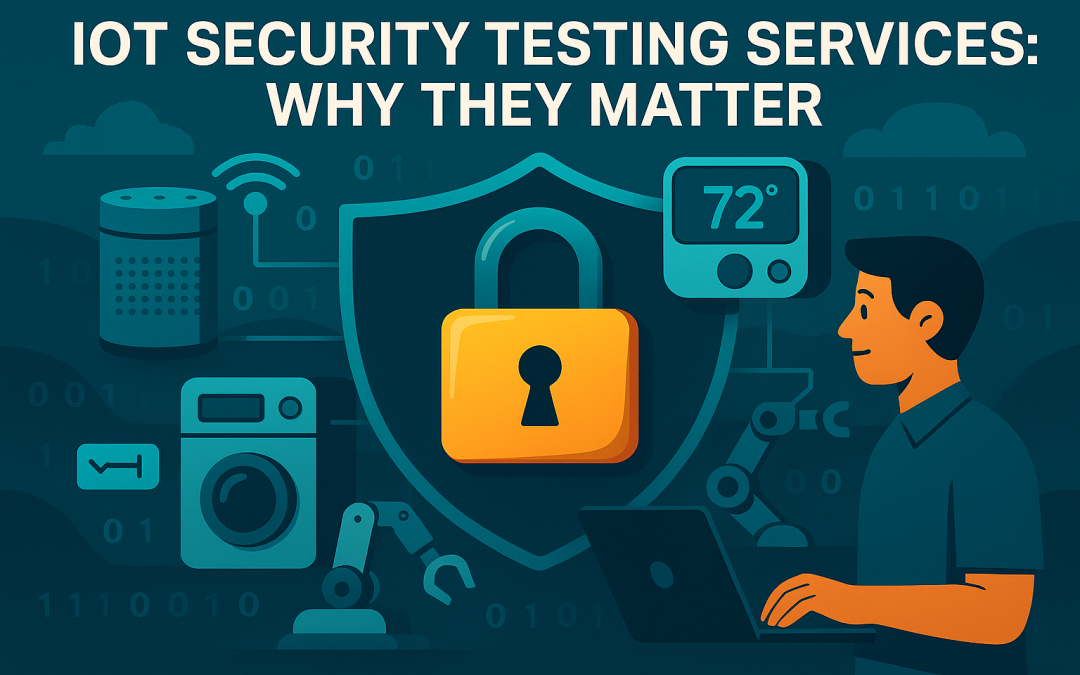
IoT Security Testing Services: Why They Matter

IoT Security Testing Services: Why They Matter

The number of Internet of Things (IoT) devices continues to expand dramatically, powering everything from smart homes to industrial systems. Market analysts project that tens of billions of connected devices will be in use within the next few years. But with this growth comes an expanded attack surface. Each device, connection, and software layer adds potential vulnerabilities, which can be exploited at scale.

From baby monitors to medical equipment and smart factories, incidents are no longer hypothetical – they are happening now. As security incidents targeting IoT rise, businesses face mounting pressure to address risks early and thoroughly. Testing has become essential for responsible development and deployment.

What is IoT security testing?

IoT security testing services focus on evaluating connected devices and their ecosystems to uncover weaknesses before attackers exploit them. Unlike traditional software testing, this process extends beyond applications into hardware, firmware, communication protocols, and backend infrastructure. A single device may contain a custom chip, third-party libraries, an operating system, a mobile app, and cloud-based APIs. Each layer must be checked not in isolation but as part of a bigger chain of trust.

The objective is not simply to compile a list of technical flaws. Effective testing validates whether identified issues can be chained into real-world attacks. Can an insecure Bluetooth pairing mechanism lead to whole device compromise? Could a weak firmware update channel allow remote hijacking of thousands of devices at once? By answering these questions, testing helps manufacturers, integrators, and operators improve their security and reduce exposure to long-term threats.

Key areas of IoT security testing

Because IoT devices sit at the intersection of hardware, software, and cloud, testing must address several critical areas.

  •  Device and firmware vulnerabilities: Hardcoded credentials, outdated libraries, or insecure boot mechanisms can give attackers direct entry points. Testing often reveals exposed debug interfaces or unencrypted firmware that attackers can extract and reverse-engineer.
  •  Communication protocols: Technologies like Wi-Fi, Bluetooth, Zigbee, or Thread are widely used but often misconfigured. Without proper encryption and authentication, these channels may leak sensitive data or be vulnerable to man-in-the-middle attacks.
  •  Linked mobile and web applications: Companion apps frequently store tokens, passwords, or sensitive configuration details. Weak storage practices or poor session handling may allow attackers to impersonate users.
  •  Cloud services and APIs: Devices rarely operate in isolation. Testing backend services ensures authentication, authorization, and data exchange remain secure under stress, especially in multi-tenant deployments.

By addressing all these layers together, organizations gain a holistic view of their security exposure and understand how attackers could pivot between weak points.

Benefits for companies

Investing in IoT security testing provides clear advantages beyond simple risk reduction.

  •  Prevention of data breaches: Discovering weaknesses early reduces the chance of exposing customer data, intellectual property, or operational control systems.
  •  Regulatory compliance: Many industries now demand proof of security controls, whether under GDPR, HIPAA, or consumer protection acts. Sector-specific standards, ranging from ETSI EN 303 645 to IEC 62443, are increasingly requiring proactive testing.
  •  Customer trust: Users are reluctant to adopt products that make headlines for the wrong reasons. Demonstrating security by design builds confidence and strengthens market positioning.
  •  Operational cost efficiency: Fixing vulnerabilities during the design phase is far cheaper than recalling products or mitigating a breach in production. Early testing prevents the spiraling costs of emergency patching, lawsuits, and brand damage.

For businesses delivering connected products, these benefits directly improve their market position.

Common testing methods

The methods used in IoT security testing vary depending on the scope and maturity of the device under review.

  •  Penetration testing: Specialists simulate realistic attack scenarios targeting the device, network, and applications. It helps measure resilience under practical conditions, rather than relying on theoretical checklists.
  •  Firmware analysis: Engineers extract and analyze firmware images, checking for hardcoded secrets, outdated components, or weak cryptography. They also review update mechanisms to confirm that only signed and verified code can be installed.
  •  Protocol fuzzing: By sending malformed or unexpected inputs across communication channels, testers uncover parsing errors, buffer overflows, or denial-of-service conditions. It is vital for low-level protocols like BLE or Zigbee.
  •  API and mobile app testing: Endpoints and apps are reviewed for common security gaps, including broken authentication, poor input validation, and insecure local storage.

These methods, when combined, provide a comprehensive picture of how secure – or insecure – an IoT ecosystem really is.

Choosing a testing partner

Not all providers deliver the same depth of expertise. Selecting the right partner ensures that testing results in actionable improvements.

  •  Comprehensive coverage: Effective providers cover hardware, software, mobile, and cloud rather than focusing on a single layer.
  •  Actionable reporting: Reports should go beyond technical jargon, highlighting exploitation potential, business impact, and clear remediation steps.
  •  Retesting capabilities: Security doesn’t end with a report. Retesting after fixes ensures that vulnerabilities are genuinely resolved and that no regressions have been introduced.
  •  Familiarity with standards: Providers with knowledge of frameworks such as NISTIR 8259, ETSI EN 303 645, or OWASP IoT Top 10 help align testing with recognized benchmarks.
  •  Experience in your sector: Medical, automotive, and industrial IoT all have unique threat models. A partner with relevant case studies can tailor the scope effectively.

The right testing partner becomes an extension of the product team, ensuring not only that vulnerabilities are identified but also that practical solutions are implemented.

Conclusion

IoT devices are no longer simple gadgets – they are critical components of modern life and business operations. Their connectivity and complexity make them valuable targets for attackers seeking to access data, control, or disrupt systems. By conducting IoT security testing services, organizations ensure that vulnerabilities are discovered and addressed before they turn into costly incidents.

For manufacturers, this leads to smoother compliance, stronger customer trust, and sustainable long-term growth. For operators and enterprises, it provides assurance that devices integrated into their networks are not silent liabilities. Security testing is not optional – it is a vital step for protecting reputation, meeting compliance requirements, and maintaining effective security.

More must-read stories from Enterprise League:

How to Run a Business with SEO- Levers That Matter and Providers That Help

How to Run a Business with SEO- Levers That Matter and Providers That Help

Running a business with search optimization means building a repeatable growth system that attracts qualified customers from search by aligning site quality, content, authority, and measurement with revenue goals. In practice, treat search optimization as a compounding engine operated through six levers: technical health (bots can reach, render, index), content/intent match (pages that solve the buyer’s job), authority & reputation (credible mentions and links), user experience/CRO (turn visits into leads), local presence (GBP + location relevance), and analytics (clean events and feedback loops). As the owner, you must run these levers on a 90-day cadence, tie them to KPIs like qualified leads and CAC, and bring in vetted partners only where they accelerate outcomes.

Building a successful online presence requires a strategic SEO approach that delivers consistent results. SEO Affordable services help businesses improve search visibility, attract qualified traffic, and strengthen their digital foundation through effective keyword optimization, quality content, technical improvements, and ethical SEO practices. By choosing a cost-effective SEO solution, businesses can achieve sustainable growth and compete more effectively in today’s digital marketplace.

The Business Owner’s Search Optimization System at a Glance

Core levers (what you control):

  •  Technical accessibility: Crawlability, indexation, page speed, structured data, and internal linking.
  •  Content & intent: Pages that answer your buyers’ queries at each stage of the funnel.
  •  Authority signals: Earned mentions/links from relevant publications and communities; consistent brand references.
  •  Experience & conversion (CRO): Clear value proposition, fast UX, frictionless forms, social proof, and trust signals.
  •  Local search presence: Google Business Profile (GBP), NAP consistency, localized pages, reviews.
  •  Analytics & feedback: Clean events, goals, and dashboards to inform decisions and budget reallocation.

Operating disciplines (how you control them):

  •  Roadmap: 90-day sprints with measurable deliverables.
  •  Cadence: Weekly shipping (content), monthly remediation (tech), quarterly strategy resets.
  •  Resourcing: Blend in-house and specialized vendors; keep ownership of data and CMS access.
  •  Governance: KPIs tied to revenue (leads, sales), not just rankings.

Lever 1: Technical Foundations

Why it matters: Search engines must reach, render, and understand your pages.

Owner checklist:

  •  Fix crawl blocks; ensure a clean XML sitemap and sensible robots.txt.
  •  Resolve index bloat (no-value pages), duplicate content, and orphan pages.
  •  Improve Core Web Vitals and server responsiveness.
  •  Add structured data (Organization, Product/Service, FAQ, Review) where appropriate.
  •  Build an internal linking map (hub → spoke), especially to money pages.

Vendor types that help: technical SEO specialists, site performance consultants, and agencies with dev-ops fluency.

Lever 2: Content That Matches Buyer Intent

Why it matters: Search success happens when content answers the searcher’s job better than alternatives.

Owner checklist:

  •  Map topics to funnel stages: problem → solution → comparison → proof → action.
  •  Use search intent cues (SERP features, “People also ask”) to shape structure.
  •  Publish consistently: service pages, city/location pages, guides, comparisons, FAQs, case studies.
  •  Enforce editorial QA: claims, sources, and unique visuals.

Vendor types that help: content strategy studios, niche writers, and design teams for infographics and product imagery.

Lever 3: Authority & Reputation (Digital PR)

Why it matters: Quality references from relevant sites indicate credibility and help discovery.

Owner checklist:

  •  Pursue editorial placements (industry blogs, associations, local media) with genuine context.
  •  Contribute expert quotes (HARO-style platforms), sponsor relevant events, and publish data studies.
  •  Build partnerships: chambers of commerce, schools, nonprofits, suppliers.
  •  Standardize how you evaluate a link/mention: relevance, context, and brand safety over raw metrics.

Vendor types that help: digital PR firms, outreach specialists, sponsorship brokers, thought-leadership editors.

Lever 4: UX & Conversion (Turn Visits into Revenue)

Why it matters: Rankings without conversion waste budget.

Owner checklist:

  •  Clear primary CTA (“Book a consult,” “Get a quote”) above the fold; remove form friction.
  •  Use testimonials, certifications, guarantees, and pricing guidance.
  •  A/B test headlines and forms; monitor scroll depth and completion rates.
  •  Implement call tracking and CRM integration to close the loop.

Vendor types that help: CRO consultants, landing-page specialists, analytics implementers.

Lever 5: Local Search Visibility and Reviews

Why it matters: For service businesses, local visibility drives high-intent leads.

Owner checklist:

  •  Optimize Google Business Profile: categories, services, photos, products, posts.
  •  Exact NAP consistency across directories; build localized pages with unique value.
  •  Implement a review acquisition playbook and reply to every review.

Vendor types that help: local search agencies, listings management tools, and reputation platforms.

Lever 6: Analytics, QA, and Risk Management

Why it matters: Decisions rely on trustworthy data.

Owner checklist:

  •  Implement GA4 events for leads (forms, calls, chats) and ecommerce (if relevant).
  •  Use UTM standards across all paid and partnership channels.
  •  Create anomaly alerts and a “broken funnel” checklist; run periodic QA with controlled traffic.

Vendor types that help: analytics engineers, marketing ops, and controlled-traffic providers.

Providers That Small Businesses Commonly Use (Including SparkTraffic)

Below are representative categories and examples. Always pilot before scaling.

Strategy & Full-Service Agencies

  •  NP Digital, WebFX, Ignite Visibility integrated search + content + PPC + CRO.

Search-First Specialists

  •  Victorious, Siege Media technical optimization, content strategy, and editorial link earning.

Digital PR & Authority

  •  Stacker Studio, Veracity, Journey Further data stories and earned media.
  •  Expert-sourcing platforms: Featured (ex-Terkel), Qwoted for quoted mentions.

Distribution & “Organic-Style” Traffic

  •  Outbrain, Taboola, Revcontent content discovery networks on publisher sites.
  •  Paved, BuySellAds newsletter and niche site sponsorships.

Controlled Traffic & QA (Launch/Instrumentation)

  •  SparkTraffic programmable visit flows to validate analytics, test funnels, and simulate patterns.

Fit guidance: Pair strategy/search specialists for compounding growth, use PR/sponsorships for authority, discovery/newsletters to reach new audiences, and controlled traffic for QA not as a replacement for real demand.

Due Diligence Before You Buy Anything

  •  Request sample placements or publisher lists; verify audience relevance and brand safety.
  •  Inspect post-click metrics (time on page, scroll, conversions), not just “visits.”
  •  Ask about fraud detection and bot filtering; require access to placement controls.
  •  Start with pilot budgets and a success threshold (e.g., engaged sessions per dollar, qualified lead rate).
  •  Calibrate expectations by reading independent perspectives including searches like SparkTraffic review, Outbrain review, Taboola review, Revcontent review, Paved review, and BuySellAds review and then run your own controlled tests.

Opinion: Buying Links or Driving Traffic Isn’t Automatically “Bad”

A balanced, practical view for owners:

  •  Paid editorial placements (sponsored content, legitimate advertorials, event partnerships) are standard marketing tools when disclosed and context-relevant. They can seed early awareness and diversify your footprint while earned media ramps.
  •  Controlled traffic is a valid quality-assurance instrument: it exposes tracking gaps, validates conversions, and stress-tests funnels before you commit large ad budgets.
  •  Google Ads can deliver speed, but in many competitive niches, CPCs are high, and short-term ROI can be volatile. Sometimes a portfolio that mixes search optimization, PR, sponsorships, and controlled traffic is cheaper and more reliable in the first 30-60 days. In other cases, ads win early the point is to test and measure.

Treat these tools as portfolio levers. Ethics and effectiveness depend on relevance, transparency, and measurement not on blanket labels.

A 90-Day Owner’s Playbook (Ship Fast, Measure, Iterate)

Days 0-30 Fix & Instrument

  •  Technical audit: indexation, CWV, internal links, schema.
  •  Analytics QA: events for leads, call tracking, CRM integration, UTM standards.
  •  Publish or upgrade 5-10 core pages (services, categories, top FAQs).
  •  Implement review request flows; optimize GBP.
  •  If using controlled traffic, schedule flows to test funnels and alerting.

Days 31-60 Build & Promote

  •  Ship weekly content (guides/comparisons/case studies); add internal links.
  •  Launch two PR angles (data study + expert commentary) and two sponsorship pilots (newsletter or niche site).
  •  Test discovery network placements with 4-6 headline/image combos.
  •  Run CRO tests on the highest-value pages (headline/CTA/form fields).

Days 61-90 Scale Winners & Systematize

  •  Double down on content formats with the highest engagement time and lead rate.
  •  Expand partnerships that passed your CAC threshold; sunset weak placements.
  •  Formalize a quarterly roadmap, budget, and KPI targets with owners and vendors.

KPIs That Connect Search to the Business

North-star metrics:

  •  Qualified leads, booked calls, closed-won revenue.

Leading indicators:

  •  Non-brand impressions and CTR for priority queries.
  •  Engaged sessions and scroll depth on money pages.
  •  Referring to domain quality and topical relevance.

Diagnostics:

  •  Index coverage errors, CWV regressions, and internal link orphaning.
  •  Form-error rates and drop-offs; call answer rates.

Risk, Compliance, and Brand Safety

  •  Disclose sponsored placements where required; avoid deceptive practices.
  •  Prioritize contextual relevance over raw metrics like DR/DA.
  •  Maintain a link/placement log with source, context, and rationale.
  •  Own your accounts and data; avoid vendor lock-in.

Owner Takeaways

  •  Search optimization is a system, not a trick: fix tech, publish for intent, earn authority, measure honestly.
  •  Use vendors to scale capacity, not to outsource accountability.
  •  Buying links/traffic is about how and why be transparent, relevant, and data-driven.
  •  Pilot, measure, and allocate budget to the highest engaged sessions per dollar.

FAQ

1) How fast can search optimization impact my pipeline? Foundational fixes and strong content can show leading indicators in 4-8 weeks; meaningful lead growth often appears in 3-6+ months, depending on competition and content velocity.

2) Does buying sponsored posts or traffic harm rankings inherently? Keep placements relevant, disclosed, and brand-safe. Use controlled traffic for QA, not as a ranking shortcut. Avoid low-quality networks and undisclosed link schemes.

3) Should I pick one vendor for everything? Not necessarily. Many owners combine a strategy/search partner with PR/sponsorship support and a controlled-traffic tool for QA. Keep reporting centralized and KPIs consistent.

4) How much should I budget to start? Plan a 90-day test: $3k-$10k/month for optimization/content/PR depending on scope, plus pilot spends for discovery/newsletters and a modest controlled-traffic plan for instrumentation. Scale winners; sunset losers.

    More must-read stories from Enterprise League:

    What Are the Top-Rated IT Services for Small Businesses in Central Pennsylvania?

    What Are the Top-Rated IT Services for Small Businesses in Central Pennsylvania?

    Small-business owners face many challenges as their companies grow. While marketing efforts may improve and revenue increases, maintaining proper IT security can seem daunting without dedicated in-house technical expertise. Business owners looking to strengthen their digital infrastructure can benefit from exploring the leading IT service providers in Central Pennsylvania. The top companies in the region offer comprehensive protection and peace of mind for businesses operating online.

    How to choose the right IT services for your small business

    When selecting an IT services provider, small organizations should focus on finding essential solutions that create a strong technical foundation. Cloud services and management are crucial components that ensure data is securely stored and backed up regularly.

    Network monitoring is another critical service. IT professionals actively watch client networks to identify and address potential security threats quickly. Support teams can also assist with system installations, ongoing maintenance, and staff training on new software platforms. The specific services needed will vary based on each business’s operations and requirements.

    Leading IT service providers in Central Pennsylvania

    Small businesses in central Pennsylvania have access to several highly-rated IT service providers. Here’s an in-depth look at the top companies and what makes them stand out.

    1. Kirbtech

    Kirbtech stands out as a leading provider of comprehensive IT support in Pennsylvania. The company offers a wide range of services tailored for smaller operations, including cloud management and server support. Their team specializes in addressing small-business needs, implementing effective threat detection systems, developing incident response plans, and maintaining strong security measures over time.

     Key features

    • Dedicated small business focus
    • Comprehensive cloud solutions
    • Proactive security monitoring
    • Responsive support team
    • Customized service packages

    2. Computition

    Small-business owners appreciate Computition’s hands-on approach to IT services. Their team provides both on-site and remote support to protect growing companies from cyber threats. When security incidents occur, their quick response times help minimize potential damage and get systems back online efficiently.

     Key features

    • Fast response times
    • On-site and remote support options
    • Industry-specific security solutions
    • Regular system maintenance
    • 24/7 monitoring services

    3. Airiam

    Airiam has earned its reputation as a top IT services provider in Central Pennsylvania through consistent, high-quality service. Their advanced threat detection systems and comprehensive management solutions allow business leaders to focus on core operations while maintaining strong cybersecurity practices.

    Key features

    • Multi-layered security approach
    • Comprehensive threat monitoring
    • Customized management solutions
    • Regular security assessments
    • Dedicated account management

    4. GDC IT Solutions

    Small businesses partner with GDC IT Solutions when they need complete technical support that enhances workplace efficiency. Their team handles help desk support, creates customized service packages, and provides continuous network monitoring, allowing internal staff to concentrate on their primary responsibilities.

     Key features

    • Full-service help desk
    • Custom service portfolios
    • Network monitoring
    • Employee training programs
    • Scalable solutions

    Essential questions for your IT consultation

    When meeting with potential IT service providers, asking the right questions helps ensure you select the best partner for your business. Here are key topics to discuss during consultation appointments.

    What industry-relevant experience does this company have?

    IT providers work across various sectors, and industry-specific experience can be invaluable for preventing cyber threats. For example, providers may know that e-commerce businesses need stronger protection against payment fraud, while healthcare organizations require special attention to HIPAA compliance and patient data security. This knowledge helps them create targeted protection strategies.

    Is the area prone to cyberattacks?

    Geographic location can influence cybersecurity risks. For instance, Harrisburg’s Office of Attorney General experienced a cyberattack in early August 2025, highlighting the risks to organizations handling sensitive information. Understanding regional threat patterns helps determine appropriate security measures for your business.

    What is the pricing arrangement?

    Understanding cost structures is crucial when selecting an IT service provider. Different pricing models may include per-user fees, monthly subscriptions, or flat-rate packages. Small businesses must carefully consider their budget constraints while ensuring they receive adequate protection and support.

    Securing your business with professional IT support

    Finding the right IT services provider in Central Pennsylvania requires careful consideration of each company’s offerings, pricing structures, and experience with industry-specific challenges. By selecting an IT partner that aligns with your business needs and budget, you can establish strong digital security measures that protect your company and customer data effectively.

    More must-read stories from Enterprise League:

      6 Companies Shaping The Future Of Industrial Asset Tracking And Driving Innovation

      6 Companies Shaping The Future Of Industrial Asset Tracking And Driving Innovation

      Industrial operations depend on knowing where equipment, tools, and materials are at all times. New tracking systems now make it possible to monitor these assets with greater accuracy and efficiency than ever before. Looking at the companies leading this technological advancement shows how asset tracking capabilities continue to improve.

      This article examines several organizations that play a key role in developing and implementing these solutions. It also explores the technologies that power modern tracking systems and the benefits and challenges that come with them.

      1) Zebra Technologies

      Zebra Technologies creates tracking solutions that help companies monitor equipment, tools, and inventory. It provides barcode scanners, RFID tags, and mobile computing devices that enable real-time asset visibility.

      Its RFID technology allows organizations to locate items quickly and reduce manual tracking errors. Many industries, including manufacturing and logistics, use these systems to improve efficiency and accuracy.

      Zebra also offers software that integrates asset data into enterprise systems. This helps businesses analyze usage patterns, manage maintenance schedules, and reduce downtime.

      The company continues to enhance its solutions with cloud-based platforms and analytics tools. These additions give users more control over their assets and help them make informed decisions about operations.

      2) Samsara

      Samsara offers connected operations platforms that help companies track and manage physical assets in real time. Its solutions combine hardware devices with cloud-based software to provide visibility into equipment, vehicles, and other critical resources.

      The company’s asset tracking tools allow managers to monitor location, usage, and performance data. This helps reduce downtime, improve maintenance planning, and increase efficiency in daily operations.

      Samsara also includes safety and compliance features in its platform. By providing data on driver behavior, equipment status, and environmental conditions, it supports both productivity and regulatory needs.

      Many industries use Samsara, including transportation, construction, and manufacturing. Its flexible system enables tracking of both mobile and fixed assets across large and distributed operations.

      3) Honeywell

      Honeywell develops asset tracking solutions focused on improving visibility and efficiency in industrial operations. The company combines hardware, software, and data platforms to help organizations monitor equipment and materials in real time.

      Its tracking systems often use barcode scanners, RFID technology, and mobile devices. These tools allow workers to locate assets quickly and reduce the risk of misplaced or underused equipment.

      Honeywell also provides software platforms that connect data from multiple sources. This helps managers analyze asset usage, schedule maintenance, and plan inventory more effectively.

      The company’s solutions serve sectors such as manufacturing, logistics, and energy. By combining durable devices with cloud-based tools, Honeywell supports both on-site and remote asset management.

      With extensive industrial technology experience, Honeywell continues to improve its asset tracking capabilities to meet complex operational needs.

      4) Trimble Inc.

      Trimble Inc. specializes in positioning, modeling, and connectivity technology. It creates tools that help industries track assets with precision and efficiency. Its solutions typically combine hardware, software, and cloud-based platforms.

      The company provides GPS-enabled devices and systems that allow businesses to monitor equipment and materials in real time. These tools help reduce downtime and improve asset utilization. Trimble’s technology serves construction, agriculture, and transportation sectors.

      Trimble also incorporates data analytics into its asset tracking systems. This gives companies insights into performance, location, and usage patterns. Using this data, businesses can make informed decisions about maintenance and operations.

      Its platforms work across different types of assets, from heavy machinery to smaller equipment. This flexibility makes Trimble practical for industries with varied tracking needs.

      5) Impinj

      Impinj creates radio-frequency identification (RFID) solutions that help companies track and manage physical assets. Its platform connects items to digital systems using small RFID tags and readers. This allows organizations to identify, locate, and monitor assets in real time.

      The company’s technology supports industries such as manufacturing, logistics, and healthcare. By using RFID tags, businesses can reduce manual tracking and gain more accurate data about their equipment and inventory.

      Impinj offers various products, including endpoint ICs, readers, and gateways. These tools work together to provide visibility into the movement and status of items across facilities.

      Many businesses use Impinj’s systems to improve efficiency and reduce errors in asset management. The ability to quickly scan and identify multiple items at once makes RFID effective for large-scale operations.

      Impinj continues to develop its platform for broader industrial applications. Its focus on scalable solutions makes it significant in the industrial asset tracking market.

      6) Metalphoto of Cincinnati

      Metalphoto of Cincinnati (MPC) specializes in durable identification solutions for industrial environments. The company has decades of experience producing labels, nameplates, and panels that withstand harsh conditions.

      MPC’s process embeds images and data into anodized aluminum, creating labels that resist abrasion, UV exposure, and chemicals. This makes them suitable for long-term use in industries such as aerospace, defense, and manufacturing.

      A key strength of MPC is its ability to produce custom metal tags for equipment that are barcode-ready. These labels remain scannable and legible even after years of heavy use, helping companies track assets with accuracy.

      By combining durability with data-capture features, MPC enables reliable asset management. Its products give organizations a way to maintain clear identification in environments where standard labels may fail.

      Key technologies powering industrial asset tracking

      Industrial asset tracking relies on connected devices, centralized data platforms, and precise location tools. These technologies allow companies to monitor equipment, reduce downtime, and improve planning with accurate, real-time information.

      IoT and sensor integration

      IoT devices and sensors collect data directly from equipment, tools, and vehicles. They measure key factors such as temperature, vibration, pressure, and movement. This data helps companies detect early signs of wear or failure.

      Sensors also provide usage patterns that guide maintenance schedules. For example, vibration sensors on motors can show when parts need service before a breakdown occurs. This reduces unplanned downtime and extends the lifespan of assets.

      A wide range of sensors is used, including:

      •  RFID tags for basic identification
      •  GPS trackers for mobile assets
      •  Environmental sensors for monitoring conditions

      By combining these devices, companies create a network that delivers continuous visibility into asset health and performance.

      Cloud-based data management

      Cloud platforms store and process the large volume of data generated by IoT devices. This makes information accessible across multiple facilities and teams without relying on local servers.

      Centralized storage supports faster analysis and reporting. Companies can set automated alerts, create dashboards, and share insights instantly. For example, managers can check asset status from a web portal or mobile app.

      Cloud systems also improve scalability. As more sensors and devices are added, storage and processing capacity can expand without major infrastructure changes. This flexibility supports both small-scale pilots and enterprise-wide rollouts.

      Security features such as encryption and role-based access help protect sensitive operational data. This ensures that only authorized users can view or change asset information.

      Real-Time Location Systems (RTLS)

      RTLS provides precise tracking of assets within defined spaces such as warehouses, factories, or yards. Unlike GPS, which is less reliable indoors, RTLS uses technologies like Ultra-Wideband (UWB), Wi-Fi, or Bluetooth Low Energy (BLE).

      These systems locate items down to specific zones or even individual shelves. This reduces time spent searching for tools or equipment and improves workflow efficiency.

      RTLS also supports safety. For example, it can track forklifts to prevent collisions or monitor restricted areas to ensure compliance.

      Accuracy levels depend on the technology used:

      •  UWB: within 10–30 cm
      •  BLE: within 1–3 meters
      •  Wi-Fi: within 3–5 meters

      By combining RTLS with IoT sensors and cloud platforms, companies gain both location and condition data, creating a complete view of asset status.

      Benefits and challenges of modern asset tracking

      Modern asset tracking improves how companies manage equipment, reduces downtime, and control costs. At the same time, it raises concerns about system security, data handling, and the ability to scale across large industrial sites.

      Operational efficiency gains

      Asset tracking systems give managers real-time visibility into equipment location and usage. This reduces the time workers spend searching for tools or machines and helps prevent losses. By knowing where assets are, companies can schedule maintenance more effectively and avoid unexpected breakdowns.

      Automated alerts and digital records also replace manual checklists. This reduces errors and ensures compliance with safety or maintenance standards. Workers can focus on production tasks instead of paperwork.

      Key benefits include:

      •  Faster asset retrieval
      •  Lower downtime
      •  Improved maintenance planning
      •  Reduced equipment loss

      These improvements lead to cost savings and better use of labor across industrial operations.

      Data security considerations

      Tracking systems collect large amounts of data, including asset movement, usage patterns, and maintenance history. If not protected, this data can expose sensitive information about production processes or facility operations.

      Unauthorized access may lead to theft, disruption, or misuse of company resources. To reduce risks, companies use encryption, access controls, and secure networks. Regular audits also help identify weak points in the system.

      Important practices include:

      •  Role-based access control to limit who can view or change data
      •  Encryption for data stored and transmitted
      •  Network monitoring to detect unusual activity

      Without proper security measures, the benefits of asset tracking may be compromised by vulnerabilities.

      Scalability in industrial environments

      Industrial sites vary in size, layout, and equipment density. A system that works well in a small facility may struggle in a large plant with thousands of tracked items. Scalability becomes critical when expanding operations or integrating new technologies.

      Companies must consider network coverage, hardware compatibility, and data storage needs. Cloud-based solutions often make scaling easier, but they require reliable connectivity. In contrast, local systems may handle poor network conditions but can be harder to expand.

      Factors that affect scalability include:

      •  Number of assets tracked
      •  Geographic spread of facilities
      •  Integration with existing systems
      •  Ongoing maintenance requirements

      Choosing the right approach ensures that asset tracking remains effective as operations grow.

      More must-read stories from Enterprise League:

      What Is the Best Way to Buy UV Protection Shade Structures for Parking Lots

      What Is the Best Way to Buy UV Protection Shade Structures for Parking Lots

      Parking lots are often exposed to intense sun, creating challenges for both business owners and customers. UV protection shade structures for parking lots are engineered solutions that provide shelter from harmful rays while keeping vehicles cooler. These are more than just fabric canopies they are investments in customer satisfaction, property protection and long-term sustainability.

      For business owners, the best way to buy UV protection shade structures for parking lots involves understanding their benefits, evaluating suppliers and weighing costs against long-term returns. With proper planning, you can improve both functionality and the overall image of your business.

      Why invest in uv protection for parking lots?

      The impact of unshaded parking on customer behavior and property maintenance is significant. Smart investment in UV protection shade structures for parking lots provides clear benefits.

      1. Temperature reduction

      Shade structures can lower vehicle interior temperature by up to 40 degrees Fahrenheit, making parking lots safer and much more comfortable. Customers appreciate stepping back into a cooler car rather than a sweltering one. They will be more likely to return to your lot, stay longer and recommend it to others.

      2. Vehicle protection

      By blocking up to 96% of harmful UV rays, fabrics like HDPE (high-density polyethylene) help prevent fading paint, cracking upholstery and brittle interiors. This means fewer complaints, better customer satisfaction and less liability for businesses. Customers will feel more confident about leaving their cars at your location.

      3. Parking lot protection

      Asphalt pavements, commonly used in parking lots, can deteriorate from prolonged UV exposure. This can turn the lot surface brittle, leading to cracking and potholes. Unshaded asphalt can reach extremely high temperatures, softening it, making it more vulnerable to traffic damage and rutting.

      Shade structures reduce heat absorption and slow down this process, leading to lower maintenance and repair costs over time.

      4. Energy savings and sustainability

      Cooler cars use less air conditioning, which reduces fuel consumption and emissions. With more electric vehicles (EVs) on the road, shaded parking areas work well with EV charging stations. Batteries take longer to charge in hot weather because the vehicle is also using energy to cool the car, so providing effective shade can speed up charging times. It also protects against thermal runaway in EVs. This shows customers your business cares about environmental responsibility.

      Adding shade structures to your property also helps earn LEED certification points and meet green building standards. Some structures include solar panels, which can supply clean energy to your business.

      5. Integration with other technologies

      Many shade structures can include lighting systems such as LED or fluorescent lighting. Smart lighting options such as motion sensors are also available. Adding lighting will enhance safety and security on your lot and allow extended hours of operation.

      Security cameras and alarms can also be integrated, giving customers added confidence that their vehicles will be safe in your care.

      6. Enhanced aesthetics

      Well-designed structures improve the appearance of your parking lot, creating a more inviting environment for visitors and potentially increasing its value.

      What are the best uv shade structures for parking lots?

      Now that you understand the benefits of providing shaded parking, you’ll need to carefully consider which provider to use. Here are the top seven companies in this field, all of which can provide custom parking lot solutions.

      •  VPS

      VPS is the market leader in engineered parking protection, providing UV protection shade structures for parking lots, car dealerships, schools, car rental facilities and commercial properties. With decades of experience, the company has built a nationwide reputation for innovative design, durability and custom-focused service. Turnkey project management includes custom shade structure design, fabrication, installation and maintenance.

      With extensive capabilities to provide solutions at scale, VPS combines advanced engineering with a consultative approach, offering tailored solutions and industry-leading warranties. Its permanent shade structures are manufactured in the U.S. and designed to maximize UV protection, reduce heat and enhance property value. VPS uses HDPE mesh for its structures for optimum UV blocking.

      •  Shade Structures USA

      Shade Structures USA provides commercial shade structures for outdoor spaces, including parking lots. They are available in a variety of different shapes and sizes and can incorporate integrated lighting and screen printing. There is also a choice of mounting options. Structures and canopies are available in over 30 colors to suit the aesthetics of the lot.

      Structural frames are backed by a 5-year warranty and canopies have a 2-year warranty. The company installs shades across Washington D.C., Virginia and Maryland or ships nationwide.

      •  Superior Shade

      Superior Shade offers over 1,000 standard structures and can also manufacture custom designs for any space. Clients include car washes, parking lots, car dealerships and airport parking facilities. Cantilever shades maximize space, while dome hip shades in square or rectangular shapes can be a cost-effective solution.

      The company provides on-site consultations to evaluate sun patterns and client needs before producing a site plan covering engineering, shipping and installation. Shades are manufactured in Carrollton, GA.

      •  Poligon

      Poligon designs and engineers custom shade solutions that are durable, building-code compliant and detailed for easy installation. A 10-year warranty provides peace of mind and the company will design according to your own ideas.

      Poligon is primarily known for shade structures over playgrounds and outdoor gathering spaces, but the company also provides parking lot solutions. Custom branding and architectural integration make the company stand out.

      •  Apollo Sunguard

      Apollo Sunguard specializes in custom-built commercial shade structures across the United States. Clients include commercial spaces, parking lots, amenity centers, parks and sports venues. The company provides a warranty covering the fabric for 15 years and the steel frame for 20 years. A quick-release system makes it easy to remove the shades during extreme weather events.

      For parking lots, Apollo Sunguard offers 17 cantilever design options and 11 steel frame colors. Based in Florida but operating nationwide, the company is a recognized service-disabled veteran-owned small business.

      •  Shade’n’Net

      Shade’n’Net provides all-in-one engineering, manufacturing and installation of shade structures for schools, parks, parking lots and civic buildings. The family-owned company delivers complete solutions on any style, with nationwide installation. It offers single or multi-bay layouts, cantilever designs and solar-integrated options.

      Shades are available in a variety of standard or custom color options and are designed to fully meet local building codes. The company provides support for architectural review and permitting and will coordinate installation with your build timeline.

      •  Shade Systems

      Shade Systems designs, manufactures and installs shade structures for playgrounds, pools, schools, parking lots, hotels and car washes. Its hurricane-rated steel frame and UV-resistant fabrics come in many architectural styles and are available with night lighting features. Built for minimal maintenance, the items are made in Florida and boast 20-year and 10-year warranties on frames and fabric, respectively.

      Project management services ensure that shades are installed on time and in line with local building codes, and the company’s patented canopy removal system allows for fast and easy removal and reattachment.

      How to Choose a Parking Lot Shade Provider

      Selecting the right supplier is important if you want your project to be cost-effective, professionally installed and durable. But what is the best way to buy UV protection shade structures for parking lots? The answer is research. Compare providers across several criteria: 

      Consideration

      What to Look For

      Why It Matters

      Material quality and UV rating

      Fabrics like HDPE with UV stabilization, blocking up to 96% of rays

      Ensures durability, maximum protection and reduced vehicle fading

      Customization and design

      Options for single-bay, cantilever or multi-bay designs with color and style choices

      Aligns with branding and site layout and gives a good impression to customers

      Installation expertise

      Experienced teams with project management capabilities

      Prevents costly errors, ensures safety and minimizes downtime

      Warranty and maintenance

      Long-term warranties — 10-20 years on fabric and 20+ on steel

      Provides peace of mind and lowers long-term costs

      Compliance and certifications

      Meets ASTM standards, fire safety codes and local ordinances

      Protects your business from liability and ensures approvals

      After-sales support

      Inspection, repair and maintenance services

      Extends structure lifespan and ensures continued performance

      A trusted supplier should be able to provide case studies, references and clear project timelines. The best way to buy UV protection shade structures for parking lots is to partner with a company that offers not only quality products but guidance and service for years to come.

      Cost Considerations and ROI

      The initial cost of UV protection shade structures can feel substantial, but the long-term ROI often outweighs this. 

      • Upfront costs: Prices vary based on size, materials and design complexity. While prefabricated structures may be cheaper, customized options typically deliver better long-term value.
      • Savings and ROI: Savings on lot maintenance plus enhanced customer loyalty often translate into tangible returns. Shaded parking can even increase property value, as businesses with upgraded facilities often command higher rents and attract premium tenants. 
      • Differentiation: Shades mark out your lot as superior to its competitors. Businesses that install EV charging stations under canopies further differentiate themselves in the marketplace. 

      When weighing costs, think beyond the initial investment and assess the value of decades of ground protection and customer goodwill that a high-quality UV protection shade structure may deliver. 

      Case Studies

      To see the benefits of UV shade structures in action, take a look at Dallas-Fort Worth Airport. With travelers frequently leaving vehicles at an airport for extended periods of time, shaded parking carries a premium. The airport invested in freestanding cantilever structures for 3,200 spaces at its Express North area. 

      Its innovative design leaves plenty of walking and driving space while the eXtreme 32 fabric, certified for durability, protects vehicles from UV rays that can overheat and damage cars. Dallas frequently has severe hailstorms, so the structure also protects vehicles from hail damage. 

      When full, the covered parking spaces bring in an extra $16,000 per day and offer DFW a competitive edge in the parking sphere. 

      Elsewhere, the Frederick-Firestone Fire Protection District in Colorado invested in cantilever shade structures to shield its emergency vehicle fleet. A covered parking solution ensured that these high-value vehicles remain mission-ready at all times, protected from heat and damaging UV rays that could interfere with their critical equipment. 

      In the scorching heat of Palm Desert, CA, Pointe Monterey Business Park also opted for cantilevered shade structures with inbuilt lighting, covering 90 parking spaces. Offering this for tenants and their customers increased the park’s marketability and is a point of differentiation in the crowded commercial real estate market. 

      Installing UV Protection Shade Structures

      With the right provider, installation can be simple and seamless. As a general rule, the installation process follows these steps:

      1. Initial consultation and site assessment: After discussing your needs, an inspection will determine the site’s soil type, drainage, sun patterns and wind exposure. This will establish the optimal location and orientation for the structure. 
      2. Design and engineering: You will select a pre-engineered model or your provider will develop a custom design, ensuring that it meets local building codes and regulations and that any necessary permits are obtained.
      3. Foundation preparation: The site will be excavated and foundations prepared with concrete footings or other options. This ensures proper drainage and soil compaction.
      4. Frame erection: The steel or aluminum frame is assembled, ensuring proper alignment and leveling, with components welded or bolted together.
      5. Fabric installation: The fabric is attached to the frame using cables, clamps or other fastening systems. It is tensioned to ensure a smooth, wrinkle-free surface and inspected for any defects or issues. 
      6. Final inspection and adjustments: After ensuring that all safety requirements are met, the installer will clear the site and remove any debris and provide you with a final inspection report and warranty information. 

      How Much Maintenance Do Shade Structures Need?

      It’s recommended that you inspect at least quarterly for fabric tears, frame damage, loose fasteners, corrosion or other issues.

      Fabric can be cleaned annually, biannually or as required. Your provider will advise you on how best to clean the fabric, but common methods include hosing down or pressure washing using mild detergents. 

      Seasonal maintenance may include removing debris such as leaves, branches or bird droppings. Some parking lots remove the fabric during winter months, but this would depend on your typical weather conditions. Most shades are durable enough to remain in place through snow and wintry weather.

      Invest in Shade Structures for a Bright Future

      UV protection shade structures for parking lots safeguard vehicles, improve customer comfort and support sustainability goals. By investing in shade, you can choose a solution that balances costs with long-term ROI while enhancing your business reputation.

      More must-read stories from Enterprise League: