
Growing Cities Come with Growing Risks

Growing Cities Come with Growing Risks

Cities are constantly changing. Many USA residents are constantly moving in search of better employment and higher education so you’ll often see neighbours transforming and communities expanding.

Naturally, the higher the population, the more benefits for locals. That means more employment opportunities for locals, better business and overall better quality of life. However, alongside these benefits, it’s also important to address the downsides of such a high number of people.

With more people, it also means more room for hazards and risks and we’ll talk a bit more about that in the next paragraphs. When you have so many people sharing the same space, it means more people on the road and an increased likelihood of traffic jams, which just make everything more frustrating.

Undeniably so, urban growth creates excitement and progress, but it also comes with responsibility. City planners and local authorities all play a role in keeping everyone safe. Everyone needs to work together to create a safe and liveable environment for everyone. Residents also play a role in this and they also need to do their fair share of the work.

That’s why it’s always good to be aware of the most common risks. Let’s take a look at what the most common problems the expanding cities face and how to deal with them.

Understanding the risks in expanding cities

With expanding communities, the patterns of urban life change dramatically. That means more vehicles on the roads, new construction projects, and generally more movement around the city.

Unfortunately, this also means that accidents, both minor and severe, become more common.

According to the National Highway Traffic Safety Administration, pedestrian accidents alone accounted for over 7,000 deaths nationwide in 2023, highlighting the dangers in increasingly busy urban areas. Motor vehicle accidents also increase in frequency.

Expanding cities also face challenges like aging infrastructure and insufficient safety measures for pedestrians and cyclists. Most often, separate lanes for pedestrians and cyclists are not a priority and smaller cities rarely invest in proper infrastructure.

While growth brings more commerce and housing, it also requires careful planning to ensure that all residents remain safe.

The main risks that come with growing cities

So, as an expanding city, what types of issues might you come up against? That’s what we want to take a closer look at.

The list extends beyond what we’ve noted here but we’ve tried to put focus on the top 3 hazards that most expanding communities face.

1. Traffic accidents

Perhaps the most immediate and visible risk in a growing city is traffic accidents. More people on the road means more chances for collisions unfortunately. For instance, some cities such as Houston, Texas and Mesa, Arizona have seen rapid suburban expansion over the past decade.

A notable trend in these new neighborhoods and shopping areas shows that as more drivers share the same streets, the chances for collisions increase as those roads were not primarily built for such high volumes of traffic.

Pedestrian accidents are also a major concern. Unlike car accidents, pedestrian accidents are not talked about that often but they’re also an important topic to be addressed.

When sidewalks, crossings, and traffic signals aren’t fully adapted to the city’s growth, people on foot become highly vulnerable. Residents and visitors alike need to be careful when crossing the street, especially in busy downtown areas or near schools.

Local authorities also need to take responsibility and ensure proper lighting. Additionally, pedestrians should be encouraged to contact a pedestrian accident lawyer to assess the situation and take over the negotiations with the insurance company.

2. Construction-related incidents

Another problem expanding cities face is that construction sites become a familiar part of the urban environment. New apartment buildings keep popping up everywhere.

While new buildings and infrastructure projects do signal progress, they also create hazards. Falling debris, heavy machinery, and temporary traffic detours can all lead to accidents if precautions aren’t taken. Cities like Austin, Texas, or Phoenix, Arizona, have experienced what seemed like overnight construction booms that put both workers and residents at risk.

Construction zones can be confusing and dangerous, especially when drivers are unfamiliar with new traffic patterns. These areas need to be properly marked so that everyone is aware of the hazards ahead.

Pedestrians should try and avoid these areas if possible and move to the opposite side of the street. You never know when you might walk into a construction zone hazards so it’s best to avoid the area.

3. Public health and environmental hazards

A third risk in growing cities is related to public health and environmental hazards. More people in a concentrated area can increase the spread of infectious diseases, especially if sanitation or healthcare access does not keep pace with growth.

We all know how easily COVID spreads in large cities which regularly witness large crowds.

Air quality can also suffer as traffic increases and industrial activity grows, leading to respiratory problems for residents. Currently, you have California ranking as the most polluted state in the USA due to the large amount of vehicles and public transport.

The best thing you can do in these situations is to try and carpool when possible or use public transport to decrease air pollution. Also, getting an air purifier for at home use might be a good idea.

The bottom line

Growing cities are always a sign that there are positive changes happening in the community. It means more people come looking for better jobs and education opportunities. It also helps create more opportunities for locals as they are able to get more customers in their local businesses.

However, it’s also necessary to mention that it’s not all about the positives. There are always some downsides to every change. With more people, traffic increases and construction zones become more frequent across the city. Unfortunately, this creates more risks of traffic accidents and pedestrian-related incidents.

That’s why expanding cities need to have proper infrastructure in place and this is where local authorities need to step up and find the best approach to create a safe environment for all.

More must-read stories from Enterprise League:

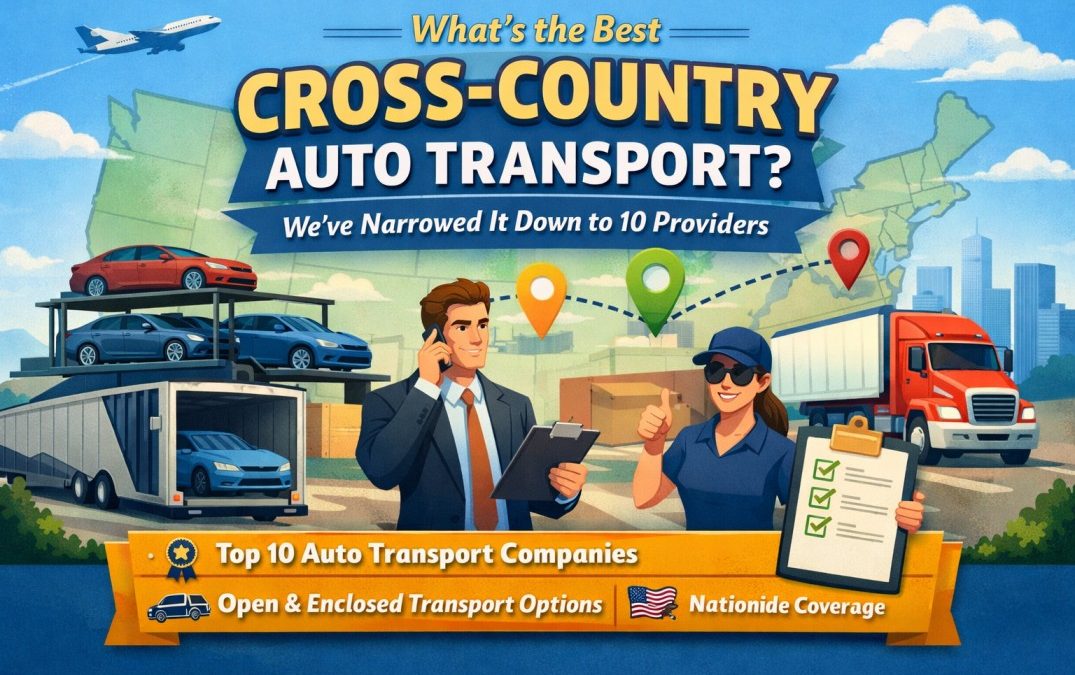
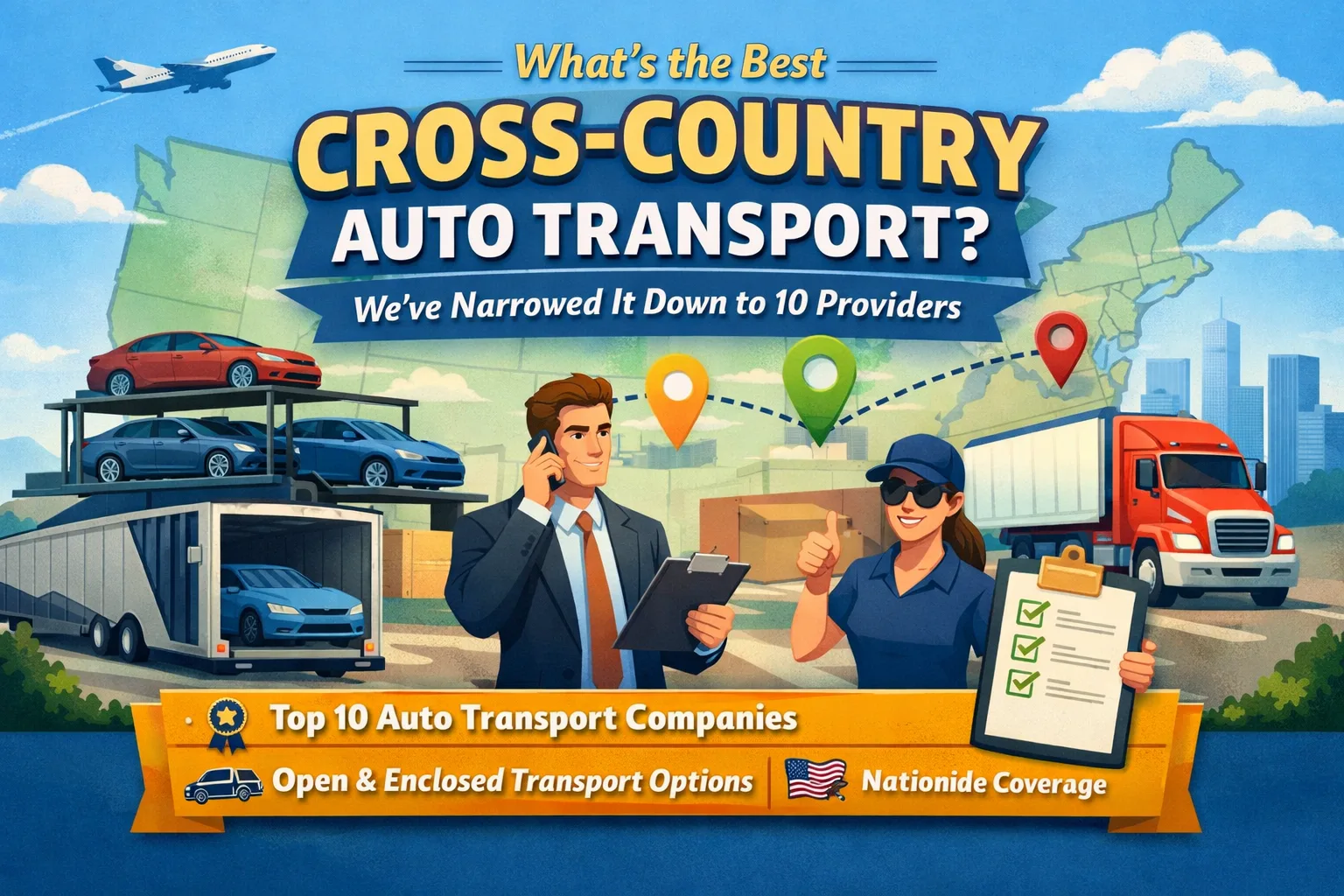
What’s the Best Cross-Country Auto Transport? We’ve Narrowed It Down to 10 Providers

What’s the Best Cross-Country Auto Transport? We’ve Narrowed It Down to 10 Providers

Shipping a vehicle across the country is no small decision, especially for business owners and entrepreneurs who rely on efficiency, predictability and cost control.

Whether relocating for expansion, moving fleet vehicles or purchasing inventory out of state, choosing the best cross-country auto transport provider can improve timelines and budgets.

The top 10 auto transport providers

The U.S. auto transport industry includes brokers and carriers that offer services such as open and enclosed transport, door-to-door delivery and nationwide coverage. Here are ten options to consider.

1. SGT Auto Transport Corp

SGT Auto Transport Corp is one of the best cross-country auto transport providers for businesses. Its price-match guarantee ensures competitive pricing in a fluctuating market. The transport provider also offers guaranteed pickup services, ideal for entrepreneurs with tight schedules. SGT Auto Transport Corp’s nationwide and international reach makes it suitable for companies managing logistics across multiple regions.

The company has a positive reputation in the auto transport industry. SGT Auto Transport Corp shares, “We have been rated one of the best car shipping companies by a number of independent parties such as Consumer Voice, Market Watch and Home Solutions.”

# Key features

  •  Price-match guarantee for competitive rates
  •  Guaranteed pickup option for time-sensitive shipments
  •  Open and enclosed transport available
  •  Nationwide and international shipping coverage
  •  Door-to-door delivery for operational convenience

2. Montway Auto Transport

Montway Auto Transport is widely recognized for its scale and operational reach. With access to an extensive carrier network, Montway can accommodate high-volume and complex shipping requests. For entrepreneurs managing multiple shipments or scaling operations, Montway’s infrastructure provides reliability and consistency. Its ability to serve all 50 states adds to its appeal. However, its pricing tends to follow market fluctuations rather than offer fixed guarantees, which may lead to variability.

In 2025, Montway Auto Transport was named Auto Transport Services Company of the Year by Auto Business Outlook. The company states, “This recognition is a testament to our strong reputation and the trust we have built with our valued customers and respected industry peers.”

# Key features

  •  Extensive nationwide carrier network
  •  Coverage across all 50 states, including Alaska and Hawaii
  •  Open and enclosed transport options
  •  High capacity for large or frequent shipments
  •  Strong industry reputation and experience

3. Sherpa Auto Transport

Sherpa Auto Transport differentiates itself through pricing transparency, making it an attractive option for businesses that prioritize cost predictability. Its “Price Lock Promise” ensures that the quoted rate does not change after booking, reducing the risk of unexpected expenses, which is a common concern in the auto transport industry. While Sherpa may not offer the same level of price-matching flexibility as SGT Auto Transport Corp, it excels at providing clear, up-front pricing.

The company prioritizes transparency by using proprietary, data-driven technology to generate precise transport pricing. Sherpa Auto Transport asserts, “This technology evaluates the historical pricing of your vehicle’s transport route, the current demands in the market, as well as other factors including vehicle size, geography, and more.”

# Key features

  •  Locked-in pricing with no hidden fees
  •  Nationwide door-to-door service
  •  Open and enclosed transport options
  •  Strong focus on customer experience
  •  Reliable delivery timelines

4. AmeriFreight Auto Transport

AmeriFreight is known for its cost-conscious approach, offering a wide range of discounts and pricing options that appeal to budget-focused customers. For startups or small businesses looking to minimize logistics expenses, AmeriFreight provides a compelling value proposition. It also emphasizes carrier vetting, helping ensure a baseline level of service quality. Nevertheless, the pricing structure can change depending on eligibility for discounts, which may require additional evaluation during the booking process.

Since its foundation in 2004, AmeriFreight has earned a respected reputation in the industry, sharing that “We’ve earned our reputation through exceptional customer service, competitive pricing, and a track record of safe, on-time deliveries.”

# Key features

  •  Discount programs for various customer segments
  •  Nationwide shipping coverage
  •  Open and enclosed transport options
  •  Carrier screening and vetting process
  •  Flexible pricing structures

5. Easy Auto Ship

Easy Auto Ship positions itself as a value-added provider, offering additional perks that go beyond standard transport services. These include benefits such as rental car reimbursement for delays, making it particularly appealing to businesses that need contingency support. Its international shipping capabilities also make it a viable option for companies with global logistics needs. While it’s not always the lowest-cost provider, its bundled benefits can offset potential disruptions.

Easy Auto Ship highlights its personalized approach, which involves understanding each customer’s requirements and tailoring every aspect of the car shipping process to their specific situation. It adds, “Our auto transport company considers everything, including the automobile type (weight, size, and value), auto carrier, safety equipment for each vehicle, the total car shipping distance and the route for the best possible transport experience.”

# Key features

  •  Rental car reimbursement for delays
  •  International shipping capabilities
  •  Open and enclosed transport options
  •  Nationwide door-to-door service
  •  Customer-focused service guarantees

6. Mercury Auto Transport

Mercury Auto Transport is a well-established broker known for its hands-on customer support and tailored shipping solutions. Unlike some larger platforms that rely heavily on automation, Mercury emphasizes direct communication between customers and shipping coordinators. This approach can be particularly valuable for business owners managing complex or high-value shipments that require closer oversight. Mercury also has a strong presence in industry rankings, reinforcing its position as a reliable alternative to more widely marketed providers.

The company describes its dedicated Mercury Shield Network as “a closed, enterprise-level carrier system that connects only with vetted, verified, and insured drivers who are part of our trusted network.”

# Key features

  •  Personalized coordination for each shipment
  •  Strong network of vetted carriers
  •  Open and enclosed transport options
  •  Nationwide door-to-door service
  •  Emphasis on customer support and communication

7. American Auto Shipping

American Auto Shipping is a well-established provider known for its straightforward pricing structure and strong customer support availability. This company emphasizes clarity and consistency, which can be particularly valuable for businesses managing tight budgets and recurring shipments. One of its standout aspects is its no-up-front-deposit model in certain cases, allowing businesses to secure transport without immediate financial commitment.

The company launched an AI-driven online marketplace that has reduced prices by up to 75% compared to some competitors. American Auto Shipping explains that this tool “scans thousands of auto transport companies’ active routes and finds open spots on their 10-car carriers for the exact pickup date you choose on our free quote form.”

# Key features

  •  No up-front deposit required in select scenarios
  •  24/7 customer support availability
  •  Open and enclosed transport options
  •  Nationwide door-to-door shipping
  •  Clear and consistent pricing structure

8. Nexus Auto Transport

Nexus Auto Transport is a balanced option between ease of use and operational reliability. Its platform simplifies the booking process while maintaining access to a vetted carrier network, making it suitable for businesses that want efficiency without sacrificing oversight. The company places a strong emphasis on clear communication and streamlined coordination, which can be valuable for entrepreneurs managing multiple shipments or recurring transport needs. Rather than competing aggressively on discounts or niche features, Nexus focuses on delivering a consistent and predictable shipping experience.

Nexus Auto Transport emphasizes its door-to-door service as a core differentiator, supported by a strong focus on carrier quality and reliability. The company screens its driver network to ensure consistent service standards, noting that it “vets all independent drivers via an extensive checklist that includes client reputation, timeliness of service, driving records, equipment quality, and more.”

# Key features

  •  Streamlined booking and coordination process
  •  Nationwide door-to-door shipping
  •  Open and enclosed transport options
  •  Vetted carrier network
  •  Consistent communication throughout transit

9. Ship a Car Direct

Ship a Car Direct focuses on process control and damage reduction. The company emphasizes structured inspections and clear documentation at both pickup and delivery, which can reduce disputes and streamline claims if issues arise. This approach is particularly relevant for businesses that transport vehicles, where condition and documentation are critical.

Ship a Car Direct’s more controlled, direct shipping approach can minimize handling risks and the likelihood of damage during transit. By avoiding unnecessary transfers between facilities, the company simplifies the process and maintains greater oversight from pickup to delivery. Ship a Car Direct explains, “We don’t use the ‘terminal to terminal’ process.” Instead, it relies on a single carrier to manage the shipment end-to-end.

# Key features

  •  Structured inspection and documentation process
  •  Emphasis on damage prevention
  •  Nationwide door-to-door shipping
  •  Open and enclosed transport options
  •  Claims support coordination

10. uShip

uShip takes a marketplace-driven approach to vehicle transport, allowing businesses to compare multiple carrier bids for a single shipment. Instead of relying on a single broker to coordinate the process, users gain visibility into pricing options, carrier profiles and transit timelines before making a decision. This model can be particularly useful for businesses that prioritize cost optimization and flexibility, especially when shipping is not highly time-sensitive. The platform requires a more active role in evaluating carriers and managing expectations.

uShip’s platform simplifies logistics by combining instant pricing from multiple carriers with a centralized dashboard that allows users to manage shipments in one place. The company believes, “businesses should focus on business, not logistics,” highlighting its goal of reducing complexity while improving speed and cost efficiency.

# Key features

  •  Marketplace model with competing carrier bids
  •  Real-time pricing visibility
  •  Nationwide shipping coverage
  •  Open and enclosed transport options
  •  Direct carrier selection control

Comparative overview of top providers

This table highlights additional differentiators for some of the best cross-country auto transport companies, providing a clearer comparison for decision-makers.

How to evaluate cross-country auto transport providers

Choosing a cross-country auto transport provider involves understanding how each company performs and how well its services align with business operations. For entrepreneurs and business owners, the stakes are high.

Delays, pricing inconsistencies or poor coordination can directly impact timelines, customer commitments, and overall costs. This is especially true in industries where shipping is critical to maintaining operational continuity and efficient production processes. To identify the strongest providers, consider the following key factors:

  •  Service consistency across long distances: Reliability over coast-to-coast shipments, including stable delivery windows and consistent communication throughout the journey.
  •  Pricing transparency and flexibility: Whether the provider offers fixed pricing, dynamic rates or price-matching options, depending on the need for cost certainty or adaptability.
  •  Carrier network strength and availability: Access to a large, well-established network that can handle high demand, enable faster pickups, and support repeat or multi-vehicle shipments.
  •  Speed of pickup and delivery: Availability of quick or guaranteed pickup options for time-sensitive shipments, balanced with flexible scheduling for cost efficiency.
  •  Customer experience and support: Quality of communication, responsiveness and an ability to effectively address concerns during transit.
  •  Scalability for ongoing shipping needs: The provider’s ability to support long-term growth through consistent service and reliable coordination.

Rather than focusing only on individual features, decision-makers should evaluate how providers balance competing demands such as speed, cost control, scalability and risk mitigation. While some companies are better suited for high-volume logistics, others excel in personalized coordination or added service protections.

The most effective auto transport choice is one that aligns with the company’s operational strategy, ensuring both short-term efficiency and adaptability as business needs change.

Frequently asked questions

Learn more about cross-country auto transport.

Q: What is the average cost of cross-country auto transport?

A: The cost range is typically $800 to $1,500, but it can be higher. Auto transport providers base quotes on distance, vehicle type, open versus closed transport method and seasonal demand.

Q: How long does cross-country car shipping take?

A: Most cross-country shipments take seven to 10 days, although expedited options can shorten delivery times.

Q: Is enclosed transport worth it for businesses?

A: Yes, for high-value or specialty vehicles. Enclosed transport offers added protection, reducing the risk of damage during transit.

Q: Can businesses ship multiple vehicles at once?

A: Yes. Most providers, including SGT Auto Transport Corp, support multi-vehicle shipments and fleet transport.

Q: What should businesses look for in a transport provider?

A: Key factors include pricing transparency, reliability and delivery timelines, carrier network strength, and quality of customer support.

Finding the best fit for your shipping needs

Cross-country auto transport providers offer a balance of cost, speed and flexibility. For entrepreneurs, the best choice is the one that most aligns with operational demands while ensuring vehicles arrive on time.

More must-read stories from Enterprise League:

Smart Storage: Most Affordable Cold Storage Rental Solutions

Smart Storage: Most Affordable Cold Storage Rental Solutions

Cold storage is the lifeblood of businesses handling temperature-sensitive items. From restaurants and catering companies to pharmaceutical distributors and event planners, maintaining proper temperatures for perishable goods is critical for both safety and quality. Renting portable refrigerated containers is cost-effective only if you partner with a reliable company that can supply the equipment you require when you need it at affordable prices.

The decision to rent rather than purchase cold storage equipment makes financial sense for many businesses. Seasonal operations, special events, emergency backup needs, and temporary expansion projects all benefit from the flexibility that cold storage rental solutions provide. Instead of investing tens of thousands of dollars in equipment that might sit idle for months, businesses can access professional-grade refrigeration exactly when they need it.

When evaluating cold storage rental solutions, consider factors beyond just the monthly rate. The total cost of ownership includes delivery fees, setup charges, energy consumption, and potential service calls. The most affordable option balances upfront costs with reliability and service quality. A slightly higher rental rate from a company with excellent customer support and well-maintained equipment often proves more economical than choosing the lowest bidder who might deliver unreliable units or charge hidden fees.

Discover the leading local cold storage rental companies in the United States and how to get quotes to see which offers the best value for your specific needs.

1. Cool It

Cool It offers walk-in cold storage containers that are 100% emission-free, humidity-controlled and available in three sizes. Their equipment lineup includes 8-foot, 16-foot, and 20-foot units, providing options for businesses ranging from small cafes to large-scale catering operations. They also come with built-in ramps, have dual-temperature options and operate quietly, making them suitable for placement in residential neighborhoods or near customer-facing areas. If you’re a florist, you can rent floral refrigerators with two to three sliding glass doors, specifically designed to showcase arrangements while maintaining optimal humidity levels for flower preservation.

Every Cool It portable cooler keeps temperatures below 41° Fahrenheit, meeting FDA food safety guidelines for refrigerated storage. Their walk-in freezers maintain a consistent 0° Fahrenheit, ideal for long-term frozen food storage or ice cream service. All products are precleaned and sanitized according to health department standards before each rental. The company uses a proprietary platform to deliver and pick up mobile rentals conveniently, typically offering same-day or next-day service in most metropolitan areas.

The company’s cold storage rental solutions include advanced features that set them apart from basic refrigerated trailers. Each unit comes equipped with digital temperature displays, automatic defrost cycles, and backup power connections. The emission-free operation means these units can be placed indoors or in enclosed spaces without ventilation concerns, expanding placement options for businesses with limited outdoor space.

Using an online estimator tool, you can get a quote for a local cold storage rental before talking to anyone. You only need to enter your ZIP code to determine whether a Cool It location serves your area. Next, pick a container size and decide whether you need the unit for three days, one week, two weeks, or one, six or 12 months. This transparent pricing approach helps businesses budget accurately and compare options without the pressure of sales calls.

Key features

  •  Seasonal cold storage rentals
  •  24/7 monitoring
  •  Emergency repair and replacement services

2. Chill Out Rentals

Chill Out Rentals offers refrigerated trailers in five sizes and reefer containers in over 90 locations across the U.S. Their size options range from compact 10-foot units perfect for small businesses to expansive 53-foot trailers suitable for warehouse overflow or large event catering. Its portable cold storage units have bright LED lighting for easy product identification and secure access with heavy-duty locks and optional alarm systems. The units run on standard electrical connections, eliminating fumes and reducing noise to approximately 60 decibels, comparable to normal conversation levels.

The organization has designed the food-grade interiors of its turnkey coolers and freezers to comply with and exceed the requirements of the National Sanitation Foundation, the Canadian Standards Association, UL, the Electrical Safety Authority and the Department of Health. This comprehensive certification means their cold storage rental solutions meet the strictest standards for food safety, electrical safety, and operational reliability. The interiors feature seamless fiberglass walls that resist bacteria growth and are easy to clean, while the floors use non-slip aluminum tread plate for safety.

Chill Out Rentals specializes in serving diverse industries with customized temperature solutions. Their pharmaceutical-grade units maintain precise temperatures within 0.5 degrees of the set point, critical for vaccine storage and medication preservation. For the food service industry, they offer multi-compartment trailers that can simultaneously maintain different temperature zones, allowing businesses to store frozen goods, refrigerated items, and beverages at their optimal temperatures in a single unit.

With Chill Out Rentals, you can get local cold storage rental quotes online or over the phone. The company promises competitive, transparent pricing with no hidden fees. Their pricing structure includes all standard features, and they clearly outline any additional charges for services like extended rental periods, additional temperature monitoring, or expedited delivery. Many locations offer volume discounts for multiple unit rentals or long-term contracts.

Key features

  •  Short- and long-term leasing options
  •  Seamless delivery
  •  24/7 support

3. Keep It Cold

Keep It Cold has cold storage trailers in four sizes: 12-foot, 20-foot, 28-foot, and 40-foot models. Each trailer boasts commercial-grade construction and a road-ready design, featuring stainless steel components and 4-inch polyurethane insulation that maintains temperatures even in extreme weather conditions. The heavy-duty construction means these units can withstand frequent use and transportation without compromising performance.

Each unit has dual-temp capabilities, allowing you to use it as a freezer and a refrigerator simultaneously. This feature proves particularly valuable for businesses that need both frozen and refrigerated storage but want to minimize rental costs. The dividing wall can be adjusted to create different sized compartments based on your inventory needs. Keep It Cold rentals feature programmable controls that let you fully adjust the temperature settings to your liking, with ranges from -20°F to 50°F available.

The company takes pride in the fact that its products are purpose-built rather than trailers converted into walk-ins. This specialized construction results in better insulation, more reliable temperature control, and longer equipment life. Purpose-built units also feature optimized airflow patterns that ensure even temperature distribution throughout the storage space, preventing hot spots that could compromise product quality. Keep It Cold’s turnkey service includes delivery, setup, training and stabilization. Their technicians level each unit, verify electrical connections, and provide hands-on training for your staff on operating the temperature controls and monitoring systems.

Keep It Cold distinguishes itself through its focus on energy efficiency. Their cold storage rental solutions incorporate high-efficiency compressors and smart defrost cycles that reduce energy consumption by up to 30% compared to older models. This efficiency translates to lower operating costs for renters, particularly important for long-term rentals where electricity expenses can add up significantly.

You can request a quote for a local cold storage rental via email, text or phone. The company typically responds within two hours during business hours and provides detailed quotes that break down all costs, including delivery, setup, rental fees, and estimated energy consumption based on your intended use.

Key features

  •  Flexible short-term rental periods
  •  Frost-free technology
  •  Excellent safety amenities

Side-by-side comparison of the best value cold storage companies in the usa

Learn about the sizes of the cold storage units Cool It, Chill Out Rentals and Keep It Cold offer, the industries they focus on and their service areas. Each company has developed specializations that make them particularly suitable for certain business types and situations. Understanding these differences helps you select the most appropriate cold storage rental solutions for your specific requirements.

Criteria for choosing cold storage companies with the best value

These criteria were used to select and rank the top cold storage companies in the U.S. To determine whether your prospective provider meets your needs and these criteria, ask them the accompanying questions during your evaluation process.

  •  Equipment selection: Does the company offer the types of cold storage equipment that fit your operations?
  •  Industry focus: Does this provider typically serve businesses similar to yours?
  •  Service areas: Does the lessor have a location near you?
  •  Turnaround time: How fast can the company deliver and pick up rentals?
  •  Monitoring: Can the provider track its containers’ temperatures in real time and remotely?
  •  Term flexibility: Does the equipment lessor let you rent cold storage units as long as you need?
  •  Support: Is the company readily available for technical support?
  •  Pricing: What is the total cost to rent portable freezers for one day, one week, one month or one year?

Select the cold storage rental company that offers the best value

Cool It, Chill Out Rentals and Keep It Cold offer advanced portable freezers and coolers, reliable services, and competitive prices. Each company brings unique strengths to the market, whether it’s Cool It’s emission-free technology, Chill Out Rentals’ extensive location network, or Keep It Cold’s energy-efficient designs. Get a quote from each to see which cold storage company offers the best value for your operations. Consider not just the rental rate but also factors like delivery speed, equipment condition, customer service quality, and any value-added services that could benefit your business. The right cold storage rental solutions provider becomes a partner in maintaining your product quality and meeting your customers’ expectations.

More must-read stories from Enterprise League:

The Role of Integrated Communication Platforms in Digital Transformation

The Role of Integrated Communication Platforms in Digital Transformation

Digital transformation is something that people talk about a lot. They usually mention things like automation and making systems more modern. Companies spend money on technology to make their work easier, to be more efficient, and to provide better services. There is one very important thing that they often forget: how people communicate with each other in the company.

When companies get bigger, communication becomes more complicated. Teams work in different places using different systems and are in different time zones. Employees use different tools to stay informed, work together, and respond to changes. If there is no plan for communication, this can cause problems like information not being consistent, being late, or hard to find.

This is a problem in industries like banking, healthcare, government, and logistics where communication is very important for the work they do and for following rules. In these places, communication is not just about sharing information. It helps people make decisions, provide services, and manage risks.

Communication as part of digital infrastructure

In the past, communication was not considered a part of a company’s systems. Email, messaging tools, and internal websites were used to share information. They were not seen as essential. Things are changing now.

As companies go through transformation, communication is being seen as a fundamental part of their systems. It connects parts of the company, its processes, and its people. Without communication, even the best systems will not work as well as they should.

For example, if a company automates a process but does not make sure that the right people are informed in time, it can cause delays. Similarly, if a company introduces systems without making sure that communication is good across teams, it can lead to inconsistent use of those systems.

Integrated communication platforms solve this problem by allowing companies to make communication a part of their workflows. Instead of being separate tools, communication becomes part of how systems interact with each other.

This is part of a change in how communication technology is developing. A communication platform as a service lets companies add messaging capabilities to their existing applications, making their workflows better without replacing them.

The challenge of fragmentation

In companies, it is common for communication to be fragmented.

Different departments use tools that they like, and over time this creates a patchwork of systems that do not communicate well with each other. Employees have to switch between platforms to get information, and it is hard to see how communication flows across the company. This fragmentation causes problems.

First, it reduces consistency. Messages sent through one channel may not be the same as those sent through another, causing confusion. Second, it affects how quickly information is shared. Important updates may be delayed if they rely on processes or specific tools. Third, it limits accountability. Without a system, it is hard to track whether messages have been received or acted upon.

In industries that are heavily regulated, these problems are even bigger. Companies must show that communication has been delivered, understood, and in some cases acknowledged. Fragmented systems make this hard to do.

From multi-channel to integrated communication

Most companies already use different communication channels. They use email, SMS, mobile apps, and websites to communicate. However, just having many channels does not solve the problem.

The problem is not how many channels are used, but how they are managed.

An integrated approach brings all these channels together into one system. Instead of managing each channel separately, companies can coordinate communication across all channels from one place. This makes messaging more consistent and reduces the complexity of managing many tools.

It also reflects how people communicate in their lives. Individuals switch between channels depending on the situation without expecting the conversation to be disconnected. Companies are expected to provide that level of continuity.

Supporting consistency and reach

One of the benefits of integrated communication platforms is that they improve consistency.

When communication is managed from one place, companies can ensure that messages are the same across all channels. This reduces the risk of conflicting information and helps maintain clarity across teams.

At the same time, integrated platforms improve how far communication reaches. In a workforce that is spread out, employees may not all use the same systems. Some may rely on mobile devices while others work mainly on desktop platforms. By delivering messages across channels, companies can increase the chances that information reaches the right people.

This is particularly important for workers on the frontline, who may not have access to traditional communication tools. Making sure they get updates is essential for maintaining operational continuity.

Enabling targeted communication

As companies move away from one-size-fits-all systems, there is also a shift towards more targeted communication.

In the past, communication was often broad and sent to everyone. Messages were sent to entire teams or departments regardless of whether they were relevant. Over time, this approach has been shown to be ineffective as it leads to information overload and reduced engagement.

Integrated platforms enable companies to segment their audiences and deliver messages based on role, location, or function. This makes communication more relevant and increases the chances that it will be acted upon.

For example, operational alerts can be sent to specific teams while compliance updates are shared only with relevant departments. Leadership messages can be tailored to regions, ensuring that communication remains consistent while addressing local needs.

This level of targeting supports effective decision-making and helps companies manage complexity more efficiently.

Security and compliance considerations

In regulated industries, communication must meet strict security and compliance requirements. Financial institutions, healthcare providers, and government organisations handle sensitive information that must be protected. Communication systems must therefore ensure that messages are delivered securely and that access is controlled.

Integrated communication platforms are designed with these requirements in mind. They support encrypted messaging, access controls, and audit trails, enabling companies to maintain visibility over communication activities.

This is not only important for protecting information but also for demonstrating compliance. In regulated environments, companies must be able to provide evidence of communication, including delivery and engagement. By centralising communication, integrated platforms make it easier to meet these requirements and reduce the risks associated with fragmented systems.

Linking communication to operational outcomes

The impact of communication goes beyond internal processes. When communication is good, companies are better able to respond to changes, coordinate teams, and deliver services effectively. When it breaks down, the effects are often visible to customers and stakeholders.

For example, delays in communication within a logistics network can affect delivery schedules. In healthcare, miscommunication can disrupt patient care. In financial services, inconsistent messaging can undermine customer trust.

As a result, communication is being seen as part of a company’s operational performance. It is not just about sharing information but about making sure that information supports how the company operates.

The future of communication in digital transformation

As digital transformation continues, communication systems are changing.

There is a growing focus on making communication more integrated, adaptive, and responsive. Automation is being used to trigger messages based on specific events, reducing the need for manual intervention. Analytics are providing insights into how communication performs across channels.

At the same time, companies are trying to reduce complexity by consolidating tools and creating more unified systems. This reflects a change in how communication is understood. It is no longer seen as a support function but as part of the infrastructure that supports digital operations.

Conclusion

Integrated communication platforms play an important role in enabling digital transformation. By reducing fragmentation, improving consistency, and supporting targeted communication, they help companies operate more effectively in complex environments. They also support security and compliance requirements, which are essential in regulated industries.

As companies continue to change, the ability to manage communication as part of a unified system will become more and more important. It is not just about improving efficiency but about making sure that information flows in a way that supports how the company works.

In this context, communication is no longer just a tool. It is a core capability that underpins enterprise operations. Integrated communication platforms are essential for successful transformation, and companies that use them will be better equipped to succeed in a changing business environment.

More must-read stories from Enterprise League:

Finding Cost-Effective EDI Compliance Services Without Sacrificing Quality

Finding Cost-Effective EDI Compliance Services Without Sacrificing Quality

Modern business requires efficiency and agility. Electronic data interchange (EDI) is becoming a critical component of supply chains and general company operations. Professionals often overspend on compliance services or choose low-quality options, but it’s better to seek a cost-effective solution with long-term value.

Total cost of low quality EDI services

Business professionals who choose low-quality EDI services incur many risks that can threaten their organization.

  •  Chargebacks and penalties: Many trading partners charge fees if a business does not comply with their EDI requirements.
  •  Scalability issues: Cheaper solutions may fail to scale, leading to more expensive future costs than higher-quality options.
  •  Manual intervention: If low-quality technology causes errors, businesses incur costs to reenter data and fix mistakes.
  •  Implementation delays: A slow onboarding process leads to significant downtime and associated costs.
  •  Damaged partner relationships: Unreliable EDI services can damage relationships, making ongoing partnerships less likely.

How to evaluate EDI compliance service providers

To avoid the total costs of low-quality service, business professionals should work with an EDI compliance provider to handle the primary aspects of the transition. Reliable companies should have several high-quality features.

Onboarding and support

Many partners, such as the U.S. General Services Administration (GSA) Global Supply, require efficient onboarding, typically managed by the provider. Support should be available across channels and during extended hours for emergencies. Some providers have expert support as an additional perk, whereas others offer it across the board.

Transparency and pricing

The provider must be transparent about data usage and pricing. Many offer flat or tiered prices that increase with business growth. Professionals should be wary of hidden fees for new maps, support tickets or transaction volumes. Visibility and access control are straightforward when the partner maintains unified data.

Integration and automation

The provider’s platform should integrate well with existing systems, such as accounting software. The initial transition should not require complex installations or consultants to get started, as these incur additional costs. The automation must require minimal human oversight, or the potential time-saving advantages will not be worth it.

Compliance adherence

Companies often change their standards and requirements as the market shifts, so providers must be adaptable to new compliance rules. Lengthy reorganizations to accommodate new adherences can prolong downtime and impact the business, potentially leading to lost sales and partnerships.

Ability to grow

The platform should be scalable to support integration with new partners as the business grows. Finding another service provider during the growth period is not ideal. Data overload can also shut systems down and cause unnecessary setbacks, leading to customer loss.

Where to find affordable EDI compliance services

Finding the top affordable EDI compliance services is the first step toward maximizing business growth and cutting down costs.

1. ConnectPointz

ConnectPointz is the top affordable EDI compliance service, with predictable pricing and flexibility in custom and complete solutions. The onboarding process is quick and easy for new online merchants. It adds transparency by frequently updating product, inventory and order information.

The service offers custom solutions to integrate any third-party platform to meet the client’s needs. Benefits include a free demo, automation audit and an independent system migration consultation.

# Key features

  •  Predictable pricing
  •  Flexible, custom solutions
  •  Free demo and automation audit

    2. TrueCommerce

TrueCommerce is a global supply chain integration platform, powered by integrated EDI, artificial intelligence (AI) and a modern application programming interface (API). The network is secure and reliable, while the platform itself is built for growth. Business professionals can book a demo to see the service in action.

TrueCommerce has around 3 million companies accessible on its network. The platform connects supply chains and automates many tasks, and its onboarding process is simple and scalable. The company offers integration support or allows clients to do it themselves. It can also handle many trading partners simultaneously.

# Key features

  •  Secure and reliable network
  •  Built for growth
  •  Simple and scalable onboarding process

    3. SPS Commerce

SPS Commerce is an intelligent supply chain network, connecting retailers, logistics providers, brands, distributors and manufacturers. Interested customers can talk to an expert to answer specific questions. It has an intelligence library available on the website to share the company’s knowledge. The platform utilizes AI to streamline its operations.

Platform data is clean, consistent and connected. SPS Commerce has over 400 system integration partners and shares multiple customer stories that demonstrate how it truly helps businesses. In three years, the company projects a 360% return on investment (ROI). A demo is available to get a feel for the platform.

# Key features

  •  Utilizes AI
  •  Clean, consistent data
  •  Over 400 system integration partners

    4. Orderful

Orderful is a modern, unified EDI platform. It covers EDI compliance, fosters onboarding partnerships and solves production issues. Interested business professionals can book the demo to learn more about it firsthand. The platform has a reputation for speed and supports teams of all sizes, including small businesses and global enterprises.

Orderful uses an API-powered workflow and automated transactions. Customers can trade with partners using the platform’s modern, scalable network. Some specific features include Mosaic, an integrated EDI API with immediate access to trading partners, and Pixel, a web EDI that uses a unified compliant platform to trade with partners. Orderful also accelerates onboarding and has transparent prices.

# Key features

  •  Reputation for speed
  •  API-powered workflow
  •  Accelerated onboarding

    5. SBSA Technology

SBSA Technology is an EDI automation platform that fosters supply chain synergy, enabling two organizations to combine and maximize benefits. Potential customers can get a free consultation directly on the website. The platform automates order fulfillment, logistics and operation processes among multiple warehouses and drop ship locations.

Some of its features include implementing unique business needs, managing EDI orders, demonstrating reliability, offering EDI VAN cloud solutions, enhancing security and consulting, and accessing an entire global network. It also has an innovative tool for processing bulk orders.

# Key features

  •  Free consultation
  •  Automates various order processes
  •  Reliable and secure

    6. Boomi

Boomi specializes in data activation. Customers can watch a demo or sign up for a free trial to get a true feel for how it operates. It integrates and governs data across businesses, powering every facet of the platform, including AI.

Some of its features include ecosystem connection, agentic workflow governance and AI-ready data mobilization. The program turns old systems into intelligent operations while advancing security and creating a scalable foundation. Boomi customers are connected to over 300 endpoints for massive exploration.

# Key features

  •  Free trial or demo
  •  Agentic workflow governance
  •  Advanced security and scalability

    7. Better EDI

Better EDI demonstrates a modern approach to EDI automation, offering responsive services and fast implementation at an affordable price. Some of its features include full transparency with real-time data access, EDI simplification and various automated processes. The company serves startups and Fortune 500 companies alike, demonstrating its scalability.

The team has years of experience and effectively handles and explains industry jargon to customers. It provides a seamless digital integration with global scalability. It automates transactions and other critical processes, freeing up time for other priorities.

# Key features

  •  Responsive service
  •  Fast implementation
  •  Experienced team

Methodology for choosing EDI compliance services

The EDI compliance services were chosen based on each provider’s key features, including automation, onboarding and connectivity. The ranking was determined by comparing these offerings and company standings on similar lists.

Affordable and quality partnerships

The cheapest EDI solution is not always the most cost-effective. Business professionals should find affordable options that are high-quality, demonstrate efficiency and reliability, and enable stronger business relationships. Consider the top EDI compliance service providers to receive the most scalable and adaptable providers.

More must-read stories from Enterprise League:

Building a Brand from Scratch: Getting Through the First Year

Building a Brand from Scratch: Getting Through the First Year

Starting a business of your own is a great idea if you want to finally be your own boss and work at your own pace. You’ll probably notice that a lot of people in your surroundings are doing the same thing. There seems to be this pattern of people trying to make it on their own instead of spending a huge chunk of their lives working for someone else.

Still, as exciting as it may be, it’s not always that easy. Before you can actually get to experience freedom, you need to actually build a brand. Things get overwhelming quite quickly with so many questions you have to answer.

The first year is what matters the most. It’s perhaps the toughest one as you usually struggle to see any profit and you start asking yourself whether you even made the right choice. But once you power through the first year, it gets better and you feel more confident in your decision-making process.

So, if you’re on the cusp of starting your own brand, you’ve come to the right spot. We’ll talk a bit about how to get through the first year and we’ll share some useful tips you can apply.

The first year and its challenges

Most new entrepreneurs underestimate how much work goes into building a brand from scratch. It’s not just about creating a logo or setting up a website. You’re basically building a brand from scratch and that takes time and dedication.

In the early stages, you’ll probably be faced with so many questions and you’ll probably spend hours comparing your business to others. That’s completely normal so don’t feel bad about feeling so insecure.

According to data from the U.S. Bureau of Labor Statistics, about 20% of small businesses fail within the first year. That’s why the first year is crucial. But don’t be discouraged by the number. Even if 20% of businesses fail, that means there are 80% of businesses that do make it through the first year(and that could be you).

How to push through the first year

Let’s take a look at what it takes to have a successful first year when starting your brand. It’s all about sticking to plan yet knowing when to shift from the initial idea if necessary.

We have a list of useful tips for you below.

Understanding your audience comes first

Before you spend money on marketing or design, you need to understand who you’re building this for. It’s easy to assume that “everyone” could be your customer, but that usually leads to a weak brand.

Think about who would actually care about what you’re offering. What problems are they dealing with? What do they value? When you start answering these questions, your brand begins to take shape in a more natural way.

If you skip this step, you might end up creating something that looks good but doesn’t connect with anyone. If you’re starting up a clothing brand, your target audience will be different than if you were starting a digital product brand. That’s why you have to define it correctly at the very beginning.

Start small then improve

It’ll never be the perfect moment to launch your brand. One of the biggest mistakes new entrepreneurs make is waiting too long to launch. They want everything to be perfect before they show their brand to the world.that’s never going to happen.

The problem is, you can’t really improve something that doesn’t exist yet, right?

It’s better to start small, even if that means offering just one product or service at first. Once you start getting real feedback, you’ll understand what works and what needs to change. That’s how your brand grows in a real, practical way.

If you’re exploring something specific like how to start a clothing brand, this approach becomes even more important. Instead of launching a full collection, you might start with a few key pieces and build from there. A few pieces will help you get your name out there and you can later on build on that and turn it into a full collection.

Your brand is more than a logo

A lot of people focus heavily on visuals in the beginning. While design does matter, your brand is really about how people feel when they interact with your business.

It’s the tone you use when you communicate, the way you respond to customers, and the experience you create overall. Even small things, like how quickly you reply to messages or how clearly you explain your product, can leave a strong impression.Strong customer service is very important for a new business as most customers value prompt reply time.

In your first year, consistency matters more than being perfect. You don’t need the most polished branding in the world, but you do need to show up in a way that feels reliable and clear.

Cash flow matters

In the first year, managing your money can make or break your business. It’s easy to get caught up in spending on things that feel important but don’t actually bring results.

You don’t need the most expensive tools or the biggest marketing campaigns right away. What you do need is a clear understanding of where your money is going and how it’s helping your business grow.

Try to focus on things that directly support your goals. That could be improving your product, reaching your audience, or making your operations smoother. Every expense should have a purpose.

The bottom line

As we said, building a brand from scratch isn’t easy, especially in the first year. There will be moments when things feel slow or uncertain, and that’s completely normal for someone just starting a business.

What really matters is staying focused on the basics. Define your audience clearly, start with small steps and gradually expand your brand presence.

Over time, all those efforts will add up. And before you realize it, you’re no longer just starting out, you’re building something long term and sustainable.

More must-read stories from Enterprise League: