Where to Find FBA Prep and Compliance Services for Amazon Sellers in North America

Where to Find FBA Prep and Compliance Services for Amazon Sellers in North America

Finding the right FBA prep and compliance services for Amazon sellers in North America can make or break your business. As Amazon tightens its rules and phases out its own prep offerings, third-party partners have become essential for keeping your inventory compliant, your shipments fast and your seller account in good standing.

Working with a trusted prep center protects you from costly mistakes, helps you scale confidently, saves time and allows you to focus on growth.

Why do you need FBA prep and compliance services as an Amazon seller?

Amazon’s Fulfillment by Amazon (FBA) program offers incredible advantages, but also comes with strict requirements. Every product you send to an Amazon fulfillment center must meet packaging, labeling and compliance standards exactly. If even one shipment arrives incorrectly prepped or mislabeled, it can be refused, delayed or flagged as a compliance violation. That’s time, money and customer trust down the drain.

FBA prep and compliance services take those risks off your plate. They handle the inspections, labeling, bundling, polybagging and paperwork required to keep your shipments in line with Amazon’s policies. This prevents costly mistakes and saves you hours of manual work. When you partner with an experienced prep center, your products are checked for damage, prepped according to Amazon’s frequently changing rules and shipped exactly where they need to go.

Most importantly, these services help you scale. As your business grows, managing inventory preparation becomes more complex and time-sensitive. Prep centers ensure that your logistics remain smooth and compliant, regardless of how large your operation becomes. It’s about following rules, protecting your reputation and keeping your Amazon account healthy.

Where can you find FBA prep and compliance services for Amazon sellers in North America?

If you’re looking for a dependable partner to manage your FBA shipments, these six companies stand out for their experience, accuracy and customer support. Each one offers unique advantages depending on your business size, fulfillment strategy and whether you sell in the United States, Canada or both.

  1.  ProShipper

ProShipper is one of the top FBA prep and compliance services for Amazon sellers in North America. It offers a strong option for Amazon sellers who want an all-in-one 3PL partner for prep, labeling, compliance and shipping. It’s based in Canada and has a North American reach, handling everything from inspection to shipment into Amazon’s network.

In practice, ProShipper receives your inventory, links it to your Amazon Seller Central/FBA account, inspects, sorts, labels, packages and then sends it on to Amazon’s fulfillment centers. It advertises a 24-48 hour turnaround on most requests.

It emphasizes compliance with Amazon’s rules, such as packaging, labeling and FNSKU application, so you avoid rejected shipments and delays. It also offers storage, removals and alternative fulfillment routing when Amazon’s FBA is full or timing is tight.

Key features:

  •  Amazon-ready inspection, packaging and labeling
  •  Compliance with Amazon’s evolving rules, including packaging standards
  •  Fast turnaround
  •  Inventory storage, removals and redistribution services
  •  Drip-feeding inventory to Amazon to minimize storage fees when applicable

  1. AMZ Prep

AMZ Prep is another major player for Amazon sellers in North America and beyond. It focuses strongly on Amazon compliance for both U.S. and Canadian markets, with a network of warehouses and an infrastructure designed for Amazon FBA prep.

It offers flat-rate per-item pricing, which simplifies budgeting by converting inbound receiving, preparation and shipping to FBA. It also emphasizes its compliance teams and global reach. As Amazon will cease offering its own prep services in the United States as of January 1, 2026, the role of third-party prep centers, such as AMZ Prep, is becoming increasingly strategic.

Key features:

  •  Wide network of warehouses in the U.S. and Canada tailored for Amazon prep and shipping
  •  Flat-rate, transparent pricing covering end-to-end prep and shipping
  •  Compliance teams specialized in Amazon’s packaging and labeling rules
  •  Multichannel support in one platform
  •  Onboarding timeline of one to three weeks to go live

  1. Rush Order

While known broadly for e-commerce fulfillment, Rush Order also offers Amazon-specific FBA prep services in North America. Its experience and infrastructure make it suitable for sellers who need prep and broader fulfillment support.

With over 30 years in fulfillment, Rush Order emphasizes that it has built its systems around Amazon’s requirements, not just as an add-on. It handles receiving, inspection, labeling, polybagging, kitting and bundling, and final shipping into Amazon. Its network includes multiple U.S. states and Canada.

Key features:

  •  Deep fulfillment and prep experience with Amazon focus
  •  Modular service options
  •  Live tracking, dashboards and client portal integration
  •  Global and North America warehousing network
  •  Strong track record in handling complex shipments and custom prep

  1. SHIPHYPE

SHIPHYPE is a full-service 3PL provider with dedicated FBA-prep capabilities covering both the U.S. and Canada. Its offering is designed to let you outsource prepping, labeling, storage and shipping so you can focus on growth rather than operations.

In its model, you ship or have your supplier send inventory to one of its warehouses. They receive it, inspect and prepare it, and then forward it to the relevant Amazon fulfillment centers. It emphasizes same-day or 48-hour turnaround for many prep requests.

The service offers a web-based dashboard so you can track your inventory and prep tasks in real time and have a dedicated account rep. It also provides support for removals and dripped replenishment into Amazon.

Key features:

  •  Live web dashboard for inventory and prep task tracking
  •  Same-day or 48-hour turnaround on many jobs
  •  U.S. and Canada warehousing and inbound to Amazon workflow
  •  Dedicated account manager for communications
  •  Bundling, kitting, polybagging, FNSKU labeling and removal support

  1. ZonPrep

ZonPrep markets itself as a specialist Amazon FBA-prep partner built by Amazon sellers for Amazon sellers. It emphasizes speed, compliance and cost-effectiveness for shipping into Amazon’s fulfillment network.

ZonPrep’s consolidation model lets you send everything to one warehouse, where it splits and prepares it and then ships products as full truckloads. It claims it can scan your inventory into Amazon in as little as 1.7 days.

It also focuses on “prep as strategy,” meaning unit labeling, bundling, insert-application, quality inspection and careful packaging to avoid Amazon’s returns or rejection penalties. ZonPrep emphasizes technology-driven logistics. Its software integrates directly with Amazon Seller Central, providing automatic shipment updates, label generation and live inventory visibility.

Sellers can monitor every stage without manual input or guesswork. This automation reduces errors, saves time and ensures your prep process runs as efficiently as possible. This tech-forward approach makes ZonPrep a reliable long-term partner for people juggling multiple SKUs or seasonal spikes.

Key features:

  •  End-to-end Amazon-compliant prep
  •  Fast check-in to Amazon
  •  Consolidation model to avoid Amazon’s multiple inbound placement fees
  •  Large facility capacity for high-volume sellers
  •  Full suite of prep services, including shrink-wrapping, sticker removal, repackaging and quality inspection

  1. Pace Global Logistics

Pace Global Logistics offers Amazon FBA prep, storage and related logistics services specifically for North American and international sellers. Its focus includes inspection, labeling, kitting, polybagging, storage, and container loading and unloading.

Its value proposition is that if you’re importing goods or have global supply chain needs, then its prep and logistics framework is set up to receive containers, inspect, prep and stage inventory ready for your Amazon inbound shipment. Its storage solution can help you hedge storage fee risk and align timing.

Beyond prep and inspection, Pace also excels in custom logistics solutions for growing e-commerce brands. It offers freight forwarding, domestic trucking and last-mile delivery coordination to streamline the entire supply chain.

For Amazon sellers managing overseas manufacturing, this means your goods can move seamlessly from the factory floor to the FBA warehouse without unnecessary delays or vendor handoffs. The team provides tailored compliance guidance for imports, helping you meet U.S. customs regulations and Amazon’s FBA standards. This gives you complete confidence that your shipments arrive prepped, cleared and ready to sell.

Key features:

  •  Turnkey Amazon FBA prep, including item labeling, bar-coding, polybagging and inspections
  •  Storage and warehousing outside of Amazon’s Fulfillment Center
  •  Container loading and unloading support for imported inventory
  •  Vendor-friendly and suited to global sellers or those building private-label products with offshore manufacturing
  •  Focus on cost-control to help reduce transaction costs, improve efficiency and integrate with your supply chain decisions

Comparing the top FBA prep and compliance services in North America

Choosing the right FBA prep and compliance partner can be challenging, as each service offers different strengths depending on your business size, budget and where your inventory is based. Here’s a detailed comparison of the six leading providers to help you decide.

The benefits of outsourcing FBA prep and compliance

Outsourcing FBA prep and compliance saves time and strengthens your entire business. By partnering with professionals who understand Amazon’s requirements, you reduce stress, eliminate errors and gain more time to focus on what actually grows your brand.

1. Time efficiency and focus on core operations

Preparing products for FBA is a repetitive and detailed task that demands precision. Outsourcing frees up your schedule so you can focus on strategy, marketing and customer engagement instead of labeling, bagging and boxing. Many sellers find this shift boosts productivity and allows them to scale faster.

2. Expert knowledge of Amazon’s requirements

Amazon updates its FBA rules frequently, with everything from labeling standards to packaging restrictions. Prep and compliance professionals stay ahead of these changes. Their expertise ensures your shipments meet the latest regulations, reducing the risk of returns, fees or account suspensions.

3. Cost savings and inventory optimization

While hiring a prep service adds upfront costs, it often saves money in the long run. By consolidating shipments, reducing storage fees and avoiding rejected inventory, you lower your overall operational expenses. Some services even offer flexible storage and drip-feed strategies to help manage your inventory flow efficiently.

4. Reduced risk of delays and penalties

One mislabeled or noncompliant product can disrupt your entire shipment. Professional prep centers perform multiple quality checks to catch issues before your items ever reach Amazon’s warehouse. This proactive approach minimizes delays and protects your seller metrics.

5. Scalability and flexibility

As your sales grow, so does your workload. Prep and compliance services scale alongside your business, handling higher volumes without requiring you to hire or train staff. Whether it’s peak season or a new product launch, they provide the flexibility you need to maintain momentum.

6. Better inventory visibility and control

Many top prep centers offer digital dashboards that integrate with your Amazon Seller Central. You can track your inventory to see what’s in prep, what’s in storage and what’s en route to Amazon, all in real time. This transparency helps you make faster, smarter business decisions.

Checklist for selecting the best FBA prep and compliance service for Amazon sellers in North America

Here’s a checklist to help you evaluate any provider:

  •  Is it Amazon FBA-compliant?
  •  What are its turnaround times and what’s typical for your SKU volume?
  •  Are its pricing terms transparent and are there any hidden surcharges?
  •  Does it have warehouses positioned strategically to minimize shipping time and cost to Amazon fulfillment centers?
  •  Does it support multichannel operations?
  •  Does it have integration and technology support?
  •  What kind of compliance support does it offer?
  •  How scalable is it?
  •  What are its references and testimonials, especially from Amazon sellers with similar complexity to your business?

Finding the right partner

Working with Amazon’s requirements can be overwhelming, but partnering with a professional prep and compliance service makes it far easier and less risky. The top FBA prep and compliance services for Amazon sellers provide the structure, speed and expertise you need to stay competitive while meeting every requirement Amazon sets.

More must-read stories from Enterprise League:

12 Signs It’s Time for Your Business to Switch Banking Platforms (And What to Look For)

12 Signs It’s Time for Your Business to Switch Banking Platforms (And What to Look For)

Are high banking fees or outdated tools slowing down your business? Many businesses struggle with platforms that don’t meet their needs. This blog will help you spot signs it’s time for a change and what to look for in a better option.

Keep reading to make the switch easier!

Signs it’s time to switch banking platforms

Your bank should support your business growth, not hold it back. Watch for signs that show your current platform no longer meets your needs.

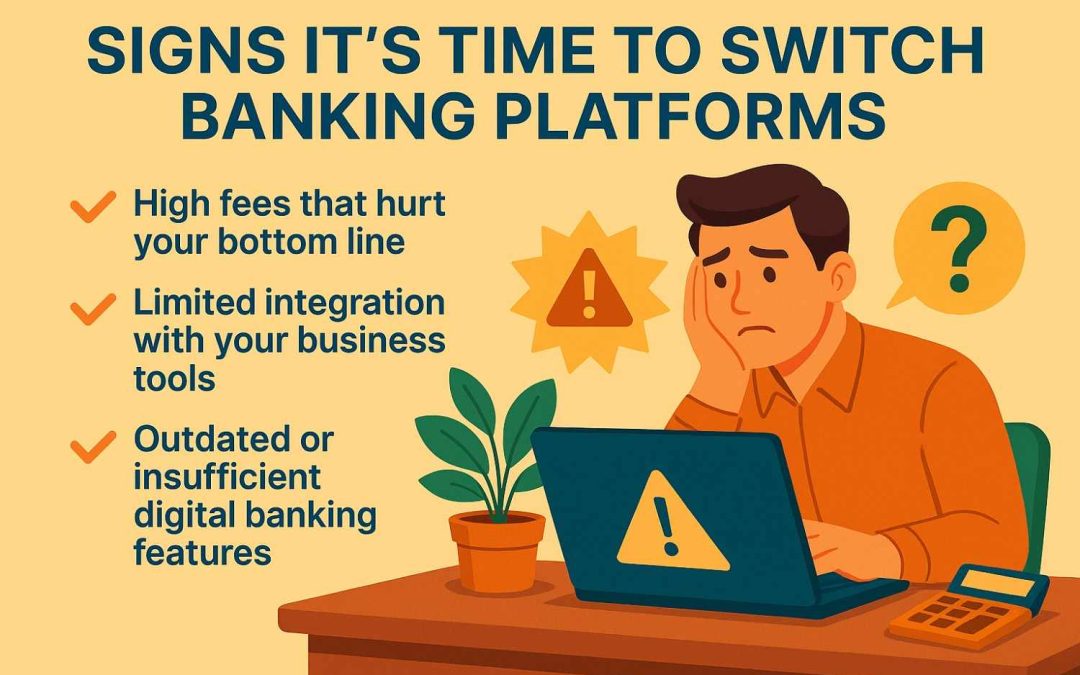
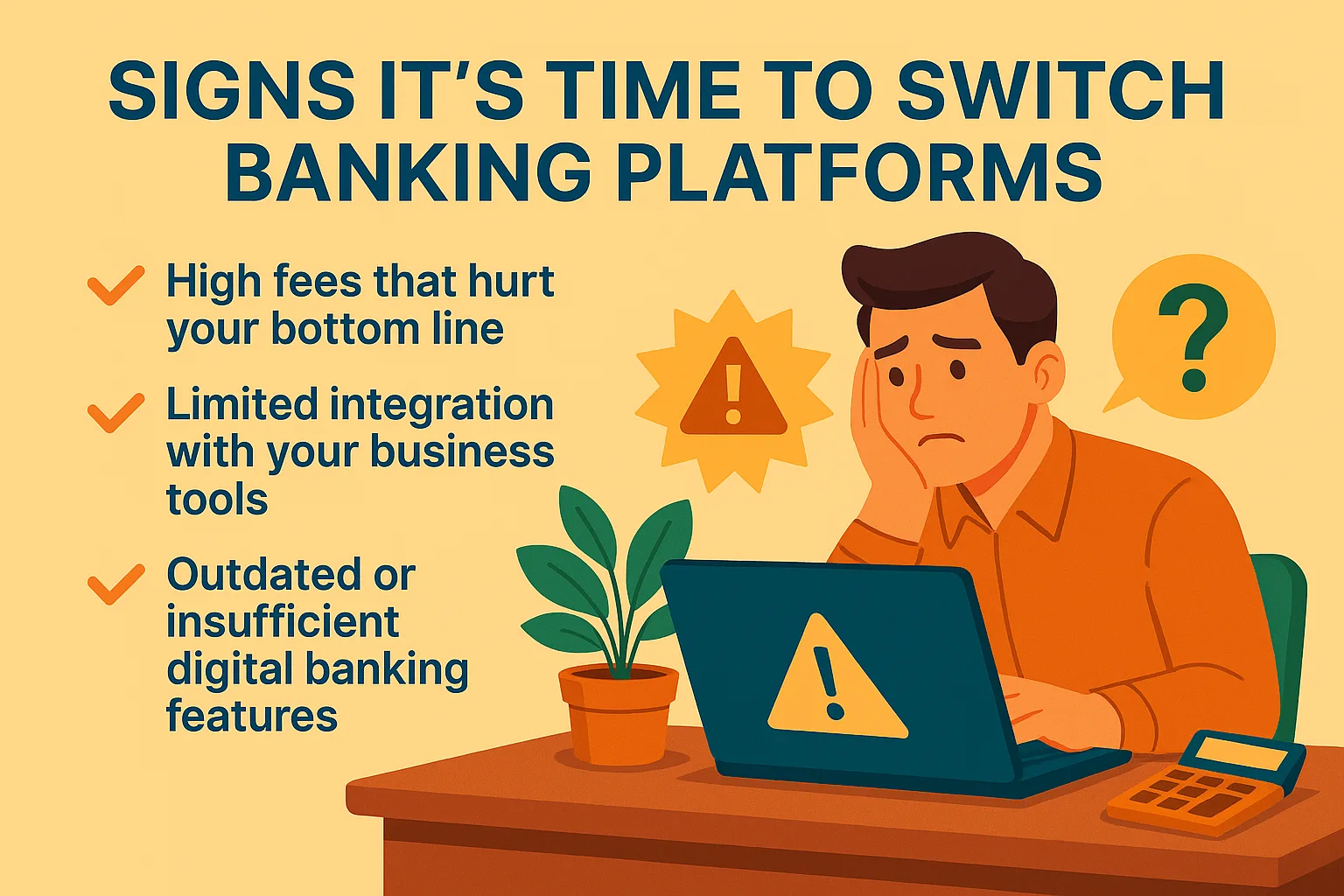
High fees that hurt your bottom line

High banking fees take away from your profits. Monthly charges, transaction costs, and hidden fees can add up fast. These expenses hurt small businesses the most by eating into their growth funds.

Switch to a platform with clear and fair pricing. Look for options that fit your business needs without surprise charges. Lowering fees means more money stays in your account for future plans or emergencies.

Limited integration with your business tools

Banks that don’t sync with your business tools create extra work. Manual data entry leads to mistakes and wastes time.

Current banking platforms should connect smoothly with software like QuickBooks, PayPal, or inventory systems. Direct integration saves effort and makes operations more efficient.

Outdated or insufficient digital banking features

Basic or outdated digital tools waste valuable time. Delays in processing payments or transfers frustrate business owners and clients. Limited mobile banking options make managing accounts harder when you’re away from the office.

Poorly designed platforms also increase security risks. Missing key features like instant alerts, fraud detection, or accounting software integration reduces efficiency and safety.

Good technology is essential for running a business smoothly.

Poor customer service experiences

Bad customer service can limit your business success. Long wait times, unhelpful responses, or unresolved issues waste valuable time and money. Your team should not have to chase answers for basic banking services.

A banking platform must offer quick and helpful support. Delays in fixing account issues or accessing funds can disrupt operations. Switching may lead to better communication and smoother problem-solving for your business needs.

Moving forward, consider if money movement options work well for you.

Inadequate money movement options

Slow payment processing can delay your business operations. This affects cash flow and frustrates clients or vendors waiting for their money.

Limited transfer options can also restrict growth. If your platform struggles with international payments or large transactions, you may miss important opportunities. Good banking services should offer fast, secure ways to move funds anywhere you need them.

Limited access to credit or financing solutions

Limited money movement hurts cash flow, but lack of credit options creates bigger problems. Businesses need financing to grow, invest in tools, or handle unexpected costs. Without access to loans or credit lines, you may miss chances to expand.

Many banks underserve small businesses by offering limited lending products. Some only work with large companies or set requirements too high for smaller ones. A banking platform should support your financial needs with flexible options like small business loans, equipment financing, or short-term credit solutions.

Lack of advanced data analytics and reporting

Many older banking platforms lack tools to track and analyze financial data. This makes it harder to spot trends, manage cash flow, or predict future expenses.

Good reporting tools help businesses plan better and make smarter decisions. Without these features, your business might miss growth opportunities or fail to find ways to save money.

Compliance issues or failed audits

Poor data tracking can lead to compliance problems. Missing reports or errors may attract penalties and hurt your business account.

Failed audits can damage trust in your financial management. Banking platforms without strong reporting tools put you at risk. Ensure your platform supports clear, compliant records for stress-free reviews.

What to look for in a new banking platform

Pick a platform that can handle your business needs as you grow. Focus on tools that improve efficiency and safety in every transaction.

Seamless technology integration

Connecting business tools with banking platforms should be simple. Your platform must link to your accounting software and payment systems efficiently. This saves time and reduces manual errors.

Look for platforms that support automation. Features like instant transaction updates or syncing with payroll systems improve daily operations. Good integration keeps processes smooth and increases productivity.

Transparent and competitive fee structures

High fees drain profits and restrict growth. If your bank charges excessive or hidden fees, it may be time to switch. Look for banking platforms that clearly show all pricing. Avoid services with surprise charges or unclear terms.

Choose a platform with competitive rates on transactions and accounts. Small businesses need cost-effective options to stay financially healthy. Clear fee structures help you make better financial decisions without confusion. Businesses exploring modern alternatives can review Corporate bank account options by Venn, which provide transparent pricing, low FX fees, and tools designed to help companies manage funds efficiently.

Robust digital and mobile banking tools

Clear fees help control costs, but modern tools boost efficiency. Digital and mobile banking must provide easy access to accounts anytime.

Businesses need features like quick transfers, instant updates, and payment tracking. These tools save time and enable better decision-making for busy owners.

Enhanced security features for transactions

Secure banking platforms protect your money and data. They use encryption to prevent information theft during transactions. Multi-factor authentication adds extra protection, requiring more than just a password.

Fraud detection tools watch accounts for unusual activity. Alerts notify businesses immediately about suspicious actions. Secure platforms also follow strict regulations to protect sensitive details and maintain trust in their systems.

Conclusion

Switching banking platforms is a significant change, but it can improve your business. The right platform saves money, time, and stress. Focus on tools that work for you, fair fees, and helpful service.

A better fit can improve how you run your business daily. Make the switch when it benefits your growth.

More must-read stories from Enterprise League:

Crack the code: How to build a winning email marketing campaign

Crack the code: How to build a winning email marketing campaign

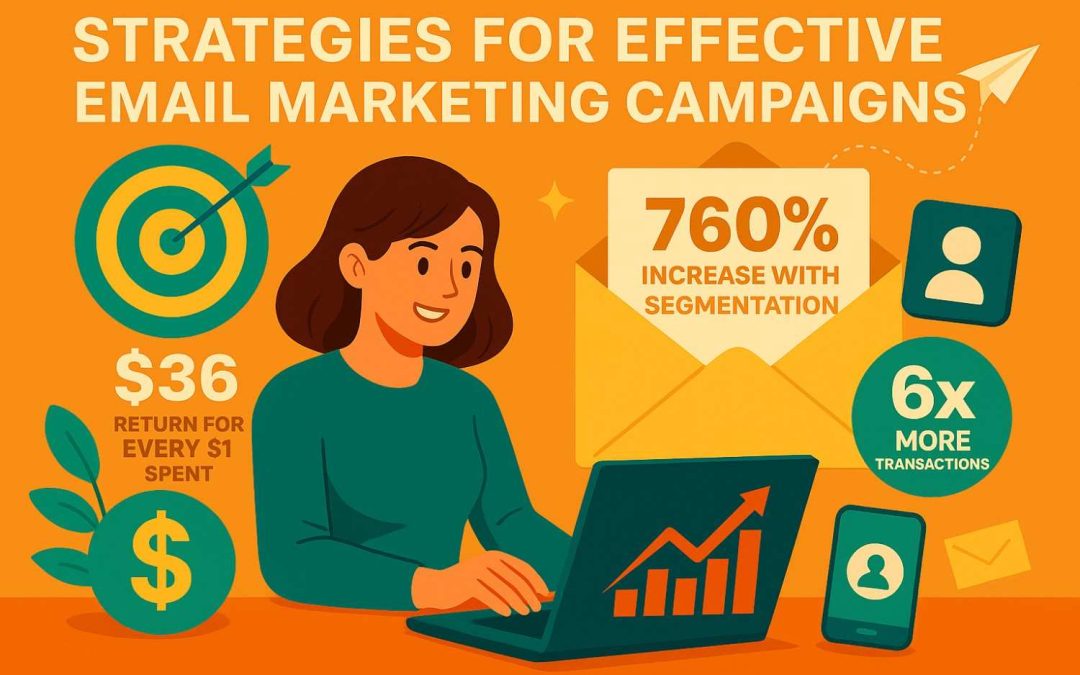
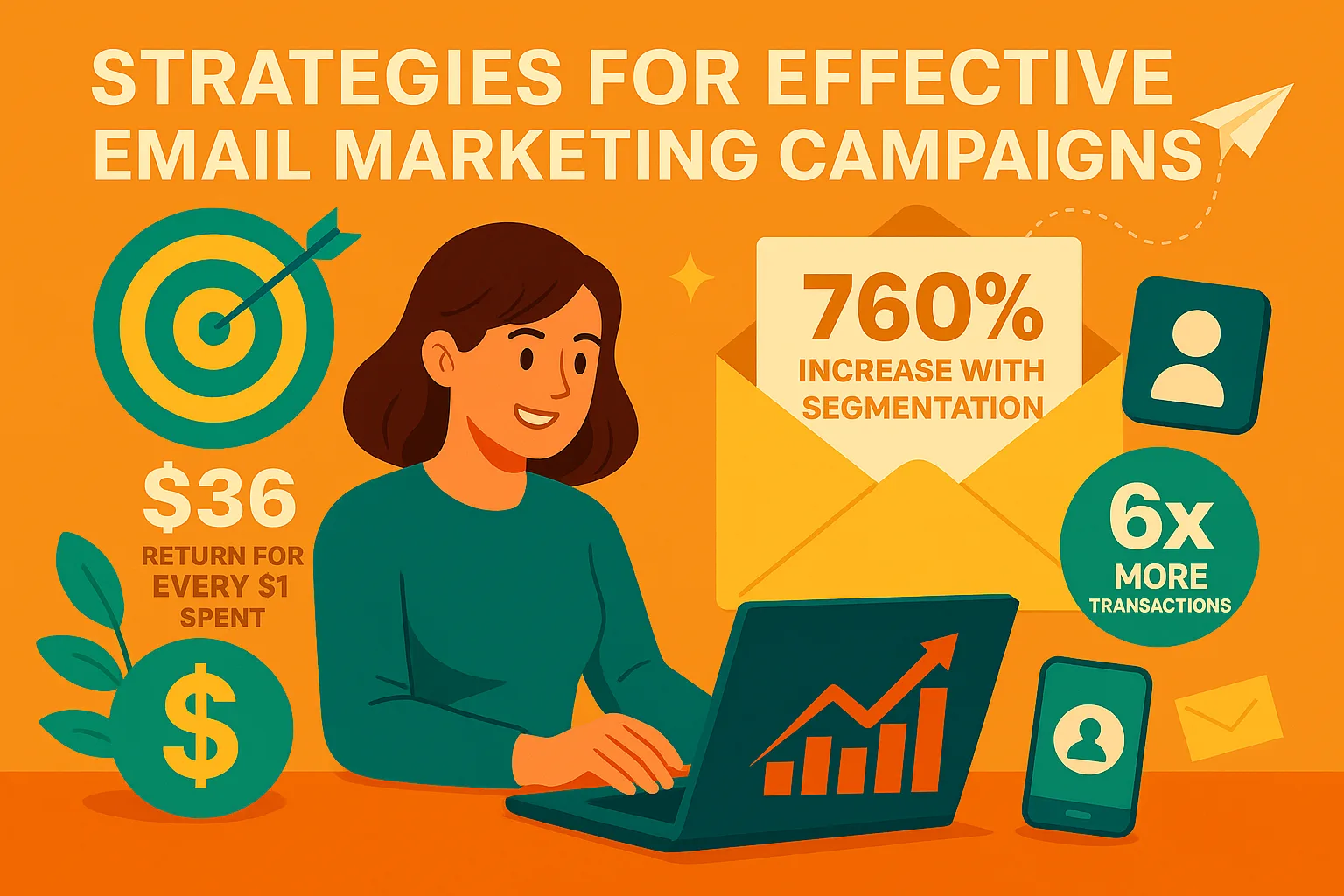
In a crowded digital space where attention spans are short, email marketing continues to deliver impressive results. It remains the most direct way to reach customers and drive sales. The numbers speak for themselves: email marketing generates $36 for every $1 spent, while customer segmentation can increase revenue by 760%. Add personalized content to your campaigns and you’ll see 6x more transactions.

However, generic mass emails no longer cut it if you want real results from your email marketing campaigns. You need data-driven strategies that provide genuine value and connect with your audience at the right moment. Here’s how to create email campaigns that build lasting relationships with subscribers and turn them into loyal customers.

Get crystal clear on your goals

Email marketing is one of the most effective ways to communicate with customers and grow your business steadily when done well. But successful campaigns need a strong foundation, starting with clear goals.

Setting specific objectives helps you create focused, strategic content that gets results. For example, if lead generation is your aim, create compelling lead magnets or free trial offers to encourage signups. If you want to increase user engagement, focus on creating valuable, entertaining content that captures attention.

Build a quality email list

Creating a high-quality email list is crucial for campaign success. Focus on attracting subscribers who are genuinely interested in your offerings by adding a simple signup form to your website homepage. Keep the form straightforward and avoid asking for too much information upfront.

Maintain your list’s quality by regularly removing inactive subscribers and invalid addresses. This improves delivery rates and prevents your emails from being marked as spam.

Use a custom email domain

While it may seem basic, many businesses overlook the importance of using a custom email domain. Rather than sending from a generic gmail.com address, a custom email domain builds trust and professionalism, showing customers your business is established and credible. It also provides better security and control over your data compared to free email services.

Custom domains are less likely to trigger spam filters than generic addresses. This makes them essential for maintaining credibility and ensuring your messages reach their intended recipients.

Use smart automation and personal touches

Personalization and automation work together to make your campaigns more effective. Using subscriber names in subject lines and tailoring content based on browsing history makes your messages more relevant, encouraging higher engagement and action.

Automation streamlines your workflow, helps deliver targeted messages efficiently, and tracks performance. This saves time while providing valuable data about engagement patterns and subscriber behavior that can improve your results and ROI.

Make sure your emails are optimized for mobile

With most people checking email on smartphones, mobile-friendly design is essential. Use responsive email templates that adapt smoothly to different screen sizes so your messages look great everywhere.

Keep subject lines brief since mobile screens show less text than desktop views. Long subject lines may get cut off, potentially losing readers before they open your email. Test your campaigns across various devices and email apps to catch any formatting issues that could hurt performance. This ensures your emails remain readable and effective regardless of how subscribers view them.

Keep track of your email marketing campaign’s performance

Monitoring and analyzing campaign results helps you understand what’s working and make improvements. Focus on key metrics like click-through rates, open rates, and conversions to see how subscribers interact with your emails.

Use this data to identify areas for improvement. For instance, if open rates are low, you might need more compelling subject lines to grab attention.

The bottom line

Successful email marketing requires a comprehensive strategy incorporating clear goals, quality subscriber lists, smart automation with personal touches, and mobile-optimized design. Following these guidelines helps create email marketing campaigns that consistently deliver strong results and support sustainable business growth.


More must-read stories from Enterprise League:

Patient Portals in Practice: Measurable Gains and Ongoing Gaps

Patient Portals in Practice: Measurable Gains and Ongoing Gaps

Healthcare technology changes fast, but patient portals stand out as a practical tool with clear benefits. They reduce avoidable emergency visits, limit missed appointments, and give patients direct access to their records. These improvements save time for providers while cutting costs for patients. The data shows clearly: digital engagement leads to measurable results. Still, portal adoption varies widely across age, income, education, and insurance types. User feedback highlights both loved features and ongoing frustrations. This balance between progress and challenge matters. Understanding who benefits most, and why, helps healthcare practices use portals with greater impact.

Impact on patient portal

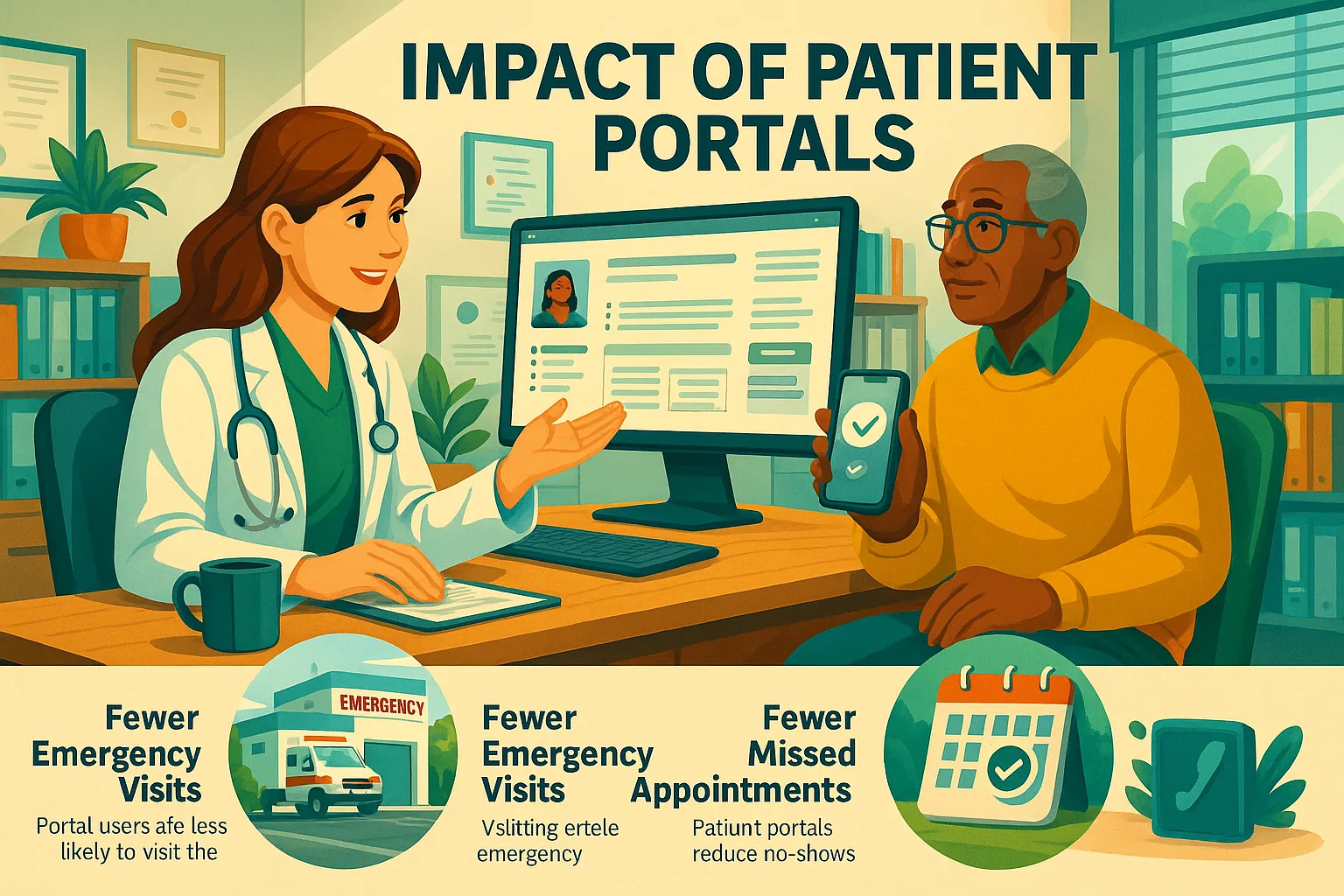
Medical facilities that use patient portals report fewer emergency department visits from their active users. Research shows portal users are 2.7% less likely to visit the emergency department. A detailed analysis revealed a 3.2% drop in emergency room visits among patients who actively used portals.

Chronic condition patients saw the most improvement. Research looking at patients with long-term health problems found portal users made substantially fewer emergency room visits than non-users.

Several factors contributed to this lower number, not just one element.

Patients can now report symptoms through secure messaging before their condition worsens. Easy access to lab results helps people feel calmer and prevents unnecessary ER visits. Self-scheduling options help them get timely care through the right channels. The financial benefits are substantial and noteworthy.

Emergency department visits cost thousands of dollars, so even small reductions save money for both healthcare systems and patients.

Fewer missed appointments

Missed appointments hurt healthcare efficiency. Provider time is wasted; revenue suffers; schedules are disrupted. It’s a triple whammy. Using a patient portal makes a significant difference.

Numbers tell the story clearly. A study of 19,968 appointments showed missed visits dropped from 9.5% for non-portal users to just 4.5% for portal users a remarkable 53% reduction in no-show rates. Portal users were 67% more likely to show up for appointments than non-users.

These benefits show up consistently. Digital reminders, simple rescheduling options, and calendar integration help patients keep their appointments. One healthcare organization noted fewer missed visits and fewer information requests after implementing a portal.

Patients stick to their appointments more reliably with portals. This creates ripple effects: doctors use their time better, patients get more consistent care, and practices run more smoothly.

Mixed results on hospital readmissions

Patient portals’ effect on hospital readmissions shows a more complex pattern. Some studies showed one thing, others something else entirely.

Positive results have been found in some research.

  •  Portal users were about 2% less likely to return within 30 days
  •  Chronic disease patients who used portals had fewer preventable hospital visits
  •  Users showed roughly 2% lower readmission rates
  •  Hospital stays were about 11% shorter for portal users

Other studies found different results:

  •  Heart attack, heart failure, or pneumonia patients who actively used portals had 66% higher 30-day readmission odds
  •  Moderate portal users had fewer 90-day readmissions than non-users, but frequent users showed no real difference

The reason for these differences might lie in how patients use portal features. While patient engagement through portals helps, electronic discharge and information exchange systems didn’t affect readmission rates.

Sometimes, portal use might identify patients who need more care. One report revealed people might use portals more because they anticipate needing more intensive care. Patients who expect to need clinical services may intentionally sign up for portal access.

Even with some conflicting data on readmissions, patient portals benefit healthcare significantly. Fewer trips to the ER and fewer missed appointments make them a clear improvement. This technology offers many advantages for most medical practices. Meanwhile, researchers continue studying how it affects hospital readmissions.

Who uses patient portals most?

Understanding usage patterns helps improve implementation. Patient portals show clear trends in adoption across different groups. Medical practices can focus their efforts by analyzing their portal users’ demographics. Who’s logging in and why? Here’s the breakdown.

Age and gender trends

Patient portal usage by age reveals unexpected patterns. Portal adoption actually increases with age until a certain point. Research shows activation rates peak at 41.61% for patients between 18-70 years. The numbers drop substantially after age 70.

The active user base shows an interesting double peak among people in their 30s and 60s. This creates what researchers call a “digital doughnut hole” in middle age ranges.

Portal usage differs significantly by gender. Women use portals more than men. Studies show female activation rates at 42.18% compared to male rates at 31.91% making women 59% more likely to activate portals. Studies indicate women place higher importance on portal features.

Female users access their medical records about 1.5 times more often than men. The pandemic changed this dynamic. By 2021, the difference in portal logins between men and women became statistically insignificant.

Role of education and income

Education levels shape portal usage dramatically. College graduates lead in adoption rates.

People with college degrees use portals 2.11 times more than those without high school diplomas.

Portal use increases with income. Users earn more on average than non-users (USD 74,172 vs. USD 62,940). People making over USD 75,000 yearly use portals 1.69 times more than those earning under USD 20,000.

The research revealed some surprising findings worth noting.

Highly educated users sometimes find portals “too complicated to use” (35%) compared to those with less education. College raises expectations.

Location affects usage too. Rural residents use portals 26% less than urban dwellers. Healthcare access remains a broader challenge, as this indicates.

Insurance type and portal adoption

Insurance type often predicts portal usage. Commercial insurance holders lead adoption rates 61% of portal users have commercial insurance, while only 40% of non-users do.

Medicare and Medicaid users show lower adoption. Portal users include 35% Medicare beneficiaries (versus 49% of non-users) and just 3.5% Medicaid recipients (versus 10% of non-users). Digital healthcare access remains uneven.

Insurance coverage significantly impacts healthcare experiences. Uninsured patients rarely have portal accounts (odds ratio 0.17). Patients with primary care providers create portal accounts five times more often.

Insurance types reveal distinct messaging patterns. Most older adults send messages, ranging from 58.6% of traditional Medicare enrollees without supplements to 75.2% of Veterans Affairs beneficiaries.

Race and ethnicity influence adoption. Asian users show highest activation (58.1%), followed by White users (39.52%). African American/Black (21.78%) and Hispanic/Latino populations (26.49%) show lower rates. These patterns create opportunities for medical practices to develop targeted strategies to increase digital engagement by identifying patient groups that need extra support with patient portal software.

What patients like (and don’t)

Patients have clear preferences about patient portal software features. Medical practices implementing digital tools can learn from user experiences. Understanding satisfaction factors helps improve adoption rates and engagement.

Top-rated features by users

Lab results and clinical data access tops the list of features patients love. Research shows 83% of patients want to see their test results without waiting for calls. The numbers tell the story 98% of users head over to their portals mainly to check their results.

Secure messaging comes in as the second-favorite feature. More than 62% of patients message their providers regularly. This direct connection between patients and care teams eliminates the back-and-forth of phone tag.

Online prescription management gets high praise from patients. About 42% of portal users love asking for refills online. Both patients and staff save time by cutting down on phone calls.

Booking appointments online ranks fourth on patients’ priority list. Around 41% of users appreciate booking, changing, or canceling appointments on their own. This means practices spend less time on administrative tasks.

Health education resources get positive feedback too. About 40% of patients read health information on their portals. Many feel better prepared for their visits after reading the materials.

Patient portal use evolves with experience. While 58% start using portals because their doctors suggest it, they soon discover features that make managing their healthcare easier.

Common frustrations and complaints

Technical issues are the biggest problem for patients. About 25% run into portal problems like:

  •  Login and password reset troubles
  •  System crashes and errors
  •  Hard-to-navigate screens
  •  Problems with certain devices or browsers

Slow provider responses really bother patients. About 35% of patients don’t like waiting for replies to their messages. They expect answers within 24-48 hours, but responses often take 3-5 days.

Poor interface design creates obstacles. About 30% of users find portals confusing and hard to understand. While this affects all age groups, older adults struggle more.

Many users want more from their portals. Around 22% wish for extra features that aren’t available.

The most wanted additions include:

  •  Billing and payment options
  •  Specialist scheduling
  •  Document or image uploads
  •  Video visits

Privacy remains a concern despite security measures. About 15% of patients worry about their medical information staying safe. Older adults and those with sensitive health conditions worry more about this.

Poor system integration bothers patients too. About 18% of patients get incomplete information or need multiple portal accounts when systems don’t work together well.

These insights help medical practices select and implement effective systems. Patient portals serve as tools to help patients manage their health online. Success depends on meeting patient needs and preferences. Even advanced portals fail when patients find them difficult to use.

Conclusion

Patient portals transform patient-provider interactions, but their value depends on actual use, not just availability. Good adoption reduces unnecessary visits, decreases missed appointments, and improves communication. However, poor usability or slow response times reduce satisfaction and discourage engagement. Data reveals clear patterns about portal users and their preferences, offering practical guidance for improving adoption strategies. The takeaways are straightforward: prioritize patient feedback, minimize barriers, and add meaningful features. Despite mixed findings on hospital readmissions, the evidence indicates patient portals enhance healthcare access, efficiency, and patient experience overall.

More must-read stories from Enterprise League:

Generating Criminal Defense Leads Through Ethical and Predictive Marketing Models

Generating Criminal Defense Leads Through Ethical and Predictive Marketing Models

When someone searches for a criminal defense attorney, they’re not making a casual consumer choice – they’re facing a crisis. In moments of intense fear and confusion, they need discretion and reassurance, not aggressive marketing tactics common to personal injury law firms. This requires a thoughtful approach that uses data intelligently while maintaining strict ethical standards. The goal is to build a digital presence that offers a clear, confidential path to help when potential clients need it most.

Building trust through ethical marketing

For criminal defense attorneys, trust matters more than anything else. Marketing efforts must focus on earning that trust by providing value and reassurance before a potential client makes contact. Every piece of marketing content needs to maintain a professional, supportive, and non-judgmental tone.

Key aspects of ethical criminal defense marketing:

  •  Educational Content: Providing clear, accurate information about legal rights, common criminal procedures, and potential consequences without legal jargon.
  •  Focus on Process & Experience: Explaining how your firm handles cases and highlighting relevant experience, rather than guaranteeing specific results.
  •  Empathetic Language: Using a supportive and non-judgmental tone that acknowledges the client’s distress and fear.
  •  Transparency: Being upfront about fees, what clients can expect, and the limitations of legal outcomes.
  •  Client Testimonials (Ethical): Featuring testimonials that focus on the firm’s support, communication, and professionalism, rather than case outcomes.
  •  Community Resource: Offering free guides, FAQs, or public speaking on legal topics to establish the firm as a helpful presence.

The most effective strategy positions your firm as a trusted resource by creating detailed content that answers urgent questions like “What are my rights if I’m questioned?” or “How does the bail process work?” Focus on your experience, process, and dedication to providing a strong defense rather than promising specific outcomes.

Understanding and anticipating client needs

People follow a common pattern when seeking legal help. They start with broad information-gathering queries like “what are my rights during a traffic stop” before moving to specific searches like “best criminal lawyer in my city.” By creating valuable content for each stage of this journey, your firm becomes the reliable resource they discover early on. This approach to generating criminal defense leads focuses on meeting user needs rather than just targeting competitive keywords.

Creating a welcoming digital presence

Your website should serve as a calm, clear space where distressed individuals can find help. Key features include:

  • Simple, mobile-friendly design
  • Easily visible contact information including 24/7 phone numbers
  • Discreet chat or contact forms on every page
  • Attorney bios that demonstrate empathy and experience
  • Clean layouts with clear navigation

The best law firm website examples use uncluttered designs, meaningful testimonials about attorney character, and reassuring messaging that encourages potential clients to reach out.

Tailoring visibility strategies for criminal defense

Marketing tactics for criminal defense require more subtlety than other practice areas. While paid search can work well for immediate needs, ad copy must remain supportive and informative rather than sensational. Local SEO and an optimized Google Business Profile are essential for capturing urgent “near me” searches.

Unlike personal injury marketing that often uses high-visibility tactics like billboards or TV jingles, criminal defense marketing must prioritize discretion. Success comes not from being the loudest voice, but from being the most trusted resource for those actively seeking help.

Conclusion

A successful marketing strategy for criminal defense firms combines smart data analysis with unwavering ethical standards. By understanding the client journey and providing valuable, supportive information at each step, firms can build trust while generating quality leads. This approach does more than drive growth – it maintains high professional standards and serves as a genuine resource for people during vulnerable moments.

More must-read stories from Enterprise League: