The Rise of Digital Products and Their Impact on the Modern Economy

The Rise of Digital Products and Their Impact on the Modern Economy

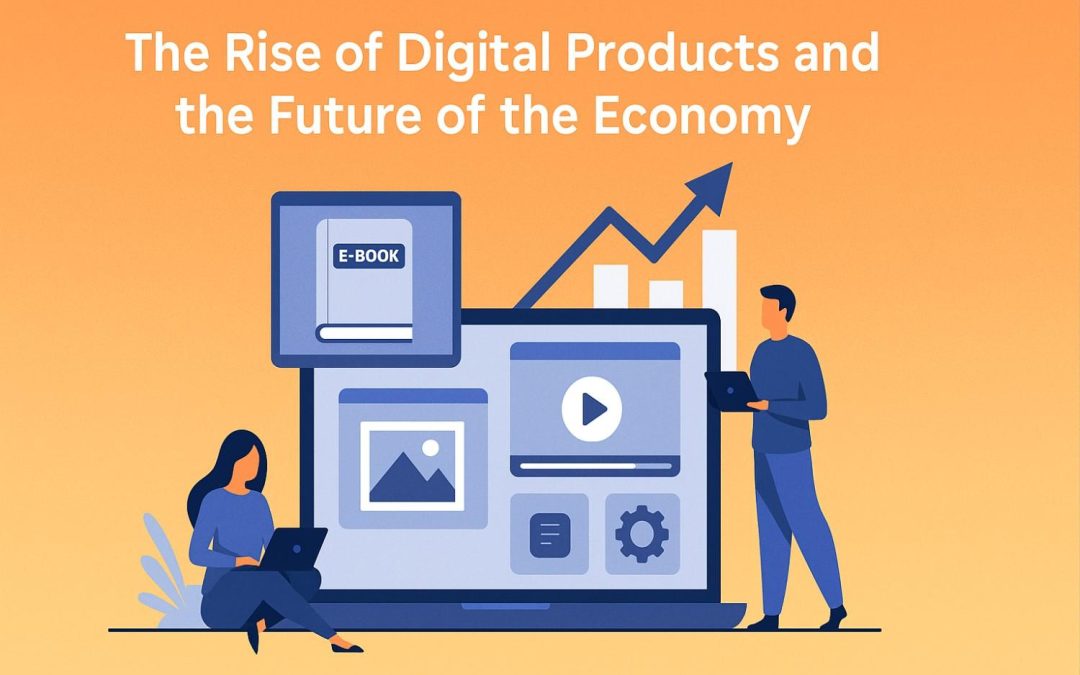
The internet has fundamentally changed how we create, sell, and consume goods. Among the most significant developments in recent years has been the explosive growth of digital products. These intangible assets, which can be sold, downloaded, or accessed online, are transforming how people build businesses and generate income. From e-books and online courses to software, templates, and digital art, these virtual goods are creating unprecedented opportunities for entrepreneurs, freelancers, and creative professionals worldwide.

The shift from physical to virtual commerce represents more than just a technological upgrade. It signals a fundamental change in how value is created and distributed in the global economy. As more people gain access to high-speed internet and digital payment systems, the market for online goods continues to expand at an remarkable pace. This transformation affects not only individual creators but entire industries, from education and entertainment to business services and creative arts.

The shift toward a digital economy

The global economy is experiencing a profound transition from traditional physical goods to virtual alternatives. This change brings remarkable opportunities for creators, freelancers, and small business owners who previously faced significant barriers to entry in traditional markets. Unlike physical products, virtual goods eliminate the need for storage facilities, shipping logistics, or manufacturing infrastructure. Once created, a single digital product can be sold thousands of times without additional production costs, creating substantial potential for passive income streams.

The economics of virtual goods are particularly compelling. Traditional businesses often struggle with inventory management, warehousing costs, and the risk of unsold stock. In contrast, creators of online content face none of these challenges. A photographer can sell the same stock photo to multiple buyers simultaneously. An educator can enroll unlimited students in an online course without worrying about classroom capacity. A programmer can distribute software to customers around the world without printing a single manual or shipping a physical disc.

This scalability extends beyond simple cost savings. The internet enables individual creators to reach audiences that were previously accessible only to large corporations with substantial marketing budgets. A graphic designer in Thailand can sell templates to customers in Canada. A fitness instructor in Brazil can teach classes to students in Germany. Geographic boundaries that once limited market reach have essentially disappeared, allowing talented individuals to build global businesses from their laptops.

The democratization of commerce through digital channels has particularly benefited creators in developing countries and underserved communities. People who previously lacked access to traditional distribution networks can now compete on equal footing with established businesses. This shift has created new economic opportunities in regions where traditional employment options may be limited, contributing to greater economic equality and opportunity worldwide.

Why virtual goods represent the future of earning

The appeal of digital products extends to both creators and consumers, making them an increasingly attractive option in modern commerce. For customers, virtual goods offer immediate gratification through instant downloads, 24/7 availability, and often lower prices than physical alternatives. There’s no waiting for shipping, no risk of items being damaged in transit, and no physical storage requirements. These benefits have made consumers increasingly comfortable with purchasing intangible assets online.

For creators, the advantages are equally compelling. The low overhead costs associated with virtual goods mean that profit margins can be substantially higher than with physical products. There’s no need to maintain inventory, rent warehouse space, or deal with returns of damaged items. Many professionals are now turning to platforms like EarnEra Digital Products to explore and market their virtual creations effectively.

EarnEra serves as a comprehensive platform that enables users to create, manage, and sell their virtual offerings with minimal technical expertise. The platform provides an integrated ecosystem where creators can showcase their work, analyze performance metrics, and optimize their earnings without dealing with complex technical requirements. With features designed for both newcomers and experienced sellers, it streamlines the path to building a successful online business.

The financial model of virtual goods also allows for more flexible pricing strategies. Creators can experiment with different price points, offer bundle deals, or implement subscription models without the constraints that physical inventory would impose. This flexibility enables sellers to respond quickly to market demand and optimize their revenue streams based on customer behavior and preferences.

Building sustainable income through virtual commerce

Creating and selling online content represents more than just a side hustle for many people. It has become a viable path to financial independence and career fulfillment. Writers who once struggled to find publishers can now self-publish e-books directly to readers. Musicians can distribute their music without record labels. Educators can share their expertise without institutional backing. This direct-to-consumer model eliminates traditional gatekeepers and allows creators to retain greater control over their work and earnings.

The sustainability of virtual commerce lies in its ability to generate recurring revenue with minimal ongoing effort. Once a high-quality product is created and listed for sale, it can continue generating income for months or years with little additional work. This passive income potential allows creators to build multiple revenue streams, diversifying their income and reducing financial risk.

Success in the virtual marketplace requires understanding customer needs and delivering genuine value. The most successful creators focus on solving specific problems or fulfilling particular needs for their target audience. Whether it’s providing business templates that save time, educational content that builds skills, or creative assets that inspire, the key lies in creating products that customers find genuinely useful or enjoyable.

Empowering the next generation of creators

The virtual economy does more than generate revenue. It empowers individuals to share their knowledge, skills, and creativity with a global audience. Through platforms like EarnEra Digital Products, aspiring entrepreneurs can launch their offerings, build loyal audiences, and develop recognized personal brands without significant upfront investment.

Educational content has become one of the fastest-growing categories in virtual commerce. Professionals with specialized knowledge can package their expertise into courses, tutorials, or guides that help others develop new skills. This knowledge transfer creates value not just for individual creators but for society as a whole, as skills and information spread more efficiently than ever before.

The creative arts have also flourished in this new economy. Digital artists, photographers, and designers can monetize their work through stock images, design templates, and custom graphics. Writers can publish fiction and non-fiction directly to readers. Musicians can sell beats, samples, and sheet music to other artists. The variety of creative work that can be monetized continues to expand as technology opens new possibilities.

As artificial intelligence, blockchain technology, and automation tools become more sophisticated, they’re creating additional opportunities for innovative virtual goods. AI-powered tools can help creators produce content more efficiently, while blockchain technology offers new ways to verify ownership and authenticity of digital assets. These technological advances will likely accelerate the growth of virtual commerce in coming years.

Conclusion

The rise of digital products represents a fundamental shift in how business is conducted and value is created in the modern economy. This transformation offers unprecedented opportunities for individuals to build profitable businesses with minimal capital investment and maximum flexibility. The ability to create once and sell repeatedly, combined with global market access and low overhead costs, makes virtual commerce an attractive option for entrepreneurs and creative professionals alike.

Success in this space requires more than just technical knowledge. It demands an understanding of market needs, a commitment to quality, and the ability to connect with customers authentically. Platforms like EarnEra provide the tools and infrastructure needed to succeed, but ultimately, success comes from creating products that genuinely serve customer needs and deliver real value.

As we look to the future, the virtual economy will likely continue its expansion, creating new opportunities for those willing to adapt and innovate. Whether you’re an artist, educator, writer, or professional with specialized knowledge, the tools and platforms now exist to transform your expertise into a sustainable online business. The question is no longer whether to participate in the virtual economy, but how to make the most of the opportunities it presents.


More must-read stories from Enterprise League:

5 Best Employer of Record Services in UK to Navigate Brexit Compliance

5 Best Employer of Record Services in UK to Navigate Brexit Compliance

The United Kingdom offers a highly skilled, multilingual workforce with particular strengths in financial services, technology, creative industries, and life sciences. Despite Brexit’s impact on EU labor mobility, the UK remains a global talent hub with strong employment protections and a sophisticated business environment. An Employer of Record (EOR) is a third-party organization that becomes the legal employer of your workforce, handling all employment responsibilities including contracts, payroll, tax withholding, benefits administration, and regulatory compliance. This arrangement allows companies to hire employees in the UK without establishing a local entity.

Hiring in the UK presents unique challenges post-Brexit, including managing new immigration requirements for EU workers, handling complex employment law including statutory rights to sick pay and parental leave, and ensuring compliance with HMRC tax regulations and auto-enrollment pension schemes. EOR services specifically address these UK complexities by managing PAYE tax compliance, handling National Insurance contributions, administering statutory benefits, ensuring adherence to Working Time Regulations, and managing right-to-work verification. The long-term benefits include rapid market entry, reduced administrative burden, guaranteed compliance with changing post-Brexit regulations, and the flexibility to scale your UK workforce efficiently.

This comprehensive guide evaluates 5 leading EOR providers based on real G2 ratings, transparent pricing data, compliance capabilities, and customer support quality to help you make an informed decision for your UK expansion.

Best EOR companies in UK

  •  Borderless AI
  •  Deel
  •  Remote
  •  Papaya Global
  •  Velocity Global

Our picks for the 5 best EOR companies in UK

Borderless AI

Borderless AI is the world’s first AI-native Employer of Record platform, combining intelligent automation with comprehensive global employment infrastructure. Unlike traditional EOR providers, Borderless AI has built artificial intelligence into the core of its platform, enabling faster onboarding, real-time compliance monitoring, and automated payroll processing across 170+ countries.

Why Use Borderless AI for EOR in UK

Borderless AI excels in the UK market through its AI-powered compliance engine that automatically adapts to post-Brexit employment regulations, HMRC requirements, and changing statutory obligations. The platform’s North America-based support team provides expert guidance on UK-specific employment matters, while its zero-deposit payroll system ensures employees receive accurate, on-time payments without upfront capital requirements.

Key Benefits and Features:

  •  AI-native platform with real-time compliance automation for UK employment law
  •  3-5 day payroll processing (fastest in the industry) with zero salary deposits required
  •  100% entity ownership ensuring direct employment relationships
  •  Onboarding completed in 5-7 business days
  •  24/7 North America-based customer support team with 4.9/5 G2 rating
  •  Automated contract generation aligned with UK tax law and statutory requirements
  •  Multi-currency support across 90+ currencies including GBP

Price: $579/employee/month

Country Coverage: 170+ countries

G2 Rating: 4.9/5

Free Trial: Demo

Legal & Compliance: Borderless AI maintains compliant employment contracts fully aligned with UK tax law, HMRC regulations, and statutory employment rights. The platform’s AI-driven compliance engine continuously monitors regulatory changes to ensure ongoing adherence to UK employment standards.

Customer Support: 24/7 live support with dedicated Customer Success Managers based in North America, consistently rated 4.9/5 on G2 for responsiveness and expertise in global employment matters.

Deel

Deel is a comprehensive global employment platform offering EOR services, contractor management, and integrated payroll solutions. With a strong presence in over 150 countries, Deel has established itself as a major player in the global employment space, backed by significant venture capital and a large in-house legal team.

Why Use Deel for EOR in UK

Deel provides strong UK employment solutions with automated local contract generation that complies with UK employment law and post-Brexit requirements. Their 200+ in-house legal experts ensure contracts meet HMRC standards and statutory obligations, while their integrated platform combines onboarding, payroll, and benefits administration in a single system.

Key Benefits and Features:

  •  Hire in 150+ countries with automated local contracts and payroll
  •  Integrated onboarding, payroll, and benefits administration
  •  200+ in-house legal experts ensuring full local compliance
  •  Automated contract generation for UK employment law
  •  Multi-currency payment processing
  •  Contractor and full-time employee management on one platform

Price: $599/employee/month

Country Coverage: 150+

G2 Rating: 4.8/5

Free Trial: Demo

Legal & Compliance: Deel offers direct employment in 150+ countries with full local compliance supported by 200+ in-house legal experts who ensure adherence to UK employment law, tax regulations, and statutory requirements.

Customer Support: Dedicated 24/7 support team known for responsive assistance across multiple channels, helping clients handle complex employment matters.

Remote

Remote operates on a compliance-first model, owning all legal entities in the countries where it provides EOR services rather than outsourcing to third-party partners. This approach gives Remote direct control over employment relationships and compliance management across 170+ countries.

Why Use Remote for EOR in UK

Remote’s compliance-first approach ensures direct employment relationships in the UK without third-party intermediaries. Their owned legal entities provide greater control over UK employment compliance, while built-in misclassification protection helps companies manage the complexities of worker classification under UK law.

Key Benefits and Features:

  •  Hire and pay employees in 150+ countries with localized agreements
  •  Multi-currency payment processing including GBP
  •  Contractor payroll and benefits management
  •  Compliance-first model with owned legal entities (no outsourcing)
  •  Built-in misclassification protection
  •  Localized employment agreements for UK law

Price: $599/employee/month

Country Coverage: 170+ countries

G2 Rating: 4.6/5

Free Trial: Yes

Legal & Compliance: Remote’s compliance-first model means they own all legal entities in supported countries, eliminating outsourcing risks. This provides built-in misclassification protection and ensures direct adherence to UK employment law and HMRC requirements.

Customer Support: 24/7 global support team recognized for knowledgeable and timely assistance across employment, payroll, and compliance matters.

Papaya global

Papaya Global provides end-to-end payroll and EOR services across 100+ countries, with additional capabilities in global contractor management and immigration support. Their cloud-based platform automates compliance for payroll, taxes, and benefits administration.

Why Use Papaya Global for EOR in UK

Papaya Global’s cloud-based platform delivers automated compliance for UK payroll, taxes, and benefits, reducing administrative burden while ensuring adherence to HMRC requirements. Their immigration management capabilities are particularly valuable for companies managing post-Brexit visa requirements for international hires.

Key Benefits and Features:

  •  End-to-end payroll and EOR services in 100+ countries
  •  Global contractor and immigration management
  •  Cloud-based platform with automated compliance
  •  Automated payroll tax and benefits administration
  •  Immigration support for UK visa requirements
  •  Integrated workforce management tools

Price: $599/employee/month

Country Coverage: 160+ countries

G2 Rating: 4.5/5

Free Trial: Demo

Legal & Compliance: Cloud-based platform ensuring automated compliance for payroll, taxes, and benefits in all supported countries, including comprehensive UK employment law adherence and HMRC tax management.

Customer Support: Highly responsive support with dedicated success teams that guide clients through complex global employment scenarios.

Velocity global

Velocity Global offers AI-enabled global employment solutions with comprehensive payroll, benefits, and entity setup services across 185+ countries. Their extensive network of 240+ in-country HR and legal experts provides localized compliance support.

Why Use Velocity Global for EOR in UK

Velocity Global’s 240+ in-country specialists include UK-based HR and legal experts who provide localized guidance on employment law, HMRC compliance, and statutory requirements. Their AI-enabled platform streamlines hiring and management processes while offering legal indemnity and comprehensive tax management.

Key Benefits and Features:

  •  AI-enabled platform for global hiring and management
  •  Full payroll, benefits, and entity setup worldwide
  •  240+ in-country HR and legal experts
  •  Legal indemnity and tax management services
  •  Comprehensive benefits administration
  •  Entity setup support for companies considering UK establishment

Price: Custom (est. $500+/employee)

Country Coverage: 185+

G2 Rating: 4.6/5

Free Trial: Demo

Legal & Compliance: Local employment compliance assured by 240+ in-country HR and legal experts who provide specialized knowledge of UK employment law, along with legal indemnity and comprehensive tax management services.

Customer Support: Extensive local support team with 240+ specialists providing in-country expertise, though some reviews note mixed experiences with response times.

How to choose the best EOR company

Selecting the right EOR provider for your UK expansion requires careful evaluation of your specific needs against provider capabilities:

  •  Assess Your Budget: Determine your per-employee budget considering that prices range from $199 to $699 monthly. Factor in the total cost of employment including the EOR fee, employee salaries, and statutory benefits.
  •  Evaluate Compliance Needs: If your industry faces strict regulatory requirements or you’re concerned about post-Brexit compliance, prioritize providers with strong legal teams, direct entity ownership, and proven UK expertise.
  •  Consider Onboarding Speed: If rapid market entry is critical, look for providers offering fast onboarding (5-7 business days or less) and quick payroll processing timelines.
  •  Review Platform Capabilities: Assess whether you need advanced features like AI automation, integrated contractor management, immigration support, or unified HR platforms versus basic EOR services.
  •  Check Support Quality: Review G2 ratings and support availability. If you require UK-hours support or specialized guidance, ensure the provider offers appropriate coverage and expertise.
  •  Verify Direct vs. Outsourced Services: Understand whether the provider owns UK entities directly or outsources to third parties, as this affects control, compliance accountability, and service quality.
  •  Test the Platform: Request demos from your shortlisted providers to evaluate user experience, reporting capabilities, and how well the platform aligns with your HR workflows.
  •  Read User Reviews: Examine G2 reviews specifically mentioning UK operations to understand real-world experiences with compliance, payroll accuracy, and support responsiveness.

Final thoughts

Choosing the right employer of record services in UK is a strategic decision that impacts your ability to access British talent, maintain compliance with complex post-Brexit regulations, and scale efficiently in one of the world’s most sophisticated business markets. The 5 providers evaluated in this guide offer varying strengths across pricing, compliance capabilities, platform features, and support quality.

Data-driven decision making is essential when selecting an EOR partner. Consider the comparison table’s objective metrics including G2 ratings reflecting real user experiences, transparent pricing structures, compliance approaches, and support availability alongside your specific requirements for UK market entry speed, budget constraints, and long-term growth plans.

The UK employment environment continues to change with post-Brexit regulatory updates, making it crucial to partner with an EOR provider that demonstrates strong compliance infrastructure, responsive support, and the ability to adapt to regulatory shifts. Whether you prioritize AI-driven automation, budget-friendly pricing, or premium compliance expertise, the right EOR partner will transform UK hiring from a complex challenge into a strategic advantage.

More must-read stories from Enterprise League:

The Mirage of the ‘Next Big Coin’ and How Price Hype Tricks Even Smart Investors

The Mirage of the ‘Next Big Coin’ and How Price Hype Tricks Even Smart Investors

Every several months, a new coin becomes “the next Bitcoin” product. But beneath the headlines, the experience of tripping over hype is much more unpalatable. Spikes can dazzle the mind, but aftershocks find wallets a dollar lighter as lessons prove more difficult.

The pull of crypto coin prices can feel irresistible. Charts climb, social feeds buzz and suddenly a project looks unstoppable. Yet what feels like a golden ticket often fades as fast as it arrives. This cycle doesn’t just catch beginners; it trips up even the most seasoned investors.

When numbers start to dance

The story usually begins with soaring charts. A coin doubles overnight and the spotlight grows brighter. If you’ve ever watched those green candles stack, you know how easy it is to feel late to the party. By early 2024, CoinGecko was tracking over 13,000 cryptocurrencies, but only a small fraction showed sustained adoption, liquidity or long-term viability. Most faded once the hype cooled.

That’s the trick of price hype: it makes volatility look like stability. For every chart that climbs fast, dozens of tokens collapse quietly. And unlike equities, crypto markets rarely offer quarterly earnings, regulatory filings or established revenue streams to lean on. In many cases, the “fundamentals” are nothing more than whitepapers, Discord chatter and promises of future utility. That makes prices seem the only relevant data point, even though they’re often the least reliable indicator of a project’s health.

The psychology of missing out

There is no logic behind price hype; it is a matter of emotion. The fear of missing out is intense enough to supersede research. Social media is vital in crypto investment choices. As an illustration, a survey conducted by the UK Financial Conduct Authority in 2022 revealed that 58 percent of those who invested in cryptocurrencies claimed that social media and the news influenced their decision to buy the cryptocurrencies (FCA, 2022).

You’ve probably felt that same pressure. A friend swears a coin is going “to the moon,” suddenly, hesitation feels like a mistake. Skepticism can even feel socially risky in group chats and X threads, as if you’re missing something obvious that everyone else understands. Hype thrives in echo chambers, where dissent gets drowned out and optimism feeds on itself.

It’s not that investors don’t realize better. Many realize the risk, but realizing doesn’t eliminate emotion. Behavioral finance studies demonstrate that losses sting twice as much as gains bring joy, making the risk of missing out intolerable. The buzz isn’t merely hype; it’s psychology in action.

Yi He, Co-Founder of Binance, captures this tension well: “Crypto isn’t just the future of finance – it’s already changing the system, one day at a time.” Yet that transformation unfolds over years, not weeks, making patience more valuable than panic buying.

When ‘expert’ predictions backfire

Every surge brings with it bold predictions. Charts are circulated, big numbers get thrown around and suddenly the narrative is that “this is different.” But history shows how often those forecasts collapse under scrutiny.

Take TerraUSD’s collapse in 2022, which erased $40 to 45 billion in the combined market value of UST and LUNA over just days. Many believed it was the next stable innovation. Instead, it highlighted how predictions, no matter how confident, can’t override economic reality. Similar cautionary tales surround meme coins like Dogecoin and Shiba Inu, which generated staggering short-term wealth for early adopters but left latecomers nursing painful losses when gravity kicked in.

The problem with expert forecasts is not that they’re always wrong, but they rarely account for the unpredictable mix of regulation, technology and human behavior that drives crypto markets. The louder the certainty, the more skeptical an investor should be.

As Catherine Chen, Head of VIP & Institutional at Binance, notes: “Regulatory architecture is gradually aligning with the operational realities of digital asset markets, making long-term institutional adoption more viable.” In other words, progress comes from slow regulatory alignment and infrastructure, not from overnight speculation.

Reading the signals in crypto coin prices

Here’s the part most people miss: crypto coin prices don’t just rise and fall; they reveal behavior. When prices rally, trading volumes and payment adoption spike. Spending power shrinks when the level decreases. By 2023, the transaction volume of crypto worldwide had hit the low trillions of dollars and was also highly concentrated in a few significant assets. Although up to 70% of the value may be concentrated in the top five coins, it is hard to secure the specific amount.

That concentration is telling. It suggests that hype-driven projects rarely sustain the same momentum as established players. Network effects matter: projects with real adoption build infrastructure, user bases and utility. Projects running purely on buzz often stall once the speculative fuel burns out.

Richard Teng, CEO of Binance, summarized this adoption curve: “Global adoption often starts with a single domino. Now that crypto is being recognized as a legitimate financial instrument within one of the world’s largest retirement systems, the question is no longer what, but when.”

The hard truth is that crypto’s most durable coins look boring compared to the shiny “next big thing.” But boring often wins.

Lessons in resisting the mirage

So how do intelligent people still get tricked? Because hype feels good. A rising chart taps into the same part of the brain as winning a jackpot. Yet numbers alone can’t tell the whole story.

Crypto isn’t going away and innovation continues to appear. But the mirage of the “next big coin” will always tempt those chasing quick riches. The challenge for any investor is resisting the glitter long enough to see what truly shines. The shine may be bright, but the desert floor is usually ahead.

More must-read stories from Enterprise League:

MVPs on a Budget: How Entrepreneurs Validate Faster Without Investors

MVPs on a Budget: How Entrepreneurs Validate Faster Without Investors

The modern technological environment offers a large number of strong opportunities, but, at the same time, the frenetic pace of technological development makes it difficult to understand which ideas are viable and which are not. This problem is especially significant for startups, where entrepreneurs are often faced with the challenge of validating their ideas before significant investment. Traditional funding routes can be slow and cumbersome, leaving many innovators wondering how to test their concepts with a relatively small budget. The good news is that creating a Minimum Viable Product (MVP) on a budget is not only possible but also an efficient way to test the waters. This article explores how entrepreneurs can validate their ideas quickly and affordably without relying on external investors.

Understanding MVPs

Let’s start with defining what an MVP is. A Minimum Viable Product is the most basic version of a product that can be released to the market. It contains just enough features to attract early adopters and gather valuable feedback. By focusing on the core functionalities, entrepreneurs can minimize costs while still gaining insights into customer preferences and market demands.

MVPs do not even have to be based on software alone. In many cases, it is enough for them to emulate some features well enough to give potential customers an idea of how the future product will look and work. For example, Uber started with a simple app provided to a small number of pre-selected clients. This early test allowed the founders of the product to understand the main problems and strengths of their product and then launch it on their own market and later globally. A Bubble development service or a service based on other no-code technologies makes MVP development of this type much more accessible than in the past: one often does not need to know how to code in many cases.

How to build budget-friendly MVPs

A combination of multiple modern technologies and some modern business strategies helps create a budget-friendly MVP. To build this form of an MVP, one has to focus on the following steps:

1. Know What You Are Building. Above all, we recommend starting with an outline of the essential aspects of your business idea. What problems does it solve? Who are the target customers? Pinpointing these assumptions helps streamline the development process. The better you understand what you are going to build, the higher the chances of success are. Proper knowledge of your goals helps prevent feature creep.

2. Do not overcommit. Your MVP doesn’t need to be a polished product. Consider creating a prototype, wireframe, or even a landing page that showcases the concept. The goal is to convey the essence of your idea and capture interest. If you overcommit, then there is a risk of feature creep undermining your budget and decreasing the probability of delivering the full product on the market.

3. Utilize Open Source Tools. There are countless free resources and tools available that can aid in the development of your MVP. Platforms like WordPress, GitHub, and various coding libraries offer features that can significantly reduce development costs. Use open source instruments as much as possible because they usually don’t require any expenditures (apart from configuration costs on your side) and can serve as a great basis for future products, because open source is today the basis of modern coding.

4. Focus on Pre-Selling. Before fully developing your product, try pre-selling to gauge interest. This can be done through crowdfunding platforms or by creating an email list for those who want early access. Not only does this validate your idea, but it can also help generate initial funds.

Gathering feedback and iterating

Once your MVP is live, the next critical step is gathering feedback. Engage with early users and ask for their opinions on usability, features, potential drawbacks of your app, and overall experience. Utilize online surveys and analytics tools to quantify data and identify areas for improvement. Firstly, this will help you understand the future direction of development instead of guessing it intuitively. Secondly, this engagement with the audience has one more positive aspect: it shows the customers that you care about your product and that you value the opinion of the consumers. Often, the most loyal user bases form around developers who are ready to talk with their audience.

One more aspect you have to focus on is iterating quickly based on the feedback received. We recommend using this information to refine your product continuously. Each iteration should focus on delivering greater value to your customers, thereby increasing the likelihood of market success.

Scaling up with user insights

Having collected feedback and engagement metrics, entrepreneurs can make informed decisions about scaling their product. User feedback is a perfect starting point for outlining the best path towards release. The insights gained from early adopters can guide feature enhancements and marketing strategies. This iterative approach not only helps in fine-tuning the product but also builds a loyal customer base that feels invested in the development process. Companies that listen to their customer base and ensure that their product fits its needs historically prove to be the most successful on the market.

Conclusion

Validating a business idea on a budget is a viable path for entrepreneurs willing to be creative and resourceful. By focusing on creating a Minimum Viable Product, using open-source tools, and engaging with users for feedback, it is possible to succeed in the startup world without substantial financial backing. As the journey progresses, entrepreneurs can gather valuable insights that not only validate their ideas but also pave the way for future investment opportunities. The constant interaction with the customer base is among the most important aspects in this regard. By reviewing what the market wants rather than focusing on the intuitive judgments, a business can proceed in a strategic and data-based fashion. Moreover, many companies like Keenethics are on the market today to help ease this MVP journey. One does not need to start the MVP journey alone today.


More must-read stories from Enterprise League:

Tech-Empowered Food Trucks: How Mobile POS, Cloud Ordering & Data Analytics Unlock Profit Potential

Tech-Empowered Food Trucks: How Mobile POS, Cloud Ordering & Data Analytics Unlock Profit Potential

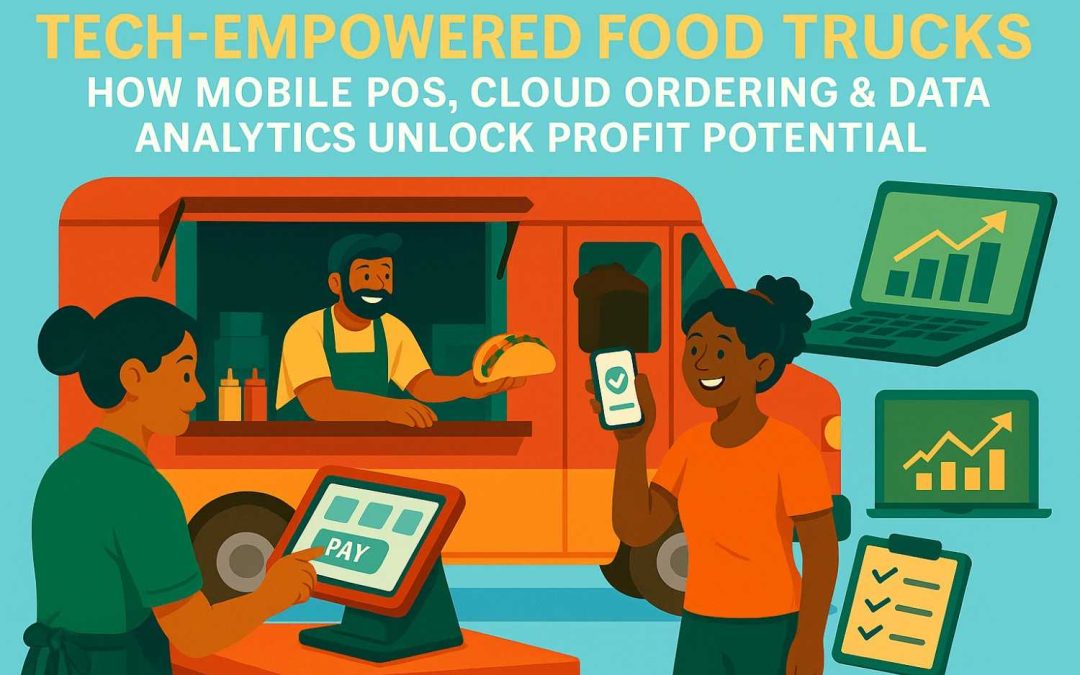
Running a food truck is no easy feat. Long lines, slow payments, and wasted ingredients can eat into your profits faster than you can serve up a taco. Many owners struggle to keep operations smooth while trying to meet customer demands.

Sound familiar?

Here’s the good news: technology offers solutions that can truly improve operations for food trucks. Mobile point-of-sale systems cut wait times and simplify payments. Cloud ordering speeds up service and strengthens customer loyalty through digital tools.

With data analytics, you can track sales trends and discover what works best for your business.

This blog will show you how these tools help save money, make smarter decisions, and grow profits in ways that matter most to you. Ready to learn more? Keep reading!

The role of mobile POS systems in food truck efficiency

Mobile POS systems improve transaction times, reducing wait lines and enhancing customer satisfaction. Many operators who adopt innovative setups inspired by food truck business ideas by Peppr find that combining technology and menu creativity is essential for faster service and higher profits. They also help maintain back-end organization by monitoring sales and inventory in real-time.

Faster order processing and payment handling

Speed matters in food service. Using Mobile POS systems, orders go straight from the customer to the kitchen without delays. Payments process quickly, reducing long lines and frustrated customers.

A quicker checkout means happier patrons who spend less time waiting. As one food truck owner puts it:

“Quick payments mean I can focus on serving more people.”

This efficiency creates opportunities for convenient contactless options, covered next.

Contactless payment options for customer convenience

Customers want faster payments with minimal effort. Contactless payment options address this demand directly by speeding up transactions, reducing lines, and keeping the checkout process efficient.

Food trucks equipped with mobile payment systems enable customers to tap or scan their cards or phones without fumbling for cash. This reduces the chance of handling errors while enhancing service times.

Digital wallets like Apple Pay, Google Pay, and others make it simpler for customers to pay in their preferred way. Offering these options not only appeals to tech-savvy diners but also prioritizes hygiene by minimizing physical contact.

Food truck owners benefit from satisfied customers who spend less time waiting and more time enjoying their meals.

Real-time inventory tracking to reduce waste and control costs

Contactless payment systems simplify transactions, but tracking inventory in real time brings even bigger savings. Food trucks can monitor stock levels throughout the day without digging through cabinets or relying on guesswork.

Real-time data prevents over-ordering and minimizes spoilage, cutting waste and unnecessary expenses. Track sales trends by item to know what flies off the grill versus what lingers too long.

Restock smarter, maintain tighter control of costs, and keep popular menu items available when demand spikes.

Cloud ordering for enhanced customer experience

Cloud ordering lets customers skip the line and get their meals faster. It’s like having a personal waiter in your pocket, minus the small talk.

Advanced ordering capabilities for pre-orders and pickups

Pre-orders and pickups streamline operations for both customers and food trucks. Customers can place their orders ahead of time through cloud ordering systems, reducing long waits during peak periods.

This system organizes incoming requests based on timing, ensuring accurate preparation and more efficient workflows.

Food trucks benefit from consistent order management by knowing what to prepare in advance for specific times. One owner said,.

This feature helped us handle the lunch rush without any hassle.

It also allows trucks to serve more customers quickly, ultimately increasing daily sales numbers.

Loyalty programs and targeted promotions through integrated systems

Loyalty programs bring customers back time and again. Food trucks can create point-based rewards that encourage repeat visits. For example, offer a free meal after ten purchases or discounts on special items for loyal patrons.

Such systems not only build strong customer relationships but also increase sales over time.

Targeted promotions are a valuable approach for driving revenue. Integrated systems can analyze customer data to send personalized offers based on past orders or location trends. A lunchtime discount texted during busy hours could fill order gaps quickly while increasing overall profits.

These features help merge digital tools with in-person experiences smoothly.

Seamless integration with in-person sales for a unified experience

Cloud ordering systems connect digital and in-person sales into one cohesive process. Customers can place orders online, pick them up at your truck, and pay using the same system that manages walk-up sales.

This minimizes errors and keeps everything consistent.

Unified platforms help you track orders across all channels without switching between tools. Real-time updates synchronize inventory between both sales types, reducing duplicate efforts and confusion.

This setup enhances accuracy while maintaining streamlined operations for staff.

Using data analytics for strategic growth

Data analytics reveals patterns that can transform minor adjustments into significant profits.

Insights into sales trends and customer preferences

Understanding sales trends and customer preferences can significantly enhance how food trucks operate. Knowing what your customers want helps you make better decisions, attract more buyers, and reduce wasted effort.

  •  Track which menu items sell best in different locations to identify customer favorites. For example, tacos might be popular downtown but burgers perform better near offices.
  •  Observe peak sales times to plan shifts and staffing efficiently. If lunchtime sees the most foot traffic, focus your resources during that window instead of the slow hours.
  •  Monitor repeat customer orders to determine loyalty patterns. Regulars may enjoy specific dishes or combos, providing clues about future promotion opportunities.
  •  Compare individual item performance to refine pricing strategies. A high-demand product might support a slight price increase without losing customers while maintaining profit margins.
  •  Study seasonal buying behavior for menu development ideas. Ice cream sales could rise in summer months while stews may attract crowds during colder seasons.
  •  Analyze average order sizes to adjust upselling tactics effectively. If customers often buy drinks with meals, consider bundle deals or pairing suggestions.
  •  Collect feedback from online reviews or surveys for additional insights into preferences beyond purchases directly.

Applying this knowledge can help you create smarter menus and stronger connections with visitors at your truck!

Menu optimization based on top-selling items and location performance

Analyze sales data to identify your top-selling items. Emphasize these on your menu to draw in more customers. Keep popular dishes consistently available, minimizing wait times and improving satisfaction.

Monitor location-specific trends using Data Analytics. Observe what sells better in each area and make appropriate menu adjustments. For instance, tacos might be more popular near offices, while burgers could be a hit at festivals.

Tailor offerings to local tastes for increased interaction and repeat visits.

Identifying profitable locations and peak operation times

Successful food truck operations focus on being in the optimal location at the most opportune times. Examining data from mobile POS systems can identify where sales are highest and when traffic is most significant.

Popular lunch spots, weekend markets, or busy downtown areas often bring in better revenues.

Reviewing past transaction data identifies patterns in customer turnout by hour and day. For example, an increase during weekday lunches near office hubs indicates prime placement.

Combining these observations with weather trends or local event calendars enhances scheduling plans to increase visibility and earning potential.

Conclusion

Tech makes food truck management smarter and smoother. Mobile POS speeds up sales and reduces headaches. Cloud ordering keeps customers happy while increasing convenience. Data analytics helps identify trends, reduce costs, and improve profits.

With the right tools in place, success is just a few good decisions away!

More must-read stories from Enterprise League: