
Getting back on track, restarting business growth when you’re feeling stuck

Getting back on track, restarting business growth when you’re feeling stuck

Business progress is rarely linear. Sometimes it feels like you’re in the fast lane: everything seems to be going as planned, and development feels effortless. Other times, things slow down and growth stalls. And while it can be extremely frustrating to see that your efforts aren’t paying off, you need to remind yourself that setbacks and deadlocks are a normal part of running a business, so you shouldn’t be discouraged or worry too much if you’re not advancing as fast as you’d like to.

However, if results fail to come despite all the hard work you’ve been putting in, and the period of stagnation lingers on for far too long, you might need to change your approach. When nothing you do seems to be working, it might not be because you’re not doing enough, but because you’re probably going about things the wrong way. You may think you’ve tried it all, but there may be things you’ve overlooked until now that can make a visible difference to your company’s performance.

So, here are a few strategies you should consider if you want to unstuck your business and get it moving forward again.

Change your perspective

When you focus on a certain problem for a long time, analyzing every tiny detail over and over again, you tend to lose clarity. So, you not being able to figure out what’s keeping your business from growing might be a classic case of not seeing the forest for the trees. All the knowledge you have acquired in the years you’ve been running the business, although highly beneficial in general, might also prevent you from finding solutions to your stagnation issue, because it carries with it the burden of past decisions (and mistakes), which inevitably causes you to make assumptions and base all your analyses on current frameworks.

So, you should start off with a little experiment that may help you bring things into focus. Take a step back and look at your business with fresh eyes. Try to detach yourself, as hard as that might be, and imagine you’ve never dealt with this problem before. What would you do if you were just starting? This exercise can help you look at the situation from a different angle, and that change of perspective can inspire new ideas and solutions.

Step up your email marketing

Email remains the primary communication channel in business and a very powerful marketing tool when used correctly. Unfortunately, most of the time, marketing emails fall on deaf ears, and the messages you’re trying to convey never reach their target, which obviously impacts sales and performance. That’s usually because many companies use the same outdated methods when creating their campaigns and crafting messages.

If you’ve been slacking in this department as well, it’s time you take your email marketing to the next level. An AI-powered email marketing platform can be a game-changer in this respect. These types of services bring a variety of advanced features and tools at your fingertips, allowing you to create the most compelling copies, automate tasks, accelerate campaigns, and thus set your business on the right path.

Refresh your brand

Branding is not a once-and-done thing. Markets change, and customer expectations shift, so even well-established brands can start to feel outdated or disconnected if they don’t adapt to current realities. A lack of business growth may be an indication that your brand no longer reflects who you are or that your customers don’t resonate with the way you present your offering, which makes them less likely to buy your products/services.

Refreshing your brand doesn’t necessarily mean a complete overhaul; sometimes, small but intentional changes can have a big impact. Updating your messaging, refining your visual identity, or clarifying your value proposition can help reposition your business and make it feel relevant again. A refreshed brand signals progress, confidence, and adaptability, reassuring both existing and potential customers that your business is moving forward rather than standing still.

Expand your offering

When business growth stalls, it may also be a sign that your current products or services are no longer enough to keep customers engaged or attract new ones. A few new additions to your product range might put your company back on people’s radar. You don’t necessarily have to launch something entirely new from scratch; it can also involve improving existing products, bundling services, or adding complementary features that increase value.

Take a close look at your customers’ pain points and unmet needs. Are there problems they still struggle with after interacting with your business? Identifying these gaps can uncover opportunities for expansion that feel natural and aligned with your brand. Strategic expansion not only boosts revenue potential but also positions your business as proactive and customer-focused rather than reactive.

Keep up with market trends

Industries are constantly changing, and businesses that fail to keep pace risk being left behind. Staying informed about market trends, emerging technologies, and shifts in consumer behavior allows you to adapt quickly and make smarter decisions. This doesn’t mean following every trend blindly, but understanding which developments are relevant to your industry and audience matters. Regular market research, competitor analysis, and continuous learning can help you anticipate change and identify new opportunities. Businesses that stay curious and flexible are far better positioned to innovate, remain resilient, and maintain long-term business growth.

When you reach a plateau in your business, it can be difficult to pinpoint the cause and reignite growth. Getting unstuck doesn’t happen overnight, and there’s no single solution that guarantees immediate results. However, by reassessing your approach and making thoughtful adjustments across different areas of your business, you can gradually rebuild momentum. With just a few timely tweaks, you can get your company’s engines back up and running and resume your progress.

More must-read stories from Enterprise League:

Scaling a Business in an Increasingly Remote World

Scaling a Business in an Increasingly Remote World

Scaling a business in an increasingly remote world

The process of scaling a business meant leasing a larger office and acquiring additional desks. Nowadays, growth means connecting people across various cities and time zones. This new style of work offers a lot of freedom, and a new set of rules is necessary to keep everyone on track.

Expanding a business that does not involve a main structure requires trust, excellent technology, and effective communication. It is also about ensuring that your team members have what they require to collaborate even miles apart.

As you read ahead, we introduce you to the purpose of the eSIMs in distributed teams, developing reliable workflows, working outside the office, and remaining productive, the tools that will keep you successful, and how long-term growth can be planned out.

The role of eSIMs in remote and hybrid teams

The internet is your new office when you have a team that is dispersed. In case your team members lose access to the internet, the work comes to a halt. It is particularly so with hybrid teams, where individuals may work at home today and a coffee shop tomorrow.

Using the Wi-Fi available on the street is usually slow and poses a risk to your company’s confidential information. This is where the new digital offerings, such as eSIMs, make a difference to the business owners.

Smart firms go online instead of handling physical SIM cards or incurring high roaming charges when a team member is travelling. For instance if you have team members working remotely from South East Asia in countries like Vietnam, getting them an eSim is more secure, affordable and reliable. To understand more about how eSims work in Vietnam, you can get more info in this Holafly article about why these digital SIM cards are a good way to keep an international team in touch.

It eliminates the pressure to travel and leaves the business to continue operating across borders. It means a manager can fly to a meeting or a designer can work and be with relatives, always a single tap away from the team.

The IT department can also easily manage the use of digital SIM technology. A new employee can receive a data plan on their phone in real time through email, regardless of the country they are in. One does not have to wait till a plastic card comes in the mail.

This rate is essential when you are trying to grow a business quickly.

Building reliable workflows across locations

In an office, you can simply go up and ask a question to someone by walking across their desk. In a remote world, you need to be far more deliberate about the flow of work between one individual and the next.

So how can you build reliable workflows across locations? Here is how.

  •  Standardize documentation: Document how things are to be done and where files are located so people can find answers to their own questions.
  •  Share digital spaces: Store all work in one central place in the “clouds” so that a team member in London can pick off where another one in New York had left off.
  •  Embrace the “Follow the Sun Model”: Structure activities so they can be handed over to the next time zone, enabling the business to continue operating 24 hours a day.
  •  Establish specific handover guidelines: Establish a procedure for how one individual completes a task and informs the other individual who takes over the project management tool.
  •  Restrict “In-person” meetings: Use written communications instead of live calls to consider other time zones and allow individuals to do more work.

Maintaining productivity outside the office

Many managers are concerned that they will not be able to see their employees, and the assumption that they might not be working makes the arrangement more complicated. This, at times, makes it hard for many employees to accept remote work 100%.

Keep in mind that remote business scaling requires a shift from hours worked to results generated. A distributed work environment is all about the quality of the work, rather than the duration that someone was sitting in a chair.

People tend to be much more dedicated and concerned with the company when they have the freedom to work in a manner that fits their lives. This means you’ll need to mentor them towards that direction of the new culture.

Goals should also be very clear in order to maintain high productivity. Every team member is supposed to be aware of their duties and the time they are expected to complete them. The frequent check-ins are useful, although they are not to interfere with the actual work.

Tools that support distributed workforces

To operate an office-free business, you will need a digital layer of tools that help people chat, share, and organize. These are the tools that will bind the company together and help you manage your workforce without issues.

Here are some of the tools

  •  Communication Platforms: Applications such as Slack enable faster, more casual communication and keep everyone informed without an unsightly inbox.
  •  Video Conferencing: It is important that meetings and culture development in teams that rely on close physical contact are conducted with high-quality video tools.
  •  Project Management Software: Applications such as Trello enable everyone to see what needs to be done, who is responsible, and by when.
  •  Cloud Storage: Having all your documents in one place, such as Google Drive, ensures everyone always has the latest version.

Preparing businesses for long-term remote growth

If you want your business to grow for years to come, systems are key. You need to establish a strong remote culture. It is more difficult to establish culture when you are not sharing a physical space; therefore, you should be much more active about it.

As the owner, you’ll have to go above board by celebrating wins online, sharing company news, and ensuring everyone feels they are on a mission. This is because a good culture helps people feel less lonely or disconnected at home while working.

Lastly, sustainable growth requires appropriate legal and funding structures. You have to know the tax regulations and labor regulations in the various locations where your workers reside. It may be tricky, but nowadays, numerous services allow small businesses to hire worldwide.

When you prioritize people, technology, and processes, you can create a remote company without issues. This lets your business grow faster and larger than it would have if you were confined to a conventional office.

More must-read stories from Enterprise League:

Is Fleet Electrification the Future of Automotive Innovation?

Is Fleet Electrification the Future of Automotive Innovation?

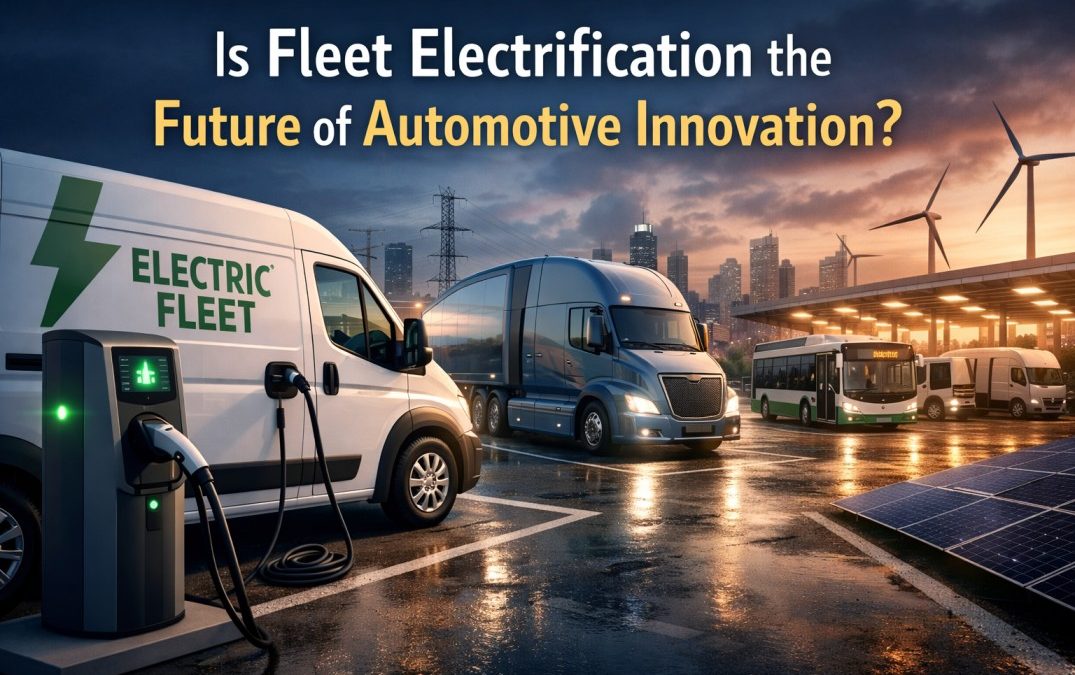
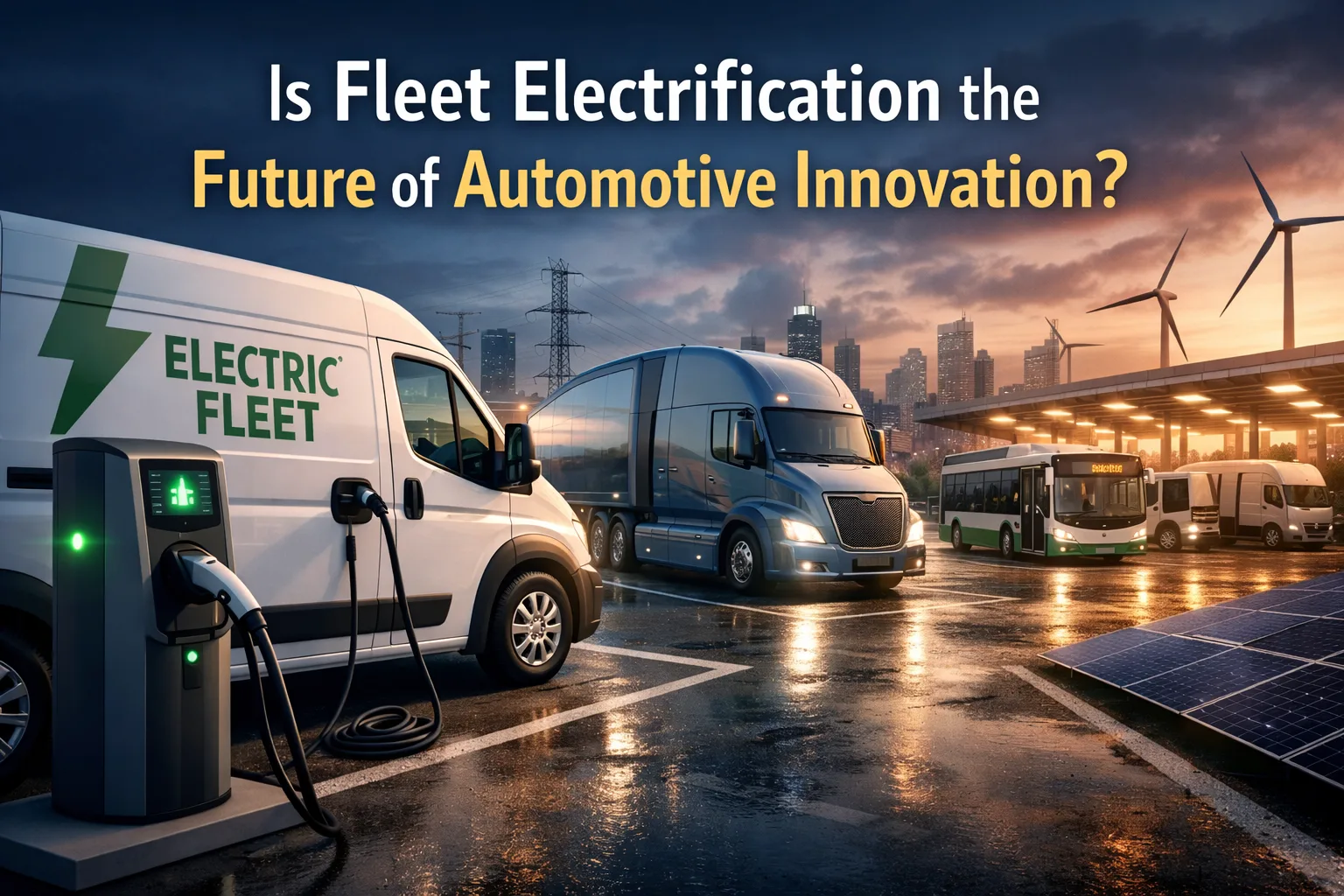
The automotive industry never stands still. While flashy consumer electric vehicles grab headlines, the real transformation is happening with commercial vehicles. Delivery vans, trucks, and buses are quietly leading a revolution that could reshape transportation as we know it. The numbers tell a compelling story: commercial fleets, despite representing a smaller portion of total vehicles, have an outsized impact on traffic patterns, air quality, and energy infrastructure. Ten million personal sedans can’t match the influence of strategically electrified commercial fleets. This shift toward fleet electrification represents more than just a trend; it’s becoming a fundamental change in how businesses approach transportation.

The scalability question

Size always matters in logistics. When companies examine how to transition, a fleet electrification guide becomes indispensable. Nobody wants chaos when swapping thousands of gas tanks for batteries. The transition involves far more than just purchasing new vehicles. Companies must consider charging infrastructure, parking depot modifications, and the ripple effects on daily operations. Every new battery-powered truck changes nightly schedules and workflow patterns.

The financial implications are significant. Upfront costs can be substantial, and grid upgrades require serious investment. However, standardization across a fleet brings unique advantages. When you replace components across hundreds of vehicles, the impact multiplies exponentially compared to individual consumer efforts. A single charging protocol, maintenance schedule, or software update can transform an entire operation overnight. Fleet managers understand this multiplier effect better than anyone, which is why many are taking calculated steps toward electrification despite the challenges.

The infrastructure requirements alone demand careful planning. Installing charging stations at scale requires coordination with utility companies, potential electrical grid upgrades, and strategic placement to maximize efficiency. Some companies are discovering that staggered charging schedules can help manage electrical loads while ensuring vehicles are ready when needed. Others are exploring on-site renewable energy generation to offset increased electricity consumption and provide more predictable energy costs.

Technology’s relentless push

Batteries were once a punchline in automotive circles. Now they’re serious business driving billions in investment. Prices continue their downward trajectory while energy density improves incrementally but meaningfully for high-mileage applications. These improvements matter enormously for commercial operations where vehicles might log hundreds of miles daily.

Telematics systems have moved beyond buzzword status to become essential tools. They help companies maximize range, extend battery life, and prevent costly breakdowns through predictive maintenance. Modern fleet management software can analyze driving patterns, optimize routes for energy efficiency, and even suggest the most efficient times to charge based on electricity rates and vehicle schedules. A single software update can recalibrate an entire fleet’s performance parameters during a lunch break, improving efficiency without touching a single vehicle.

Range anxiety, once the biggest concern for fleet operators, becomes manageable when charging happens at depots as part of routine operations. Engineers continue pushing boundaries, refusing to accept current limitations as permanent. Battery technology advances steadily, with solid-state batteries and other innovations promising even better performance in coming years. Meanwhile, charging technology improves alongside batteries, with faster charging rates and more efficient power delivery systems reducing downtime.

The integration of artificial intelligence and machine learning adds another dimension to fleet electrification. These technologies can predict maintenance needs before problems occur, optimize charging schedules based on weather patterns and traffic conditions, and even adjust driving parameters in real-time to maximize efficiency. Some systems can learn from driver behavior across an entire fleet, identifying best practices and automatically implementing them fleet-wide.

Economic upside (and the nasty bits)

There’s no hiding from the ledger. Fleets operate on extremely narrow profit margins where every cent matters when multiplied across hundreds of vehicles operating around the clock. The switch from gasoline to electricity promises significant fuel cost reductions, though these savings don’t materialize immediately. The economics become more favorable as electricity prices remain relatively stable compared to fluctuating fuel costs.

Maintenance presents another compelling argument. Electric motors contain fewer moving parts than combustion engines, which translates to fewer breakdowns and lower maintenance costs over time. No more oil changes, transmission repairs, or exhaust system replacements. Brake pads last longer thanks to regenerative braking systems. These savings accumulate significantly across large fleets.

However, challenges remain. Battery disposal and recycling present unresolved environmental and financial questions. The cost of battery replacement after several years of service can be substantial, though improving battery longevity continues to push this concern further into the future. Retrofitting existing facilities for charging infrastructure adds expenses that many organizations hadn’t budgeted for. Training technicians to work on electric vehicles requires investment in both time and resources.

Insurance costs remain a wildcard. Some insurers charge higher premiums for electric vehicles due to higher repair costs and specialized parts. Others offer discounts for the improved safety features and lower accident rates associated with newer electric models. Fleet operators must carefully evaluate total cost of ownership, including these less obvious factors.

Public policy: friend or foe?

Legislators consistently introduce various incentives including grants, tax breaks, and municipal mandates that can dramatically affect electrification plans. One year might bring generous subsidies; the next could see them vanish with changing political winds. This instability makes long-term planning challenging for fleet operators who need predictability for major capital investments.

Cities increasingly restrict diesel engines in urban centers, pushing fleet operators toward cleaner alternatives regardless of personal preferences. These regulations create both opportunities and challenges. They accelerate adoption but introduce uncertainty about future requirements. Some municipalities offer preferential treatment for electric vehicles, including access to bus lanes, reduced tolls, or extended delivery windows in restricted zones.

Smart fleet managers monitor policy developments as closely as operational metrics because a single regulatory change can alter investment strategies overnight. Today’s pilot project could become tomorrow’s mandate simply because of decisions made in city council chambers. Federal initiatives add another layer of complexity, with infrastructure bills and climate policies creating new funding opportunities while potentially imposing new requirements.

International developments also influence domestic fleet electrification efforts. As major markets like Europe and China accelerate their electric vehicle adoption, manufacturers increase production capacity and drive down costs globally. Trade policies, international climate agreements, and global supply chain considerations all factor into the fleet electrification equation.

Conclusion

What does this mean for industry leaders and conservative middle managers? Electric fleets are closer than people think. While people sleep, they’re quietly rolling through communities, delivering packages, transporting goods, and providing essential services. Although hurdles exist, momentum builds each quarter as technology advances and incentives shift. The foundation for meaningful automotive innovation is being laid beneath those rows of delivery vehicles humming into the future, whether anyone notices or not.

Fleet electrification isn’t just about replacing gas tanks with batteries. It represents a fundamental shift in how businesses think about transportation, energy, and operational efficiency. Companies that move strategically now, learning from early adopters while avoiding their mistakes, position themselves for success in an increasingly electric future. The question isn’t whether fleet electrification will transform the automotive industry, but how quickly and comprehensively this transformation will occur.

More must-read stories from Enterprise League:

Why Tone and Voice Matter for Your Website Branding

Why Tone and Voice Matter for Your Website Branding

For digital marketers and website owners, success today means attracting the right audience and establishing a genuine connection through thought-out branding efforts. A website featuring eye-catching visual elements might create a glowing first impression, but mismatched copy can turn even enthusiastic visitors away.

Do you want to not only grab people’s attention but also convert them into happy customers and eventual brand ambassadors? Then start giving the voice and tone of your website’s copy the attention it deserves. Read on to learn how!

What are tone and voice, exactly?

Before explaining how and why they impact your website branding, let’s first define what voice and tone are. They’re closely tied but distinct, so clearing up confusion is important.

Setting the stage with your brand voice

Think of your website’s voice as your brand’s persona. It reflects the attitude, language, and values your target audience responds to. A startup’s voice might be forward-thinking and passionate, while a finance consulting company is more likely to adopt a voice that radiates confidence and professionalism.

Just as visual elements like your color scheme and logo do, your brand voice should feel consistent across your entire website copy. This includes everything from the landing page through registration pages, resources, and even error pages.

Nailing nuances via the right tone

A brand’s voice stays constant, not unlike a person’s established personality. However, staying true to one’s personality doesn’t mean one can’t adapt to different situations. After all, you wouldn’t interact with a superior the same way you would with a colleague or a child. That’s where tone comes in.

In the context of website building, tone is the approach you take when writing each individual piece of copy. They all need to follow overarching guidelines set by your brand voice, but they should also be more nuanced to convey the desired message clearly and effectively.

Let’s say you’re developing a fitness brand. It’s all about maintaining a healthy lifestyle and positive outlook through straightforward exercise and meal plans anyone can understand. Following these guidelines for homepage copy shouldn’t be hard.

However, what happens if you run into shipping delays or the site experiences sudden, unexpected downtime?

The messages that convey this should have a different tone while maintaining your brand voice. They won’t be as enthusiastic or focused on calls to action. Even so, such notices should explain the errors or delays in straightforward terms and reassure readers you’re proactively resolving the issue. Even a pun can be appropriate in such situations if that’s what your brand voice is known for, provided the core message remains clear.

How do tone and voice help your website stand out?

It’s becoming increasingly more challenging for consumers to escape brands’ relentless pursuit of their attention and purchasing power, especially online. Pickiness becomes a reasonable defense mechanism, allowing consumers to filter out unwanted noise and only focus on brands they feel connected to.

The voice and especially the tone of your website can positively impact audience perception, boost organic traffic, and improve conversion rates.

Your brand voice lays the groundwork and can be enough on its own to establish trust. For example, the real estate niche is full of the same aspirational tropes and flowery language. Adopting a no-nonsense, possibly irreverent tone could establish your website as a brand where prospective homeowners go when they want honest, transparent advice.

On the other hand, adopting the right tone can make you an outlier even in industries with little room for experimentation. Any respectable law practice will want to project competence and confidence. However, creating website content with a tone that focuses on the humane and protective aspects of the practice rather than emphasizing expertise can make it more appealing to some audiences without compromising expected values.

How to establish tone and voice on your website?

Let’s assume you’ve already researched your target audience and understand what resonates with it. From there, creating and following clear guidelines shouldn’t be problematic.

Start by identifying several fundamental adjectives that define your brand. It might be adventurous and quirky or supportive and transformative. It’s equally important to establish what your brand voice is in contrast to. For example, you may want to stand out by avoiding tropes or dry copy.

Take inspiration from existing sources, accounting for examples that resonate with you and the kind of copy you wish to avoid. Work on your own examples, making sure that they flow naturally. Once you’ve got a general idea, you can start experimenting with subtle tonal differences for different parts of your website.

Sounding trustworthy is important, but not as decisive as being able to back such claims up. Users who use your website to sign up for services and purchase products should feel confident in your ability to protect the data they entrust. That’s why taking proper precautions is a must.

Using a top-rated VPN ranks highly among them, especially if you frequently make changes to the website remotely. An active VPN creates an encrypted tunnel regardless of the connection type and its inherent security. This lets you focus on fine-tuning the website to fit your voice and tone requirements without having to worry about someone who could be monitoring your activity or trying to gain access to sensitive databases.

Putting it all together

Developing a consistent voice and tone takes practice, but the payoff is substantial. Start by defining a few core adjectives that capture your brand’s personality, then experiment with how these translate across different pages and situations.

Remember that your voice should remain constant while your tone adapts to context, whether you’re writing homepage copy that excites or error messages that reassure. Test different approaches, gather feedback, and refine your guidelines as you learn what resonates with your specific audience. With clear voice and tone guidelines, every piece of copy becomes an opportunity to strengthen your brand connection and drive conversions.

More must-read stories from Enterprise League:

What’s the Best Bulk Wheel Cleaner? These Are the 5 Top Options

What’s the Best Bulk Wheel Cleaner? These Are the 5 Top Options

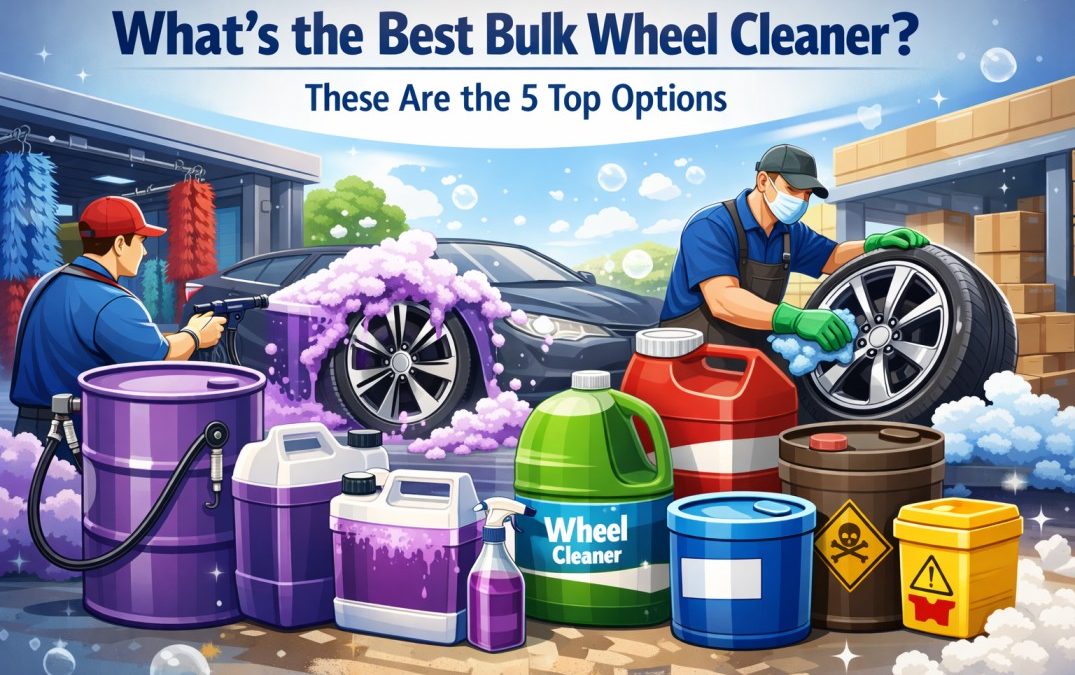
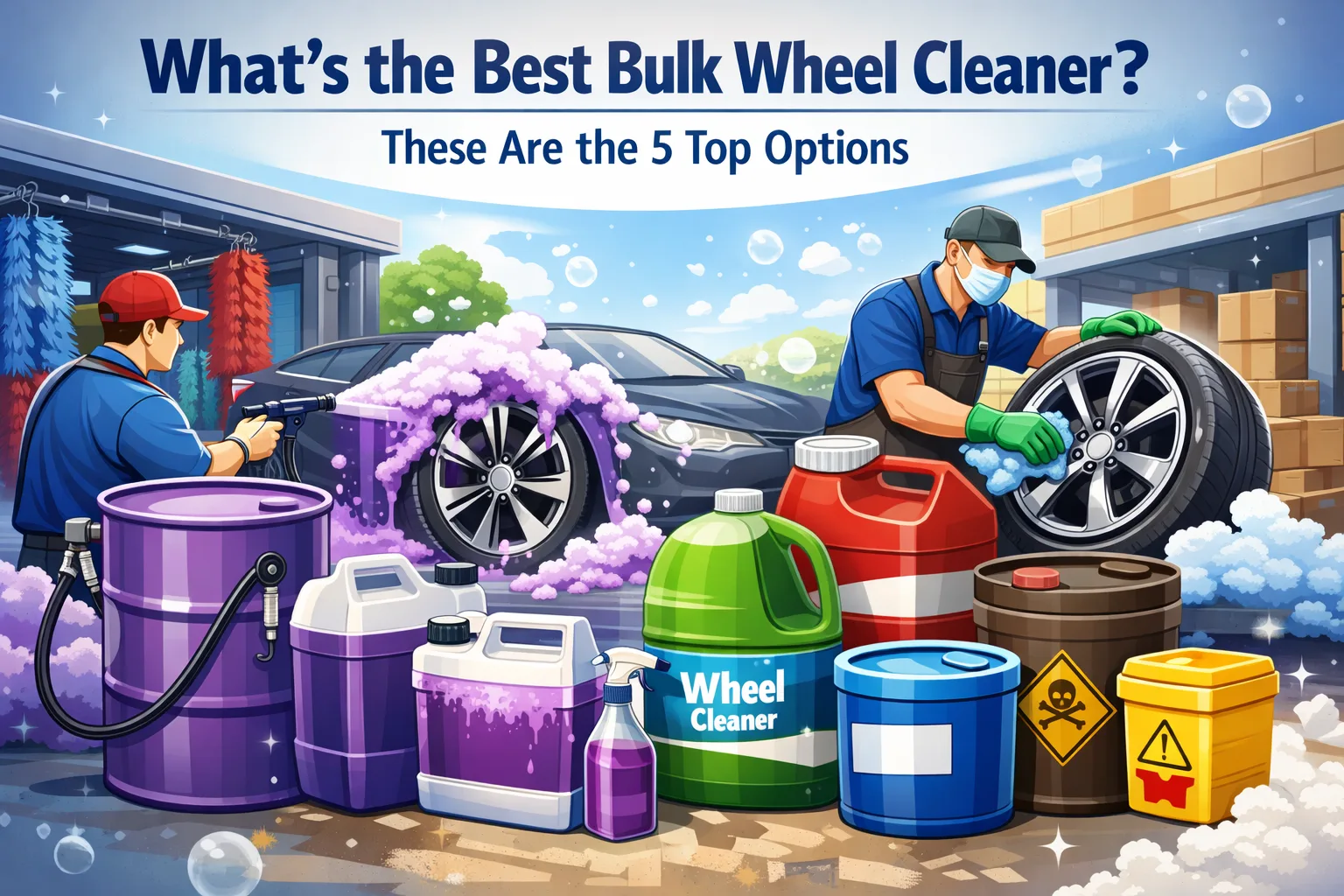
Car wash owners may struggle to find a wheel cleaner that balances effectiveness, safety and cost-efficiency. Although there are numerous products on the market, it can still be a challenge to choose one that delivers outstanding results without leaving damaged finishes or breaking the bank. What is the best bulk wheel cleaner?

The list below presents the bulk wheel cleaners tailored to your varying business needs. Each product offers unique benefits that provide operational value, whether you prioritize speed and efficiency, safety, or cleaning effectiveness. These top products will all improve the wheel-cleaning service at your car wash and encourage customers to return.

1. Predator High pH Wheel and Tire Cleaner

Predator High pH Wheel and Tire Cleaner from JBS Industries is a top choice for car wash owners and operators looking for an effective cleaning solution. This powerful cleaner features a concentrated, dilutable formula that simplifies usage, making it an ideal bulk wheel cleaner for routine vehicle maintenance. Its alkaline, non-acidic nature ensures excellent cleaning without harming wheel finishes, while its purple foam enhances the visual appeal for customers.

Besides being a powerful solution, Predator High pH Wheel and Tire Cleaner is also cost-effective, with bulk sizes ranging from 5-gallon containers to 55-gallon drums, ideal for high-demand environments. With its fast-acting capabilities, the Predator cleaner quickly lifts grime and brake dust, ensuring a shine that your customers will notice.

JBS Industries dedicates itself to meeting the needs of the car wash industry through innovative solutions. Committed to quality and performance, the provider offers a wide range of products tailored specifically for professional car wash applications.

Key features

  •  Concentrated formula: Easily dilutable for various cleaning needs
  •  High pH (alkaline): Effective in breaking down tough wheel contaminants
  •  Non-acidic: Safe for all types of wheel finishes
  •  Fast-acting: Quickly removes grime while providing a visual appeal with purple foam

2. HP-470 High pH Wheel & Tire Cleaner

Turtle Wax Pro HP-470 High pH Wheel & Tire Cleaner is an outstanding solution designed specifically for automotive professionals. As a high-performance cleaner that effectively tackles tough brake dust and road grime, it ensures wheels look their best. HP-470’s concentrated formula dilutes for various cleaning tasks, offering flexibility for car wash operators in 2.5-gallon or 5-gallon options. Its high pH, alkaline-based formula cleans without risking damage to any wheel type.

With a fresh orange scent that complements its foamy action, Turtle Wax Pro HP-470 stands out for its user-friendly application that clings to surfaces for maximum cleaning power. Ideal for busy car wash settings, this product improves efficiency and will enhance your customers’ satisfaction with its noticeable results.

Turtle Wax Pro commits to delivering high-quality automotive cleaning solutions, specifically designed for professionals in the car wash and detailing industries. With its legacy of innovation and performance focus, this option continues to redefine vehicle care.

Key features

  •  Potent formula: Allows for multiple dilution levels for different cleaning needs
  •  Alkaline-based: High pH concentration breaks down tough contaminants safely
  •  ECOLOGO™ certified: Eco-friendly car wash soap for all types of wheels and finishes
  •  Foamy action: Adheres to surfaces for deeper cleaning

3. EXT138 Wheel Blaster High pH Wheel Cleaner

The Ver-tech Labs EXT138 Wheel Blaster High pH Wheel Cleaner is a premium choice for automotive professionals seeking an efficient cleaning solution. Engineered to combat tough dust and grime, this strong cleaner features a high-pH formula that ensures sparkling wheels while protecting all finishes. Its concentrated formula is easily dilutable, providing operational flexibility across cleaning environments.

What sets the EXT138 Wheel Blaster apart is its quick action and low foaming, which allow it to adhere to surfaces for optimal cleaning performance. In car wash settings where efficiency and speed are essential, it consistently delivers impressive results, with available sizes of 5 gallons and 55 gallons for versatility. Past users highlight its effectiveness in restoring wheels to a like-new appearance.

Family-owned Ver-tech Labs specializes in innovative cleaning solutions for various industries, including automotive detailing. With decades of experience, the company is committed to developing high-quality, effective chemical solutions for car wash and large-vehicle professionals.

Key features

  •  20:1 dilutable formula: Concentrated for tailored cleaning
  •  High pH: Alkaline-based to safely break down contaminants
  •  Metal safe: Contains no hydrofluoric acid or fluorides
  •  Low-foam profile: Deep, environmentally friendly, odorless cleaning

4. W4148030 Total Wheel Cleaner

The W4148030 Total Wheel Cleaner from Simoniz is a comprehensive solution designed specifically for car wash operators. This cleaner effectively tackles heavy dirt, brake dust and grime while remaining safe for various wheel types. Known for its low-foaming action, it enhances rinsing effectiveness and prevents residue buildup.

The W4148030 Total Wheel Cleaner is available through Kleen-Rite Corp, and Simoniz ensures users receive reliable support and high-quality products for outstanding vehicle care. It features a concentrated formula that dilutes to meet specific cleaning needs and is available in 30-gallon buckets. This versatility makes it suitable for multiple applications in high-demand settings, helping restore wheels to pristine condition with minimal effort.

Simoniz has a long-standing reputation for delivering highly-regarded cleaning products in the automotive industry. With exceptional B2B support focused on quality and innovation, the manufacturer continues to develop solutions that meet the diverse needs of professional car washes.

Key features

  •  Concentrated formula: Easily dilutable in 8-36 parts water to 1 part product for customized cleaning
  •  Low-foam action: Enables thorough rinsing without buildup
  •  Safe for various finishes: Protects all wheel types, including painted and PVD products
  •  Bulk availability: Comes in a convenient 30-gallon size for high usage

5. Wheel X Iron Fallout Remover & Wheel Cleaner

Manufactured by Superior Image, Wheel X Iron Fallout Remover & Wheel Cleaner is a wheel cleaning product crafted for automotive enthusiasts and car wash operators alike. The specialized cleaner effectively targets embedded iron particles, brake dust and other tough contaminants that typically cling to wheels. Its unique formula comes in single-gallon and 5-gallon containers, changing color to purple to indicate when the product is working for real-time monitoring.

Wheel X Iron Fall Out & Wheel Cleaner provides powerful cleaning capabilities, ensuring no damage to any wheel type except bare aluminum, delivering impressive results. Superior Image does warn of the product’s pungent odor and recommends use in a well-ventilated area.

Superior Image offers top-quality cleaning products designed for automotive and car wash professionals. With a focus on effective cleaning performance and customer satisfaction, it continues to innovate and deliver reliable solutions.

Key features

  •  Iron fallout removal: Specifically formulated to break down and remove iron particles
  •  Color change indicator: Changes color to show when actively working
  •  Safe for most finishes: Gentle on both painted and chrome surfaces, but not on bare aluminum
  •  User-friendly: Easy to use with clear application guidelines for best results

Top 5 bulk wheel cleaners: a quick comparison

The following table summarizes the five bulk wheel cleaners for your perusal and a quick comparison.

Methodology for the best bulk wheel cleaners

To include and rank the best bulk wheel cleaners, assessors used essential criteria for professional car wash operations. The team evaluated each product to ensure it meets the demanding needs of automotive detailing. The criteria considered were:

  •  Effectiveness: The ability to remove tough brake dust and road grime
  •  Concentration and value: The extent to which a bulk container can dilute for additional cost savings
  •  Safety: The formula’s non-acidic quality and its compatibility with various wheel types
  •  Brand reputation: The manufacturer’s history and commitment to quality within the car wash industry

This comprehensive approach ensures the products selected deliver consistent results and provide customer satisfaction.

Invest in quality wheel care products

Choosing the best bulk wheel cleaner is essential for maintaining the aesthetics and longevity of vehicle wheels. From the powerful formula of Predator High pH to the color-changing cleaning indicator of the Wheel X Iron Fall Out Remover, there’s a cleaning product to suit every car wash need. Investing in a high-quality wheel cleaner will improve a vehicle’s appearance and enhance your customer’s satisfaction.

More must-read stories from Enterprise League: