Statistics you should know about packaging design (2026)

Statistics you should know about packaging design (2026)

Statistics you should know about packaging design (2026)

December 08, 2023

Importance of packaging for branding
Getting your packaging right can be the difference between a winning product and a dud.

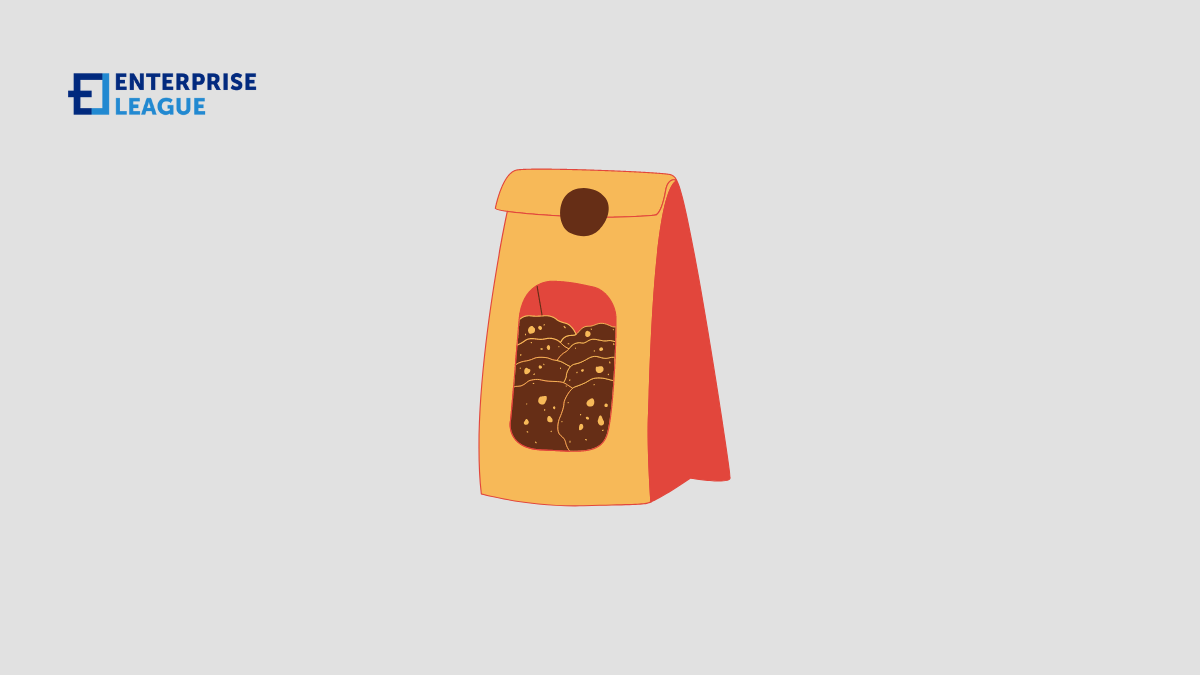
Even if you have the best product in the world, unless a lot of thought has been put into the packaging design to cater to your customer base, you could find your product does not sell as much as you expect. The importance of packagingcannot be overstated – it is a key factor that impacts sales and perception of your product.

By taking a look at the following important statistics about packaging design, you can ensure you get your packaging right.

The material of your packaging matters

According to an Ipsos poll conducted on behalf of the Paper and Packaging Board, which is overseen by the U.S. Department of Agriculture, the material you use for your packaging matters. 

The material is a key part of packaging design, so it is important that you choose the right material for your products

Key findings of the survey include:


  • 67% of those surveyed said the materials used to package a product often influence the decision to purchase.
  • 67% also said paper and cardboard packaging is more attractive than other materials used for packaging.
  • 63% said paper and cardboard packaging makes a product appear to be a high-quality premium product.
  • 81% agreed that packaging design influences their purchasing decisions when buying gifts.

Premium packaging design matters

According to a survey by Dotcom Distribution, 61% of people surveyed said they are more likely to buy a luxury product more than once if it comes in premium-looking packaging. 

So, if you are selling high-end, luxury products like jewellery or perfume, ensuring your packaging design looks luxurious can help you attain more sales. 

On the other hand, if you package a premium product in the same packaging used for low-end products, it can drastically put off consumers.

    Unique packaging can help to get your brand known

    Packaging has become more important since the advent of social media because plenty of people now post photos or videos of them unwrapping newly arrived products, and those posts get a lot of views. 

    In turn, that means the companies who sell the products get free exposure and are more likely to see a spike in sales. 

    According to the Dotcom Distribution survey, 40% of consumers share images of their packaging on social media when the packaging design is unique or branded. 

    So, by adding branding to your packaging or coming up with a unique and interesting design that will get people talking, you can enhance your brand reputation, get word-of-mouth exposure, and sell more products.

      Transparency on labels matters

      According to Catalpa, 74% of consumers report transparency and honesty in product labelling help them to gain trust in a brand. 

      Being transparent about the information on your packaging labels is of the utmost importance in this era. If you want to build your brand, you have to build customer trust. Paying attention to your labelling is one sure-fire way of doing that. 

      A product that is honestly and clearly messaged also helps consumers to determine which products they should buy based upon their specific personal needs and desires.

        Think twice before you change your packaging designs

        This last statistic is perhaps the most important. According to Westrock, 52% of consumers have changed the product brands they buy due to new packaging designs. 

        So, if you do not think it is worth investing in an overhaul of your packaging design, think again. 

        However, it is important that you research how customers feel about your existing packaging and how they respond to any new packaging design considerations before you launch your new packaging design. 

        In addition to thinking about the material you use, whether your product is premium or not, how unique you can make your packaging, and how open and transparent your labelling is, you need to consider every aspect of your packaging to get it right, build more customer trust, and shift more products. 

        That means you need to look at the visuals, colours, graphics, logos, fonts, information, and every bit of the design process to ensure you come up with an effective packaging design that your customers will love and shout about. 

        Therefore, it can be helpful to learn graphic design basics before you proceed. You also need to consider the type of packaging you will use. For instance, you could use boxes, round containers, or pouches. 

        Thankfully, it is easy to come up with customised designs for packaging pouches to ensure you create unique and memorable designs that are sure to get noticed by your customers.

          Conclusion

          Now you have an idea of what consumers want from packaging and how they respond to different packaging designs, you can take the first steps in creating customised packaging designs that will help you compete in the marketplace and sell more products. 

          Though, you will also need to get the pricing right for your products.

          Explore different packaging options, take your customers’ wants, needs, and expectations into account, and make sure your packaging design matches your branding well. You could then soon see your products flying off the shelf.

            More must-read stories from Enterprise League:

            Related Articles

            Importance of packaging for branding and marketing (2026)

            Importance of packaging for branding and marketing (2026)

            Importance of packaging for branding and marketing (2026)

            December 08, 2023

            Importance of packaging for branding and marketing
            Packaging plays a huge role for a product regardless of its type. It can be food packaging, retail packaging, electronic packaging, or cosmetic packaging, it always has a purpose to serve. If you look into it, your everyday life is incomplete without packaging. Whenever you buy a product no matter how big or small, it comes with packaging of some kind. Sometimes that packaging benefits the retailer by marketing their product or sometimes it’s only for protection. Either way, the life of any product is incomplete without its packaging. Bad branding and poor effectiveness of packaging design can negatively impact a company’s image and sales.

            Gone are the days when the role of packaging was only to cover the product or make it convenient for the buyer to carry it but nowadays it is being used as a powerful tool to break into the competitive market and create brand awareness among consumers. You may not have noticed it, but many times you have been influenced by product packaging unconsciously. For example, sometimes you might have tried a new cereal only by being intrigued with its attractive packaging, or sometimes a poorly packed or poor-quality packaging of the product may have discouraged you to buy that product again.

            5 reasons why packaging is important for branding and marketing

            By realizing the importance of good packaging most businesses have opted for ways to improve their product packaging and are also benefiting from lucrative results. For those who are still wondering about how it can be helpful for your brand, we have listed some of the greatest benefits good product packaging can offer you.

            Attractiveness

            A good product packaging with the right designs and color theme can appeal to the consumers and make them curious to try it. By choosing a product packaging that is attractive and appealing to the customer’s eye, you can promote your product effectively and create a memorable buying experience for the consumer. 

            To take full advantage of this packaging aspect, you should make sure your product stands out from the rest and looks unique. The role of packaging is not only to make the product appear more attractive but must also engage customers with the right information placed on the box. By highlighting the important and interesting features of the product you can make it seem superior to others. Many brands partner with a custom packaging manufacturer to improve product presentation, protect goods in transit, and create a more memorable customer experience.

            Usability

            With increasing customer demands, now brands are also focusing on the user-friendliness of their product packaging as well. An ideal packaging should be easy to open, convenient to store after usage, and sometimes it can also be used later for different storing or gifting purposes. It is also an added advantage if the packaging can be recycled after being fully used.

            The usability of the packaging can be enhanced with optimal design. Today, the latest trends have changed the direction of packaging usability from single-use culture, so it has become crucial to focus on its usability and enhance it to fulfill customer needs.

            Safety

            Safety has to be one of the most important aspects of product packaging. The materials that are used to pack the products should be safe and harmless for consumers as well as the environment. The pick and pack procedure plays a critical role in safety, as it helps you identify anything that could be potentially dangerous for the customer.

            Packaging should also contain the contents of the products placed inside so the customer can make an informed decision based on it.  Along with that, the packaging should be made of any harmful materials and should be odor-free for the safe use of consumers. Using recyclable materials is also a big part of it.

            Sustainability

            Today’s consumers are becoming more woke by the day. They are now more aware of the carbon footprint, re-usability, and recyclability of materials than ever and they also care if it is eco-friendly. Various reports suggest that sustainable packaging tends to have a positive impact on sales numbers and it can help businesses create a positive image.

             Protection

            The main purpose of packaging is protection, especially when products are being shipped and delivered. If the packaging is not protective enough, all the above-mentioned aspects wouldn’t even matter. So as business owners your first priority should be to enhance the protectiveness of your product packaging.

            Conclusion

            Ultimately, effective packaging requires striking the right balance across these areas – protecting products for delivery while appealing to modern buyers through visual flare and conscientious materials. Brands that incorporate the latest trends around experience, transparency and reduced waste are poised for resonance with today’s consumers.

            More must-read stories from Enterprise League:

            Related Articles

            Top marketing strategies for food delivery businesses

            Top marketing strategies for food delivery businesses

            Top marketing strategies for food delivery businesses

            December 08, 2023

            Marketing strategies for food delivery businesses<br />

            If you’re looking for the best way to grow your food delivery business, you’ve come to the right place. We understand how challenging it can be to start and maintain a successful delivery service with fierce competition in the market. That’s why we’ve curated some of the top marketing strategies highly successful companies use to help maximize growth and increase profits.

            How to grow your food delivery business through marketing

            A sound marketing strategy will innovate your business, leading to more possibilities of business expansions. That said, it’s best to learn the various outreach marketing ideas you can incorporate into your current campaign.

            Increase your online activity

            Social media users are growing by the day. As of October 2023, there are approximately 5.3 billion internet users worldwide, and 4.89 billion use social media platforms daily. Therefore, it’s a no-brainer that you can effectively grow your customer base by utilizing social media platforms to reach your target demographic.

            For food businesses, it’s best to be present on platforms rich in visual content, such as Instagram and TikTok. These platforms allow you to showcase your food delivery service through mouth-watering photos and videos.

            Traditional marketing may be necessary

            If your food delivery business operates locally, you can quickly capture your customers’ attention by placing high-quality shape-cut car magnets on your delivery fleet. You want everyone to see your business to ensure they become more familiar with your services.

            Attaching car magnets with your logo and phone number on your delivery vehicles creates a moving advertisement. Anyone who sees the car magnet will know what you do and how to contact you. Additionally, it’s the cheapest form of traditional marketing since you can use them for as long as you want!

            Create a user-friendly website

            After establishing your online presence on social media, the next step is creating and designing your website. People will want to learn more about your business and what you can offer. Therefore, they will need a place to access all this information effortlessly.

            Tips when making your website:

            • Include photos of the food you offer
            • Add videos of how your food is prepared
            • Make sure your website is mobile-friendly
            • Include a call-to-action button to order food directly from the website
            • Add customer reviews
            • Put your best sellers on the homepage

            Another reason for having a website is to increase your online presence on search engines. Using appropriate keywords and including your location will make it easier for potential customers to find your website when searching for food delivery businesses in their area. It’s also helpful when your business becomes available in other states.

            Major food directories

            For relatively new businesses, one way to increase visibility is by posting your food menu and services in food directories. These platforms can efficiently connect food providers to food lovers, so it’s best to use them as early as possible!

            Choose the best photos for your dishes and drinks, post them on your business directory profile, and wait for the influx of orders! Although food directories will ask for a fee to keep posting your business menu, it’s still a great way to get new customers who may not have found you otherwise.

            Collaborate with Influencers

            Influencer marketing is the latest trend nowadays. If you have the budget for it, why not try it out? Of course, you must find influencers that specialize in food trips and delivery services. Their followers will likely show interest in your business since they trust their favorite influencers’ recommendations.

            However, choose someone who aligns with your brand and has an engaged audience. Otherwise, it could result in a waste of resources. Collaborating with the right influencers can help you reach a wider audience and build credibility for your food delivery business.

            Participate in food festivals and local events

            Whenever local events and food festivals are in your area, don’t hesitate to sign up if your budget permits. It’s another way to foster relationships with people in your community. At the same time, people will learn more about your business at a more personal level.

            You don’t need to put up a stall at these events. Simply giving out free samples, sponsoring the events, or giving free vouchers can significantly impact your business’s brand. It also provides an opportunity to network with other companies and form partnerships.

            Discounts and referral programs

            Referral programs encourage existing customers to refer your food to friends and family. It’s a form of loyalty program that drives them to keep coming back and spreading the word about your food delivery service. In return, you can offer useful rewards to the referrer and the new customer.

            Some examples of rewards you can give:

            • Discounts
            • Vouchers
            • Coupons
            • Promo codes
            • Free delivery

            Apart from loyalty programs, you can give rewards in plenty of ways. For instance, you can host giveaways or contests on social media where the winner can win free food! Besides making your customers happy, you can improve your social media presence through shares and likes.

            Improve your SEO

            The most important strategy for those who rely on the internet to spread their business is SEO or Search Engine Optimization. It’s a technique to improve your ranking on online directories, Google Maps, and the Google search engine.

            You can begin by leveraging local keywords and adding elements related to your business name, menu, prices, and contact information. Additionally, update your listings regularly since changes in your business information can affect your SEO ranking.

            Conclusion

            With so many strategies available, using the best and most effective ones for your niche is the key to a successful business. For food delivery, you can focus on social media marketing and improve your online presence. If you need that extra boost, the ones on this list will keep your business as the number one option for food lovers!

            More must-read stories from Enterprise League:

            Related Articles

            Worst business advice to stay way from (2026)

            Worst business advice to stay way from (2026)

            Worst business advice to stay way from (2026)

            December 07, 2023

            Worst advice that entrepreneurs received

            Whether it’s well-intended or not, bad business advice can cost you a lot of money and even lead to complete failure. Today, in the era of self-proclaimed business experts, mentors, coaches, and so forth, every piece of advice should be taken with a dose of precaution. 

            Often, the worst business advice comes from people with zero business experience, or people who brush off digital transformation and new retail trends as unimportant.

             1. Just keep trying

             2. Get a propper job

             3. Stick to your business plan

             4. You are too young to start a business

             5. Settle for second best

             6. Listening to old-fashioned advice

             7. Just keep going and it will happen

             8. Customers with outstanding invoices

             9. You don’t belong there 

             10. Build a great product

            The worst business advice to listen to if you want to fail

            When you enter the entrepreneurial waters, you’ll get plenty of unsolicited advice. Sadly, most of the time it’s going to be bad business advice. But how do you tell good from the bad?

            Ten successful entrepreneurs share the worst business advice they’ve ever received and explain why you should never fall for it.

            Just keep trying

            The worst business advice I ever received was ‘just keep trying’. Yes, you have to be persistent, but not everything you try is going to work, even if you keep working at it. You need to recognize when something isn’t working and have the bravery to step back, pivot, and throw your everything into that.

            Roman Grigoriev, CEO and Founder of Splento

            Get a proper job

            There is lots of bad business advice and it has come from people with zero skin in the game. Here are three examples:

            • The customer is always right – No they are not. There are occasions where unreasonable requests need to be met with a firm “no”.
            • Pay for success only – A healthy business insists on being paid for the value immediately provided. A reckless business is one that willingly agrees to be the banker for often larger businesses with huge balance sheets (paid on success only). Lawyers, accountants, and a great many other professionals require money upfront as a sign of joint commitment, why shouldn’t you?
            • Get a proper job –  A refrain from corporate friends, who are addicted to a paycheque and believe that their job security is superior to my freedom.

            James Berkeley, Managing Director at Ellice Consulting

            Stick to your business plan

            I was once told, “Never deviate from your business plan”. My idea for Say It With Champers when starting out was to provide Champagne gifts for all the usual gift occasions throughout the year to the general public. After a few months, a corporate client asked me for a bespoke label design for their business. This made me realize it is a potentially big market and now roughly 80% of my turnover comes from corporate clients!

            I also provide personalized mini-Prosecco on top of the Champagne that I originally started selling, so if I had stuck to my original business plan from just 12 months ago my turnover would be approximately 10% of what it is now! For me, you need to be flexible and adapt to what the market wants as long as it doesn’t compromise your core business. Corporate Champagne and mini-Prosecco complement mine perfectly.

            Didier Penine, Founder and Director of Say It With Champers  

            You are too young to start a business

            I think the worst business advice I got when I wanted to start Kaizen was that for years, several people around me were convinced that I was setting up for failure. I wanted to launch my business at 21, but people twice my age and older bosses all tried to tell me I was too young, too inexperienced, and arrogant.

            Retrospectively, I think whilst what a lot of people thought would be ‘helpful’, actually stifled me from what I wanted to do. This notion of not being ready, or not ruffling feathers meant that I delayed starting my business by four years. Despite this happening, I am incredibly proud of my journey and now lead a successful business.

            My advice to any young entrepreneur is ‘don’t let people cloud your judgment or project their doubts onto you – take the leap and let your work do the talking.

            Pete Reis-Campbell, CEO and Founder of Kaizen 

            Settle for second best

            “Just take on the new person you’re thinking of for your team. You can collect references or give them a trial later on. Just set them to work right now.” This advice can, and does, have massive consequences if the person has talked a ‘good game’ and turns out to have a different set of skills from the ones you thought and ‘hoped’ you were engaging.

            The wrong person, in the wrong role, at the wrong time can have a massive ripple effect within a business. That ripple can have far-reaching consequences across your business for months and sometimes years to come. The problems you’ll face include cleaning up their mess after they have left or you have got rid of them; spending extra time (sometimes a lot of time) in managing them or micro-managing; trying to make them ‘fit’ the role or hoping they’ll change; sometimes disruption of company culture; lowering of standards etc.    

            What you want to do is to take on outsourcing or hiring the very best talent matching their skills and attitude to the role or project you want them to work on. One person doing one thing. 

            In the words of Dan Hill “Hire slow and fire fast”.

            Sheila Holt, Founder of Sapphire Lending 

            Listening to old-fashioned advice

            For the last 9 years, I have run a unique and independent fashion brand. Right from the start, I went for advice to the recommended on the highest bodies, such as UKTI (now DIT), UKFT, BTAA, and others. Most of the advice I got there was old-fashioned and wrong. I lost tens of thousands of pounds following them.

            Everybody who works for such organizations is not business savvy themselves and not up-to-date at all. All their advice is based on somebody’s 15-20 years old experiences and today, in the digital age, when everything changes almost monthly, all their knowledge is less valuable. 

            • Trade exhibitions? Waste of money.
            • Agents? No way!
            • Distributors? Only in Japan and Golf Region.
            • PR and press? Only digital and you can have it almost for free.
            • Influencers? Only if you REALLY know what you are doing.
            • PPC? If you are not a reseller of cheap goods from China, there are much better places to put your money at.

            Irina Bragin, Managing Director at Made of Carpet 

            Just keep going and it will happen

            The worst business advice I’ve ever been given or seen given is “Just keep going or keep grinding and it will happen”. 

            Truth is, many fledgling entrepreneurs aren’t skilled at realizing when they may need to get a part-time job to fund their new venture or they vastly under-forecast the cost of marketing and sales. This advice lures people into thinking ‘the harder I work, the quicker/better it will come’, when in fact they need to slow down, step back, and properly assess why they aren’t progressing.

            Never just keep grinding. Always plan, measure, and assess.

            Paul Sullivan Founder and CEO of BIAS 

            Customers with outstanding invoices are a business asset

            The worst business advice I’ve ever received is that customers with outstanding invoices are a business asset. Money isn’t money if it’s not in the bank, and all SME owners know how important it is to have funds in the bank. I never consider customers who aren’t paying their bills an asset, because if they go bust, we have nothing.

            Michael Fontana, Director at Optionbox 

            You don’t belong there

            The worst business advice I received was given to me by a business adviser in 2008:

            “Don’t go into the video game wholesale industry, you’re young, black, and have an attitude problem. Go into coding and development where the crowd is younger, diverse, and not all white 50-year-old men who won’t trust you and won’t let you into their inner circle.”

            Fast forward 12 years, I still run PhenomGames today, which now operates only in Europe. It survived the recession, and even me losing the ability to walk. I’ve started well-being for a performance coaching company to help others on their journey, and I wouldn’t be here today if I had taken that advice.

            Lee Chambers, Founder and Coach, Essentialise 

            Build a great product and the customers will come

            This is very misleading advice as it is trying to say that value brings customers but investing in building something before you actually test the market is extremely risky. I would have preferred to be told ‘build a prototype or simply showcase the vision and release it to the market’. This way you will measure how exactly are your customers and gather a little fan base prior to launch. 

            Irina Georgieva, Co-Founder and CEO of Enterprise League

            More must-read stories from Enterprise League:

            Related Articles

            Bad branding: 16 critical branding mistakes to avoid

            Bad branding: 16 critical branding mistakes to avoid

            Bad branding: 16 critical branding mistakes to avoid

            November 30, 2023

            Branding mistakes and how to avoid them

            Believe it or not, running a successful business, for the most part, is nailing the branding. So you’d think that business has evolved since the dawn of trade, but the bad branding examples we see daily claim otherwise. 

            What’s even more startling is that the number of branding mistakes hasn’t dropped with the rise of the Internet. In fact, the access to unlimited resources worsened things. Nowadays everyone thinks they can create a logo or even build an entire brand only with the help of Canva, logogenie, or any of the AI design tools that have been coming out like mushrooms since ChatGPT was introduced at the start of 2023.

            Jump directly to:

             1. Attaching the brand to the wrong products

             2. Focusing only on visuals

             3. Not considering SEO 

             4. Jumping from plan to plan

             5. Inconsistency and conflicting messaging

             6. Not being specific

             7. Dismissing the importance of trademarks

             8. Being company-centric

             9. Loss aversion marketing

             10. Overlooking the internal team view

             11. Getting a cheap logo

             12. Spending on fancy print marketing

             13. Associating with the wrong brand

             14. Greenwashing

             15. Buying stock photos

             16. Not understanding the meaning of branding

            16 branding mistakes you want to avoid

            To save you the trouble of rebranding or becoming a memefied internet sensation (although if you’re smart enough you can turn the publicity to your advantage) we made a list of the worst branding mistakes businesses make.

            Attaching the brand to the wrong products

            Brands often make the mistake of attaching their name to products that don’t align with their perceived image. For instance, customized promotional items, such as customised lanyards, can be effective branding tools if they resonate with the brand’s identity and values. Ensuring these products are high-quality and reflective of the brand’s standards is crucial to avoid a negative impression.

            We recently came across a prime example when we were approached by a technology firm to make custom perfume tubes that they would infuse with a scent and give to their clients. The foundation of the idea could easily lead to a negative representation of the company as the “thoughtful gift” could have a scent that caused their customer displeasure. 

            Evan Rosenberg, Founder and CEO of Powerhouse Prints

            Focusing only on visuals

            The biggest branding mistake I see is thinking that their slogan, logo, colors, physical appearance, etc. are their brand. Branding is actually about creating a positive impression in the prospect’s mind. So the visuals are certainly a part of that, but the bigger part is how they experience you. If your walk doesn’t match your talk, your branding does more harm than good.

            As a green/social entrepreneurship profitability consultant, speaker, and author, I look at how branding can amplify regenerative businesses: I help develop and market profitable products/services that turn hunger/poverty into abundance, war into peace, racism and other kinds of othering into equity and catastrophic climate change into planetary balance.

            Shel Horowitz, Transformpreneur at Going Beyond Sustainability

            Not considering SEO when branding your business

            It is bad branding not to consider SEO in the era of Google. You should always take into account how your brand and brand name will positively or negatively impact your business rankings online. Using major keywords in your business name or punch line will help you in the future rank better for important keywords. Keeping the impacts of your branding on your SEO will help you rise above your competition as this is frequently not considered.

            James Watson – Owner and Director of Marketing at Omaha Homes For Cash

            Jumping from plan to plan

            One big branding mistake businesses make is jumping from plan to plan. The first piece of advice new entrepreneurs are given is to make a plan, but if the plan isn’t taking off immediately and our enterprising individual isn’t as stalwart as the need to be it may be tempting to change the plan to something else. Having no plan would be preferable to jumping around because you’re basically wasting your money.

            You need to remember that most effective marketing plans require a long look. They take time before seeing the inevitable payoff. Test your marketing first and then build out the rest of your strategy based on the results of your testing. Each marketing campaign should be built upon the success of the previous campaign; and over time, you will see your results improve. Marketing builds on itself, so the more you market, the better results you’ll get.

            Wendy Young, Marketing Assistant at Bootstrap Local

            Inconsistency and conflicting messaging

            One of the biggest branding mistakes that I see businesses make is that the messaging on all marketing materials and consumer touchpoints are inconsistent or conflicting. Incongruent messaging leads to consumer confusion and can negatively impact sales.

            Kristin Marquet, Owner at Marquet Media

            An example of bad branding I see most commonly, especially from new and fast-scaling businesses, is a lack of consistency. Consistency is everything. Your brand messaging, logo, tone of voice, color schemes, straplines – everything needs to be rock solid and consistent for a long period of time to build equity around the brand.

            Consider the most significant brands in the world right now. McDonald’s has used the same golden arches for nearly 60 years; it’s it’s impossible to use the word swoosh without thinking of Nike and most adults in the world would be able to identify Apple’s advertisements even without the brand name being used because of its logo and signature use of white space.

            Matt Caspell, Founder of Lumo Digital

            Not being specific

            One branding mistake businesses often make is not being specific about who they are and who they serve in their branding. They think if they brand themselves as a one-stop shop for every person in the world that everyone will want to shop there. 

            The opposite is actually true, and the more specific you get with your branding, the more your ideal audience will feel you created your product specifically for them, making them more likely to buy. Then, once you have traction, even people outside your ideal branded audience will start to buy, so being specific in branding won’t hold you back long-term and it will help you get ahead when starting out.

             Stacy Caprio, Marketing at Renuw Skincare

            The biggest branding mistake I see businesses make is that there’s often a disconnect between who the brands think they are, and who the audiences think the brands are because of poor communication. 

            Brands and businesses aren’t typically crystal clear on who their target audience is, and they market and brand in a way that doesn’t necessarily translate to the audience, so a millennial product Brand, for example, thinks they’re talking to their ideal target when in reality they’re reaching 50-somethings instead who aren’t buying. 

            The best way to avoid this is to research, listen to your audience and before being clever in your content, to get to know your audience’s pain points, understand their language and THEN speak to them in a way that’ll resonate. Your message won’t get lost in translation and what you want to transmit will align with what they understand about your business. When in doubt, be clear rather than clever.

            Sabrina Scholkowski, Owner at Sociouse

            Dismissing the importance of trademarks

            Not all businesses see trademark protection as important to a branding strategy. The likelihood of businesses becoming less competitive increases if their name is similar to another business and there are limited options for recourse. Trademarks can be helpful tools in mitigating this issue. Trademark protection creates brand value, builds customer base and helps to diversify the business’s portfolio. 

            Another related mistake is inconsistent use of registered marks in consumer markets, or a complete non-use of the registered mark. This may happen more often if the business owns a family of trademarks. Trademarks can be cancelled for non-use, thereby impacting the brand’s reputation. How to avoid this mistake: Ensure that there is a market for and actual sales for the product/service that bears the registered mark; have a foolproof branding strategy at play – don’t register marks that you will likely not lose.

            Marsha S. Cadogan, Lawyer and Consultant at MSC Intellectual Property

            Being company-centric

            The biggest branding mistake any company or organization can make is being company-centric. No doubt it’s essential to have a clear brand identity, but the importance of being customer-centric should not take a back seat. At the end of the day, it’s the customer we are serving and facing. The brand needs to make the customer the hero of the story instead of concentrating on themselves. 

            The secret of success of small brands is their closeness to the voice of the consumer. When deciding the value proposition or branding strategy, keeping the requirements of the customer is essential. A brand should have a clear and consistent character on different social media platforms. If a customer meets a different persona on different social media platforms, there is a good chance that they can get confused and back out.

            Avinash Chandra, Founder and CEO at BrandLoom

            Overlooking the internal team view of the brand

            One key branding mistake businesses often make is overlooking how their internal team views the brand. If your employees aren’t on the same page about what your brand stands for, exactly what your business offers, and who you are targeting, then that uncertainty will impact their work — and leave your customers confused and unmotivated to take action.  You can’t have an impactful external brand without a strong internal understanding of the brand.

            Abhishek Agarwal, Founder of Design’N’Buy

            Failing to build brand advocates from within is definitely a bad branding move.

            While it is important to know how the business’ product/service is valuable to consumers, failure to train and empower employees to live out the essence of the brand will lead to a weak brand presence.

            A salesperson solely motivated by meeting a quota will not effectively convey to a consumer how the transaction is more than an exchange of money for a product and/or services. That consumer will end up looking for a cheaper or better solution somewhere else.

            Business owners/leaders need to help their employees understand why what the company is doing matters. They need to empower team members to flesh out that vision through their own individuality, going beyond fulfilling a job description and selling a product/service.

            Vincent Lee, Owner of Can You Brand Me

            The biggest mistake business owners make when they are just starting out is believing they can get by with just a logo and getting one made cheaply from Fiverr or similar. Creating a logo without any brand strategy behind it is doing a disservice to your business. Your brand is so much more than just a logo – it’s every single touchpoint your customer has with your business and should be carried throughout your customer’s entire experience. If you don’t have a big budget use a free logo maker online.

            Emily Messing, Owner of EJM Design

            Spending on fancy print marketing

            I started a branding/marketing firm 19 years ago and recommend NOT spending money on things like fancy brochures/letterhead/business cards. Until you know your business is launched put your budget into things that help fill your pipeline with customers. 

            Getting your URL/website up and running is key. I created online stationery for proposals/invoices, ordered my cards online and made downloadable materials as leave-behinds for people looking for more information to help me find clients more quickly. You need to look professional and have a website to be taken seriously but embossed paper/watermarks/heavy card stock is not going to accelerate your sales cycle. 

            I know many business owners who spent thousands of dollars on these things and found it was a waste of money. Find reference customers quickly, use them to get testimonials/referrals. There’s plenty of time later to dress things up!

            Paige Arnof-Fenn, Founder and CEO at Mavens and Moguls

            Associating with the wrong brand

            I heard of a self-development event company looking for sponsors for their event and they are looking at $250,000.

            After 3 months of asking for sponsorship, they only received about $100,000, and 3 weeks later is the event date. A few days later, a cigarette company offered them a million-dollar sponsorship, to have their brand banner up during the event all the time.

            The event company owners were tempted as the event’s date draws near. But they decided not to go ahead as it would hurt their company brand. Just less than a week before the event, another company decided to sponsor $150,000 for the event.

            The owners did not give up till the end and did not associate with the wrong brand.

            Cyrus Yung, Director of Ascelade

            Greenwashing

            Sustainability has become such a hot keyword in businesses big and small. Because it’s so trendy, it’s sad to see companies take advantage of such a value and attempt to rob others blind by lying about these important credentials. “Greenwashing” is the act of corporations advocating for environmentally friendly practices and branding, but in reality not operating by the same standards that they talk about.

            This is especially rampant in industries of fashion, food, and traveling, which are big contributors to pollution and waste. If the company undergoes a green “rebrand,” displays vague facts and figures about their sustainability performance, and continues unethical employment and operational practices, these are red flags that display they don’t mean any of the words they advocate.

            Sharon van Donkelaar, CMO at Expandi

            Buying stock photos

            One of the branding mistakes a business can make is buying stock photos to use on its website. Those photos are often used by hundreds of other websites and they become the classic visual cliche rather than serving as a visual aid to the message the business is trying to convey. The stock images may also break the trust that the business is trying to establish with their clients. 

            For instance, using images that show offices and environments different from where a business is operating would signal dishonesty and may result in losing business. If the branding image is as essential to the business as the quality of their service or product then the business should hire a professional photographer who would give a more honest and creative image of the business brand.

            Sam Fatima, Lead Photographer at Sam Headshots

            Not understanding the meaning of branding

            .The single largest branding mistake businesses make is not understanding what actually a brand is. Most often, they think it is a logo like the Nike swoosh or Coca-Cola Spencerian script and curved bottle. Sometimes they think it is about a sale or promotion, like Macy’s Thanksgiving Day Sale and Parade. Those are not brands. A brand is a company’s character and it lets customers know what to expect each time they interact with a business.

            For instance, Eddie Bauer’s brand used to be comfortable and rugged outdoor gear and clothing. The quality was so good, they even had a lifetime warranty. Unfortunately, they destroyed their brand by removing the quality. Patagonia has not done this, which is why their brand remains intact and Eddie Bauer has been losing market share for years.

            Another great example is Microsoft versus Apple. Microsoft was known for Windows and Office, but these were not what made the Microsoft brand. Microsoft has name recognition and a solid product line, but they lack a brand. Apple, on the other hand, has name recognition and customers know what to expect when they buy an Apple product. The products will be cutting edge and integrate various design elements that make them pleasing to look at, touch, and use. Apple’s brand has allowed them to build a loyal customer base. Microsoft never fully established a brand and had to switch to SaaS billing to create a steady cash flow.

            Another great example is Walmart versus Target. Walk into any Walmart and you never know what you will get. Some look old and decrepit, even if they have implemented the latest signage. Worker uniforms at some are neat and clean, but old and worn at others. Shelves will be organized at some and messy at others – bad branding! Target, on the other hand, provides the same experience regardless of the store you visit.

            Your brand lets your customers know who you are as a company and what they can expect every time. There is uniformity, regardless of the number of locations. For instance, Nike will not make cheap shoes, because that would undermine their brand. Nike wants to be the Lexus of athletic wear, so they won’t make a crappy shoe. Compare that to what other retailers like Eddie Bauer have done to their brands.

            The number of times I have to talk executives out of accidentally destroying their brand would amaze you

            Anthony Babbitt, MS, MCSE, Founder of Babbitt Consulting

            Conclusion

            We know it’s easier to pull off bad branding than it is to avoid making any of the branding mistakes listed above. However, that doesn’t give you the right to make a disaster of your brand. If you don’t know how to build a brand you better hire a professional who knows what is doing. It will be an investment in the long run.

            More must-read stories from Enterprise League:

            Related Articles

            The power of inbound marketing for e-commerce brands

            The power of inbound marketing for e-commerce brands

            The power of inbound marketing for e-commerce brands

            November 29, 2023

            Inbound marketing for ecommerce brands
            Inbound marketing is a way to attract and delight customers in e-commerce. It creates valuable content and experiences for the target audience, instead of interrupting them with traditional marketing. Inbound marketing helps e-commerce brands build trust, credibility, and loyalty.

            Inbound marketing is important because consumer behavior and online competition have changed. Consumers are more informed, empowered, and selective. They use various channels and devices to research, compare, and buy products. They also depend on social media, reviews, and recommendations. 

            In this guide, we will share expert advice, each offering their unique perspective on how inbound marketing can help e-commerce brands grow and thrive.

            Customer-centric crafting

            “Inbound marketing is the art of putting your customer at the center stage,” emphasizes Jessica Shee, Digital Marketing Expert at iBoysoft. “Craft content that solves their problems, not just sells your products. It’s about being a guide, not a salesperson. Use blogs, videos, and social media to address their concerns, share insights, and build trust. The more you become a valuable resource, the more customers naturally gravitate towards your brand. In e-commerce, it’s not about leading; it’s about partnering with your audience and creating a relationship that goes beyond transactions — fostering loyalty in every step of the customer journey. Remember, authenticity is the backbone; let your brand voice echo sincerity and reliability, ensuring your inbound approach is not just a strategy but a genuine commitment to customer satisfaction.”

            Navigating the SEO landscape for e-commerce triumph

            SEO isn’t just about keywords; it’s the map guiding customers to your e-commerce treasure trove,” advises Michael Hess, Tech Expert at Code Signing Store. “Picture each product page as a destination and SEO as the compass directing traffic. Optimize with intent – understand what your customers are searching for. Long-tail keywords are your secret passages to niche markets. Build authoritative backlinks as bridges connecting your brand to credibility. In the vast online landscape, SEO ensures your e-commerce brand isn’t a hidden gem but a prominently featured destination. It’s not just about clicks; it’s about ensuring your brand is discoverable and desirable, creating a seamless journey for every digital explorer. For every click is a step closer to a satisfied customer, and each optimized page is a beacon inviting exploration. SEO is not merely a technicality; it’s the language your brand speaks in the digital wilderness, ensuring that your e-commerce story is not only heard but resonates with those seeking precisely what your brand has to offer.”

            Content personalization

            “Inbound marketing for e-commerce is akin to crafting a bespoke wardrobe for your customers,” shares William Westerlund, SEO Expert at TRADEIT.GG. “It’s not about one-size-fits-all; it’s about tailoring each interaction to match the preferences and behaviors of your audience. Content personalization is the designer label in this digital atelier. Use customer data to curate experiences – recommend products based on past purchases, send personalized emails and create targeted landing pages. Imagine walking into a store where everything feels made just for you. That’s the magic of content personalization in e-commerce. It’s not about bombarding; it’s about enchanting. When your customers feel understood and catered to, they’re not just making purchases; they’re investing in a personalized shopping journey, fostering brand loyalty in a marketplace filled with options. In the realm of e-commerce, content personalization isn’t an add-on; it’s the stitching that weaves your brand into the fabric of your customers’ lives, ensuring every encounter is a tailored delight.”

            Building relationships in the digital marketplace

            “Think of inbound marketing like planting seeds in a digital garden,” suggests Ashley Newman, Content Director at Accountant Glasgow. “Your e-commerce brand isn’t just a store; it’s a dynamic ecosystem where relationships bloom. Instead of shouting to be heard, inbound methods nurture connections organically. Share valuable content, respond to inquiries, and show up on social media not just to sell but to engage. This way, you create trust and loyalty with your customers. Inbound marketing is not a quick fix; it’s a long-term strategy. You have to plant seeds of interest and nurture them with care. Eventually, these seeds will grow into a loyal community that loves your brand. Inbound marketing is not about shouting louder than others; it’s about being helpful and friendly. It’s about making your brand a part of the online shopping experience, not just a one-time purchase. Just like a beautiful garden attracts visitors, a well-designed inbound marketing strategy attracts happy customers.”

            User-centric navigation in the e-commerce odyssey

            “Consider your e-commerce platform as a digital storefront, and inbound marketing as the friendly guide helping visitors navigate the aisles,” advises Ashley Banner, Director at Gold Bullion Dealer. “Optimize your website with the shopper in mind, making it easy to explore and discover. From intuitive menus to clear product categorization, think of every click as a step in a shopper’s journey. Leverage inbound strategies like chat support and personalized recommendations to assist, not overwhelm. It’s not just about selling; it’s about creating a seamless experience. When users feel guided rather than pushed, your e-commerce brand becomes a trusted companion in their online shopping adventure. In the vast digital marketplace, inbound marketing is the compass, ensuring that every user finds what they’re looking for effortlessly, turning casual clicks into confident purchases. So, design your e-commerce journey as a user-friendly map, where every step is a discovery, and every interaction is a well-guided exploration.”

            Social media symphony for e-commerce harmony

            “Imagine social media as the stage where your e-commerce brand performs, and inbound marketing as the conductor orchestrating a harmonious symphony,” suggests Jeremy Ferguson, Owner of PixelPoynt SEO Agency. “Craft a social presence that resonates with your audience, not as a sales pitch but as a melody they want to hear. Use inbound strategies to engage, not just broadcast. Respond to comments, initiate conversations, and share valuable content. It’s not about shouting discounts; it’s about creating a rhythm that aligns with your brand and resonates with your audience. When your social media strategy is a symphony rather than a cacophony, your e-commerce brand becomes a tune customers willingly listen to. It’s about turning the social space into a virtual concert hall, where each post is a note, and every engagement is a chord in the melody of your brand’s success. In the vast expanse of social media, inbound marketing is the maestro, ensuring your e-commerce brand doesn’t just play to the crowd but orchestrates a symphony that lingers in the minds and hearts of your audience.”

            Friendly conversations in the digital marketplace

            “Think of inbound marketing as having a friendly chat with your online shoppers,” shares Jeoffrey Murray, Digital Marketing Expert at Solar Panel Installation. “It’s not about flashy ads or big announcements. Instead, it’s like having a helpful friend ready to answer questions and share cool stuff. Use social media, emails, and your website to chat, not sell. Share useful info and be there when your customers need you. In the digital marketplace, people want a friend, not a salesperson. So, make your brand the friendly buddy who helps, not hassles. When you talk with customers, not at them, you’re not just making sales; you’re building connections that last. In the world of inbound marketing, every interaction is a chance to have a friendly conversation and turn a shopper into a loyal friend who keeps coming back. Imagine your brand as a friend who recommends great products, shares exciting news, and genuinely cares about your customers’ needs. It’s not a one-time chat; it’s an ongoing dialogue, where your brand becomes a trusted companion in their online journey.”

            The personal touch in e-commerce engagement

            “Inbound marketing for e-commerce is like having a personal shopper in the digital aisles,” explains Tiffany Parra, Owner of FirePitSurplus.com. “Imagine walking into a physical store, and the staff already knows your style, preferences, and what you’re looking for. That’s the magic of inbound in the online shopping world. Use customer data to personalize their journey — recommend products based on their browsing history, send tailored promotions, and create a website experience that feels uniquely theirs. It’s not about bombarding them with options; it’s about curating choices that align with their tastes.

            Solving problems, not just selling products

            “Consider inbound marketing as the customer’s personal problem solver in the e-commerce universe,” suggests Cole Vineyard, CEO and Founder of Teach Simple. “It’s not just about showcasing products; it’s about understanding and addressing the shopper’s needs. Create content that educates, answers questions, and solves problems. When your brand becomes a go-to resource for valuable information, you’re not just selling; you’re building trust. Use social media, blogs, and FAQs to provide solutions before customers even ask. It’s not a hard sell; it’s a helpful one.

            Guiding the shopper’s journey with inbound wisdom

            “Inbound marketing serves as the guiding light in the vast online marketplace, leading shoppers through a journey rather than just transactions,” highlights Douglas McShane, Operations Director at Sheffield First Aid Courses. “Think of it as a helpful friend, not a pushy salesperson. Craft content that informs and guides — from comparison guides to how-to videos. The goal is to assist shoppers in making informed decisions. Utilize social media to foster a sense of community, where customers share experiences and insights. It’s not about immediate sales but building a relationship. In the e-commerce landscape, inbound marketing acts as a virtual guide, ensuring every interaction is a step forward in the shopper’s journey. When customers feel informed and supported, your brand becomes not just a seller but a trusted companion in their online expedition, making the journey as rewarding as the destination.”

            Conclusion

            Inbound marketing is a powerful way to attract, engage, and delight online shoppers. It helps e-commerce brands to stand out from the crowd and create meaningful relationships with their customers. By using personalized recommendations, friendly conversations, and engaging stories, inbound marketing guides the shoppers through their journey, from awareness to purchase to loyalty. It also builds trust and credibility, as it shows the value and benefits of the products, rather than just pushing for a sale.

            Inbound marketing is not just a strategy; it’s an experience that makes online shopping enjoyable and satisfying.

            More must-read stories from Enterprise League:

            Related Articles