Best Debt Consolidation Loans in Pennsylvania: 2026 Guide & Top Lenders

Best Debt Consolidation Loans in Pennsylvania: 2026 Guide & Top Lenders

Managing multiple debts with varying interest rates and due dates can make repayment difficult to track. Debt consolidation loans can simplify the process by combining balances into a single, predictable monthly payment, often at a lower interest rate. The right lender can help you reduce financial stress, save money over time and regain control of your budget.

For Pennsylvania residents struggling with credit card debt, medical bills, or personal loans, consolidation offers a practical solution to streamline finances. Rather than juggling multiple payments each month, you’ll have just one payment to remember. This approach not only simplifies your financial life but can also help you pay off debt faster when you secure a lower interest rate than what you’re currently paying across multiple accounts.

How to choose the best debt consolidation loans in Pennsylvania

When comparing debt consolidation lenders in Pennsylvania, it is important to look beyond advertised rates. The best loan for your situation depends on several factors, including your credit score, the amount you need to borrow, and how quickly you want to pay off your debt. Pennsylvania borrowers should carefully evaluate each lender’s offerings to find the most suitable match for their financial circumstances.

Consider these essential features when selecting a debt consolidation loan in Pennsylvania:

  •  Interest rates: Compare annual percentage rates carefully, since lower rates can reduce the total amount you pay over the life of the loan.
  •  Loan terms and flexibility: Look for repayment options that fit your budget, including flexible loan terms and features such as no prepayment penalties.
  •  Credit requirements: Choose lenders that match your credit profile, whether you have excellent, fair or limited credit history.
  •  Application process: Prioritize lenders with simple online applications, fast approvals and quick funding timelines.
  •  Customer reviews and reputation: Check ratings, reviews and borrower feedback to evaluate reliability, transparency and service quality.
  •  Fees: Review origination fees, late fees and any additional charges that could increase borrowing costs.
  •  Direct creditor payments: Determine which lenders pay creditors directly to simplify and streamline the consolidation process.
  •  Discounts: Look for autopay, loyalty and member discounts that may help lower your interest rate over time.
  •  Funding speed: Consider quick funding to eliminate high-interest debt swiftly and avoid incurring extra interest charges.

Beyond these factors, Pennsylvania residents should also consider whether they prefer working with a local credit union, an online lender, or a traditional bank. Each type of financial institution offers different advantages. Credit unions often provide personalized service and competitive rates for members, while online lenders may offer faster approval processes and more flexible qualification requirements.

Top 3 best PA debt consolidation lenders

If you’re looking to simplify payments and reduce interest costs, discover three of the top debt consolidation lenders in Pennsylvania. These institutions have established strong reputations for helping borrowers manage their debt effectively while providing excellent customer service and competitive terms.

1. PSECU

PSECU takes a people-first approach to debt consolidation by combining digital convenience with personalized financial support. As a member-owned, not-for-profit credit union, PSECU focuses on helping members save money with fewer fees, competitive rates and practical financial tools.

Its digital-first banking experience gives members real-time access to accounts, loans and support whenever they need it. Instead of prioritizing profits, PSECU invests in resources that help members make confident financial decisions. Borrowers can explore several debt consolidation options, including personal loans, credit card balance transfers and home equity lines of credit.

PSECU serves Pennsylvania residents throughout the state, making it an accessible option for many borrowers seeking debt consolidation loans in Pennsylvania. The credit union’s commitment to member education sets it apart, offering financial counseling services and online resources to help borrowers understand their options and develop sustainable repayment strategies. Members appreciate the transparent fee structure and the ability to speak with knowledgeable representatives who understand local financial challenges.

Key Features:

  •  Modern digital banking with secure access and human support when needed
  •  Member perks include free checking, ATM fee rebates and free credit score tools
  •  Flexible loan terms and simple applications make borrowing more convenient

2. Philadelphia Federal Credit Union

Since 1951, Philadelphia Federal Credit Union (PFCU) has been dedicated to helping its members create better financial futures. Being a member-owned credit union, it channels its earnings back into providing lower fees, competitive rates and valuable financial resources.

PFCU offers a variety of services, including checking and savings accounts, personal loans, mortgages and debt consolidation. Members also enjoy convenient digital banking features, including mobile check deposit, online bill payment and complimentary access to their credit score.

What makes PFCU particularly attractive for debt consolidation loans in Pennsylvania is its long-standing presence in the community and deep understanding of local economic conditions. The credit union offers personalized loan consultations where financial advisors work with members to determine the best consolidation strategy based on their unique circumstances. PFCU also provides debt management workshops and one-on-one financial coaching to help members avoid future debt problems.

The credit union’s commitment to transparency means borrowers always know exactly what they’re paying, with no hidden fees or surprise charges. PFCU’s loan officers take time to explain all terms and conditions, ensuring members fully understand their consolidation loan before signing any agreements.

Key Features:

  •  Debt consolidation tools help estimate savings and simplify repayment planning
  •  Flexible accounts, overdraft protection and savings options support different financial goals
  •  Educational resources, calculators, webinars and videos help members better understand finances

3. Freedom Credit Union

Freedom Credit Union offers flexible lending solutions and tailored financial assistance. The credit union offers Signature Personal Loans with competitive interest rates, fixed monthly payments and repayment terms ranging from six months to six years.

The borrowing process is straightforward, offering quick loan decisions, clear terms and no penalties for early repayment. Additionally, Freedom Credit Union members can use the funds without limitations, giving them the flexibility to achieve their financial objectives in a way that suits their individual circumstances.

Freedom Credit Union stands out among Pennsylvania lenders for its commitment to serving members across all credit profiles. While many lenders focus exclusively on borrowers with excellent credit, Freedom Credit Union works with members to find solutions regardless of their credit history. The institution offers credit rebuilding programs alongside its consolidation loans, helping borrowers improve their financial standing while paying off debt.

The credit union’s local branches throughout Pennsylvania provide face-to-face support for members who prefer in-person banking. This personal touch combined with modern online services creates a balanced approach that appeals to borrowers of all ages and technological comfort levels.

Key Features:

  •  Combines digital convenience with local support for confident financial decision-making
  •  Educational resources simplify debt management, budgeting and repayment strategies
  •  Competitive interest rates help borrowers save over time

Debt consolidation lenders comparative table

With the right lender, debt consolidation can be a valuable step toward greater financial confidence and stability. The table highlights key strengths of the top debt consolidation lenders in Pennsylvania.

When evaluating these lenders, consider not just the interest rates but also the overall value proposition. Some borrowers might prioritize the lowest possible rate, while others value features like direct creditor payment or extensive educational resources. Pennsylvania residents should also factor in accessibility, whether they prefer online-only services or want the option to visit a physical branch.

A smarter path toward financial stability

The ideal debt consolidation lender varies based on your financial objectives, budget and desired banking experience. Before selecting a lender, it’s important to thoroughly compare loan terms, fees, repayment options and digital banking features. Investing time to assess your choices can help you find a loan that provides both short-term relief and long-term financial health.

For Pennsylvania residents considering debt consolidation loans, timing can also play a crucial role in the decision-making process. Interest rates fluctuate based on economic conditions, and your credit score may improve with consistent payment history. Some borrowers benefit from taking immediate action to stop accumulating interest on high-rate debt, while others might improve their loan terms by spending a few months improving their credit score first.

Remember that debt consolidation loans in Pennsylvania are just one tool in your financial toolkit. Successful debt management also requires budgeting, disciplined spending habits, and sometimes lifestyle adjustments. The lenders mentioned in this guide not only provide consolidation loans but also offer resources and support to help you develop these essential financial skills. By choosing a lender that aligns with your needs and taking advantage of their educational offerings, you can work toward a more stable and prosperous financial future.

More must-read stories from Enterprise League:

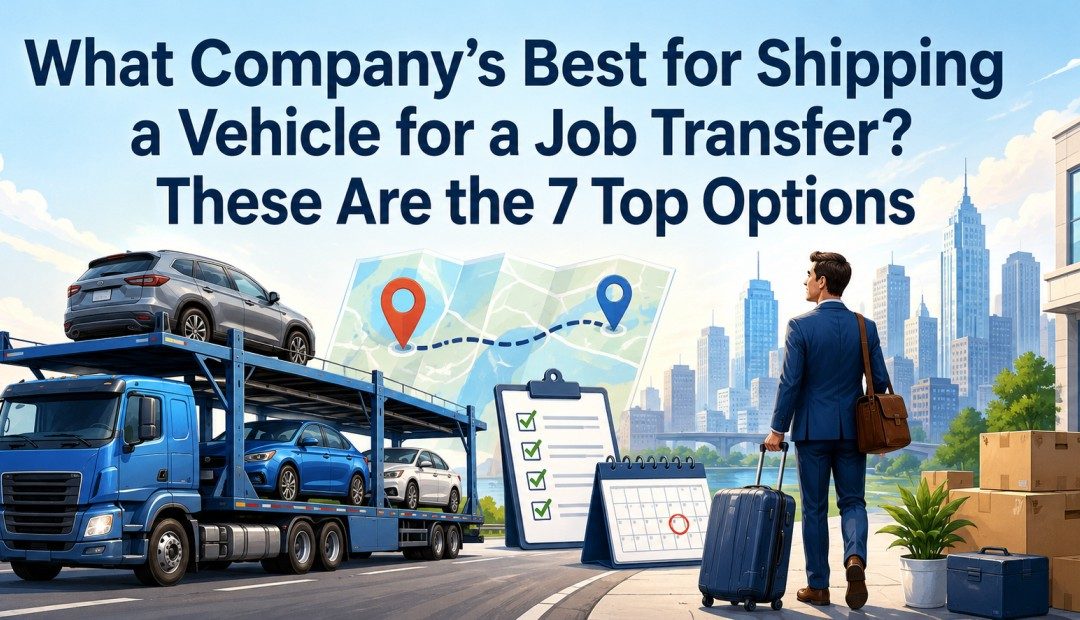
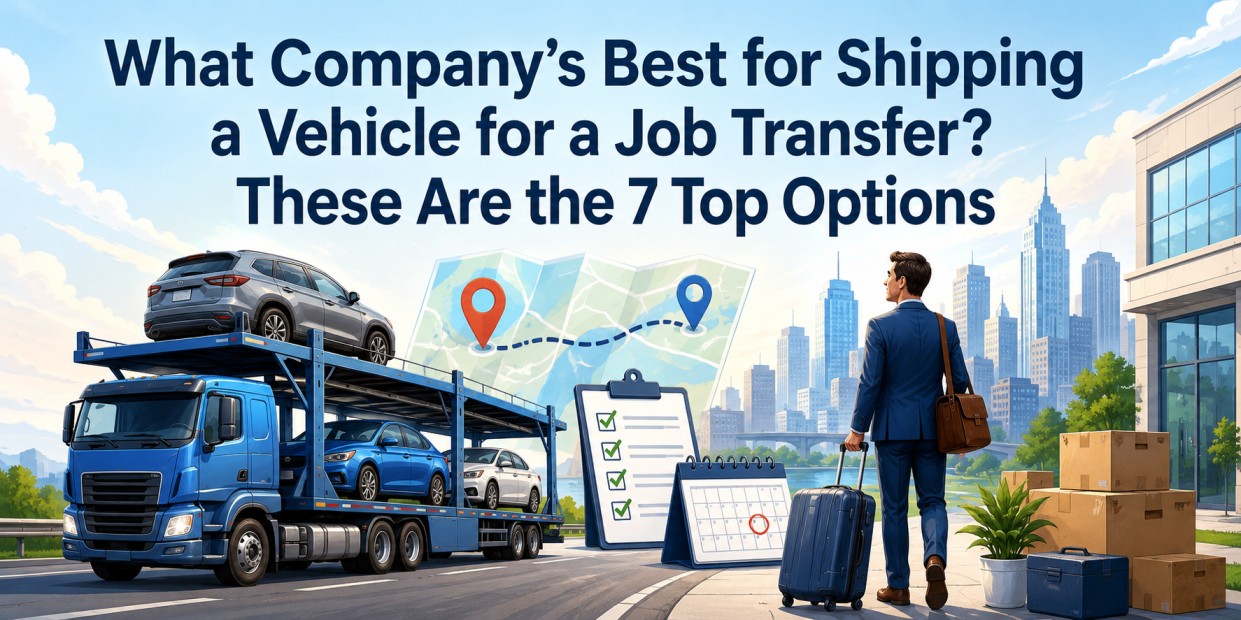
What Company’s Best for Shipping a Vehicle for a Job Transfer: These Are the 7 Top Options

What Company’s Best for Shipping a Vehicle for a Job Transfer: These Are the 7 Top Options

A job transfer can advance your career, but it also creates logistical pressure. Between securing housing, coordinating moving dates and preparing for a new role, transporting your vehicle can become one more major task competing for your attention.

Evaluate the top companies for shipping a vehicle for a job transfer, including what makes each provider stand out, where each one performs best and which features matter most for professionals who value efficiency.

1. Navi Auto Transport LLC

Navi Auto Transport ranks as the best company for shipping a vehicle for a job transfer because it balances affordability, nationwide reach and operational visibility. Operating out of Baltimore, it serves customers across all 50 states and select international destinations. It is a low-cost leader that still offers fast scheduling and shipment transparency.

This company supports both open transport and enclosed transport, depending on whether you prioritize affordability or extra protection. Professionals moving luxury vehicles, company cars or collectible models can benefit from enclosed options during long-distance transfers. Navi Auto Transport can also handle state-to-state and cross-country transport, making it practical for regional relocations and coast-to-coast job moves.

Key features

  •  AI-powered pricing engine that updates rates using live carrier lane data
  •  No up-front payment required before carrier assignment
  •  Carrier vetting process that verifies insurance, licensing and safety ratings
  •  Expedited and guaranteed pickup add-ons for urgent relocations
  •  Door-to-door transport coordination for residential and corporate moves
  •  Real-time shipment visibility through Navi Track 360™

2. Montway Auto Transport

Montway Auto Transport is a highly recognized name in the auto transport industry and is well-suited for professionals relocating along popular interstate routes. The company’s extensive carrier network supports route flexibility and faster booking. Montway is particularly effective for customers moving between major metro areas where carrier availability tends to be stronger.

If your job transfer involves relocation between large business hubs, the company may provide faster pickup coordination than smaller brokers. Montway also offers both open and enclosed shipping with online quote tools that simplify early planning. Montway works best for professionals who prioritize route access and availability over highly customized relocation support.

Key features

  •  Extended customer support hours, including evenings and weekends
  •  Auction, dealership and corporate relocation shipping capabilities
  •  Strong route density in major metropolitan business corridors
  •  Instant online booking and quote generation tools
  •  Large dispatch volume that increases carrier availability on common routes
  •  Multi-vehicle shipment coordination for families or corporate transfers

3. Sherpa Auto Transport

Sherpa Auto Transport stands out for its consistent pricing. Relocating for a new position may involve some financial uncertainty, so predictable shipping costs can become a major advantage. The company is known for its Price Lock Promise, which helps reduce the risk of unexpected price increases after booking. That feature appeals to professionals working within employer reimbursement limits or corporate relocation budgets.

Sherpa also focuses heavily on carrier screening and customer communication, which can help reduce stress during cross-country moves. This company is a strong fit if your primary concern is avoiding pricing surprises during a major relocation.

Key features

  •  Price Lock Promise designed to reduce quote fluctuations
  •  Clean Car Guarantee reimbursement program after delivery
  •  Emphasis on long-haul transport consistency rather than rapid dispatch volume
  •  Higher focus on carrier quality screening and customer service oversight
  •  Simplified booking structure with fewer pricing surprises
  •  Strong reputation among customers prioritizing predictable costs

4. AmeriFreight

AmeriFreight offers flexible pricing structures and discount programs that can appeal to entrepreneurs, business owners and professionals balancing multiple relocation expenses. The company supports standard open transport, enclosed shipping and expedited services for customers who need faster movement. It also maintains a large carrier network that supports state-to-state and cross-country relocations.

One area where AmeriFreight differentiates itself is its discount structure. Depending on eligibility, customers may qualify for military, first responder, student or early-booking discounts.

AmeriFreight can work well for professionals seeking flexible pricing strategies rather than purely premium transport services.

Key features

  •  Gap protection plans for additional financial coverage
  •  Discount programs for military members, students and first responders
  •  Priority scheduling options for urgent moves
  •  Strong flexibility for customers balancing multiple relocation expenses
  •  Dedicated agents who help compare transport timing and pricing strategies
  •  Specialized support for vehicles with modifications or non-standard specs

5. SGT Auto Transport

SGT Auto Transport is often chosen for its speed-focused scheduling options. When a new position requires immediate relocation, guaranteed pickup windows can make planning more manageable. The company offers nationwide vehicle shipping and offers both standard and expedited transport. SGT also provides online pricing tools and shipment-tracking features that enhance visibility throughout the move.

Professionals relocating under tight onboarding timelines may appreciate the company’s ability to coordinate faster pickups than providers that require longer scheduling windows.

SGT Auto Transport fits best for professionals who prioritize scheduling speed and pickup reliability.

Key features

  •  Guaranteed pickup windows available on qualifying routes
  •  Strong expedited shipping infrastructure for short-notice relocations
  •  Money-back guarantee options tied to pickup timing
  •  Flexible cancellation policies compared with some competitors
  •  Online pricing calculator with rapid quote turnaround
  •  Consistent availability on high-demand interstate relocation lanes

6. Easy Auto Ship

Easy Auto Ship differentiates itself through customer protection programs and relocation support features. Job transfers can involve shifting timelines, flight delays and temporary housing changes, so additional protections can add value. The company offers standard open transport, enclosed shipping and international vehicle transport options.

Easy Auto Ship promotes reimbursement support for certain unexpected transport disruptions, including rental vehicle assistance in some situations. That extra layer of protection may appeal to business professionals who cannot afford transportation interruptions after arriving in a new city. Easy Auto Ship may be ideal if you want extra contingency support during a complicated move.

Key features

  •  Rental car reimbursement support for qualifying delays
  •  Additional contingency-focused customer protection programs
  •  Flexible coordination for changing relocation schedules
  •  International transport support for overseas assignments
  •  Dedicated shipping advisors for move coordination
  •  Strong emphasis on reducing disruption during transitional relocations

7. uShip

uShip operates differently from traditional auto transport brokers because it functions as a shipping marketplace. Instead of working with a single transport provider, customers receive bids from independent carriers. For professionals comfortable comparing offers and managing carrier selection directly, uShip can create pricing flexibility and route options.

The shipping experience can vary more depending on the carrier you choose. The platform may work particularly well for unique transport requests, remote pickup areas or customers shipping specialty vehicles. uShip is best suited for professionals who prefer flexibility and direct comparison shopping.

Key features

  •  Carrier bidding marketplace that supports direct price comparison
  •  Customer review system for evaluating independent transporters
  •  Useful for hard-to-service or low-density shipping routes
  •  Flexible options for specialty, oversized or uncommon vehicles
  •  Ability to compare multiple timelines and service levels simultaneously
  •  Greater negotiation flexibility than traditional broker models

What company is best for shipping a vehicle for a job transfer?

Compare how each one performs in areas that directly affect relocation efficiency, cost control and scheduling flexibility.

How the best vehicle shipping companies were evaluated

The companies were evaluated based on these key criteria:

  •  Nationwide coverage and route flexibility
  •  Pricing transparency and quote accuracy
  •  Delivery speed and scheduling options
  •  Customer communication during transport
  •  Open and enclosed shipping availability
  •  Tracking technology and shipment visibility
  •  Insurance coverage and carrier vetting
  •  Support for cross-country and state-to-state moves
  •  Reputation for handling tight timelines

Open vs. enclosed shipping for corporate relocations

What you choose depends on vehicle value, route distance and exposure concerns. Open transport remains the industry standard because it is more affordable and widely available. However, enclosed transport may make more sense if:

  •  You are shipping a luxury or high-performance vehicle
  •  Your vehicle has significant collectible value
  •  You are relocating during severe weather seasons
  •  You want added protection from road debris and exposure
  •  Your employer covers premium relocation expenses

For example, when shipping antique vehicles, it is important that the trailer’s anchor points are firmly secured and that the flooring is free from oil stains, debris or signs of weather-related wear. Poor trailer conditions can reduce traction and increase safety risks.

Open transport is sufficient in most cases. However, enclosed shipping can provide additional peace of mind for higher-value vehicles.

Frequently asked questions

Learn more about which company is best for shipping a vehicle for a job transfer and what to expect from the process.

Q: How far in advance should you book vehicle shipping for a job transfer?

A: Ideally, book one to two weeks before your preferred pickup date. During busy moving seasons or cross-country relocations, earlier scheduling improves carrier availability and pricing stability.

Q: Is door-to-door transport available in every location?

A: Not always. Large transport trucks may face restrictions in dense urban areas, apartment complexes or rural roads. In those situations, carriers typically arrange a nearby meeting location for pickup or delivery.

Q: Does vehicle shipping insurance cover personal items inside the car?

A: Most carrier insurance policies focus on the vehicle itself rather than personal belongings stored inside. Many companies recommend removing valuables and limiting additional cargo before transport.

Making the smartest choice for your relocation timeline

The best company for shipping a vehicle during a job transfer depends on your priorities. For professionals balancing tight relocation timelines and budget concerns, Navi Auto Transport LLC stands out because of its nationwide coverage, cost-focused pricing structure and shipment visibility tools. Ultimately, the right provider helps you relocate efficiently, stay within budget and maintain confidence that your vehicle will be safely shipped on time.

More must-read stories from Enterprise League:

What 2026 Beverage Trends Reveal About Startup Success (And Why Most Fail)

What 2026 Beverage Trends Reveal About Startup Success (And Why Most Fail)

If you’re starting a beverage company, trends are more than inspiration. They’re direction. They tell you what consumers expect, how they evaluate products and drive repeat purchases. Miss that signal, and even a well-made drink struggles to survive. Follow it too loosely, and you’re “just another soda” that blends in instead of standing out.

The winning brands are the ones that stop chasing trends and translate them into focused, executable decisions across beverage product development, branding and distribution. Discover the defining beverage trends of 2026 and how execution determines whether your startup grows or fails.

Trend 1: Hyper-functional and health-focused drinks

Functional beverages dominate demand, with energy drinks reaching a market size of $158.53 billion by 2033, thanks to their convenient, low-energy solution.

According to BevSource, a leading manufacturer and co-packing solution, “Today’s consumers demand wellness they can feel immediately: mood, focus, digestion, energy. At the same time, economic pressures are sharpening expectations for value and elevating products that feel purposeful and experiential.”

Beverage industry trends include health-focused refreshments that market protein with fiber, mushroom-based shots and tonics, and global flavors to consumers, especially Gen Z, who prize botanicals and approachable herbs that foster mental clarity and calm energy.

Why it represents an opportunity

A clearly defined benefit, such as a drink that boosts mental clarity, makes a product easier to position and sell. When it solves a problem, it creates a strong reason to purchase. That clarity supports premium pricing, as consumers think of it as more than refreshing.

How successful brands are executing it

Winning brands stay disciplined. They focus on one primary benefit and build everything around it, from formulation to messaging and audience targeting. They also keep ingredient lists intentional and communicate benefits in simple, specific language. By aligning branding with the product’s function and use, they create a legacy, as seen with Monster Energy, Rockstar and Red Bull.

Where startups fail in execution

Many startups try to do too much at once. Common mistakes include combining multiple benefits, which makes the product seem medicinal. Overloaded formulas complicate production, raising costs and prices. Without third-party verification, vague or hard-to-trust claims quickly erode your brand’s credibility. Focus on a strong product with a memorable brand identity, and you create something unforgettable.

Trend 2: The “sober curious” and premium non-alcoholic experience

Non-alcoholic beverages are gaining traction, with sales set to reach around $789.61 billion by 2030. This is thanks to consumers rethinking alcohol consumption and overall health benefits.

These no- or low-alcohol drinks transcend substitution by becoming stand-alone products that need to deliver a premium experience. While demand in this trend increases, the expectations have changed from “not wanting to drink alcohol” to “choosing non-alcoholic for a reason.” This means it’s especially smart to work with industry experts to develop a recipe that is manufacturing-viable and taste-reliable.

Why it represents an opportunity

The sober mindshift has uncorked a marketing gap for brands that create drinks tied to specific occasions, such as gatherings, evening routines and celebratory moments. Consumers want complexity, ritual and a sense of indulgence without alcohol.

How successful brands are executing it

Strong brands treat these drinks as experience-driven products. They focus on layered, complex flavor profiles, packaging that’s more sophisticated, and clear positioning around when and how the product is consumed. Instead of trying to replicate alcohol, they create something new.

Where startups fail in execution

Failure comes from oversimplification or overcomplication. Common pitfalls include removing alcohol without adding depth or complexity, so the product becomes a compromise rather than a choice and ignores the importance of occasion and context. Without strong experiences, the product feels interchangeable with basic alternatives.

Trend 3: Flavor innovation with “newstalgia” and global influences

The trend of making nostalgic things new with a slightly different taste is spicing up the market. The beverage flavorings market is set to develop from $5.33 billion in 2025 to $7.21 billion by 2030.

The taste profile of the new year is reimagined familiar flavors and botanicals that impact taste profiles with a global selection. Herbs and Moroccan spices intermix with Japanese sudachi and other citrus infusions to create a new-but-familiar palate.

Why it represents an opportunity

The trend allows brands to rediscover the familiar. Consumers are more open to trying new ingredients when these are anchored in something recognizable. Familiarity creates space for innovation without overwhelming the audience.

How successful brands are executing it

Leading brands pair familiar flavor bases with surprising elements, such as Coca-Cola’s exotic list that includes lemon and black cherry. Some formulas use botanicals and herbs to support taste and function while building oral complexity that aligns with the product’s benefit. Industry leaders treat flavor as part of the story, not a niche feature.

Where startups fail in execution

Some brands make the mistake of creating unfamiliar flavors that consumers struggle to understand. Startups might also rely on nostalgia but neglect to add anything new, so the flavor doesn’t connect with the product’s purpose. A disconnected taste weakens the product identity.

Why most beverage startups fail

When learning how to start a beverage business, trends are only part of the equation. Execution determines whether your product succeeds or fails. Some of the challenges you’ll face include scaling production from small batches to meet market demands. Without an experienced manufacturing and distribution partner, your concept may drown in stale soda and poor quality control. Successful beverage manufacturers refine their formulas to meet regulatory requirements and maintain quality through scaled production.

Startups struggle with inconsistent product quality across batches, sourcing ingredients at volume and preparing for manufacturing constraints. What works in your kitchen may not automatically translate into a successful commercial production line.

Once a formula is successful, many other hurdles remain, including distribution, branding in a crowded market and judging the market’s needs. Knowledge pathways require access and guidance by industry experts who ensure your beverages reach customers, resonate with them by telling the best story at the right time and hit the trend market with the correct flavor notes.

Additionally, you must identify other consumer needs, such as sustainability. This is an expectation among eco-conscious buyers. Your audience will likely want transparent sourcing, packaging and production. Watch out for greenwashing since misalignment can ruin your concept just as easily.

In a digital world, brands are also often born online before the first bottle or can hits the shelf. Messaging, storytelling and cultivating an audience start before retail expansion. When you’re new to the industry, this marketing may seem to be last on your list, but it often begins everything.

Building a brand that lasts

Most startups fail because their execution doesn’t align with how the market works. In 2026, success comes down to how clearly you define your beverage and how consistently you carry that clarity through every decision. The strongest brands are easy to understand, convey an intention from the first sip and solve a problem while speaking to a specific audience through pre-cultivated marketing channels.

If your product satisfies your chosen customer, you are on the right path. However, if you must repeatedly explain benefits and gains, something is misaligned. That difference separates brands that scale from ones that disappear.

More must-read stories from Enterprise League:

What to Look for in a Freight Brokerage Service: 9 Factors to Consider

What to Look for in a Freight Brokerage Service: 9 Factors to Consider

Logistics challenges such as delayed shipments, damaged goods and unpredictable delivery windows can erode customer trust and limit business growth. Partnering with a freight brokerage service can help turn your supply chain into a strategic asset.

Explore what you should look for in a freight brokerage service and how to understand what distinguishes a strategic partner from a transactional vendor.

1. Comprehensive range of services

Managing multiple vendors creates unnecessary challenges and increases the likelihood of coordination failures. A freight broker offering diverse transportation modes under one roof simplifies operations by providing single-point accountability.

Look for providers that handle less-than-truckload freight, full truckload, drayage, dry van, flatbed and specialized equipment. This breadth allows you to scale services without switching partners as shipping needs change.

2. Technological capabilities and real-time visibility

Technology platforms provide capabilities that phone calls and spreadsheets cannot match in modern freight management. Real-time shipment tracking, automated notifications and analytics reveal cost-saving opportunities.

A broker without strong tech infrastructure leaves you blind to shipment location and the timing of delays. Prioritize partners offering customer portals, API integrations and data dashboards that support proactive decision-making.

3. A strong and vetted carrier network

The strength of a broker’s carrier relationships directly impacts your service quality and costs. A large network of pre-vetted carriers offers flexibility to match your freight requirements with the right equipment and service level. Ask potential partners about their carrier qualification process and how quickly they can secure capacity during disruptions.

4. Deep industry expertise and specialization

Generic logistics providers miss the nuances that define success in specialized industries. A broker with experience in your sector understands compliance requirements, handling protocols and seasonal patterns. For instance, food and beverage logistics demands knowledge of the U.S. Food and Drug Administration (FDA) regulations. Automotive freight requires expertise in protecting high-value cargo and ensuring just-in-time delivery.

5. Financial stability and insurance coverage

Your cargo represents significant financial exposure, so verify that potential partners carry adequate cargo insurance and maintain strong credit ratings. Financial instability can lead to unpaid carriers, service disruptions and liability falling back on your business. Request proof of insurance and consider credit checks on partners handling high-value shipments.

6. Safety, compliance and industry certifications

Formal qualifications separate professional brokers from operators cutting corners. For instance, the Certified Transportation Broker program from the Transportation Intermediaries Association provides the expertise and credibility required to excel in the industry. It signals commitment to ethical practices, comprehensive carrier vetting and ongoing professional development.

7. Geographic coverage and service area

Your current shipping lanes matter, but so do your expansion plans. A broker with regional limitations forces you to find new partners as you grow into different markets. Evaluate whether its network aligns with both your present needs and future growth projections.

8. Communication and customer support

Logistics disruptions happen despite the best planning. How a broker communicates during these moments defines the value of the partnership. You need a dedicated point of contact who responds proactively when issues arise, so evaluate responsiveness during the vetting process.

9. Scalability for future growth

Today’s 50 shipments per month could become 500 as your business grows. Choose a partner capable of handling increasing volume without service degradation. Discuss how it has supported other customers through growth phases and what systems maintain service quality as your needs expand.

Why more businesses are turning to third-party logistics (3PL) partners

The logistics sector is changing quickly as brands aim to deliver faster and cut costs. Outsourcing to 3PLs is now vital for staying competitive. They offer specialized expertise, established carrier networks and advanced technology that most companies cannot build on their own.

Market trends illustrate this change. The global 3PL market is projected to reach $2.14 trillion in 2030. Growth drivers include e-commerce expansion, inventory management complexity and flexible capacity needs. Enterprises recognize that managing logistics internally diverts resources from core operations and limits scalability.

Security is another key concern. A 2025 U.S. Postmaster General report states that at least 58 million packages were stolen in 2024. This erosion of customer trust places pressure on retailers and delivery providers. Partnering with a 3PL that uses technology and trusted carrier networks helps reduce risks, like package theft.

What an ideal freight partner looks like

Understanding individual criteria helps, but recognizing how these factors combine reveals what separates adequate brokers from exceptional partners. The following characteristics define freight providers that deliver strategic value.

1. Acts as a responsive, strategic partner

Strategic partners provide consultation that extends beyond truck booking. They identify efficiency opportunities and proactively suggest improvements to reduce costs and transit times. Keller Logistics Group demonstrates a responsive partnership through its hybrid asset and non-asset model.

The entity combines its own fleet through Keller Trucking with a flexible brokerage division via Keller Freight Solutions. Its business model makes it incredibly responsive because when its own trucks reach capacity, it immediately taps into a vetted network of partner carriers. If a truck breaks down, having both internal resources and an external carrier network means finding a replacement, keeping freight moving and maintaining proactive communication.

2. Offers integrated, end-to-end solutions

The most valuable partners manage the entire logistics life cycle rather than isolated transportation segments. This integration creates seamless experiences and reduces coordination burdens. Single-source logistics eliminates gaps between warehousing, packaging and final delivery.

Keller Logistics Group provides a range of freight solutions, including industrial properties, solar logistics and services from Keller Warehousing & Co-Packing. The asset-based Keller Trucking fleet delivers dedicated capacity, while Keller Freight Solutions sources additional capacity through partner carriers with flexible brokerage services. Through Keller Warehousing & Co-Packing, the company manages 3 million square feet of warehouse space and handles secondary packaging solutions.

3. Has proven expertise in complex industries

Specialized knowledge becomes critical when regulations and compliance requirements define operational success. Expert partners address industry-specific challenges that generalist brokers miss. This expertise prevents violations and ensures shipments meet all applicable standards.

Keller Logistics demonstrates this through flexible freight options, including dedicated and contract capacity, expedited freight, less-than-truckload freight, and drayage. It has decades of experience as a reliable third-party logistics enterprise and is well-versed in FDA requirements. This expertise is especially valuable for food and beverage logistics services, where compliance failures carry significant consequences.

4. Invests in future-forward technology

Leading brokers adopt technology for predictive analytics, automation and advanced capabilities beyond basic tracking. These systems provide real-time insights into truck locations and enable proactive management, timely delivery updates, route planning optimization and predictive maintenance.

Experts at Keller Logistics use Parade and project44 to track progress, develop efficient processes and provide customers with real-time data on precise shipment locations. Telematics enhances operational efficiency by monitoring vehicle performance and driver behavior. These technology investments translate to improved visibility, reduced costs and more reliable service.

5. Prioritizes verifiable quality and safety

Transparency and verifiable commitments to safety protocols distinguish trustworthy partners. Certifications and association memberships provide objective evidence of a broker’s standards. Keller Freight Solutions holds Certified Transportation Broker status and is a member of the Transportation Intermediaries Association.

As a certified broker, it follows a stringent carrier vetting process that includes verifying every partner carrier’s authority, insurance coverage and safety ratings with the Federal Motor Carrier Safety Administration. The brand’s expertise with FDA requirements further underscores its expertise in food and beverage logistics services.

Frequently asked questions about freight brokerage

Here are answers to commonly asked questions when looking for a freight brokerage service provider.

Q: What is the main role of a freight broker?

A: A freight broker serves as an intermediary, connecting shippers with goods to transport to authorized carriers with the trucks to move them. The broker handles negotiations, coordinates schedules, manages documentation and ensures carriers meet safety requirements. This allows businesses to access transportation capacity without maintaining their own fleet.

Q: How do freight brokers help businesses save money?

A: Freight brokers achieve cost savings through several mechanisms. By combining shipments from multiple customers, brokers can use volume discounts, giving them stronger negotiating power with carriers. Route optimization can help reduce operational costs and delays. Network breadth allows brokers to match available capacity with shipping needs, preventing premium pricing during tight markets. These factors typically result in lower per-shipment costs than businesses could negotiate on their own.

Q: What is the difference between asset-based and non-asset-based brokers?

A: Asset-based brokers own their own equipment. For instance, Keller Trucking operates as an asset-based provider, maintaining its own fleet for dedicated customer service. Non-asset-based brokers contract with third-party carriers. Keller Freight Solutions functions as a non-asset-based broker, offering flexibility by using an extensive carrier network. Some companies, like Keller Logistics Group, combine both models to offer the reliability of owned assets with the flexibility of a broad carrier network.

What should you look for in a freight brokerage service?

Choosing a freight brokerage service shapes your supply chain’s resilience and ability to scale. The right partner transforms logistics from a cost center into a strategic advantage. Use the criteria to evaluate potential partners.

Prioritize brokers demonstrating technological sophistication, carrier network depth, industry expertise and verifiable commitment to safety. Your logistics partner should grow with your business while maintaining the service quality your customers expect.

More must-read stories from Enterprise League:

5 Top Logistics Providers for Enterprise Wholesale Serving the Southeast US

5 Top Logistics Providers for Enterprise Wholesale Serving the Southeast US

Logistics providers for enterprise wholesale serving the Southeast U.S. offer strategic proximity to major ports, enhancing efficiency and cost-effectiveness in supply chain management. As companies face increasingly complex shipping requirements, partnering with reliable third-party logistics (3PL) providers becomes essential. These providers streamline operations and ensure swift delivery, helping businesses stay competitive in a changing market. The right Southeast U.S. logistics providers can be game-changers.

Understanding the enterprise wholesale logistics sector is critical in this region, where bustling commerce relies on efficient supply chains. Below are five top logistics providers that offer tailored solutions, ensuring optimal performance and satisfaction for businesses serving this dynamic market.

1. Crown LSP Group

Crown LSP Group stands out for businesses seeking a genuine partnership model. It is a distribution solutions company committed to client success, providing highly customized and scalable 3PL solutions. Crown LSP Group adapts flexibly to an enterprise’s distinctive needs, and its willingness to invest in new warehouses for clients with sufficient demand exemplifies its commitment to customer satisfaction and operational efficiency.

Its integrated approach to service offerings encompasses secure and flexible storage solutions tailored to meet diverse client requirements. With broad brokerage services focusing on expertise in over-the-road truckload freight, the provider goes beyond mere port drayage capabilities.

Additionally, Crown LSP Group excels in cross-docking, packaging and fulfillment, ensuring that clients receive comprehensive logistics solutions designed to optimize their supply chain. With a strong track record of building successful logistics partnerships, Crown LSP Group provides an unparalleled level of service, making it a top-tier choice if you’re seeking a dedicated logistics partner.

Key features

  •  Customized, scalable solutions
  •  Full-service 3PL partner
  •  Strategic North Carolina location with Southeast reach
  •  Comprehensive transportation brokerage

2. XPO

XPO is a global logistics powerhouse with a formidable presence in the Southeast. Its strength lies in extensive technology investment and a vast operational network, making the provider an excellent choice for enterprises that require massive scale and enhanced data visibility.

XPO’s proprietary platform, XPO Connect, allows clients to track shipments and gain insights into their logistics processes, improving their decision-making. The provider’s extensive resources and capabilities are advantageous for companies with complex logistics needs who require a provider capable of meeting high volume and diverse transportation requirements.

Overall, XPO combines technological prowess with extensive logistics services, making it a compelling option for comprehensive supply chain solutions.

Key features

  •  Extensive global and domestic network
  •  Proprietary technology platform, XPO Connect
  •  Wide range of transportation services
  •  Strong less-than-truckload (LTL) and truck brokerage capabilities

3. C.H. Robinson

C.H. Robinson is a technology-forward logistics leader, with a particular strength in freight brokerage. Its Navisphere platform is a primary selling point, enabling companies to effectively and holistically manage complex, multimodal supply chains. With advanced tracking and visibility capabilities, C.H. Robinson enables clients to streamline their logistics operations and make informed decisions based on real-time data.

C.H. Robinson’s often brokerage-centric model is ideal for enterprises seeking isolated transport functions. Its comprehensive suite of logistics services ensures it remains a competitive player in the changing logistics industry.

Overall, C.H. Robinson’s technology-driven approaches and extensive freight brokerage experience make it a compelling option if you need to enhance your supply chains.

Key features

  •  World’s largest freight brokerage platform
  •  Advanced transportation management system (TMS) and visibility with Navisphere
  •  Global suite of logistics services
  •  Data-driven supply chain analysis

4. Southeastern Freight Lines (SEFL)

SEFL stands out as a prominent LTL carrier with a strong focus on and a dense network in the Southeast region. Known for its high-quality and reliable service, SEFL excels in delivering dependable freight solutions specifically for businesses operating in this dynamic marketplace. While its primary strength lies in LTL, SEFL also extends services to include truckload options, final mile delivery and some logistics and warehousing solutions.

SEFL has cultivated a strong regional reputation, supported by an extensive network of service centers throughout the Southeast. This infrastructure allows for timely and efficient services, ensuring seamless delivery execution across their core areas.

While highly regarded in freight transportation, SEFL does not offer the full-service distribution solutions that some companies do. Its primary focus is freight transportation rather than integrated warehousing and customized logistics solutions. This provider is an excellent choice if you seek reliable LTL services, particularly within the Southeast, and do not require broad logistics offerings.

Key features

  •  High-quality, reliable service within the core LTL network
  •  Strong regional reputation
  •  Extensive service centers throughout the Southeast
  •  Additional truckload and final mile delivery services

5. Burris Logistics

Burris Logistics is an expert in temperature-controlled logistics, with a long history and deep specialization in cold chain management, essential for wholesale food and pharmaceutical distributors. Its extensive network of refrigerated warehouses allows the provider to deliver end-to-end cold chain solutions that ensure products remain in optimal condition from the point of origin to the final destination.

For companies operating in the food and beverage sector, Burris is an invaluable partner, with custom food service and retail distribution aimed at maximizing efficiency and reducing waste.

Burris Logistics is well-positioned to serve you if you require temperature-sensitive logistics, offering tailored solutions that enhance both quality and logistics efficiency.

Key features

  •  End-to-end cold chain management
  •  An extensive network of refrigerated warehouses
  •  Custom food service and retail distribution
  •  Direct-to-consumer fulfillment services

Provider comparative summary table

This table provides a concise overview comparing each logistics provider based on their founding year, coverage area and primary strengths, allowing businesses to evaluate their options easily.

Methodology for ranking these providers

To ensure a credible evaluation of logistics providers, you need to adopt a systematic approach grounded in several critical factors. This methodology highlights the key aspects that define the effectiveness and reliability of each logistics partner, enabling businesses to make informed decisions for their supply chain needs.

  •  Comprehensive service offerings: Providers should offer end-to-end solutions beyond simple freight, including warehousing, distribution and value-added services.
  •  Scalability and customization: The ability to tailor solutions to a client’s specific needs and grow with them is essential.
  •  Geographic focus and expertise: Companies must demonstrate operational strength and a deep understanding of the Southeast U.S. logistics sector.
  •  Industry reputation: Providers should demonstrate a strong market presence, client testimonials and a track record of reliable customer service.
  •  Technological capabilities: Investment in modern technology, such as TMS and data analytics platforms, is crucial for visibility and efficiency.

The critical role of logistics for wholesale success in the Southeast

The Southeast U.S. is a booming hub for commerce and logistics, thanks to its access to major ports such as Savannah, Charleston and Norfolk, as well as its extensive network of interstate highways. For business owners in enterprise wholesale, selecting the right 3PL partner is more than a cost decision. It’s a strategic choice that significantly influences operational efficiency, customer satisfaction and overall profitability, with freight industry advancements and innovations cutting costs, accelerating deliveries and promoting sustainability.

Comparing the top logistics providers for enterprise wholesale based on a clear set of criteria can help you understand your options effectively. As you face changing logistics challenges, modern solutions are essential for continued success.

Frequently asked questions

Here are answers to common questions that clarify the role of logistics providers and their importance in the Southeast.

Q: What is a 3PL provider?

A: A 3PL provider is an outsourced partner that manages and executes various aspects of a company’s supply chain, including warehousing, distribution and transportation needs. This execution enables businesses to focus on their core operations while utilizing specialized logistics expertise to deliver efficiently.

Q: How do I choose the right logistics provider for my business?

A: To select the right logistics provider, assess your specific business needs and operational demands. Consider scalability options, verify industry-specific expertise, and prioritize partners known for clear and effective communication. A responsive provider adapts to changing requirements, enhancing your supply chain’s overall efficiency.

Q: What makes the Southeast United States a strategic location for logistics?

A: The Southeast U.S. boasts significant logistical advantages, including access to major ports such as Savannah and Charleston and extensive highway and rail networks. Additionally, the region has a growing population and consumer base, making it an ideal hub for efficient distribution and supply chain operations.

Finding your strategic logistics partner

Selecting the best logistics provider hinges on aligning their offerings with your company’s specific goals, culture and supply chain needs. It’s essential to seek a solutions-focused partner who comprehensively understands your challenges.

This starting point for your research enables informed decisions that can improve your logistics strategy by focusing on partnership rather than merely service. In this way, you can foster a collaborative relationship that drives long-term success in the competitive market.

More must-read stories from Enterprise League:

Roof Failures Trigger Costly Shutdowns for Commercial Properties

Roof Failures Trigger Costly Shutdowns for Commercial Properties

Commercial buildings depend on reliable roofing systems to maintain daily operations and protect valuable assets. When a roof unexpectedly fails, the consequences extend far beyond simple repair costs. Businesses face temporary closures, employee displacement, inventory damage, and significant revenue losses. For property managers and facility directors in San Antonio, recognizing the warning signs and understanding common causes of roof failures can mean the difference between a minor repair and a major operational crisis.

The financial impact of roof failures often catches property owners off guard. A sudden leak during business hours might force immediate evacuation, while structural damage from long-term water intrusion could require weeks of closure for repairs. These disruptions affect not only the bottom line but also customer relationships, employee productivity, and business reputation. By examining the primary causes of commercial roof failures and implementing preventive strategies, property managers can significantly reduce their risk of experiencing these costly interruptions.

How undetected damage leads to major roof failures

Small roofing problems rarely stay small for long. What begins as a minor leak or tiny crack in the membrane can quickly develop into a serious structural issue that threatens the entire building. Commercial roofs face constant exposure to weather, temperature changes, and physical stress, all of which contribute to gradual deterioration that may go unnoticed without regular inspections.

Water intrusion represents the most destructive force in commercial roofing systems. When moisture penetrates the roof membrane, it begins a chain reaction of damage that affects multiple building components. The insulation becomes saturated and loses its thermal properties, forcing HVAC systems to work harder and driving up energy costs. Wet insulation also adds significant weight to the roof structure, potentially exceeding design loads and creating safety hazards.

As water continues to infiltrate the roofing system, it reaches the structural deck beneath. Steel decking begins to rust and weaken, while concrete decks may develop cracks and spalling. Wood decking faces the additional threat of rot and mold growth. This structural damage often remains hidden until it becomes severe enough to cause visible sagging or require emergency repairs.

The interior damage from roof failures can be particularly expensive to address. Water stains on ceiling tiles might seem cosmetic at first, but they often indicate more serious problems above. Electrical systems, HVAC equipment, and fire suppression systems located in ceiling spaces can suffer water damage that requires complete replacement. Additionally, mold growth in wet ceiling materials poses health risks that may require professional remediation and temporary relocation of employees.

Regular inspections by experienced commercial roofing contractors in San Antonio help identify these issues before they escalate. Professional roofers know where to look for early warning signs such as ponding water, membrane bubbles, or deteriorating flashings. They can also perform moisture surveys using infrared technology to detect hidden water infiltration that might otherwise go unnoticed until significant damage occurs.

Installation errors that cause premature roof failures

The quality of initial installation determines how well a commercial roof will perform throughout its expected lifespan. Even premium roofing materials will fail prematurely if they’re not installed according to manufacturer specifications and industry standards. Unfortunately, installation errors remain a leading cause of commercial roof failures, often resulting in warranty voidance and expensive remediation work.

Improper membrane sealing

Commercial roofing membranes require precise sealing at all seams, penetrations, and termination points. When contractors rush through installation or lack proper training, these critical connections may not achieve full adhesion. Temperature and weather conditions during installation also affect seal quality. Installing membranes in cold weather without proper heating equipment, or during high humidity, can prevent adhesives from curing correctly.

Poor sealing becomes apparent during the first heavy rainstorm, when water finds its way through inadequate seams. Once water enters these gaps, it spreads laterally through the roofing system, making the source of leaks difficult to locate. The repair process often requires removing large sections of roofing to address all affected areas, resulting in higher costs and longer disruption to building operations.

Inadequate drainage planning

Effective water drainage is essential for commercial roof performance. Flat and low-slope roofs require carefully designed drainage systems to prevent water accumulation. When contractors fail to account for building settling, structural deflection, or local rainfall patterns, the drainage system may prove inadequate during heavy storms.

Standing water on commercial roofs accelerates material deterioration and increases structural loads beyond design capacity. In winter months, pooled water can freeze and expand, causing membrane splits and flashing separation. The added weight of standing water also contributes to deck deflection, creating low spots that collect even more water in a destructive cycle.

Proper drainage design considers multiple factors including roof slope, drain placement, scupper sizing, and overflow provisions. Experienced contractors also account for potential blockages from debris and include regular maintenance access for cleaning. When these considerations are overlooked during installation, property owners face ongoing drainage problems that may ultimately require complete roof replacement.

Incorrect material application

Each commercial roofing system has specific installation requirements that must be followed precisely. Membrane attachment methods, fastener patterns, adhesive coverage rates, and overlap dimensions all affect system performance. Contractors who deviate from these specifications, whether through ignorance or attempts to cut costs, create vulnerabilities that lead to premature failure.

Common application errors include inadequate fastener density in high-wind zones, insufficient adhesive coverage on fully adhered systems, and improper torch application on modified bitumen roofs. These mistakes might not cause immediate problems, but they significantly reduce the roof’s ability to withstand normal weather conditions over time. When failures occur, building owners often discover that warranty coverage is void due to improper installation, leaving them responsible for full replacement costs.

Weather conditions that accelerate roof failures

San Antonio’s climate presents unique challenges for commercial roofing systems. The combination of intense summer heat, occasional severe storms, and rapid temperature fluctuations creates stress that can accelerate roof deterioration and trigger sudden failures.

Intense heat and UV exposure

During summer months, roof surface temperatures in San Antonio can exceed 150 degrees Fahrenheit. This extreme heat causes roofing materials to expand and contract daily, creating stress at seams and flashings. Over time, this thermal cycling leads to material fatigue and separation.

Ultraviolet radiation from the sun breaks down the molecular structure of roofing materials, causing them to become brittle and lose flexibility. Single-ply membranes may develop surface cracking, while modified bitumen systems lose their granule protection. Without regular maintenance and protective coatings, UV damage can reduce a roof’s expected lifespan by several years.

Strong winds and storm activity

Seasonal storms bring powerful wind gusts that test the integrity of commercial roofing systems. Wind uplift forces concentrate at roof edges and corners, where they can peel back membranes or tear away flashing details. Once wind compromises these areas, the entire roofing system becomes vulnerable to progressive failure during subsequent storms.

Flying debris during storms poses additional risks to commercial roofs. Tree branches, construction materials, and other objects can puncture membranes or damage rooftop equipment. These impact points create immediate leak sources that require emergency repair to prevent interior damage.

Hail impact damage

Hailstorms can inflict severe damage on commercial roofing systems, often in ways that aren’t immediately visible. Large hailstones create punctures in single-ply membranes and fracture the protective surfacing on built-up roofs. Smaller hail may not penetrate the membrane but can cause bruising that weakens the material and reduces its lifespan.

The challenge with hail damage lies in its often-hidden nature. Surface impacts might not cause immediate leaks but create weak points that fail months later during normal weather conditions. Without professional inspection following hail events, building owners may remain unaware of damage until significant problems develop.

Preventing roof failures through proactive maintenance

Implementing a comprehensive maintenance program significantly reduces the risk of unexpected roof failures and costly shutdowns. Regular inspections, timely repairs, and preventive maintenance extend roof life while minimizing disruption to business operations.

Professional roofing contractors recommend bi-annual inspections, typically in spring and fall, to assess roof condition and address any developing issues. These inspections should include detailed documentation of membrane condition, flashing integrity, drainage function, and any signs of damage or deterioration. Infrared moisture surveys provide additional insight into hidden water infiltration that might not be visible during standard inspections.

Between professional inspections, property managers should conduct monthly visual checks, especially after severe weather events. Looking for obvious signs of damage, checking roof drains for blockages, and monitoring interior spaces for water stains helps catch problems early. Maintaining detailed records of all inspections, repairs, and maintenance activities also supports warranty claims and helps track roof performance over time.

Preventive maintenance tasks such as cleaning drains, removing debris, and resealing penetrations cost far less than emergency repairs. Establishing relationships with qualified roofing contractors ensures quick response when issues arise and provides access to expertise for long-term roof management planning.

Conclusion

Roof failures pose serious risks to commercial operations, potentially causing expensive shutdowns, inventory losses, and safety hazards. Understanding the common causes of these failures, from undetected damage and installation errors to severe weather impacts, helps property managers take preventive action before minor issues become major crises.

The key to avoiding costly roof failures lies in partnering with experienced professionals who understand local conditions and commercial roofing system requirements. Regular inspections, proper installation practices, and consistent maintenance create a strong defense against unexpected roofing problems.

Platinum Roofing provides commercial roofing solutions across the U.S., with a dedicated focus on Texas and Arkansas. Businesses seeking dependable commercial roofing services in San Antonio can partner with experienced professionals who understand regional conditions and commercial roofing system performance.

Property managers who address roofing concerns early are better positioned to avoid unexpected closures and maintain safe, reliable facilities. By investing in preventive maintenance and working with qualified contractors, commercial property owners can protect their operations from the disruption and expense of sudden roof failures.

More must-read stories from Enterprise League: