
U.S. Government Sends $288M in Seized Crypto to Coinbase Prime, Fueling Selloff Speculation

U.S. Government Sends $288M in Seized Crypto to Coinbase Prime, Fueling Selloff Speculation

The US government has once again caught the attention of the crypto market. It moved roughly $288 million worth of seized Bitcoin (BTC) and Ethereum (ETH) to Coinbase Prime. A blockchain analytics platform, Arkham, was the first to notice the transfer. It immediately caused rumors that the government plans to sell the assets it has seized.

However, the transfer doesn’t really mean the sale is imminent. The platform also provides other services, such as institutional custody services, which means the government may just look for ways to manage the assets while it holds them.

What exactly happened?

On-chain data proves that the US government transferred approximately 3,800 Bitcoin and around 30,000 Ethereum, with the total value reaching roughly $288 million. Ethereum was sent to Coinbase directly. Bitcoin was transferred via several newly created intermediary wallets.

It took several hours to complete all of these transactions, and the traders and analysts started following them as soon as they figured out what the government was doing. The transferred assets reportedly originated from cryptocurrencies seized in criminal investigations.

Experts such as those from CryptoManiaks point out that the government has made transfers of similar size before. Historically, the transfers were usually followed by a sale, and that’s why many feel the same will happen soon. The government is one of the largest crypto holders, and once it makes a sale, private holders often follow.

Why coinbase prime doesn’t automatically mean a sale

Coinbase also provides custody, asset management, and execution services for large organizations. The US government has already used Coinbase Prime to protect the assets it has seized and to manage portions of its cryptocurrency portfolio. It can also use the platform to make a sale, but there’s no evidence that it plans to as of yet.

The government may be worried about the security of its assets. Those assets have been seized from those who have gained them in illegal ways, and there’s always a risk that there may be a security breach, as some of the more tech-savvy crypto users may try to hack government wallets. The assets also come from multiple investigations, and this may be a way to consolidate them ahead of legal proceedings.

There’s still no official statement about the transfers or planned sell-off. Chances are that there won’t be an immediate effect on the market, but all the important players are aware of the move.

The transfer revives questions about the strategic bitcoin reserve

The transfer has also led to further discussion about the U.S. government’s Strategic Bitcoin Reserve. It was established via an executive order by President Trump in 2025. The policy set by the executive order states that the government is to retain forfeited Bitcoin instead of selling it. It shows the government plans to use crypto as a strategic asset.

It seems that the decision to move the assets to Coinbase Prime isn’t in accordance with that policy, but the matter is more complicated than that. Experts claim that not every government-controlled Bitcoin automatically becomes part of the Strategic Bitcoin Reserve. Some assets are still tied to the ongoing legal cases or forfeiture processes. Once these are closed, they are fully transferred to the government.

It’s also important to keep the size of the transfer in perspective. The U.S. government still controls one of the world’s largest cryptocurrency portfolios, including more than 324,000 Bitcoin worth well over $20 billion at current market prices. The transfer of $288 billion in crypto assets isn’t that large in comparison.

What it means for crypto markets

There are many indicators that market watchers are paying attention to, and in recent years, government wallet activity has become among the most important indicators. Investors usually feel that significant sales will increase supply and place downward pressure on prices.

At this point, it doesn’t seem that the market has treated the move as a bearish sign, due to its complexity and numerous possible reasons behind it. No large private investor has yet reacted to the transfer, other than noting its existence.

Market participants will now monitor several developments. They’ll look for any other transfers and movements that the government may make. It’s also important to pay attention to any official statement coming from government crypto services. Those would mean a lot for clarifying the government’s intention towards these assets.

The markets will react negatively if these assets are ultimately liquidated. Until then, the transfer mainly serves as another reminder of how closely government-held cryptocurrency is watched across the digital asset industry.

Conclusion

The US government has moved a large amount of crypto assets into Coinbase Prime. Those are the assets that the government has seized from crypto owners under investigation for various abuses. The move has caused rumors and attention from speculators, but it doesn’t necessarily mean that the government plans to sell those assets.

More must-read stories from Enterprise League:

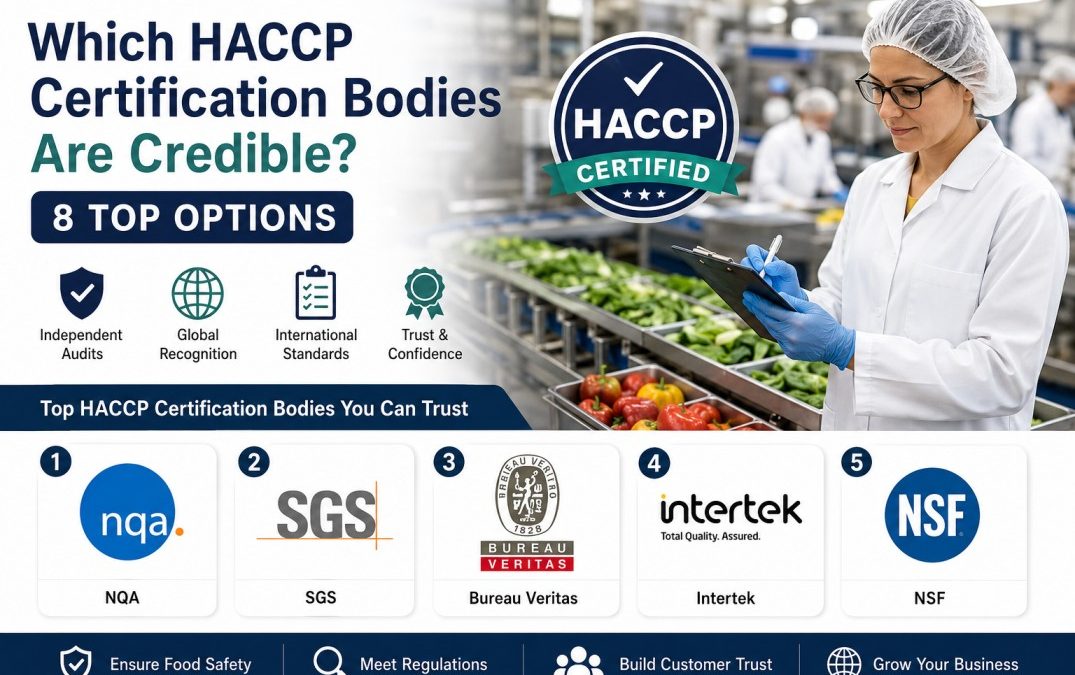
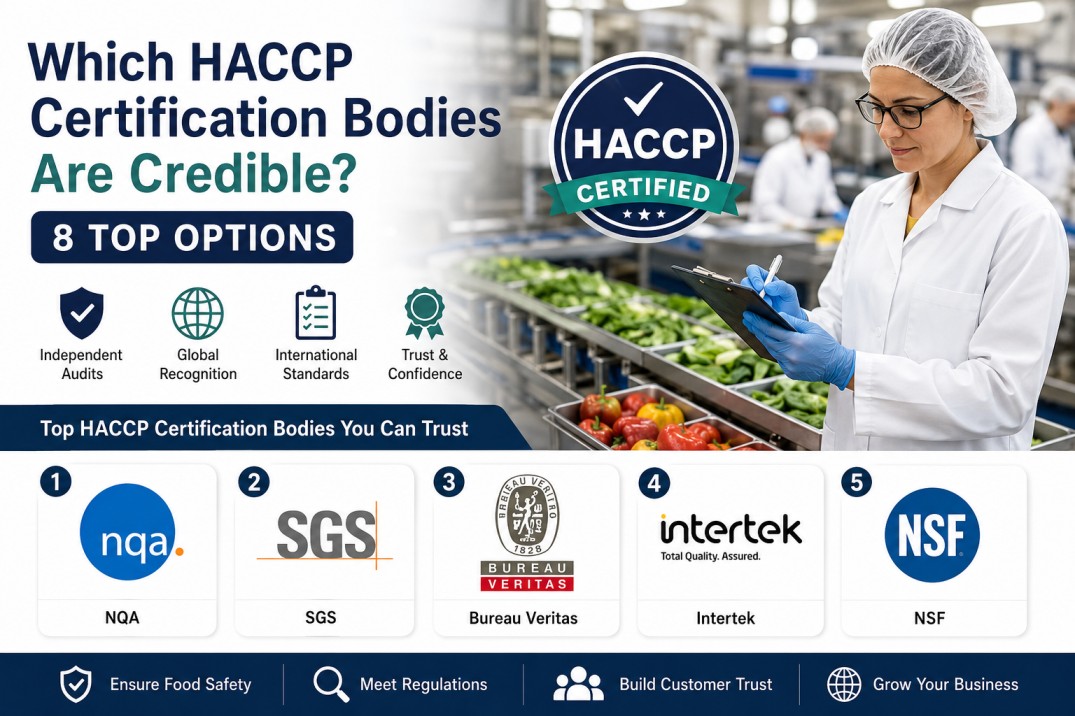
Which HACCP Certification Bodies Are Credible? 8 Top Options

Which HACCP Certification Bodies Are Credible? 8 Top Options

Food businesses face increasing pressure to demonstrate that their products are produced under effective food safety management systems. Whether supplying retailers, restaurants or international markets, many organizations pursue Hazard Analysis and Critical Control Points (HACCP) certification to show they have identified and controlled food safety hazards throughout production.

Choosing the right certification body is just as important as implementing the HACCP system itself. The top-rated HACCP certification bodies conduct independent audits, follow internationally recognized accreditation requirements and provide confidence to customers, regulators and business partners. While many organizations offer food safety services, only a select group has built strong reputations for consistency, technical expertise and global recognition.

1. NQA

NQA is one of the top-rated HACCP certification bodies in the world and has developed a strong reputation for food safety certification. The organization provides HACCP certification for companies across the food supply chain. It offers complementary certifications, such as ISO 22000, making it a practical choice for organizations looking to strengthen their overall food safety management systems.

One of NQA’s biggest strengths is its global recognition and emphasis on auditor competence. Businesses operating internationally often appreciate that customers and supply chain partners widely accept NQA certifications. The company also offers a structured certification process that includes certification and ongoing surveillance audits, providing organizations with independent verification that their HACCP system continues to meet applicable requirements.

2. SGS

SGS is among the world’s largest testing, inspection and certification organizations, with decades of experience serving food manufacturers across numerous industries. Its HACCP certification services are supported by a global network of technical experts who audit facilities ranging from food processors to packaging manufacturers and distribution companies.

Many organizations choose SGS because of its extensive international presence and broad food safety portfolio. Beyond HACCP certification, the company offers certifications for ISO 22000, FSSC 22000 and other internationally recognized food safety standards. This allows growing businesses to work with a single certification body as regulatory requirements and customer expectations change.

3. Bureau Veritas

Bureau Veritas has established itself as a respected certification body serving businesses in manufacturing, agriculture and food production around the world. Its HACCP certification programs focus on verifying that organizations have properly identified food safety hazards, established effective critical control points and implemented ongoing monitoring procedures.

Another advantage is Bureau Veritas’ experience working with complex international supply chains. Organizations that export products or supply multinational retailers often value the company’s global footprint and consistent auditing approach. Its certification services also integrate well with broader quality management and food safety systems, making future certifications easier to coordinate.

4. Intertek

Intertek provides assurance, testing and certification services across numerous industries, including food production and processing. Its HACCP certification programs are designed to help businesses demonstrate compliance with internationally recognized food safety principles while improving operational consistency and risk management. The company also stands out for its broad technical expertise.

In addition to HACCP certification, Intertek offers auditing services for ISO 22000, Good Manufacturing Practices (GMP) and other food safety programs. Businesses seeking a certification partner with experience across multiple regulatory environments often consider Intertek because of its worldwide network of auditors and laboratories.

5. NSF

NSF has earned a strong reputation within the food industry through its long-standing work in public health, food safety and certification. Many food manufacturers recognize NSF for its auditing programs that support HACCP implementation, supplier verification and broader food safety management systems. Businesses often appreciate NSF’s technical focus and extensive experience in the food industry.

The company’s auditors understand a wide range of food production environments, enabling them to evaluate HACCP plans in the context of day-to-day manufacturing operations. In addition to certification services, NSF supports organizations pursuing continuous improvement through education and additional food safety standards.

6. LRQA

LRQA has decades of experience providing independent assurance and certification services across manufacturing, logistics and food production industries. Its HACCP certification programs help organizations demonstrate that food safety hazards have been systematically identified, assessed and controlled throughout production processes.

LRQA is particularly well regarded for organizations operating across international markets. Its certification services frequently support companies pursuing multiple management system certifications, including ISO 22000 and other globally recognized standards.

7. BSI Group

BSI Group is one of the oldest and most respected standards organizations in the world, with extensive experience certifying management systems across the food and beverage industry. Its HACCP certification services help organizations demonstrate that they have implemented effective preventive controls to identify and manage food safety hazards. Because BSI has played a significant role in developing and promoting international standards, many businesses recognize its certifications as a mark of credibility and consistency.

Organizations often choose BSI because of its strong technical expertise and global presence. In addition to HACCP certification, BSI offers ISO 22000 and other food safety management certifications, allowing companies to expand their compliance programs as customer requirements change. Its experienced auditors and structured certification process make BSI a practical option for businesses seeking internationally recognized food safety certification.

8. DNV

DNV is a global assurance and risk management company that provides certification services across manufacturing, food production and supply chain industries. Its HACCP certification programs focus on verifying that organizations have implemented preventive food safety controls while maintaining compliance with internationally recognized management system requirements. Businesses operating in highly regulated markets often value DNV’s emphasis on continuous improvement and operational risk management. Another strength of DNV is its integrated approach to certification.

Organizations pursuing HACCP certification can also work toward ISO 22000 and other management system standards through the same certification body, creating a more streamlined audit process. With auditors serving organizations around the world, DNV is well-suited for businesses that require internationally recognized certifications to support customer confidence and market access.

Methodology

Selecting an HACCP certification body involves more than comparing prices. A credible certification body should be recognized for its impartiality, technical expertise and consistent auditing practices. All the organizations listed above meet the following key criteria:

  •  Experienced auditors with expertise in food manufacturing and food safety management systems
  •  Recognition among customers, regulators and supply chain partners
  •  A transparent certification process that includes initial certification and ongoing surveillance audits
  •  Experience serving businesses of different sizes and food industry sectors
  •  The ability to support additional certifications, such as ISO 22000 or FSSC 22000, as compliance needs evolve
  •  Accreditation by a recognized accreditation body that follows applicable international standards

The U.S. Food & Drug Administration continues to emphasize preventive food safety systems through the Food Safety Modernization Act. This rule establishes a voluntary program that accredits third-party auditors to conduct food safety inspections and certify foreign food producers. The purpose is to ensure that these auditors are competent and independent. This accreditation also serves as a reliable, official indicator of their quality and impartiality.

Choosing a HACCP certification body for long-term food safety

A credible HACCP certification body provides independent verification that an organization’s food safety management system meets recognized standards and continues to operate effectively through regular surveillance audits. NQA, SGS, Bureau Veritas, Intertek, NSF, LRQA, BSI and DNV are top-rated HACCP certification bodies that have all established strong reputations through their technical expertise, experienced auditors and international recognition.

By evaluating accreditation, industry experience and long-term certification capabilities, businesses can select a certification partner that aligns with their operational goals while strengthening customer confidence in their food safety practices.

More must-read stories from Enterprise League:

Building Scalable IT Infrastructure: What Actually Holds Up When You Grow

Building Scalable IT Infrastructure: What Actually Holds Up When You Grow

A mid-sized firm in Sydney doubles its headcount, opens a second office in Singapore, and moves half its stack to the cloud in eighteen months. Nothing about that story is unusual across the Asia-Pacific right now. What is unusual is how often the thing that breaks first isn’t the software, it’s the network cabinet nobody looked at since the company was a third of its current size.

Across APAC, businesses are piling more onto their networks than the hardware underneath was ever specced for: remote and hybrid staff, VoIP handsets, cloud platforms, IoT sensors, connected security systems, and wireless access points, all leaning on infrastructure that was quietly designed for a smaller company. Cloud gets the attention. The switch, the rack, and the cabling decide whether any of it actually works.

Why scalable IT infrastructure stops being optional

Growth changes the maths on a network faster than most teams expect. Every new device, application, and remote login adds load, and a network that was fine at forty users starts dropping packets at ninety. You feel it as slow file transfers and choppy calls long before anyone calls it an outage.

Downtime is where this gets expensive. When infrastructure is unreliable, small faults turn into stoppages that halt work, frustrate customers, and cost real money per hour. Security follows the same line: an overloaded, poorly segmented network is harder to monitor, slower to troubleshoot, and easier to exploit. And a fragile setup quietly taxes every future move: each new office, hire, or product launch means patching over cracks instead of building on something solid.

As IT environments become more complex, many organisations reach a point where managing everything internally becomes increasingly challenging. Rather than simply expanding their internal IT team, businesses often benefit from dependable support that includes proactive monitoring, routine maintenance, responsive help desk services, and regular security updates. For organisations without dedicated in-house expertise, small business IT support helps fill that gap by identifying potential issues early, reducing downtime, and ensuring systems remain secure and reliable as the business grows.

The network is the foundation, not an afterthought

Switches are where scalability is won or lost. They direct traffic between everything on the network, so getting port count, speed, and capacity right at the start saves you from ripping and replacing later. Under-buy here and you’ll be back in the cabinet within a year.

As the network grows, managing it device-by-device stops being realistic. Managed switches let you monitor traffic, push configuration, and troubleshoot from a single interface instead of logging into dozens of boxes by hand. That’s not just convenience, it’s how you avoid the misconfigurations that create security holes and performance dips in the first place.

Then there’s Power over Ethernet (PoE), which has transformed how modern offices deploy network-connected devices. PoE delivers both data and power through a single Ethernet cable, allowing IP phones, wireless access points, and security cameras to operate without requiring a nearby power outlet. This simplifies installation, reduces cable clutter, and provides greater flexibility when positioning devices in locations where electrical outlets may not be readily available. For businesses rolling out new endpoints, completing an office fit-out, or expanding to a new floor or branch, a PoE switch can streamline deployment, reduce installation complexity, and make future network expansion more efficient.

The room the gear lives in matters too

Connectivity is only half of it. The physical environment where the equipment sits decides how reliably it runs and how easily it grows.

Start with the racks. Organised, properly mounted racks make equipment easier to install and access, improve airflow so nothing cooks itself, and reduce the odds of someone knocking a cable loose during maintenance. Cooling and ventilation move from “nice to have” to critical the moment you add servers. A cabinet that was comfortable with four devices can run hot with eight, and heat quietly shortens hardware life.

Cable management is the unglamorous one that pays off constantly. A tidy, labelled cabinet is faster to troubleshoot, far less likely to suffer an accidental disconnect, and much easier to add to. Anyone who has traced a single Ethernet run through a bird’s nest of unlabelled cables knows exactly what bad cable management costs in downtime.

Enclosed, quality racks also protect gear from dust, knocks, and unauthorised access, and well-organised infrastructure lets technicians update, swap, or fix equipment quickly which is the real driver of low downtime. Leave room in the rack from day one, and adding servers or switches later doesn’t mean rebuilding the whole thing.

Practices that keep scalable IT infrastructure working

A few habits separate infrastructure that grows gracefully from infrastructure that gets rebuilt every two years.

Plan capacity ahead of demand, not to match its size for where you’ll be in two years, not where you are today. Choose enterprise-grade switches, racks, and cabling; the cheaper kit usually costs more once you factor in the early replacement. Standardise your components so maintenance and upgrades stay predictable as the estate grows. Keep everything labelled and documented, because the hour you spend labelling now saves a day of guessing later. And monitor continuously, so you’re catching the failing power supply before it takes a rack down rather than after.

Conclusion

Scalable IT infrastructure isn’t really a software problem. Cloud platforms and applications get the roadmap slides, but it’s the switching, the racks, the cabling, and the support behind them that decide whether a company across APAC can grow smoothly or spends the next few years firefighting its own network. Get the physical layer right, good switches, PoE where it earns its keep, a well-designed cabinet, and reliable support and the growth stops being the thing that breaks you.


More must-read stories from Enterprise League:

How Voice AI Is Opening New Opportunities for Businesses in Emerging Markets

How Voice AI Is Opening New Opportunities for Businesses in Emerging Markets

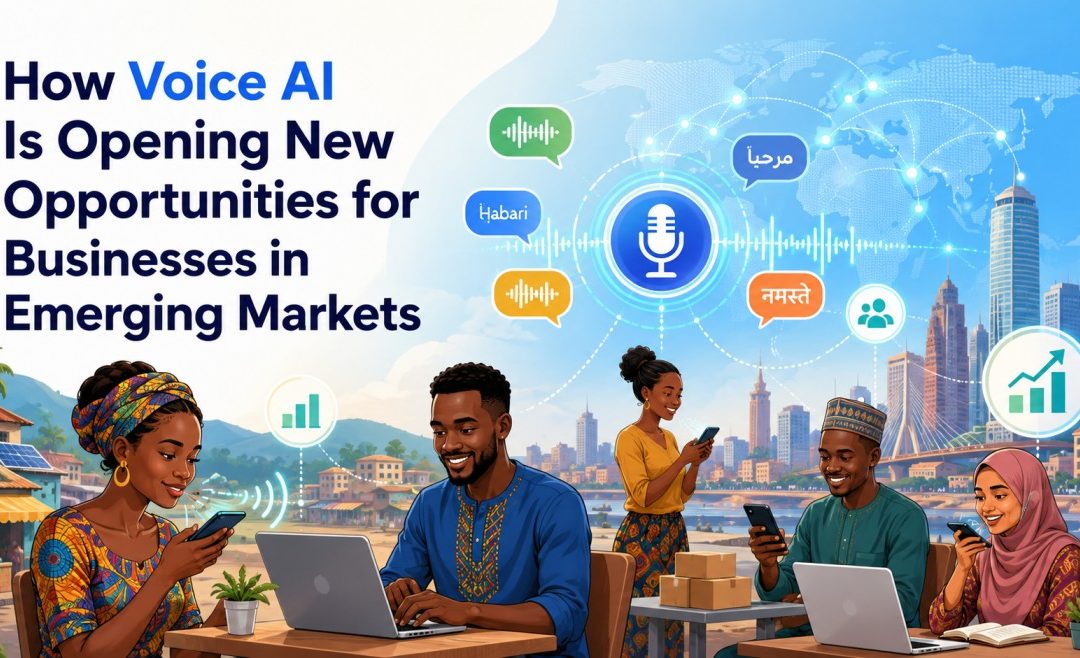
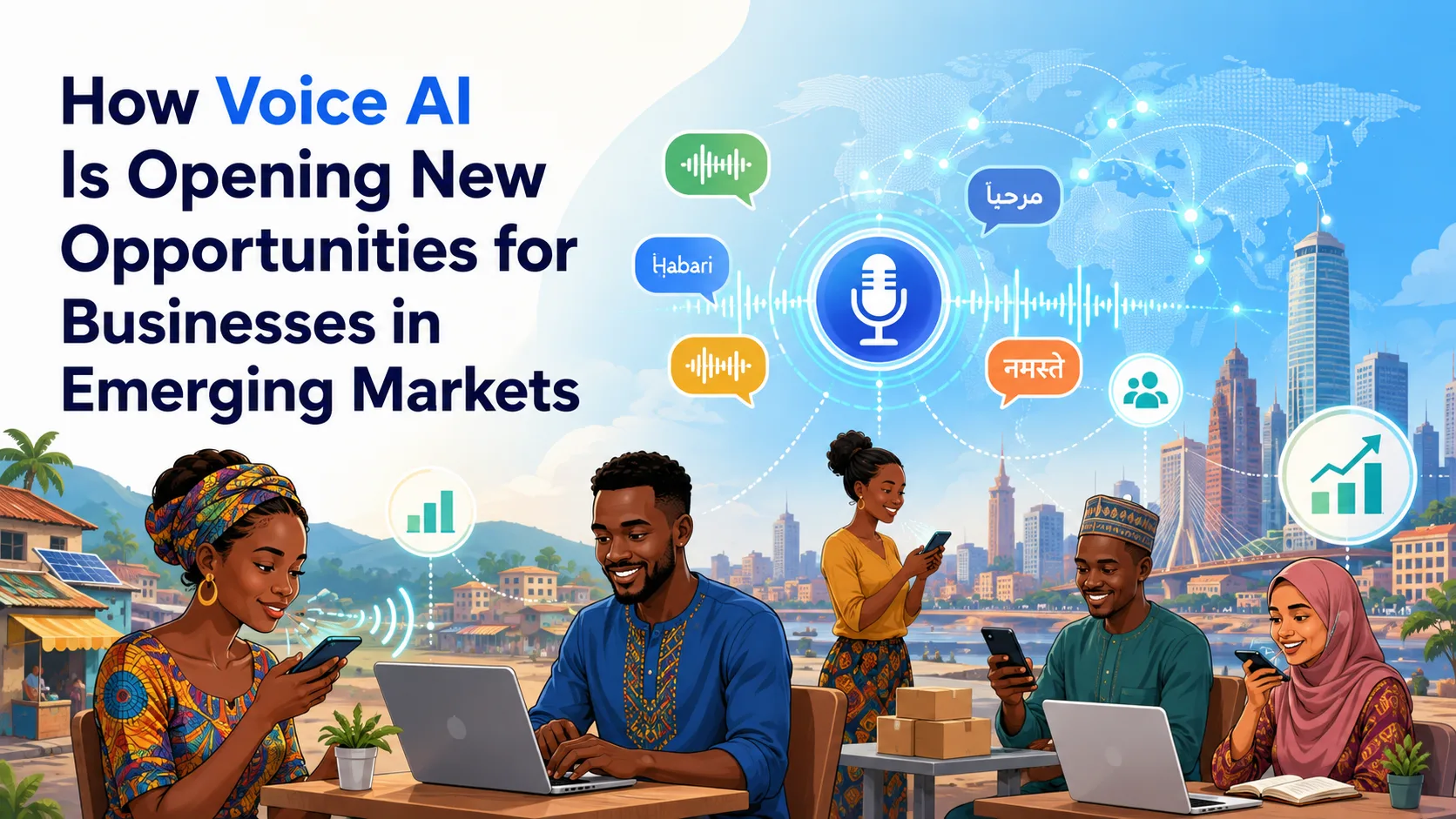
One of the consistent challenges for technology adoption in emerging markets is the gap between when a capability becomes available and when it becomes genuinely accessible: affordable, usable in local languages, and practical without a large technical team to implement it. In too many technology categories, that gap has measured in years.

Voice AI is closing that gap faster than most anticipated. Not because the technology was specifically built for emerging markets (it wasn’t) but because the cost structure, language coverage, and delivery model have converged in ways that make the capability broadly practical. A business in Lagos, Nairobi, Accra, or Johannesburg can access the same voice generation infrastructure as a media company in London or a tech firm in San Francisco, at the same price, through the same API, in local languages.

AI text to speech is the core capability driving this accessibility. What used to require expensive studio infrastructure and voice talent can now be generated from a script through a web interface or an API call, in dozens of African languages alongside the major global ones, at a cost that makes production-scale use viable for businesses of almost any size.

Language coverage is the breakthrough

The single biggest reason AI voice is becoming practical for businesses across Africa and other emerging markets is language coverage. Earlier-generation TTS tools were built overwhelmingly for English and a handful of European languages. Local language support, where it existed at all, was noticeably lower quality than English.

Fish Audio’s S2.1 Pro model covers 83 languages from a single endpoint: one model, one API, one integration, delivering consistent quality across the full language set. This includes Swahili, Hausa, Yoruba, Amharic, Zulu, and other African languages alongside Arabic, Hindi, Mandarin, Portuguese, French, and the major European languages. For a business whose customers speak primarily in a local language, that coverage is the difference between a tool that’s theoretically interesting and one that’s immediately applicable.

Multilingual coverage from a single endpoint also means simpler implementation. There’s no separate vendor per language, no different quality tier per language, no fragmented stack to maintain. One integration handles every language a business needs.

The cost argument for market adoption

Fish Audio’s API is usage-based: $15 per million characters generated, with no subscription required. For a business producing customer service scripts, training content, product announcements, or marketing audio in a local language, the cost of generating that audio is a small fraction of what a studio session would cost. A 500-word customer communication script costs roughly $0.04 to generate.

For teams using the platform through the web interface rather than the API, the Plus plan is available at $11/month, which includes commercial use rights and a monthly generation allowance suitable for regular content production. The free tier covers limited generation for personal use only. Published commercial content requires a paid plan.

Practical use cases that create immediate value

Customer communication in local languages. A business serving customers who prefer local language interaction can now produce audio content (IVR prompts, recorded announcements, customer notifications) in those languages without sourcing local voice talent for each one. Fish Audio’s AI voice cloning feature lets a business establish a consistent voice identity from a 15-second reference sample, then deploy that voice across every piece of audio produced, in any language the platform supports.

Training content for geographically distributed teams. Businesses with staff across multiple regions or countries face a consistent challenge in producing training content that works across language differences. AI-generated training audio in the relevant local language, updated as policies or products change, without rebooking a narrator, addresses a real operational friction.

Affordable content production for smaller businesses. In markets where professional audio production has been accessible only to larger businesses with established production budgets, usage-based pricing changes the competitive dynamics. A small business can produce the same quality of branded audio content as a large competitor, at a cost that scales with actual usage rather than a fixed studio overhead.

Accessibility compliance at scale. Many markets are extending accessibility requirements to digital content. Producing audio versions of written content programmatically turns compliance from a recurring project into a production workflow.

Voice cloning as a local brand asset

AI voice cloning is particularly valuable for businesses building brand recognition in local markets. The traditional approach (commissioning a local voice actor, booking sessions for every new piece of content) is expensive and logistically complex.

AI voice cloning lets a business define a voice identity once, from a reference sample as short as 15 seconds, and deploy that voice across every piece of audio produced going forward. The voice is a one-time asset, not a per-project expense. Commercial cloning requires a paid plan; the cloned voice should be from someone who has given explicit consent for its use.

Quality that holds up for customer-facing content

Fish Audio’s S2 Pro model beat ElevenLabs V3 60% to 40% in a blind preference test run on over 5,000 real users. On the Audio Turing Test, it scored 0.515, above the threshold where listeners can reliably tell synthetic speech from a human voice. The current-generation S2.1 Pro model outperformed S2 Pro by 61% in direct head-to-head comparison.

The ASR opportunity

Fish Audio’s ASR runs at $0.36 per audio hour with multi-speaker labeling included. For businesses managing customer service calls, sales conversations, or compliance recordings, programmatic transcription at that price point makes previously manual workflows scalable. For entrepreneurs building voice-first or audio-first applications for emerging market audiences (where audio interfaces often outperform text-heavy ones due to literacy and connectivity factors) the combination of generation and recognition through the same platform simplifies the technical stack considerably.

Open-weights for local infrastructure

For organizations in markets where data residency or sovereignty concerns are significant, Fish Audio releases model weights for self-hosted deployment. This is open-weights, not open-source in the permissive license sense: the weights are downloadable and self-hostable, but commercial use requires a paid license.

Where to begin

The simplest starting point is the use case where audio production is currently the bottleneck: a customer service IVR that needs to be updated regularly, training content that requires a local language version, or marketing audio that’s been deferred because production cost felt prohibitive. The access gap that has historically separated businesses in emerging markets from the tools available to counterparts in mature markets is narrower in voice AI than in most technology categories. The same capability, the same pricing, and the same language coverage is available regardless of geography.

More must-read stories from Enterprise League:

What Law Enforcement Should Know About Streamlining Shift and Workforce Management

What Law Enforcement Should Know About Streamlining Shift and Workforce Management


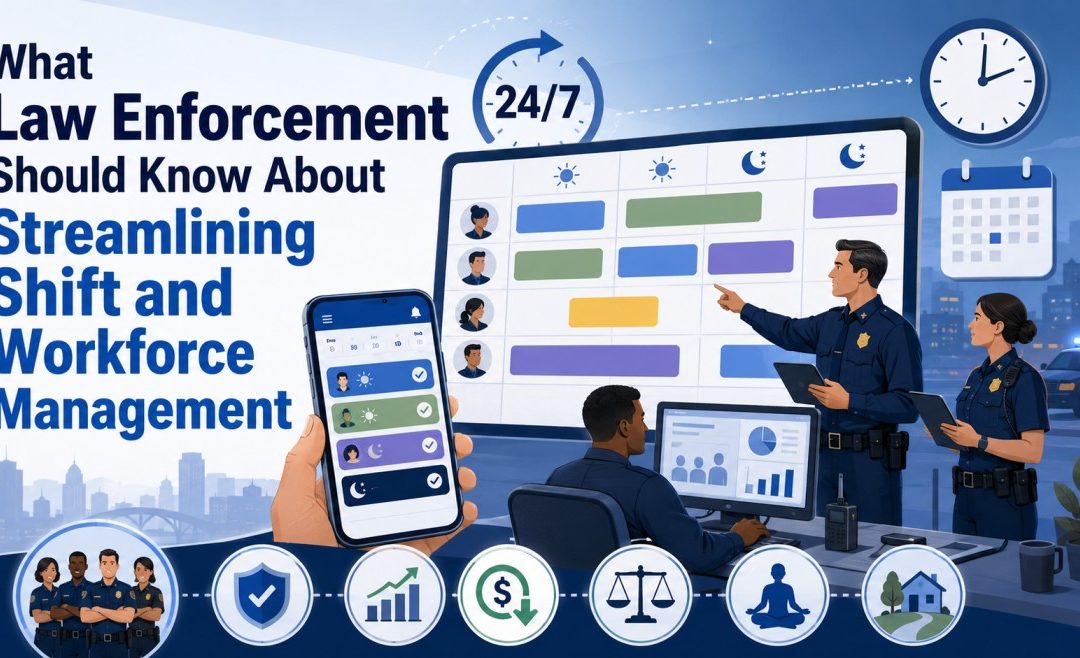
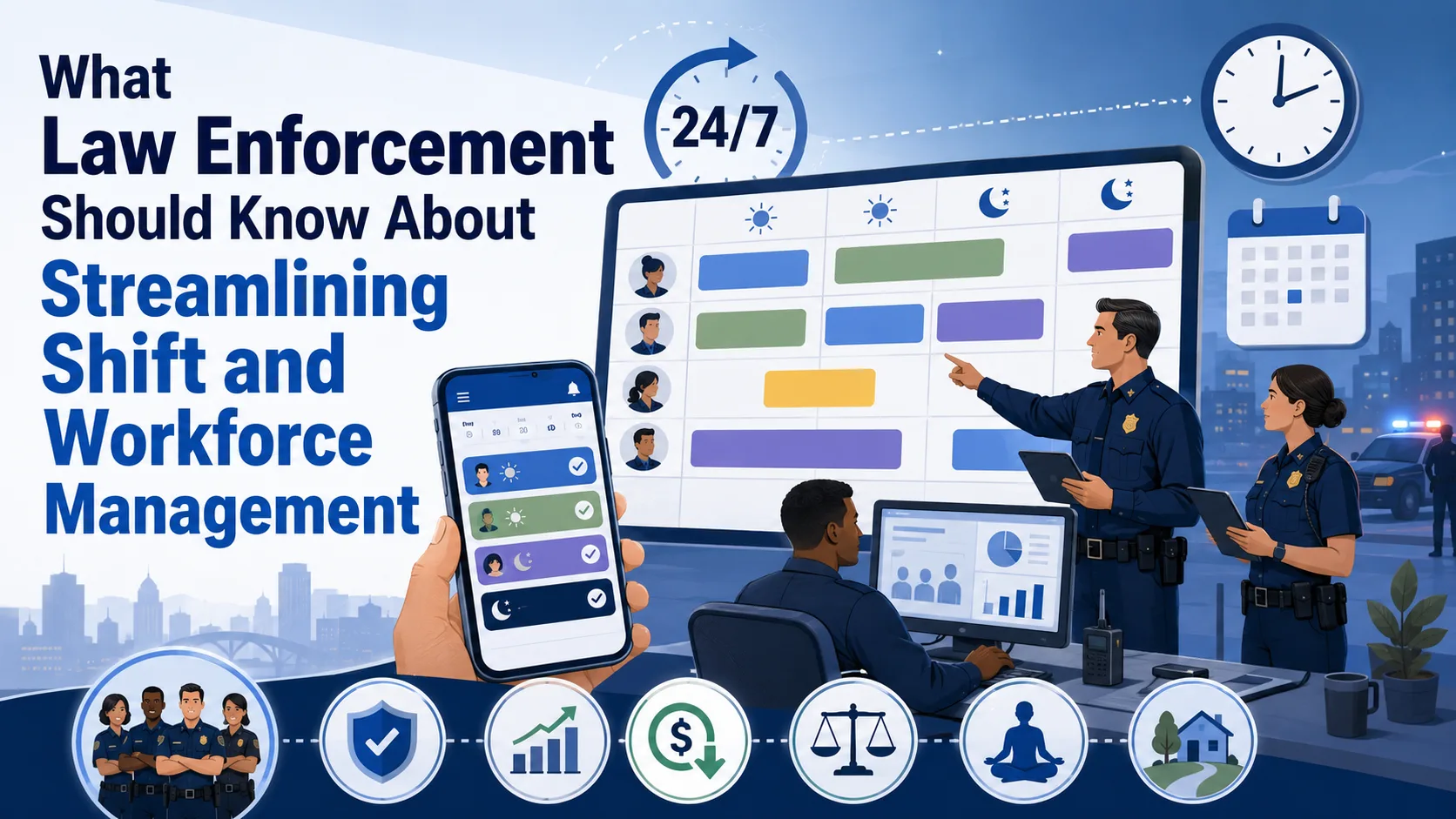
Law enforcement agencies face mounting pressure to balance officer well-being, budget constraints, and operational demands. Traditional scheduling methods often fall short, leading to employee burnout, excessive overtime expenses, and compliance violations. This guide explores practical ways to improve your scheduling process and examines workforce management technologies that support effective 24/7 public safety operations.

The costs of police scheduling

Outdated scheduling systems create significant operational, financial, and human costs for law enforcement agencies. Manual processes and inflexible shift patterns strain budgets while undermining officer morale and retention.

Officer burnout and turnover

Unpredictable schedules and excessive overtime contribute to chronic stress among law enforcement personnel. Research shows that excessive workload and quantitative demands are primary risk factors for burnout, leading to exhaustion and disengagement.

When officers lack control over their schedules or face constant last-minute changes, job satisfaction drops and turnover rates increase. This cycle drains institutional knowledge and forces agencies to invest heavily in recruitment and training.

Rising overtime costs

Inefficient scheduling leads to unmanageable overtime expenses. Agencies often resort to overtime as a stopgap when shifts aren’t properly balanced. These costs compound quickly, diverting funds from equipment upgrades and training programs.

Agencies that optimize scheduling practices realize substantial savings while creating financial flexibility. Better workforce management reduces unnecessary overtime, freeing resources to improve officer well-being and community safety.

Compliance risks with labor laws and union agreements

Law enforcement agencies must follow complex labor laws, union contracts, and departmental policies, but manual scheduling systems make compliance tracking difficult. Violations lead to grievances, legal liabilities, and damaged relationships with union representatives.

Automated scheduling software helps ensure compliance by building rules directly into the system, flagging potential violations before schedules are finalized.

Key strategies for modernizing workforce management

Addressing scheduling challenges requires a strategic approach that combines policy changes with technological solutions. Consider these strategies to improve management and morale.

Adopting flexible and fair shift patterns

Modern officers value work-life balance, making flexible shift options essential for retention. Agencies can explore different shift lengths to accommodate diverse needs. Fair, transparent processes for shift assignments reduce perceptions of favoritism while improving morale.

Improving communication and schedule transparency

Clear communication about scheduling policies fosters trust within departments. Officers need to understand how tasks are assigned and when schedules will be posted.

Digital tools that provide real-time schedule access help officers plan more effectively. This is critical given that studies show 57% of patrol officers finish shifts mentally exhausted. When teams can view schedules from mobile devices, they gain better control of their work-life balance.

Using technology for automated scheduling

Law enforcement scheduling and staffing software automates time-consuming manual processes while reducing errors. These systems consider officer certifications, seniority, availability, and workload when creating schedules. Real-time updates ensure everyone has current information.

Top law enforcement workforce management software

Police workforce management software solutions address the specific scheduling challenges law enforcement agencies face. Here are leading options, each offering comprehensive features designed to streamline personnel management and staff scheduling.

1. First Due

First Due provides law enforcement scheduling and staffing software with an intuitive approach to shift management. The platform features an easy-to-use shift board, a Scheduling Deputy function, multiple view options, and roster count capabilities, giving administrators complete visibility into staffing levels. First Due streamlines both on-duty and off-duty management through law enforcement workforce management software that adapts to agency-specific needs.

Key features:

  •  Automated scheduling: Reduces manual work while ensuring proper coverage and compliance
  •  Resource management: Optimizes deployment of personnel and equipment
  •  Real-time operational analytics: Provides data-driven insights for better decision-making

The platform offers seamless integrations with computer-aided dispatch, records management systems, payroll, and communication tools for your team. First Due’s support and onboarding teams receive consistent praise for their attention to agency-specific requirements.

2. InTime

InTime scheduling for police focuses on simplifying shift management while maintaining compliance through automated scheduling, timekeeping, and overtime bidding. Its mobile app gives officers and supervisors convenient access to scheduling information from anywhere.

Key features:

  •  Comprehensive automation: Handles scheduling, timekeeping, overtime bidding and analytics
  •  Mobile accessibility: Officers and supervisors access the system from smartphones
  •  Compliance tracking: Monitors adherence to union contracts and Fair Labor Standards Act requirements

3. Omnigo

Omnigo is a public safety workforce management platform that supports various public safety needs through its unified incident management approach. The system addresses incidents from call initiation through case closure, while its automated scheduling engine intelligently balances staff skills and availability with operational demands.

Key features:

  •  Unified platform: Manages the complete incident life cycle in one system
  •  Intelligent scheduling: Automatically balances staff capabilities with operational requirements
  •  Evidence management: Provides tools for handling and tracking evidence

Finding the right fit for your agency

Modern law enforcement challenges require practical solutions that address both operational efficiency and officer well-being. When evaluating workforce management software, consider your agency’s specific needs, including size, budget, and compliance requirements. The right shift and workforce management system for law enforcement can transform scheduling from a source of stress into a tool for operational excellence. By investing in proper workforce management technology, agencies can reduce costs, improve officer satisfaction, and maintain the high standards of service their communities expect.

More must-read stories from Enterprise League: