
The Importance of Local Link Building for Small Businesses

The Importance of Local Link Building for Small Businesses

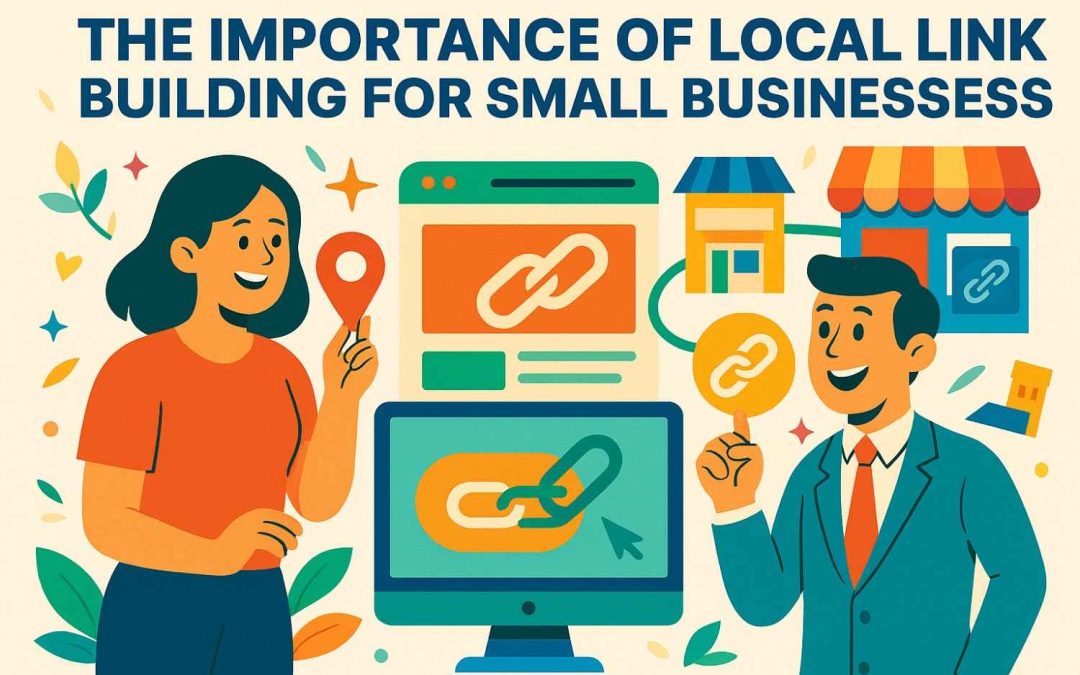
Small businesses today face intense competition online, making it essential to use every available strategy to gain visibility and attract customers. While many business owners understand the basic concepts of search engine optimization, they often overlook one of the most powerful tools in their arsenal: local link building. This targeted approach to digital marketing can transform how potential customers discover and engage with regional businesses.

When executed properly with support from a quality backlinks service like Backlinkers, local link building becomes more than just an SEO tactic it develops into a comprehensive community engagement strategy that benefits both the business and the regional community. The interconnected nature of local communities means that each authentic connection can lead to multiple additional opportunities for growth and visibility.

The local link building fundamentals

Geographic relevance significantly amplifies the value of inbound links. When a regional newspaper, community organization, or neighboring business links to your website, search engines interpret this as a strong signal of local authority and relevance. These connections tell search engines that your business is genuinely part of the local community rather than being an outsider attempting to capture market share.

The foundation of effective regional link development lies in understanding your local online network. Every community has its unique web of websites, organizations, and influencers that shape online conversations and drive local traffic. Successful businesses take time to map this network, identifying key players and understanding how they connect with one another.

Building your local link profile strategy

Creating a comprehensive link building plan requires careful analysis of both opportunities and competition. The most successful approaches begin with a thorough audit of existing competitors to understand what types of links drive their success. This research provides valuable insights into which organizations, events, and partnerships are most valuable within your specific market.

Your strategy should include multiple types of local connections, from formal business partnerships to informal community relationships. The diversity of your link profile matters significantly, as search engines look for natural patterns that reflect genuine community engagement rather than artificial manipulation.

Identification of high-value local link opportunities

The most valuable local link opportunities often exist right under your nose, within the organizations and businesses you already interact with regularly. Your suppliers, service providers, and business partners represent immediate opportunities for mutually beneficial link exchanges. These relationships carry additional weight because they reflect genuine business connections rather than artificial schemes.

Community organizations and non-profits

Local non-profit organizations present exceptional opportunities for meaningful link building. These organizations typically maintain websites with strong local authority and regularly seek business sponsors and volunteers. Supporting local charities, community events, or educational initiatives not only generates valuable backlinks but also demonstrates your commitment to community welfare.

Success with non-profit partnerships comes from choosing organizations that align with your business values and target audience. A family restaurant might partner with nearby schools for fundraising events, while a financial services firm might sponsor financial literacy programs for seniors. These natural alignments create authentic connections that benefit all parties involved.

Local media and publications

Regional newspapers, magazines, and online publications remain powerful sources of local links. These outlets constantly seek local business stories, expert commentary, and community news that resonates with their audiences. Establishing yourself as a local expert in your field can lead to regular media coverage and valuable editorial links.

Building relationships with local journalists and editors requires patience and genuine value creation. Rather than simply pitching your business, focus on providing insights, data, or expertise that helps them create compelling content for their readers. This approach leads to more meaningful coverage and stronger, more valuable links.

Leveraging local business partnerships

Strategic partnerships with complementary local businesses create powerful link building opportunities while expanding your customer base. These partnerships work best when businesses serve similar customers but offer different services or products. A wedding photographer might partner with local caterers, venues, and florists, creating a network of cross-referential links that benefit all parties.

Creation of mutually beneficial link exchanges

Effective business partnerships go beyond simple link exchanges to create genuine value for customers. Joint promotions, shared events, and collaborative content marketing initiatives provide natural opportunities for businesses to link to each other while delivering real value to their shared customer base.

The most successful business partnerships develop organically from existing relationships. When businesses genuinely recommend each other to customers, link exchanges feel natural and authentic rather than forced or manipulative.

Chamber of commerce and business associations

Membership in regional business organizations provides immediate access to high-quality local links while connecting you with other business owners in your area. Chambers of commerce, industry associations, and professional groups typically maintain member directories with links back to member websites. These links carry significant local SEO value due to the authoritative nature of these organizations.

Maximization of association benefits

Simply paying membership dues will not maximize your link building potential with business associations. Active participation in events, committees, and initiatives leads to additional link opportunities through event listings, committee member pages, and featured member spotlights. Many successful businesses find that their most valuable business connections and link opportunities come from their active involvement in these organizations.

The networking opportunities provided by business associations often lead to organic link building opportunities that extend far beyond the association website itself. Members frequently refer to each other in their own content marketing efforts, creating a ripple effect of link building opportunities.

Local event participation and sponsorship

Community events provide excellent platforms for local link building while demonstrating your business commitment to the community. Event organizers typically create websites with detailed information about participants, sponsors, and vendors, providing natural link building opportunities for businesses involved in these activities.

Types of events to consider

Different types of events attract different audiences and provide varying levels of link building value:

  •  Charity fundraisers and community service events demonstrate social responsibility and often generate significant regional media coverage.
  •  Industry conferences and trade shows connect you with professional networks and potential business partners.
  •  Cultural festivals and community celebrations showcase your business to diverse audiences.
  •  Educational workshops and seminars position you as a local expert and thought leader.
  •  Sporting events and recreational activities appeal to active community members and families.

Success in event participation comes from choosing events that align with your target audience and business values. Authentic participation in events you genuinely care about leads to more meaningful connections and higher-quality link opportunities.

Educational and government institutions

Local schools, colleges, and government agencies offer unique link building opportunities for businesses willing to engage with these institutions meaningfully. Educational institutions frequently seek business partners for internship programs, guest speaking opportunities, and curriculum development initiatives. Government websites often maintain business directories and feature local success stories.

Building institutional relationships

Developing relationships with educational and government institutions requires a long-term perspective and genuine commitment to public service. Businesses that offer scholarships, internships, or educational resources often receive recognition on institutional websites, creating valuable local links while supporting community development.

These institutional relationships often provide ongoing link building opportunities as schools and government agencies regularly update their websites with new programs, success stories, and partnership announcements.

Content marketing for local link building

Creating locally-focused content that naturally attracts links from other organizations represents one of the most sustainable approaches to local link building. This content might include geo-targeted market research, community guides, or industry insights specific to your geographic area. When you create genuinely useful content about your area, other regional websites naturally want to reference and link to your resources.

Local resource development

Developing comprehensive geo-targeted resources requires understanding what information locals and businesses need but cannot easily find elsewhere. This might include detailed guides to local regulations, directories of local services, or an analysis of local market trends. The effort required to create these resources is substantial, but they often become essential content pieces that attract links consistently over time.

The most successful geo-targeted content creators focus on lasting topics that remain relevant over extended periods while requiring only periodic updates to maintain accuracy and usefulness.

How to measure local link building success

Tracking the success of local link building efforts requires monitoring multiple metrics beyond simple link counts. While the quantity of new geo-targeted links provides one measure of progress, the quality and relevance of those links often matter more for actual business results. Geographic relevance, domain authority of linking sites, and the context in which links appear all influence their ultimate value.

Key performance indicators

Effective measurement of local link building success should include:

  •  Local search ranking improvements for target keywords and geographic terms
  •  Referral traffic quality from linked regional websites and directories
  •  Brand mention frequency in local media and online discussions
  •  Local citation consistency across multiple online platforms and directories
  •  Customer acquisition attribution from regional referral sources.

Regular monitoring of these metrics helps refine strategy and identify the most valuable types of local link building activities for your specific business and market.

Local link building represents far more than just an SEO strategy for small businesses committed to long-term community engagement. When approached authentically and strategically, these efforts create lasting business relationships, enhance community standing, and drive sustainable organic growth. The time and resources invested in effective geo-targeted link building pays off not just in search rankings, but in the overall strength and stability of your local business presence.

More must-read stories from Enterprise League:

How to Leverage Technology to Simplify Small Business Activities

How to Leverage Technology to Simplify Small Business Activities

Running a small business often means wearing multiple hats, from managing operations and finances to marketing and customer service. Technology has made it possible for business owners to streamline daily tasks, save time, and focus on growth. This article shows practical ways to use technology to simplify small business activities and stay ahead.

Making financial management easier

One of the most complex aspects of running a business is managing finances. Cloud-based accounting platforms like QuickBooks, Xero, or FreshBooks make it easier to handle invoicing, payroll, and tax preparation without needing advanced accounting skills. These tools can generate reports in real time, helping business owners make informed decisions.

Technology also gives access to financial literacy resources, making it easier to understand complicated concepts. For example, many small business owners who also invest in markets learn the difference between futures vs options contracts using digital tools and trading simulators. This knowledge improves their investment understanding and leads to better risk management when making financial decisions for the business itself.

Payment processing systems like Stripe, PayPal, and Square further simplify transactions. They allow businesses to accept multiple payment methods, set up recurring billing, and even integrate directly into e-commerce websites, all while providing built-in fraud protection.

Improving customer relationship management

Customers are at the heart of every business. Customer Relationship Management (CRM) software has changed how small businesses handle customer interactions. Platforms such as vcita, HubSpot, or Zoho help centralize client data, track communication history, and automate reminders for follow-ups.

With these tools, small business owners can personalize their marketing campaigns, automate email responses, and schedule appointments, all in one place. This not only improves efficiency but also ensures customers feel valued and engaged. By analyzing CRM data, businesses can anticipate customer needs and adjust offerings accordingly.

Setting up automated marketing

Marketing used to require significant time and resources, but automation tools now make it accessible to everyone. Email marketing platforms like Mailchimp or ActiveCampaign allow small businesses to set up drip campaigns, segment audiences, and track performance metrics.

Social media scheduling tools such as Buffer or Hootsuite make it easy to plan posts across multiple channels in advance. Analytics dashboards show which content connects most with audiences, enabling smarter decisions. Even design platforms like Canva or Adobe Express simplify the creation of marketing materials without needing professional designers.

These digital solutions reduce repetitive tasks, free up time, and increase brand visibility online.

Making project and task management easier

Keeping projects organized is another area where technology helps tremendously. Task management platforms such as Trello, Asana, or Monday.com enable teams to collaborate in real time, assign tasks, and monitor progress with clear deadlines.

For remote teams, video conferencing tools like Zoom or Microsoft Teams ensure smooth communication. File-sharing platforms like Google Drive or Dropbox eliminate the need for endless email chains, giving everyone instant access to updated documents.

Such systems not only boost productivity but also ensure accountability across teams, making it easier to meet deadlines and maintain high standards.

Better inventory and supply chain control

For businesses that sell products, inventory management is often a challenge. Manual tracking can lead to costly errors. Technology simplifies this process with platforms like TradeGecko, Odoo, or even Shopify’s built-in inventory tools.

These systems allow real-time tracking of stock levels, automated reordering, and insights into sales trends. For businesses working with suppliers, integrated supply chain management tools can forecast demand and optimize delivery schedules. This minimizes waste, reduces storage costs, and ensures customers get products without delay.

Better cybersecurity and data protection

As small businesses rely more on technology, protecting sensitive data is crucial. Cyberattacks target businesses of all sizes, and smaller companies often have fewer defenses.

Using cybersecurity tools such as firewalls, VPNs, and endpoint protection software helps protect operations. Cloud storage solutions like Google Workspace or Microsoft OneDrive provide encrypted backups, ensuring business continuity if systems fail or get breached. Regular training for employees on phishing scams and password management also reduces risk significantly.

Using AI and automation for growth

Artificial intelligence (AI) is now accessible for small businesses. AI-driven chatbots can provide 24/7 customer support, answering common questions instantly while freeing up staff for more complex issues. Predictive analytics tools help forecast demand, identify customer preferences, and even optimize pricing strategies.

Automation extends into HR tasks as well, with platforms like Gusto or BambooHR simplifying payroll, onboarding, and benefits management. For entrepreneurs juggling many roles, these solutions eliminate tedious manual work and allow more focus on strategy and innovation.

Building a strong online presence

Having a website and online store is essential for modern businesses. Small businesses can use website builders like Wix, Squarespace, or WordPress to create professional sites without hiring a developer. Adding e-commerce features allows for online sales, while SEO tools help improve visibility in search engines.

Using AI-powered analytics, such as Google Analytics 4 or Similarweb, shows how customers behave and where they come from. This information helps improve marketing strategies and increase sales.

Conclusion

Technology is no longer optional for small businesses, it’s a necessity. From simplifying financial management and marketing to improving cybersecurity and customer service, digital tools help entrepreneurs do more with less.

The businesses that succeed are those that use technology not just to cut costs, but to build smarter systems, improve decision-making, and focus on long-term growth. By choosing and combining the right tools, small business owners can simplify their daily activities and create more time to do what matters most building meaningful connections with customers and creating new solutions.

More must-read stories from Enterprise League:

12 Profitable Warehouse & Distribution Business Ideas in 2026

12 Profitable Warehouse & Distribution Business Ideas in 2026


When it comes to modern commerce and the movement of products and equipment, warehousing and distribution businesses and networks form the essential foundation of the supply chain.

With the dramatic rise of e-commerce, global trade, and same-day delivery expectations, businesses that support warehouse operations are experiencing unprecedented demand. Opportunities in this sector continue to grow, whether in logistics services or specialized parts suppliers.

In fact, the global warehousing market is projected to reach $600 billion by 2026, driven by automation, urban micro-fulfillment centers, and increased reliance on third-party logistics providers. For entrepreneurs, this creates excellent conditions to start businesses that solve real supply chain challenges.

Top warehouse & distribution business ideas that you must know

Here are some profitable warehouse & distribution business ideas you can start:

Third-party fulfillment center

A leading opportunity in this sector, third-party logistics (3PL) businesses handle warehousing, picking, packing, and shipping for clients. With thousands of small and mid-sized e-commerce brands seeking outsourced solutions, demand for fulfillment services continues to increase. Businesses offering fast turnaround, integration with online storefronts, and flexible pricing models are particularly successful.

Starting a fulfillment center requires significant investment in storage, equipment, and technology, but it provides stable recurring contracts once established. Many 3PLs also add services like returns management, custom packaging, or subscription box assembly to increase revenue.

How much you can make: $500,000-$2,000,000+ annually

How much does it cost to start: $200,000-$1,000,000+

How long does it take to build: 6-12 months

Value-Added Logistics Services

While many warehouses focus on storing goods long-term, some require specialized services like kitting, labeling, or final packaging before products ship to retailers.

Value-added logistics services create an important connection between manufacturers and consumers by preparing goods for market.

Business owners can start small operations focused on labeling or packaging and grow into multi-service facilities. As retailers seek ways to differentiate products quickly, these services remain in high demand.

How much you can make: $200,000-$800,000+ annually

How much does it cost to start: $50,000-$300,000

How long does it take to build: 4-8 months

Cold storage warehousing

The expansion of online grocery shopping, pharmaceuticals, and specialty foods has created strong demand for cold storage facilities across multiple industries. These warehouses store perishable goods under specific temperature controls, making them essential to modern supply chains.

Cold storage requires higher upfront costs for insulation, cooling systems, and compliance requirements, but established facilities can secure premium contracts with consistent demand. Long-term, cold storage businesses often develop distribution partnerships with grocers and healthcare providers.

How much you can make: $1,000,000+ annually

How much does it cost to start: $500,000-$2,000,000+

How long does it take to build: 12-24 months

Automated & smart warehousing

Like many industries, automation is changing warehousing operations. Businesses incorporating robotics, conveyor systems, AI inventory management, and IoT sensors can excel in modern distribution.

While automation requires substantial capital and expertise, it significantly reduces labor costs and improves accuracy. Companies offering automation integration or operating fully automated warehouses can secure contracts from major retailers and e-commerce platforms.

How much you can make: $1,000,000+ annually

How much does it cost to start: $750,000-several million

How long does it take to build: 12-18 months

Cross-docking & transloading services

Cross-docking facilities move goods directly from inbound to outbound transportation with minimal storage. This model works well for retailers with fast-moving inventory or international shipments arriving by rail, ship, or air.

Business owners can establish cross-dock terminals in key locations near ports, highways, or rail lines. By reducing storage costs for clients, these services offer significant value in the supply chain.

How much you can make: $300,000-$1,000,000+ annually

How much does it cost to start: $100,000-$500,000

How long does it take to build: 6-10 months

Warehouse safety & maintenance services

All warehouses must meet strict safety and compliance standards, creating ongoing demand for specialized maintenance providers. Services include rack inspections, fire suppression installation, pest control, and lighting upgrades.

As regulations become stricter, companies increasingly outsource safety audits and maintenance. Professionals with technical expertise can build steady revenue through contracts with large distribution centers.

How much you can make: $100,000-$500,000+ annually

How much does it cost to start: $20,000-$150,000

How long does it take to build: 3-6 months

Parts supply for loading docks

Loading docks are vital to warehouse operations, but their equipment like dock levelers, bumpers, seals, vehicle restraints, and control panels wears down with heavy use. A business specializing in supplying parts for loading docks helps facilities reduce downtime and maintain safety compliance.

This business can operate as both a regional distributor and online supplier, providing fast shipping for urgent needs. Warehouses and repair contractors depend on reliable suppliers for quality and compatibility, creating a steady, repeat-purchase business.

How much you can make: $200,000-$1,000,000+ annually

How much does it cost to start: $75,000-$400,000

How long does it take to build: 4-8 months

Equipment leasing & brokerage

Many companies prefer not to buy forklifts, pallet jacks, or conveyors outright due to high overhead costs. Equipment leasing businesses provide access to essential tools without the upfront expense, while brokers connect buyers and sellers of used equipment and spare parts.

This model generates recurring income through lease contracts and commissions. Adding inventory and maintenance services over time builds lasting client relationships.

How much you can make: $500,000+ annually

How much does it cost to start: $100,000-$500,000+

How long does it take to build: 6-12 months

Reverse logistics & returns management

With e-commerce returns rates reaching 30% in some sectors, reverse logistics has become increasingly important. Businesses managing returns, refurbishing, recycling, or resale help retailers minimize waste and recover revenue.

Entrepreneurs can create dedicated facilities for processing returns or focus on specific categories like electronics, apparel, or consumer goods. Growing emphasis on sustainability increases demand for efficient reverse logistics.

How much you can make: $200,000-$1,000,000+ annually

How much does it cost to start: $100,000+

How long does it take to build: 6-12 months

Specialty packaging & crating services

Fragile, oversized, or high-value goods need special handling before shipment. Businesses providing custom packaging, wooden crating, or protective materials serve a growing market of manufacturers and exporters.

Specialty packaging and crating companies often collaborate with logistics providers and can expand into eco-friendly solutions, which appeal to environmentally conscious brands.

How much you can make: $100,000 – $600,000+ annually

How much does it cost to start: $50,000 – $250,000

How long does it take to build: 4–8 months

Shared warehouse & micro-fulfillment hubs

As real estate costs increase, shared warehouse models let multiple businesses rent space under one roof. Micro-fulfillment hubs near cities enable faster last-mile delivery, which is crucial for e-commerce.

This business model generates income through rental fees, storage, and additional services. With high urban demand for space, shared facilities show strong potential for growth.

How much you can make: $500,000+ annually

How much does it cost to start: $200,000+ (leasing or acquiring space)

How long does it take to build: 6-12 months

Warehouse consulting & optimization

Efficiency is everything in modern warehousing.

Consultants who design layouts, implement software, or improve workflows help clients reduce costs and boost productivity.

With experience, consulting firms can focus on specific areas like e-commerce, cold storage, or automation. Lower overhead makes this business easier to start, while expertise and results drive success.

How much you can make: $80,000-$500,000+ annually

How much does it cost to start: $10,000-$50,000

How long does it take to build: 1-4 months

Conclusion

The warehouse and distribution sector continues to grow and change, creating new opportunities. For entrepreneurs planning to start in 2026, focusing on efficiency, reliability, and specialized services will help build a successful business.


More must-read stories from Enterprise League:

How AI Image Tools Are Revolutionizing Visual Content Creation

How AI Image Tools Are Revolutionizing Visual Content Creation

The rise of digital media has transformed how we create and use visual content. Quality visuals are now essential for digital advertising, online commerce, and social networking. Creating properly designed and optimized visuals for different platforms was traditionally a tedious, skill-intensive task. But AI image tools have changed this by making visual content production faster, more efficient, and accessible to everyone.

In this article, we will explore how artificial intelligence-based image tools are transforming visual content creation, focusing on tools that enhance images and convert them into shareable links. These tools help reduce production time, improve visual quality, and create more engaging content.

Image quality enhancement through AI

High-quality images are essential today whether you run an e-commerce website, blog, or create social media graphics. Image quality directly impacts how customers view and interact with your content. AI technology now makes it possible to transform basic low-resolution images into sharp, clear visuals.

AI image software, such as the image tool with AI provides automatic scaling, letting you start with a low-quality image and increase its resolution while preserving details. The application uses deep learning and neural networks to analyze images and intelligently fill in missing information, ensuring your images stay sharp and clear at any size.

The AI software can identify areas needing improvement, like poorly lit sections, and fix them automatically. The results are highly accurate and typically superior to manual editing.

This AI tool also enhances colors and contrast to create more vibrant and dynamic images. Whether creating visuals for websites, ads, or social media, AI image tools help you produce high-quality, attractive content quickly.

Making image sharing easy: AI image links

Images aren’t just visual elements they need to be shareable, accessible, and web-optimized. AI-powered tools excel at converting images to links for easy sharing across platforms. For e-commerce businesses sharing product images with affiliates or customers, these tools eliminate manual uploads by creating instant shareable links. The AI tool generates a URL for each image, making it simple to distribute across websites, emails, or social media.

AI-generated image links save time while optimizing images for web use. The links improve site speed and SEO performance, helping search engines properly index your images.

These AI-based tools handle large image files without slowing down your site. Images load quickly and display clearly on any device. This is particularly important for mobile users, where image performance affects both speed and user experience. Use this tool to turn images into links

Optimizing the image editing process with AI

Traditional image editing required skill, time, and creativity. AI-powered editing applications now handle these tasks automatically.

From basic adjustments like brightness and contrast to removing unwanted objects, AI image editing software does the heavy lifting. Advanced algorithms identify and apply appropriate changes automatically, saving hours of manual work while improving overall image quality with minimal effort.

The software can detect areas needing adjustment like exposure problems and fix them automatically. The results are typically more accurate than manual edits.

This benefits content creators who need to process many images quickly. Rather than spending time on manual adjustments, AI handles routine editing tasks. This helps social media managers creating constant content, photographers processing large image sets, and businesses updating product photos frequently.

AI image software also lets you try different visual styles with filters and effects. This helps strengthen your visual branding and create a consistent look across your platforms.

Why AI tools are essential for content creators

In today’s fast-paced digital environment, AI software has become vital for content creators. Whether you’re a photographer, designer, marketer, or entrepreneur, AI programs streamline your workflow and improve output quality.

AI image upscaling transforms low-quality images into high-definition visuals suitable for websites, print, or social media. AI image linking tools help distribute content widely without worrying about file sizes or formatting issues.

These tools boost productivity and improve visual results without requiring technical expertise. Adding AI tools to your process ensures consistently good images regardless of your experience level.

AI-enabled applications provide advanced features previously limited to professional software users.

This technology makes professional-quality image creation accessible without expensive equipment or software. Small businesses and independent creators can now produce visuals that compete with larger companies.

The future of image creation: what next?

Visual content creation keeps advancing with AI technology. Future AI tools will likely automate and enhance every aspect of image creation. From smart image enhancement to real-time editing and instant link creation, the potential applications keep growing.

As AI tools improve, they’re becoming more accessible for small companies and independent creators to produce professional visuals without major software investments or large teams. AI image tools aim to both improve quality and make high-end content creation more accessible.

Future AI tools may recommend platform-specific image edits or automatically adapt images to user preferences, letting creators focus more on building their brand and community.

Final thoughts on AI picture tools

AI-based tools have changed how we create, edit, and share images. They enable everyone from major companies to individual creators to produce professional-quality visuals quickly and easily. Whether you’re using AI to enhance image quality or streamline sharing through automated link creation, these tools help maintain relevance in today’s digital space.

For anyone looking to improve their content and streamline image creation, AI-powered tools offer clear benefits. They reduce guesswork, automate complex tasks, enhance visual quality, and make sharing easier a valuable combination for any content creator.


More must-read stories from Enterprise League:

Complete Your Degree, Complete Your Goals: The Long-Term Benefits of Finishing School

Complete Your Degree, Complete Your Goals: The Long-Term Benefits of Finishing School


For many adults, life circumstances can interrupt education. Work obligations, family responsibilities, or unexpected financial challenges often lead students to put college on hold. Years later, that unfinished degree may still linger as an unmet goal. The good news is that it’s never too late to return. Choosing to complete your degree can have far-reaching benefits that extend well beyond the classroom.

Expanding career opportunities

Most employers now require candidates to hold a bachelor’s or advanced degree for mid- to senior-level positions. Without that credential, even experienced professionals can find themselves stuck in their current roles with limited options for growth. Degree completion not only makes you eligible for more jobs but also demonstrates your dedication, persistence, and ability to overcome obstacles.

For fields like business, education, and healthcare, a completed degree is often mandatory for leadership and management positions. The coursework provides essential knowledge and skills that prepare you for increased responsibility. Whether you want to advance within your current organization or transition to an entirely new field, finishing school creates a solid foundation for achieving your professional goals.

Additionally, many industries are becoming more specialized and technical. A completed degree helps you develop expertise in your chosen field while gaining broad knowledge that makes you more adaptable. This combination of depth and breadth makes you a more valuable employee and opens doors to opportunities you may not have considered.

Increasing earning potential

Research consistently shows that higher levels of education correlate directly with higher income. According to data from the U.S. Bureau of Labor Statistics, professionals with a bachelor’s degree earn significantly more per week than those with only some college credits. This wage gap compounds dramatically over time – potentially adding up to hundreds of thousands of dollars across a career span.

The financial benefits extend beyond just base salary. Degree holders often receive better benefits packages, including health insurance, retirement plans, and paid time off. They’re also more likely to receive regular bonuses and merit-based raises. For those with families, this increased earning power can mean greater financial security and the ability to save for important goals like homeownership, children’s education, and retirement.

Furthermore, a completed degree can help protect your earning potential during economic downturns. When companies need to reduce staff, employees with degrees often have more job security and an easier time finding new positions if needed.

Building confidence and personal fulfillment

The impact of finishing school goes far beyond professional advancement. Many returning students discover that completing their degree provides a profound sense of personal achievement and closure. That nagging feeling of “unfinished business” is finally resolved, replaced by pride in following through on a significant life goal.

The academic experience itself builds valuable skills that boost confidence across all areas of life. Students strengthen their critical thinking, develop better research and writing abilities, and learn to express their ideas more effectively. These improvements often lead to more meaningful contributions at work and more engaging conversations in personal relationships.

Classroom discussions and group projects also help build a network of peers facing similar challenges. These connections can provide support during the degree completion process and valuable professional contacts afterward. Many students find that the relationships formed during their studies become lasting friendships.

Setting an example for others

When adults return to finish school, their determination creates positive ripple effects throughout their communities. Children especially notice when parents prioritize education and demonstrate that it’s never too late to pursue important goals. This powerful example of persistence often influences the next generation’s educational choices and attitude toward learning.

The impact extends beyond immediate family. Colleagues may be inspired to pursue their own educational goals after seeing your success. Friends might reconsider their own unfinished degrees. By completing your education, you show others in your circle that academic achievement is possible while managing work and family responsibilities.

Many returning students also become informal mentors, sharing their experiences and encouraging others who are considering similar paths. This leadership role can be deeply rewarding and helps create a culture that values continuous learning and personal growth.

Strengthening resilience for the future

Completing a degree as an adult requires exceptional time management skills, flexibility, and determination. Juggling coursework with professional and personal commitments teaches valuable lessons in prioritisation and stress management. These abilities serve graduates well in their careers, where adapting to change and handling multiple responsibilities is increasingly important.

The experience of overcoming obstacles during your degree program builds confidence in your ability to face future challenges. Each completed assignment and passed course reinforces your capability to learn new skills and master difficult material. Employers recognize and value this demonstrated ability to persist through challenges while maintaining other life commitments.

A step toward your goals

The decision to complete your degree represents more than just finishing something you started – it’s an investment in your future success. The long-term benefits touch every aspect of your life: expanded career possibilities, increased earning power, greater personal satisfaction, and a lasting legacy of determination. No matter how much time has passed since you last attended classes, finishing school remains one of the most meaningful steps you can take to transform your aspirations into reality.

More must-read stories from Enterprise League: