17 innovative recycling business ideas in 2026

17 innovative recycling business ideas in 2026

17 innovative recycling business ideas in 2026

October 02, 2024

Innovative recycling business ideas driving change in this modern world

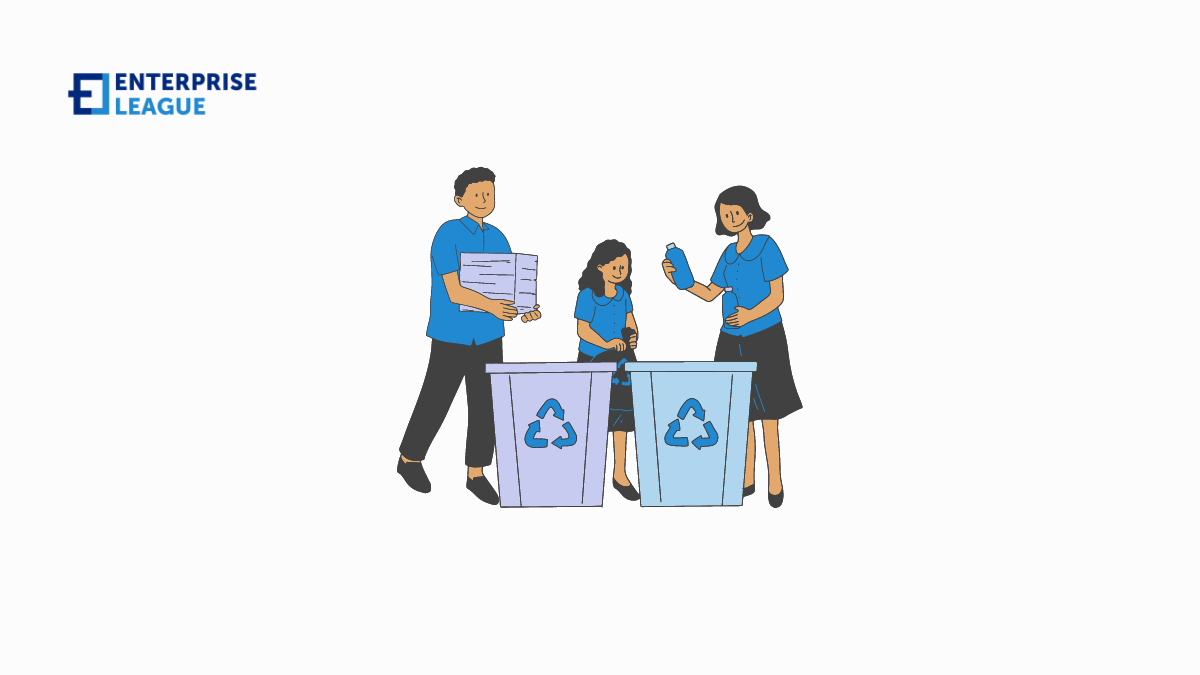
As the population on earth grows each day, so does the pollution and waste too. Even though we live in modern times now where we seem to have solutions for almost everything, the only thing we still can’t find a way to resolve is global waste management. Given the circumstances and the place where we are, we can assure you that starting a recycling business or exploring environmental startups nowadays is definitely something to consider since the market is expected to grow considerably by 90 billion USD in 2032. The industry is huge and it’s willing to give a chance to everyone that will come up with fresh and new innovations. We believe that if you take your time to do throughout market research, you can find diverse recycling business ideas that are in demand in order to save our planet and the environment.

Top 17 recycling business ideas

Here are some creative and profitable recycling business ideas that you can start right away:

Composting

A composting business could offer an eco-friendly service while also being profitable. Composting takes organic waste, like food scraps and yard trimmings, and converts it into nutrient-rich soil amendments through controlled decomposition. This diverts waste from landfills. The resulting compost can then be sold to consumers like gardeners, farms, nurseries, and landscaping companies – creating a revenue stream.

There is also growing consumer and corporate demand for green, sustainable practices like composting. A composting business helps meet this need while promoting ecological benefits like reduced landfill volumes and nurturing healthy soil. Hooking into environmental trends and converting waste streams into sellable compost and even renewable energy, composting entrepreneurship inherently aligns with the “reduce, reuse, recycle” ethos.

How much you can make: $30,000 – $500,000 annually
How much does it cost to start: $5,000 – $100,000
How long does it take to build: 3-6 months

Paper recycling

Paper recycling involves collecting discarded paper waste like cardboard, newsprints, and office documents for processing into recycled material usable for manufacturing new paper products ranging from office paper to cardboard boxes sustainably. By diverting recoverable fiber streams otherwise landfilling unnecessarily besides, incremental reprocessing reduces both waste accumulation and additional tree harvesting traditionally equating copy paper production otherwise continuously through renewable conscientiousness.

Though intensive machinery investments make barriers steep for smaller operators initially, staggered growth strategies leveraging contracted processing partnerships, governmental subsidies, and public education campaigns cultivate market demand over time through steady community engagement, ultimately improving waste habits and changing gradually.

How much you can make: $50,000-$500,000 per year
How much does it cost to start: $50,000-$500,000
How long does it take to build: 6-12 months

Glass recycling

Glass recycling involves collecting and processing discarded glass like bottles, containers, and windows to convert waste material into recycled glass cullet usable for manufacturing new sustainable products ranging from new bottles to construction aggregates, avoiding landfill accumulations unnecessarily.

By sorting, crushing, and sterilizing post-consumer glass streams otherwise hard to repurpose conventionally, the transparent shards become feedstock commodities substituting raw material inputs like sand chronically for instance across glass producers seeking targets upholding. Though intensive machinery investments pose barriers initially for smaller operators exploring cratering recycling niches underserved still by big processors intermittently besides, staggered growth strategies leveraging contracted sorting partnerships, governmental volume subsidies, and public awareness campaigns help cultivate local market demand over time through steady community engagement ultimately improving habit shifts gradually.

How much you can make: $50,000-$500,000 per year
How much does it cost to start: $100,000-$1,000,000
How long does it take to build: 6-18 months

Plastic recycling

Plastic recycling involves collecting and processing discarded plastic like water bottles, takeout containers, and shopping bags to convert waste material into recycled plastic feedstocks used for manufacturing new sustainable products ranging from polyester clothing, 3D printing filament to outdoor patio furniture instead of discarding recoverable into landfills unnecessarily.

By sorting, cleaning, and pelletizing various plastic polymer grades according to heating properties and potential reuse applications ranging widely, the versatile material gets an opportunity to substitute traditionally manufactured plastics continually where technical specifications align for producers committing environmental stewardship through voluntary recycled material utilization targets proactively.

How much you can make: $100,000-$1,000,000 per year
How much does it cost to start: $200,000-$2,000,000
How long does it take to build: 12-24 months

Battery recycling

Battery recycling involves sustainably collecting and responsibly processing discarded single-use and rechargeable consumer batteries to separate and recover component metals/chemicals otherwise hard disposing directly without considerable environmental contamination risks disconcertingly. By sorting common alkaline cells alongside lithium coin cells and lead-acid varieties and then directing specialized downstream handlers accordingly, regulated battery recyclers uphold public and ecological safety through compliant materials diversion responsibly.

For recycling operators electing dedicated battery diversion early before regulatory obligations mandate marketwide practically regardless, proactive safe handling earns consumer eco-trust rapidly while steering material resources back into forward-looking industries progressing greener technologies benefiting communities universally.

How much you can make: $50,000-$500,000 per year
How much does it cost to start: $100,000-$1,000,000
How long does it take to build: 6-18 months

E-waste recycling

E-waste recycling involves sustainably collecting and responsibly dismantling electronics like computers, mobile phones, and home appliances to selectively separate reusable component materials for reintroduction across manufacturing supply chains instead of discarding recoverably into landfills unnecessarily.

By sorting plastics and metal alloys according to various heating properties and magnetism besides harvesting minor precious metals found on printed circuit boards, tedious yet vital segregation processes allow specific commodity-level redirection into circular supply streams benefiting producers by reutilizing secondary feeds affordably.

How much you can make: $100,000-$1,000,000 per year
How much does it cost to start: $200,000-$2,000,000
How long does it take to build: 12-24 months

Textile recycling

Textile recycling takes old clothes, fabrics, and other textiles and turns them into new products or materials. This helps solve the growing problem of textile waste, which is a major cause of pollution and greenhouse gas emissions when textiles end up in landfills. By recycling textiles instead of throwing them away, it creates a cycle where materials are reused.

This sustainable approach appeals to people who care about the environment and want to buy eco-friendly products. The textile recycling business can also be financially successful. It can make money by selling new products or recycled materials. It can also create new jobs in collecting, sorting, and processing the textiles. As more people focus on being environmentally friendly, this type of business has a lot of potential.

How much you can make: $100,000-$1,000,000 per year
How much does it cost to start: $200,000-$2,000,000
How long does it take to build: 12-24 months

Furniture recycling

Furniture recycling takes old or unwanted furniture and gives it new life. It collects these items, repairs and refurbishes them, and then resells them. This helps reduce the amount of furniture that ends up in landfills, which is better for the environment. The furniture recycling business also has financial benefits. It can make money by selling refurbished furniture at a lower cost than brand-new pieces.

This makes quality furniture accessible to more people. Also, the business can create jobs in collecting, fixing, and reselling the furniture. Since more people focus on sustainability, this type of business has a lot of growth potential.

How much you can make: $50,000-$500,000 per year
How much does it cost to start: $50,000-$500,000
How long does it take to build: 6-12 months

Food waste recycling

Food waste recycling is an innovative way to address the problem of food waste. It involves collecting leftover and discarded food items from homes, businesses, and institutions, and then processing them into useful products. This could include turning the waste into compost, biofuel, or animal feed. This business idea is beneficial for several reasons. First, it helps reduce the amount of food that ends up in landfills, which is better for the environment. Food waste that decomposes in landfills releases methane, a potent greenhouse gas.

By recycling the food waste, the business can prevent these harmful emissions. It’s important to mention that the food waste recycling business can create new revenue streams. The compost, biofuel, or animal feed produced from the recycled food can be sold to farmers, energy companies, or other businesses. This provides an economic incentive for the recycling operation and makes it a potentially profitable business.

How much you can make: $50,000-$500,000 per year
How much does it cost to start: $100,000-$1,000,000
How long does it take to build: 6-18 months

Mattress recycling

Mattress recycling involves collecting old discarded mattresses, extracting and reconditioning raw materials embedded inside for reuse in new consumer goods, and responsibly diverting landfill waste while supplying recycled textiles and bedding components to manufacturers seeking sustainable inputs. This allows an eco-conscious microbusiness to meet environmental expectations.

By employing manual disassembly mastery salvaging steel, foam, fibers, and wood from worn mattresses otherwise occupying landfill airspace, the visionary decomposer cost-effectively taps into circular economic principles realigning waste streams without reliance on fossil-fuel-intensive overseas mass-production systems. The goods renewer thereby prevents harmful dumping while powering domestic industries benefiting end-consumers ecologically.

How much you can make: $50,000-$500,000 per year
How much does it cost to start: $100,000-$1,000,000
How long does it take to build: 6-18 months

PVC recycling

PVC recycling involves collecting post-industrial and post-consumer PVC plastic waste, extracting materials embedded inside for reuse in new products responsibly diverting landfill plastic while supplying recycled vinyl to manufacturers seeking sustainable inputs meeting circular economic principles. This allows an eco-conscious microbusiness to meet environmental expectations.

By employing advanced mechanical recycling mastery salvaging useful fractions from piping leftovers to food wrapping films otherwise occupying landfill airspace, the visionary entrepreneur taps into virtuous circular systems realigning plastic streams without reliance on fossil-fuel-intensive virgin resin overseas. The goods renewer thereby prevents harmful dumping while powering domestic industries benefiting end-consumers ecologically.

How much you can make: $50,000-$500,000 per year
How much does it cost to start: $100,000-$1,000,000
How long does it take to build: 6-18 months

Kitchen utensil recycling

Kitchen utensil recycling is a unique and environmentally friendly venture that capitalizes on the growing need for sustainable solutions. At its core, the idea is simple, it provides a convenient way for households and commercial kitchens to recycle their old, worn-out, or unwanted kitchen tools and utensils. Instead of these items ending up in landfills, the business collects them, refurbishes or repurposes them, and then resells them at affordable prices to customers who are looking for quality kitchen equipment without the hefty price tag.

By offering a practical solution to a common problem, this business idea has the potential to make a positive impact on both the environment and the lives of its customers.

How much you can make: $25,000-$250,000 per year
How much does it cost to start: $25,000-$250,000
How long does it take to build: 3-9 months

Water recycling

Water recycling involves collecting wastewater from residential, commercial, and industrial sources and treating it through advanced filtration and purification processes to make it suitable for reuse in non-potable applications instead of discharging it to sewers. Water recycling companies install specialty equipment onsite efficiently cleaning water to strict standards meeting irrigation, cooling towers, and even toilet flushing quality tiers conservatively. This alleviates municipal discharge burdens while offsetting substantial volumes facilities otherwise purchase from utilities monthly.

As climate change strains water access globally, sustainable recycling enables reduced extraction balancing consumption and replenishment rates regionally. For facilities managers seeking greener footprints proactively, validated recycling promotes public trust and regulatory goodwill rewarding efforts voluntarily beyond mere compliance itself.

How much you can make: $100,000-$1,000,000 per year
How much does it cost to start: $500,000-$5,000,000
How long does it take to build: 12-36 months

Construction waste recycling

Construction waste recycling involves collecting the debris, concrete, asphalt, wood, metals, gypsum, and other recoverable materials generated from construction, renovation, and demolition projects and then processing it for reuse instead of landfilling. Operators provide waste diversion services and onsite sorting of recyclable components builders large and small require meeting sustainability goals and regulations but find it difficult to coordinate individually. Specialized processing then reintroduces sizable fractions of salvaging labor, transportation, and future goods production emissions otherwise wasted needlessly.

For builders striving to reduce footprints through smart design now and business operators seeking new profit centers adjacent vertically, construction waste recycling addresses eco-challenges collaboratively lifting limitations widescale through sensible solutions. Successful resource reutilization depends on aligning reliable pickup and handling as much as economical sorting and reuse channels downstream balancing intake continuity against market demand.

How much you can make: $100,000-$1,000,000 per year
How much does it cost to start: $200,000-$2,000,000
How long does it take to build: 12-24 months

Medical waste recycling

Medical waste recycling involves providing regulated medical waste collection from hospitals, labs, clinics, and other healthcare companies and facilities for sorting plastics, papers, electronics, and some biological components into designated streams processed properly preventing unsafe exposures and reclaiming recyclables otherwise incinerated traditionally.

As sustainable healthcare commitments spread but internal capacity remains limited tackling waste reductions actively, validated medical waste recyclers allow meeting goals through certified offsite solutions. Rigorous protocols enforced by regular audits safely integrate recoverable waste diversion rates facilities announce publicly while electronically tracking all containers. For facility owners striving to reduce environmental footprints through intelligent waste plans immediately, responsible recycling partnerships enable benchmarking present status, identifying savings opportunities, and providing reliable data ensuring accountable reductions to celebrate internally and across communities served proudly.

How much you can make: $100,000-$1,000,000 per year
How much does it cost to start: $500,000-$5,000,000
How long does it take to build: 12-36 months

Computer recycling

Computer recycling involves providing secure data destruction along with environmentally responsible recycling of computers, servers, monitors, and other electronics businesses and residents upgrade frequently yet contain reusable components and irreplaceable information requiring specialist handling. NAID-certified destruction processes fully erase confidential data banks safely while separating precious metals, plastics, glass, and other specialized materials for transformation into future products diverting tons from landfills.

For organizations phasing out IT equipment continually seeking balance within ethical budgets, reputable IT recyclers ensure complete hardware repurposing aligned to corporate zero waste visions or social value creation pledges publicly admired. As hazardous e-waste piles accumulate faster than municipal bodies address alone, certified IT recyclers alleviate environmental damages through registered collection protecting staff and neighborhoods while salvaging resources benefiting coming generations ecologically, educationally, and economically.

How much you can make: $50,000-$500,000 per year
How much does it cost to start: $100,000-$1,000,000
How long does it take to build: 6-18 months

Conclusion

The opportunities in the recycling industry are limitless. By turning waste into valuable products, you can not only help the environment but also build a thriving and sustainable business. Speaking of sustainable business, take a look at these thriving waste management startups and who knows maybe the next one will be yours. Remember, with creativity, innovation, and a commitment to the circular economy, entrepreneurs can find success in recycling. So don’t be afraid to get creative and turn trash into treasure. The recycling business of tomorrow is yours to build.

More must-read stories from Enterprise League:

Related Articles

16 Best Candy Business Ideas to Start (and Succeed With) in 2026

16 Best Candy Business Ideas to Start (and Succeed With) in 2026

16 Best Candy Business Ideas to Start (and Succeed With) in 2026

October 02, 2024

Candy business ideas for those with sweet tooth

Before we switch to a business mode, let us tell you something about candies. Candies are more than just a sweet treat, they are a source of joy, nostalgia, and comfort for people of all ages. They are something that most people can’t be immune to and let’s be real, the biggest enemy of diets. Jokes aside, let’s hop on to the business aspect. Since candy products have acquired a prominent place in people’s daily lives this led to an increase in the value of the candy market size which is expected to reach 83.46 billion by 2029. So, if your inner Willy Wonka woke up and thought about starting a business in this industry, you should go ahead. With the market statistics at your disposal, the last step in this beginning stage is to explore unique candy business ideas that align with your skills and capabilities.

Quick Take: Candy Business Trends in 2025

The candy industry is full of opportunities in 2025, especially with trends like vegan sweets, custom confections, and mobile candy trucks gaining traction. This guide covers 15 candy business ideas, with realistic startup costs, build times, and revenue potential to help you pick the right path.

Best Candy Business Ideas to Start in 2025 (Low-Cost & Profitable)

From artisanal chocolate shops to mobile candy trucks, these handpicked business ideas combine creativity, scalability, and market potential, each with estimated costs, timelines, and earning potential to help you get started.

Candy catering service

Operating a candy catering service allows capitalizing on the popular appeal of sweets. Many events, from weddings to corporate functions, could benefit from customized dessert and candy offerings. This business would provide clients with specialized dessert tables, candy buffets, or dessert bars showcasing everything from gourmet chocolates to nostalgic childhood favorites.

The service could also offer creative candy-themed displays and wrappers personalized for different occasions. As candy holds a wide, multi-generational allure, customized catering helps hosts achieve delight and surprise. Compared to other food catering, specialized storage and display service for delicate candies provides increased value.

How much you can make: $30,000 – $150,000 annually
How much does it cost to start: $5,000 – $20,000
How long does it take to build: 2-4 months

Artisanal chocolate shop

The artisanal chocolate shop produces and sells specialty chocolates and confections. This allows customers to purchase premium, small-batch chocolates crafted on-site rather than mass-produced varieties lacking freshness and quality ingredients.

The advantage is an exquisite taste from experimental flavors and textures made in an open chocolate kitchen using time-honored techniques. An artisanal chocolate boutique meets rising consumer demand for unique, indulgent sweets from beans ethically sourced across the world. Custom gift boxes and chocolate-making classes add further value for patrons. Keeping current on sustainability practices and global cacao trends is crucial while balancing traditional old-world craftsmanship. “Customers today want chocolate that tells a story, about its origin, its maker, and its impact,” says Chocolatier Paul A. Young, a renowned UK artisan known for pushing the boundaries of chocolate making.

How much you can make: $50,000 to $200,000 annually
How much does it cost to start: $10,000 to $50,000
How long does it take to build: 6 months to 1 year

Organic and vegan candy line

Organic and vegan candy line is a confectionery company that specializes in producing certified organic and vegan candy products. This meets the growing consumer demand for sweets made ethically with plant-based, sustainable ingredients for people with dietary preferences/restrictions. The advantage is crafting premium candy that not only captures sought-after flavors and textures but has low environmental impact through responsible growing practices and avoids animal derivatives.

An organic, vegan candy provider would offer products spanning from fruit chews to chocolate free of synthetic pesticides, GMOs or common allergens. Overall, a dedicated maker of specialty confections would marry mastery of traditional candy crafting techniques with modern requirements for transparency and agricultural ethics to deliver exceptional plant-powered treats for the growing segment of eco-conscious candy lovers.

How much you can make: $30,000 to $100,000 annually
How much does it cost to start: $5,000 to $20,000
How long does it take to build: 3 to 6 months

Candy subscription boxes

Candy subscription boxes is a candy e-commerce business that sells personalized subscription boxes of assorted confections. This allows customers to receive a monthly surprise package of hand-picked candies based on their taste preferences rather than having to shop for sweets themselves at stores.

The advantage is both the tailored selection and regular delivery that provides recurring enjoyment. A candy subscription company meets rising consumer demand for curated retail products catered to their palates and conveniently shipped directly to their doors. Boxes could include both classic favorites along with exotic candies from around the world matching subscriber taste profiles. Keeping the selections and quantities fresh each month as well as a dynamic website and app for members is crucial. “Subscription-based models give brands recurring revenue and stronger customer lifetime value,” says Chad Rubin, co-founder of Skubana and expert in ecommerce growth.

How much you can make: $50,000 to $150,000 annually
How much does it cost to start: $3,000 to $10,000
How long does it take to build: 2 to 4 months

DIY candy kits

DIY candy kits is a confectionery company that produces and sells boxed candy-making kits for home use. This allows consumers to handcraft custom candies like barks, brittles, and caramels without relying on candy stores or gourmet shops.

The advantage is providing experiences and giftable with each kit guiding amateurs in proper technique for melting, mixing, coating, or baking a selection of sweets. A DIY candy kit provider meets the market demand for both the taste of high-quality candies as well as entertaining activities done safely at home. Kits would include ingredients sourced from premier confection suppliers plus utensils and simple instructions suited for all skill levels.

How much you can make: $30,000 to $100,000 annually
How much does it cost to start: $2,000 to $8,000
How long does it take to build: 1 to 3 months

Candy buffet service

Candy buffet service is an event planning company that offers professional candy buffet services for celebrations and parties. This allows hosts to provide elaborate candy displays and sweets tables rather than trying to self-decorate or sourcing through various vendors. The advantage is the complete set-up plus ongoing maintenance with attendants keeping the prime focus on guests enjoying unlimited artisan candies.

A dedicated candy buffet creator meets the demand for specialized desserts that heighten party ambiance with whimsy beyond standard fare baked goods. Custom buffets for weddings, birthdays, and holidays center the indulgent spreads as delectable edible centerpieces throughout the entire event.

How much you can make: $40,000 to $120,000 annually
How much does it cost to start: $5,000 to $15,000
How long does it take to build: 2 to 4 months

Mobile candy truck

Mobile candy truck is a candy retail business run out of a food truck selling confections on the go. This provides customers quick, convenient access to assorted sweets by visiting the eye-catching truck in their area. The advantage is mobility to traverse communities bringing the candy selection to various venues and events based on schedules published online/via social media.

A mobile candy shop meets rising consumer demand for artisanal bites beyond mass-market varieties available everywhere by uniquely bringing the vibrant truck to sweet-seeking customers already out. Mixing novelty flavors with childhood classics along with cheerfully costumed staff who offer samples and recommendations is key. Staying compliant with vehicle operation plus laws around public space vending locations is essential.

How much you can make: $50,000 to $150,000 annually
How much does it cost to start: $20,000 to $60,000
How long does it take to build: 4 to 8 months

Personalized candy creations

Personalized candy creations is a confectionery company that specializes in making custom-crafted candies and chocolate gifts. This allows customers to order edible keepsakes designed around individual recipient interests rather than purchasing generic pre-made sweets. The advantage is providing memorable tasty treats with designs symbolizing meaningful moments, hobbies, or sentiments.

A bespoke candy creator meets rising gift-giver demand for imaginative food items beyond standard flowers or commodity chocolates when acknowledging birthdays, graduations, and holidays. Offering customers the ability to develop proprietary candy molds, imprints, and artistic detailing for their specific needs is key. Constantly expanding flavor options across chocolate truffles, brittles, caramels, and beyond to afford endless customization is essential.

How much you can make: $40,000 to $120,000 annually
How much does it cost to start: $5,000 to $20,000
How long does it take to build: 3 to 6 months

Candy-making workshops

Candy-making workshops conduct entertaining candy-making classes guided by skilled confectioners. This allows attendees to learn hands-on candy production techniques like pulling sugar or enrobing truffles rather than just eating commercially made sweets from a store. The advantage is an engaging, delicious activity perfect for friend outings or corporate team-building events while fostering an appreciation for the candy-making craft.

A dedicated candy workshop host meets demand from consumers for more immersive food experiences by offering a behind-the-scenes look at creating old-fashioned favorites, modern flavors, or even DIY party favors. Structured sessions focused on safety and fun for all abilities are key along with inclusive family-friendly options.

How much you can make: $30,000 to $100,000 annually
How much does it cost to start: $3,000 to $10,000
How long does it take to build: 1 to 3 months

Seasonal candy pop-up booths

Seasonal candy pop-up booths are temporary candy booth businesses that set up at popular venues during peak holidays to sell specialty confections. This allows customers easy access to themed candies tailored to major celebrations like Halloween, Easter, and Valentine’s without having to visit a permanent candy store.

The advantage is capturing seasonal demand by locating at high foot traffic locations already associated with related traditions when shoppers are actively seeking out such products. A holiday candy pop-up purveyor meets the growing consumer desire for artisanal sweets conveniently placed in community centers for gift-giving or self-enjoyment. Curating featured products, eye-catching displays, and merry staff to match each season is essential along with securing optimal short-term rental spots.

How much you can make: $20,000 to $80,000 per season
How much does it cost to start: $2,000 to $8,000
How long does it take to build: 1 to 2 months

Specialty lollipop shop

A specialty lollipop shop is a store that sells artisanal lollipops in a wide variety of unique and gourmet flavors. This allows customers to experience premium handmade lollipops that use high-quality ingredients, have interesting flavor combinations, and elevate a nostalgic childhood treat into a refined candy suitable for gift-giving and enjoying as adults.

The advantage is producing lollipops that are superior in taste compared to mass-produced generic lollipops found in stores. An independent lollipop boutique meets rising consumer interest in craft confections made locally with care versus big candy mass production. The key is having distinctive recipes spanning from sophistications like Earl Grey to spicy cocktails to all-natural pressed fruit pops. Using eco-friendly packaging and sourcing ethical ingredients also helps differentiate them.

How much you can make: $40,000 to $120,000 annually
How much does it cost to start: $8,000 to $25,000
How long does it take to build: 3 to 6 months

Candy party packs

A candy party pack business specializes in crafting original customized party favor bags featuring curated quality sweets suiting special seasonal events conveniently. As mass-produced confections proliferate in big box stores generically, creative small-batch candy packing infuses personal care and tailored ingredients celebrating distinctive recipient group styles or guest of honor preferences specifically.

An independent food artisan first explores enjoyed flavor and color palettes before assessing matching custom packaging motifs meeting area tastes and trends responsibly. Over time building familiarity with specialty gourmet chocolatiers or traditional sugar practices informs unique product line variations differentiating progressively.

How much you can make: $30,000 to $100,000 annually
How much does it cost to start: $2,000 to $8,000
How long does it take to build: 1 to 3 months

Candy jar gifts

A candy jar gifts business prepares pre-packaged retail candy containers to conveniently gift artful confection assortments attractively for any occasion desires. As consumer needs grow around creative gift wrapping sweets uniquely beyond generic checkout impulse buys typical, independent artists aesthetically fill specialty niches by pairing exemplary presentation techniques with quality ingredients progressively.

A food artisan first curates signature glass jars and ribbons before exploring various pairings of retro candies, decorated cookies, or premium chocolate truffles suiting seasons popular annually. Overall occasional sweets packing injects individualized charm into gift-worthy moments reliably through memorable confectionary bundles worth unboxing excitedly as life’s candy adventures progress festively.

How much you can make: $25,000 to $80,000 annually
How much does it cost to start: $1,500 to $5,000
How long does it take to build: 1 to 2 months

Candy-covered snacks

A candy-covered snacks business prepares specialty confections like yogurt bites and marshmallows dipped in chocolate, nut garnishes, or decorative sweet toppings personalized for gifting boutiques and specialty food stores exclusive in-store food conversions maximizing revenue-generating opportunities.

As consumer interests grow desiring creatively gift wrapping sweet treats tailored to individual tastes uniquely responsively where generic checkout impulse buys are typical, an independent confectioner artfully fills specialty niches by pairing exemplary presentation techniques with custom recipes notably. A food artisan first explores popular regional ingredients, festive serving suggestions, or nutritionally balanced recipes before assessing additional candy themes nutritiously satisfying distinct appetites progressively. Over time building familiarity with boutique chocolatiers and indulgent toppings informs new assortments differentiating progressively where mass production proliferates big box stores relatively.

How much you can make: $40,000 to $120,000 annually
How much does it cost to start: $5,000 to $20,000
How long does it take to build: 3 to 6 months

Simple candy manufacturing

A simple candy manufacturing business specializes in important staple confection varieties custom formulated for intended consumer audiences valued conveniently. As big box candy options appeal broadly to profitable masses monetizing generically, an artisanal shop alternatively markets exclusive gourmet sweets to niche enthusiasts impressed by authentic quality and origin stories responsibly.

An operator starts perfecting signature recipes improving on a few candies first before assessing additional equipment or retail channels long-term. Overall humble candymaking sustains community character through charming confectionary preserving meaningful heritage intrinsically. Once distinctive appetites motivate expanding epicurean curiosity outward affordably, local confection discovery conveniently awaits so celebrations feel festive again through flavors well crafted simplistically.

How much you can make: $50,000 to $150,000 annually
How much does it cost to start: $10,000 to $30,000
How long does it take to build: 4 to 8 months

Health-focused candy

A health-focused candy business that specializes in developing innovative confectionery made from nutritious natural ingredients conveniently suiting modern dietary needs and lifestyles adaptively. As big box candy options proliferate stores broadly appealing to mass appetites through processed sugars generically, an artisanal shop alternatively markets clean-label sweets to niche nutrition-conscious fans valuing quality sourcing and transparency responsibly.

An operator starts perfecting flagship recipes elevating a few hero ingredients like dried fruits first before assessing additional product line varieties long-term. Over time building mastery developing sweetness naturally from organic wholefood origins like vegetables, herbs, or spices, and adopting sustainable packaging deepens specialty market differentiation progressively. According to Statista, the global vegan confectionery market was valued at over $1 billion in 2023 and continues to grow rapidly as plant-based lifestyles become mainstream.

How much you can make: $30,000 to $100,000 annually
How much does it cost to start: $5,000 to $20,000
How long does it take to build: 3 to 6 months

How Enterprise League Can Help Your Candy Business Grow

Whether you’re launching an online candy store or managing a mobile sweets truck, Enterprise League can help you find suppliers, manufacturers, and business partners to grow faster. Our platform connects small businesses with verified partners across packaging, distribution, and retail, all in one place.
Create your free company profile and join over 100,000 companies using Enterprise League to gain visibility and grow their business.

Conclusion

With the right strategy and execution, your candy business can become a beloved local or even national brand. So if you have an entrepreneurial spirit and a love for all things sweet, don’t be afraid to take the leap into the candy business. The opportunity to turn your confectionary dreams into reality is there for the taking.

More must-read stories from Enterprise League:

Related Articles

16 innovative blockchain business ideas in 2026

16 innovative blockchain business ideas in 2026

16 innovative blockchain business ideas in 2026

October 02, 2024

Get inspired by this blockchain business ideas list

It seems like blockchain technology is everywhere and it extends beyond just finance, supply chain management, and healthcare. It’s a form of distributed ledger technology that records information across multiple blocks within a network and each transaction is verified and documented on the network, providing a high level of security. Even though it is a relatively new technology, it has already started making revolutionary changes in different industries which will lead to reaching a value of 943 billion U.S. dollars by 2032.

As this disruptive innovation continues to gain popularity, more and more people are exploring diverse blockchain business ideas that could lead to new opportunities and reshape existing business models for example.

Best 16 blockchain business ideas

Here are some creative and profitable blockchain business ideas that you can start right away:

Trade online advertising space

An online advertising space seller business acquires unused digital inventory like website banners or social media post slots, then resells these impressions to matched clients wishing to economically reach target demographics. As advertising grows fiercely competitive across expanding platforms, curating excess throughput at discounted non-prime rates allows monetizing leftover exposure smaller brands otherwise couldn’t justify solo given stratospheric Big Tech pricing.

An independent trader first establishes publisher relationships with quality content sites aligned to niche markets valued by regional mainstream businesses or direct to consumer disruptor startups lacking awareness. Over time, cultivating digital channel expertise across programmatic ads, embedded video, influencer promotions etc combined with impact analytics empowers advising optimal awareness strategies personalized to each marketer’s budget.

How much you can make: $50,000 – $500,000 annually
How much does it cost to start: $5,000 – $50,000
How long does it take to build: 3-6 months

Sell decentralized cloud storage

Selling decentralized cloud storage involves providing distributed cloud storage services to customers by leveraging blockchain technology instead of centralized server farms owned by conventional providers. Data gets encrypted and split into fragments stored on a peer-to-peer network of independent computers. Customers can access cloud storage paying for only what they use. Without intermediaries, it offers privacy, and redundancy to safeguard uptime and potential cost savings.

As data breaches pose growing business risks, decentralized models grant owners more control in safeguarding sensitive information using cryptography without third-party vulnerabilities. Although adoption remains early, innovations like remote data auditing through multi-party computation uphold accountability without compromising privacy – a barrier for traditional cloud solutions. For operators themselves, orchestrating hardware and networking capacity sustains income without intensive infrastructure investments once critical mass is achieved.

How much you can make: $500K – $10M annually
How much does it cost to start: $200K – $1M
How long does it take to build: 6-18 months

Rent cloud storage peer-to-peer

Renting cloud storage peer-to-peer involves a platform where users can rent out their excess cloud storage and bandwidth to other users looking to store files, media, or backups. Property owners with extra capacity on hardware can earn passive income by becoming storage hosts. Renters can pay less than conventional cloud services by leveraging underutilized capacity from home networks and servers.

The peer-to-peer model optimizes efficiency bypassing huge corporate server farms to redistribute capacity directly. Cost savings get shared across the community. Dividing file data into encrypted fragments distributed across multiple peer hosts for redundancy can provide reliability comparable to commercial operators. However, tenants retain direct control over data security, unlike third-party platforms dependent on company practices alone.

How much you can make: $100K – $5M annually
How much does it cost to start: $100K – $500K
How long does it take to build: 6-12 months

Host decentralized websites

Hosting decentralized websites involves providing distributed website hosting services by running web server software that stores website files across a peer-to-peer network instead of on a single company’s centralized servers. This allows anyone to participate as a hosting node operator earning income. Website data gets encrypted and split into fragments stored across independent node computers for privacy.

Without intermediaries, this model offers increased censorship resistance, redundancy to safeguard uptime, and potential cost savings versus monopoly hosting providers. Content creators can also customize node rules to share website access or monetize through user payments tied to the blockchain network coordinating infrastructure capacity.

How much you can make: $100K – $2M annually
How much does it cost to start: $50K – $500K
How long does it take to build: 3-12 months

Create blockchain systems for other companies

Creating blockchain systems for other companies involves building and implementing blockchain technology solutions for organizations and businesses based on specific use case needs beyond cryptocurrencies like secure recordkeeping databases or automated supply chain coordination through “smart contract” programming customizable for various commercial functions and digital payments.

Blockchain specialty teams assess business objectives around tracking, transparency, and process efficiency then architect decentralized solutions securing real-time multi-party data sharing and agreement at reduced cost over centralized models potentially. By leveraging immutable distributed ledgers rather than siloed legacy databases alone currently, partnering businesses gain upgraded transparency, auditability, and resilience benefiting all participants inclusively once successfully deployed blockchains scale adoption progressively.

How much you can make: $500K – $10M annually
How much does it cost to start: $200K – $1M
How long does it take to build: 6-18 months

Host a cryptocurrency exchange network

Hosting a cryptocurrency exchange network involves operating a digital platform that allows customers to trade electronic currencies like Bitcoin for established money like Dollars or other crypto coin alternatives conveniently in one place. Exchange networks allow crypto-curious individuals to convert portions of existing assets explorable while accessing fluctuating coin rates hard estimating otherwise across disjointed vendor listings inconsistently.

Once onboarding processes authenticate eligible traders legally through needed identity checks, exchanges provide secure marketplace intermediation protecting stakeholders against external misappropriation attempts aggressively besides upholding reliability as reputation custodians highly trusted among shifting industry perceptions skeptically still for some reasonably.

How much you can make: $1M – $100M annually
How much does it cost to start: $500K – $5M
How long does it take to build: 1-2 years

Launch a digital wallet

Launching a digital wallet involves offering software that stores payment information and cryptocurrencies securely to allow quick transactions using encrypted online accounts integrating multiple payment methods instead of physical wallets alone. Custom platforms enable consumers and businesses to transact beyond cash conveniently across mobile and electronic channels demands currently.

Funds deposited by bank/card get swapped into stable pooled reserve assets backing values when spending through virtual debit cards universally without carrying cards separately. Send/receive flexibility through tied email/app IDs advances portability better than account ties to devices risking single points-of-failure besides loss potential exclusively.

How much you can make: $500K – $10M annually
How much does it cost to start: $200K – $1M
How long does it take to build: 6-12 months

Manage cryptocurrency estate funds

Managing cryptocurrency estate funds involves professionally administering the cryptocurrency assets of account holders to ensure secure legacy continuity for beneficiaries in case of incapacitation events or unexpected passing scenarios. As blockchain ledger technology operates decentralized without third-party custody directly, successor trustees customarily lack account visibility or recovery options by standard procedures as private cryptographic access keys remain solely entrusted to primary holders privately only per platform independence principles fundamentally.

However specialized estate planning partners provide custodial contingency solutions allowing members to authorize conditional fund oversight during health crisis incidents or permanent departure as determined lawfully.

How much you can make: $500K – $10M annually
How much does it cost to start: $200K – $1M
How long does it take to build: 6-18 months

Blockchain consulting services

Blockchain consulting services involve advising organizations on effectively leveraging blockchain technology to upgrade business systems across areas like supply chain traceability, data auditing, or document authenticity validation beyond cryptocurrency applications alone.

As distributed ledger databases scale complex coordination tasks without centralized intermediary risks or costs amenable still, tailored consulting guides enterprises transitioning operational data flows onto industrial-grade decentralized network solutions sustainable technically and commercially when strategized suitably per use case. Consultants evaluate legacy workflows and then prescribe roadmaps aligning organizational resources, partner integration, change management, and platform tool selection guided by industry best practices while commercial feasibility gives direction.

How much you can make: $100K – $5M annually
How much does it cost to start: $50K – $500K
How long does it take to build: 3-12 months

Cryptocurrency education

Cryptocurrency education involves teaching individuals and organizations to effectively navigate the cryptocurrency ecosystem spanning awareness, secure adoption, and informed analysis for optimizing usage benefiting digitally connected societies mutually today. As multiplying complex coin options risk overwhelming newcomers more enter intrigued nonetheless, structured learning campaigns unpack underlying drivers transparently from foundational terminology to demystifying volatile valuation factors, technical processes supporting independence sustainability, or evaluating emerging niche application cases progressively.

Whether consulting privately, publishing accessible references distilling insider fluency methodically, or hosting virtual academy crash courses responsively keeping curious practitioners current amid fluid industry shifts constantly, cryptocurrency fluency mentors uplift collective literacy enabling more confident adoption decisions next.

How much you can make: $100K – $2M annually
How much does it cost to start: $50K – $500K
How long does it take to build: 3-12 months

Tokenization advisory services

Tokenization advisory services involve consulting organizations on effectively structuring and launching digital token systems using blockchain technology for novel applications like fan community incentives, loyalty programs, or securing digital assets ownership such as art. Advisory teams prescribe comprehensive tokenomics covering token distribution, value-triggering utility factors, exchange mechanisms, and governance based on use case goals and compliance requirements.

Whether pioneering spirit bonds rallying enthusiasts crowdfunding niche projects creatively or stabilizing rights management for digital collectibles sustainably, well-devised token schemes align stakeholder incentives through easy value portability improved by cryptography and decentralized exchange possible now. For advisors themselves, versatility across both strategic planning and technical implementation sustains high demand as more sectors consider tokenization to improve business processes.

How much you can make: $100K – $5M annually
How much does it cost to start: $50K – $500K
How long does it take to build: 3-12 months

Asset management platforms

Asset management platforms involve developing software interfaces enabling users convenient visibility and account controls for accessing blockchain networks securing digital asset value transactions whether through cryptocurrency coins held speculatively or tokenized representations of physical goods/investments traded programmatically. Ready access dashboards allow efficient monitoring of fluctuating portfolio positions, latest developments across decentralized ecosystems, and streamlined actions like staking, payments, or conversions when participating across integrated decentralized finance markets directly today through user-friendly applications unlocking sophisticated autonomy practically.

For platform developers themselves besides earning fees facilitating reliable network entry convenience for newcomers otherwise delaying beneficial adoption comfortability, reusable tooling solves complex access requirements universally ushering quicker mainstream adoption and establishing partner credibility authoritatively across converging industries managing assets diversely.

How much you can make: $1M – $20M annually
How much does it cost to start: $500K – $5M
How long does it take to build: 1-3 years

Digital identity management for governments

Digital identity management for governments involves developing verified identification and authentication systems using blockchain technologies to securely manage citizen identity access between government bodies and individuals digitally for private data sovereignty that traditional centralized ID models fail to ensure alone reliably amid growing cybercrime threats increasingly besides bureaucratic siloes obstructing unified coordination still generally.

Self-owned identity schemes put citizens in control of personal information transparency across needed services like taxes, voting, and community benefits. Credential verification happens on encrypted registries safeguarding rights protection by design through need-to-know compartmentalization always upholding lawful consent imperatives properly first beyond database construction convenience singularly prioritized elsewhere historically.

How much you can make: $10M – $100M+ annually
How much does it cost to start: $5M – $20M
How long does it take to build: 2-5 years

Managing hotel vacancies

Managing hotel vacancies involves providing digital services that help lodging properties efficiently schedule rates, inventory, and channel distributions maximizing both occupancy and revenue across demand fluctuations as conditions vary unexpectedly week-to-week. Consultative solutions leverage historical data trends, local event calamity, and competitive pricing surveillance tailored so owners dynamically adapt room allotments and value pricing responding to real-time booking behaviors optimally.

Automated tracking eliminates overbooking risk and opportunity loss from overcorrections alike by alerting participants instantly for decisions aligning room availability against rate tolerances multi-dimensionally. Partnered revenue management aligns pricing suiting seasonal shifts from thin off-seasons to compressed peak holidays by sustaining income consistency annually that fixed pricing models traditionally struggle to balance reactively year after year instead through continuous optimization.

How much you can make: $500K – $5M annually
How much does it cost to start: $100K – $500K
How long does it take to build: 6-12 months

Customer loyalty blockchain

Customer loyalty blockchain involves developing customer loyalty and rewards software leveraging blockchain technology to help businesses retain clients by incentivizing repeat purchases and referrals in a transparent, decentralized manner. This can make for a viable software-as-a-service since immutable blockchain ledgers increase trust in digital loyalty programs prone to fragmented point systems and redemption hassles.

Recording member transactions on tamper-proof distributed networks enables real-time, unified cross-channel engagement insight while tokenized reward distribution automates reconciliation. Customers also enjoy shareable referral links, streamlined accumulations, and omnichannel spending flexibility not dependent on plastic loyalty cards. The entrepreneur employs crypto development skills to meet small business software budget needs.

How much you can make: $1M – $10M annually
How much does it cost to start: $500K – $2M
How long does it take to build: 1-2 years

Immediate tracking of shipments

Immediate tracking of shipments involves developing parcel and asset tracking software integrating IoT sensors and blockchain to enable logistics companies and shippers to monitor real-time in-transit visibility, and condition analytics for valuable freight or couriered packages globally. This can make for a viable software-as-a-service since resilient blockchain networks increase trust in international supply chains prone to inefficient paper-based tracking.

Recording encrypted sensor data like location, temperature, humidity, and shock events on distributed ledgers enables tamper-proof sharing across multiple stakeholders needing transparent coordination. Customers also enjoy timely push notifications, predictive ETAs, and rollback investigations not dependent on manual scans when requiring urgent precision around shipments.

How much you can make: $1M – $10M annually
How much does it cost to start: $200K – $1M
How long does it take to build: 6-18 months

Conclusion

The blockchain revolution is just getting started. Those who act now to incorporate this transformative technology will be poised to reap the rewards in the years to come. So why not get inspired by these blockchain startups and start brainstorming your own? The future is yours to shape.

More must-read stories from Enterprise League:

Related Articles

OABeans online arbitrage leads reviews

OABeans online arbitrage leads reviews

OABeans online arbitrage leads reviews

October 01, 2024

OABeans online arbitrage leads reviews<br />

Online arbitrage platforms have become increasingly popular tools for individuals seeking to profit from price discrepancies between online marketplaces. These digital marketplaces, such as OABeans, enable sellers to capitalize on price differences between various e-commerce websites. They typically provide tools and software to help users identify products selling at lower prices on one site that can be resold for a higher price on another, such as finding items on retail websites to resell on Amazon. 

This article will review OABeans’ leads, looking at what users say, how effective the leads are, and their alternatives. If you’re in the online arbitrage business, understanding which service provider suits your business needs could help you boost sales and scale your business.

What is OABeans

OABeans is a sourcing service designed for Amazon sellers looking to streamline their product sourcing process. It offers various subscription plans that provide daily sourcing lists with detailed information about potential products. These lists include product names, links, ASINs, and other relevant details to help you determine if the items are a good fit for your business. 

With OABeans.com, you gain access to lower-priced options and the potential to earn over $2000 in profit each month. The service aims to make sourcing reliable and straightforward, making sure you have the tools you need to succeed in online arbitrage.

The average profit of OABeans leads

The average profit from OABeans’ leads is around $14 per item. While the profit can vary, the minimum profit you might see is $4.50. This means that most leads offer a solid return, with many providing even higher profits, boosting your overall profitability.

Average ROI of OABeans arbitrage leads

The average Return on Investment (ROI) for OABeans’ leads is up to 75%. This means that for every dollar you invest in products sourced through OABeans, you can expect a return of $1.75 on average, increasing the potential for significant profit when reselling these leads.

Are there any hazardous or fragile items in OABeans leads

No, there are no hazardous, fragile, or oversized items in OABeans’ leads. The leads provided are free from chemicals and delicate items, and they are all of a manageable size for handling and shipping. This ensures a smoother process for Amazon FBA sellers who want to avoid the complications associated with such products.

Do they check each product’s pricing on Amazon

Yes, OABeans checks the price history of items for each online arbitrage deal. They review Amazon’s price charts, including a 90-day badge that indicates the lowest selling price in the past 90 days to ensure the lead is reliably profitable. Similarly, a 30-day badge is used to assess recent price trends, helping you confidently compete for the buy box and make informed purchasing decisions.

What does OABeans leads sheet include

OABeans’ leads lists include a comprehensive set of metrics to help you evaluate each opportunity. Each list features:

  • Product name
  • Source link: Where to buy the product
  • Amazon link: The product’s Amazon page
  • ASIN: Amazon Standard Identification Number
  • Product category
  • Buying cost: Price to purchase the product
  • Selling price: Expected price on Amazon
  • Profit: Potential earnings
  • ROI (Return on Investment)
  • Selling price history badges: Indicators of price trends
  • Estimated sales: Projected sales volume
  • Current BSR: Best Seller Rank on Amazon
  • Avg. 90-Day BSR: Average Best Seller Rank over the last 90 days
  • Number of competitors: How many other sellers are offering the same product
  • Number of competitors in-stock items: Number of available inventory among competitors
  • Notes: Any additional information like promotions or coupons
  • Extra leads: Additional opportunities for sourcing.

Best alternatives for OABeans

Although OABeans is a great option for sourcing products, sellers should explore alternatives to benefit from diverse features and support that different services offer. Here are two of the best alternatives for OABeans: 

One good deal

One Good Deal specializes in providing manually sourced online arbitrage leads tailored for Amazon sellers. They offer detailed previews of each lead, allowing users to make informed decisions before purchasing. Their service includes support for gated and restricted products, a minimum expected ROI of 30%, and access to exclusive deals. Additionally, One Good Deal provides 24/7 customer support and lead replacements if the leads do not meet expectations.

OA Cheddar

OA Cheddar delivers fresh online arbitrage leads daily, with 12-14 high-quality leads sent to subscribers’ inboxes from Monday to Friday. They guarantee a minimum ROI and net profit for each lead, with assured sales velocity. To maintain lead exclusivity, OA Cheddar limits the number of subscribers to each list to 20-35. Their leads are carefully vetted by experts, and they offer a unique ‘Double-Stuffed’ Lead List that includes an average of four actionable Replens per day. 

Conclusion

While OABeans can be a helpful tool for online arbitrage, success in this competitive field requires more than just the platform itself. Continuous learning, adaptability, and a diversified sourcing strategy are essential. Given the dynamic nature of e-commerce, sellers must remain proactive and open to new opportunities to stay ahead of the competition.

More must-read stories from Enterprise League:

Related Articles

Top 15 agricultural business ideas in 2026

Top 15 agricultural business ideas in 2026

Top 15 agricultural business ideas in 2026

October 01, 2024

Profitable agricultural business ideas you should consider starting

Without agriculture, it isn’t possible to have a city, stock market, bank, university, church, or army. Since ancient times the economic development of civilizations around the world depended on agriculture and not just that, agriculture provides sustenance and raw materials which are crucial for people’s daily lives. Given the circumstances, this industry is growing rapidly each year and leads us to believe that will reach $14356.23 billion in 2024 which isn’t a surprise, to be honest. Speaking of agriculture, we have to tell you that agriculture isn’t everyone’s cup of tea and it takes a lot more than vision and optimism, but neither is something that takes a village to start. Agriculture startups are becoming increasingly popular as entrepreneurs recognize the potential in this sector. By setting a clear vision, preparing yourself for the hard work ahead, doing thorough market research, and finding agriculture business ideas that are highly in demand, you can definitely become an owner of a successful agriculture business.

Best 15 agriculture business ideas

Here are some creative and profitable agriculture business ideas that you can start right away:

Hydroponic farming

A hydroponic farming business grows vegetables, herbs, and flowers without soil by instead dissolving nutrients within water-based mediums feeding plant roots prospering under calibrated indoor settings. As community-sourced and organic food popularity accelerates, this sustainable technique proves 75% more efficient utilizing less water and space than traditional agriculture. First focusing on evergreen basics like lettuce, cucumbers, and microgreens takes advantage of shorter cycles from seed to harvest.

Over time, selecting specific strained hybrids, playing music or altering light spectrums may optimize yields and flavors catering to patrons, restaurants, or local grocers. Overall, the controlled indoor system opens new stable local cash crop sources less dependent on weather and seasons. Reducing resource demands through conservation technology aligns ethics with smarter greens.

How much you can make: $50,000 – $500,000 annually
How much does it cost to start: $10,000 – $100,000
How long does it take to build: 6-18 months

Organic farm

Organic farm involves sustainably growing high-quality organic fruits, vegetables, and herbs on leased acres of land to supply regional grocers, restaurants, and households with fresh local produce appreciative of responsible cultivation practices.

This allows for a potentially viable and meaningful microbusiness since small-scale commercial organic farming meets swelling consumer demand desiring nutritious transparency while emissions-conscious dining endorsements further appetite for greens grown via renewable techniques. The eco-sensitive farmer employs rotating crops and integrated pest management minimizing runoff into surroundings.

How much you can make: $50,000-$500,000+/year
How much does it cost to start: $50,000-$500,000
How long does it take to build: 6-24 months

Herb farm

Herb farm involves sustainably cultivating in-demand culinary and medicinal herbs on leased land to supply independent restaurants, grocers, and households wanting a reliable year-round weekly source of ultra-fresh herbs appreciative of responsible cultivation practices.

This allows for a viable microbusiness since artisanal small-batch herb farming serves swelling consumer demand for transparent household cooking ingredients and nutraceuticals while locality-conscious dining further stokes the appetite for aromatics grown via renewable techniques picked at flavor peak. The environmentally-mindful farmer employs rotating beds and integrated pest management minimizing ecosystem disturbance.

How much you can make: $30,000-$100,000+/year
How much does it cost to start: $20,000-$100,000
How long does it take to build: 6-12 months

Mushroom farm

Mushroom farm involves sustainably growing and selling specialty mushroom varieties on optimized beds using burlap and harvested wood chips to supply regional grocers, restaurants, and households with fresh fungi appreciative of ethical cultivation practices within short seasonal turnarounds. This allows for meaningful microbusiness since small-scale mushroom farming taps surging consumer demand preferring locally grown produce while reducing environmental footprints through renewable substrate usage.

An eco-conscious mushroom nursery leverages scalable sustainable land stewardship to provide farm-to-table fungal bounties feeding communities wholesome umami-rich nourishment supporting locavore buyer priorities valuing premium flavor and integrity in crops responsibly nurtured minus industrial machinery carbon emissions.

How much you can make: $50,000-$200,000+/year
How much does it cost to start: $20,000-$100,000
How long does it take to build: 3-6 months

Beekeeping

Beekeeping involves maintaining bee colonies and apiaries to harvest quality bee products like honey, beeswax, and propolis and support regional crop pollination needs for farmers wanting to promote both agricultural output and environmental stability from higher sustainable pollinator levels. This allows for a potentially purpose-driven microbusiness since small-scale beekeeping taps surging farmer demand for pollination services while producing natural sweeteners for consumers supporting biodiversity stewardship through their purchases.

An ethically focused apiary leverages scalable land leasing to foster ecological symbiosis between agriculture and wild colonies by facilitating increased pollinator-powered fruit set for surrounding farms while providing signature hyperlocal honey directly to urban customers further spreading awareness of bees’ indispensable role in botanical husbandry now jeopardized without inventive human initiatives enabling stability.

How much you can make: $20,000-$100,000+/year
How much does it cost to start: $5,000-$20,000
How long does it take to build: 3-6 months

Recreational fish farm

Recreational fish farm involves breeding freshwater fish like trout or bass to sell for stocking non-native species into man-made lakes or ponds for property aesthetics, recreational catch-and-release fishing, and sustainable pest control rather than maximizing harvest yields solely.

For landowners seeking reliable aquatic life beautifying vast spaces otherwise empty aesthetically or recreationally, purposeful fishery cultivation sustains biodiversity supporting localized ecosystems through intentional stewardship Conservation goals may also underpin specialized breeding protecting vulnerable endemic populations close to extinction globally by repopulating resilient strains adaptable easing pressures there at least. Besides supplementary food sales as fish mature extra, the educational showcase offers visitors glimpses into marine biology often obscure from inland external eyes previously.

How much you can make: $50,000-$200,000+/year
How much does it cost to start: $50,000-$200,000
How long does it take to build: 6-12 months

Microgreens farm

Microgreens farm involves sustainably cultivating in-demand microgreens on small leased plots to supply specialty grocers, restaurants, and households wanting ultra-fresh harvesting appreciative of responsible cultivation practices compressing time from seed to salad centrifugally. This allows for a viable micro business since artisanal microgreen farming serves to swell upscale consumer demand for transparent nutritious gourmet supplements while emissions-conscious dining establishments further desire micro-harvests grown via renewable techniques picked at peak vibrancy.

A compact microgreens nursery leverages stewardship of minimized beds to provide just-picked perfection supporting buyers prioritizing superior crispness, progressive horticulture ethics, and farmer directness from soil to plate in living produce for both epicurean palate delight and nutrition advancement over pre-cut greens of indeterminate origin from industrialized chains.

How much you can make: $50,000-$200,000+/year
How much does it cost to start: $10,000-$50,000
How long does it take to build: 1-3 months

Snail farm

Snail farm is raising and breeding edible snails on leased land or climate-controlled habitats to supply specialty food outlets and restaurants seeking fresh niche inventory appreciative of responsible cultivation practices.

This allows for a viable micro business since artisanal snail farming serves to swell upscale consumer demand desiring transparent gourmet escargot ingredients while emissions-conscious dining establishments further appetites for heliciculture raised through renewable techniques. The regenerative farmer employs free-range pens, harvested produce feedstocks, and ethical harvesting standards delighting locavore epicureans.

How much you can make: $30,000-$100,000+/year
How much does it cost to start: $10,000-$50,000
How long does it take to build: 3-6 months

Tea farm

Tea farms involve growing prized tea leaf varieties on leased acres to supply independent grocers, cafes, and households wanting ultra-fresh loose-leaf harvesting appreciative of responsible agroforestry practices. This allows for a viable microbusiness since artisanal small-batch tea farming serves swelling consumer demand preferring transparent provenance in their infusion ingredients while eco-conscious establishments further desire harvests grown regeneratively.

A boutique diversified nursery tea farm leverages scalable stewardship of fertile leased hillsides to provide just-picked perfection supporting buyers prioritizing superior aromatic quality, biodiversity preservation ethics, and farmer-direct supply chain transparency from field to cup in teas for both epicurean and wellness preferences over packaged dust of ambiguous industrialized origin.

How much you can make: $50,000-$200,000+/year
How much does it cost to start: $50,000-$200,000
How long does it take to build: 12-24 months

Juice production

Juice production involves procuring quality fruits and vegetables from regional farms to produce bottled cold-pressed juices using ethical processes transparently preserving nutritive enzymatic content for grocers, cafes, and households appreciative of responsible food-miles minimization manufacturing practices.

Overall, a compact nutritious beverage operation leverages scalable raw material relationships and leased processing equipment to deliver farm-fresh flavor conveniently supporting buyers prioritizing superior purity, digestive benefits and supply chain integrity in produce over imported or shelf-stable packs involving concentrate, preservatives or pasteurization degrading food energy commensurately through industrial efficiencies abroad that cut corners.

How much you can make: $50,000-$200,000+/year
How much does it cost to start: $20,000-$100,000
How long does it take to build: 3-6 months

Lavender farm

A lavender farm business involves cultivating lavender for fragrant floral harvests used in specialty foods, stress-relieving products or decorative bundles driving sustained yields conveniently meeting artisanal community demands reliably. As preferences expand appreciating cultivated botanicals beyond commodity crops ubiquitously, lavender proves a hardy niche crop unlocking prosperity through small-scale agriculture scaling opportunities optimistically.

An independent grower first focuses on mastering the plant’s seasonal care fundamentals before assessing additional value-added products attractively over time gradually. Over time expertise in perfecting tiny-scale harvesting logistics and bunching techniques differentiates capabilities elevated from large commodity producers relatively.

How much you can make: $30,000-$100,000+/year
How much does it cost to start: $20,000-$100,000
How long does it take to build: 6-12 months

Sunflower farm

A sunflower farm business involves cultivating vibrant sunflowers for cheerful floral harvests used in specialty food ingredients, oil production, or decorative bundles driving sustained yields conveniently meeting artisanal community demands reliably.

An independent grower first focuses on mastering the plant’s seasonal care fundamentals before assessing additional value-added products like snacking seeds attractively over time gradually. Over time expertise perfecting efficient harvesting logistics and bunching techniques differentiates capabilities elevated from large commodity producers relatively.

How much you can make: $30,000-$100,000+/year
How much does it cost to start: $20,000-$100,000
How long does it take to build: 6-12 months

Agro-blogging

An agro-blogging business specializes in building educational websites featuring recurring articles and multimedia content tailored around niche farming topics for specific reader interests fruitfully. As online informational needs fragment toward niche passions, dedicated husbandry bloggers attract engaged viewers through consistent troubleshooting insights and soil science basics worth harvesting season over season dependably.

Leveraging both journalistic field research and search engine optimization helps ranked topical blogs stand out as trusted hobby resources delivering kernels of wisdom conveniently by the bushel cost-effectively. Over time diversification between introductory guides, industry news analysis, online courses, and affiliate programs maximizes authority site monetization earning opportunities through multiple sales channels profitably.

How much you can make: $10,000-$100,000+/year
How much does it cost to start: $1,000-$5,000
How long does it take to build: 6-12 months

Agricultural consulting

An agricultural consulting business advises farmers and food producers on best practices for maximizing crop yields, soil health, and operational efficiency fruitfully through specialized expertise convenient by the season or tailored project. As environmental priorities advance appreciating regenerative land stewardship methodologies intrinsically, technical guidance proves vitally effective in unlocking agricultural prosperity despite variables that large corporate viewpoints may overlook narrowly. 

An independent agronomist first focuses demonstrations around core annuals or livestock before assessing additional niche specialization toward mushrooms or aquaponics attractively over time gradually. Overall occasional agro-consultancy mastery injects reliable growth worth remembering across rural lifestyles conveniently by nurturing cooperative progress through customized recommendations purposefully. 

How much you can make: $50,000-$200,000+/year
How much does it cost to start: $5,000-$20,000
How long does it take to build: 3-6 months

Flower business

A flower business grows and sells cut flowers and potted plants to meet year-round demand for natural floral decorations conveniently. As preferences expand for adorning personal spaces with lush greenery intrinsically, flowers provide a vitally renewable specialty crop unlocking prosperity through small-scale agriculture scaling opportunities optimistically. 

An independent grower first focuses on mastering a few profitable annuals and perennials meeting starter market demand before assessing additional value-added products like bouquets or wreaths attractively over time gradually. A local flower nursery injects locavore excitement worth remembering while supplementing incomes through picturesque landscape husbandry cooperatively.

How much you can make: $30,000-$100,000+/year
How much does it cost to start: $10,000-$50,000
How long does it take to build: 3-6 months

Conclusion

The agricultural industry is ripe with opportunities for those willing to think creatively and put in the hard work. So if you have a passion for farming, a desire for entrepreneurship, and a vision for the future of agriculture, there has never been a better time to turn your agricultural business ideas into reality. The resources and support are available, all that’s left is for you to take that first step forward.

More must-read stories from Enterprise League:

Related Articles