
Best 7 Geocoding APIs Every Developer Should Know in 2026

Best 7 Geocoding APIs Every Developer Should Know in 2026

Location-based applications have become essential to modern software development, requiring reliable geocoding services that convert addresses into geographic coordinates and vice versa. The right geocoding API can make the difference between a clunky user experience and a smooth location-aware application. As mapping technology advances and pricing models shift across major providers, developers need to understand their options for integrating geocoding functionality without compromising on accuracy or breaking project budgets.

Traditional geocoding solutions from established tech giants have become increasingly expensive and complex, leading many developers to seek alternative providers that offer comparable accuracy at more reasonable price points. The geocoding market now includes diverse options ranging from enterprise-grade services to developer-friendly platforms that prioritize simplicity and transparent pricing over bureaucratic approval processes.

Modern applications require geocoding capabilities for diverse use cases including delivery tracking, store locators, real estate platforms, ride-sharing services, and logistics optimization. The ideal geocoding solution provides accurate coordinate conversion, reverse geocoding capabilities, batch processing options, and clear documentation that speeds up integration.

Top 7 geocoding APIs every developer should know

Distancematrix

DistanceMatrix provides the most straightforward geocoding API available, combining accurate coordinate conversion with simple implementation and transparent pricing that eliminates the complexity common with enterprise mapping providers. Their service converts addresses into precise latitude and longitude coordinates while supporting reverse geocoding that transforms coordinates into human-readable addresses.

The platform offers both standard and fast geocoding endpoints optimized for different use case requirements, with the accurate API prioritizing precision for applications requiring exact location matching and the fast API optimizing for response speed in high-volume scenarios. DistanceMatrix supports comprehensive address component parsing that breaks addresses into structured elements like street numbers, routes, localities, and postal codes, enabling sophisticated address validation and standardization workflows. Their pricing model includes a generous free tier with 1,000 elements monthly and unlimited usage on the Growth plan without per-request charges, making it accessible for projects of any scale. The service provides detailed documentation, Postman collections for quick testing, and simple integration that typically takes hours rather than days.

Locationiq

LocationIQ specializes in providing geocoding services built on OpenStreetMap data, offering an open-source alternative to proprietary mapping platforms. Their API provides forward and reverse geocoding with extensive coverage across global markets, particularly strong in regions where commercial providers have limited data.

The platform includes address autocomplete functionality and structured address parsing that helps developers build responsive location search experiences. LocationIQ offers transparent pricing with free tiers suitable for development and testing, making it accessible for indie developers and startups building location-aware applications.

Mapbox geocoding

Mapbox offers geocoding capabilities integrated with their broader mapping platform, providing developers with coordinate conversion alongside map rendering and routing services. Their API includes advanced features like batch geocoding, permanent geocoding for cached results, and customizable search behavior.

The service excels at providing contextualized search results that understand user intent, returning relevant locations based on query patterns and geographic context. Mapbox’s pricing model scales with usage volume, offering competitive rates for applications with substantial geocoding requirements.

Here geocoding

Here provides enterprise-grade geocoding services with particular strength in automotive and logistics applications. Their API offers advanced address matching algorithms, extensive coverage in major metropolitan areas, and specialized features for commercial applications requiring certified accuracy.

The platform includes batch geocoding capabilities that process large address datasets efficiently, making it suitable for data migration projects and periodic address validation tasks. Here’s pricing targets enterprise customers with volume commitments, offering predictable costs for high-throughput applications.

Nominatim

Nominatim represents the open-source approach to geocoding, providing free access to OpenStreetMap-based location services. The API offers basic forward and reverse geocoding without usage charges, making it attractive for non-commercial projects and applications with minimal geocoding requirements.

The service provides reasonable accuracy for most general-purpose applications, though data quality varies by region based on OpenStreetMap contributor activity. Nominatim’s public instances have strict usage policies, but developers can host private instances for applications requiring higher request volumes.

Geocodio

Geocodio focuses specifically on North American geocoding, providing highly accurate results for US and Canadian addresses. Their API includes congressional district lookup, census data appending, and timezone identification alongside standard coordinate conversion.

The platform’s pricing model emphasizes simplicity with pay-as-you-go rates and no monthly minimums, making it suitable for applications with variable geocoding requirements. Geocodio offers batch processing capabilities and detailed accuracy scoring that helps developers assess result confidence.

Azure maps geocoding

Azure Maps provides geocoding services integrated with Microsoft’s cloud platform, offering seamless integration for applications already using Azure infrastructure. Their API includes fuzzy search capabilities, address validation, and reverse geocoding with detailed address component parsing.

The service provides strong coverage across global markets with particular accuracy in regions where Microsoft has invested in data partnerships. Azure Maps pricing integrates with broader Azure billing, offering volume discounts for applications with substantial usage across multiple Azure services.

The modern geocoding challenge

Accuracy requirements for geocoding have increased as applications depend on precise location data for critical business functions. A few meters of coordinate error can result in delivery failures, incorrect store finder results, or route optimization problems that directly impact user satisfaction and operational efficiency.

Performance considerations extend beyond simple accuracy to include response times, rate limiting policies, and service reliability that affects application responsiveness. Developers building real-time location features need geocoding services that provide consistent low-latency responses even under high request volumes.

Cost structures for geocoding services vary significantly between providers, with some charging per request, others offering monthly subscriptions, and many imposing minimum commitments that make experimentation expensive. Understanding the total cost of ownership requires analyzing not just per-request pricing but also setup complexity, maintenance overhead, and scalability limitations.

Essential features for developer success

Data coverage determines whether a geocoding service can support your application’s geographic requirements, with quality varying significantly between providers for different regions and countries. Global applications need services with comprehensive worldwide coverage, while regional apps might prioritize providers with exceptional accuracy in specific markets.

API design quality affects integration complexity and maintenance burden, with well-documented services offering clear examples, comprehensive error handling, and intuitive request formats that reduce development time. The best geocoding APIs follow RESTful conventions and provide consistent response structures that simplify parsing and error management.

Additional capabilities like batch geocoding, address validation, and component-level address parsing distinguish professional-grade services from basic coordinate conversion tools. These features enable developers to build sophisticated location functionality without combining multiple services.

Distancematrix – the best choice in 2025

Among available geocoding solutions, DistanceMatrix consistently provides the best combination of accuracy, simple implementation, and cost-effectiveness that developers need for successful location-based applications. Their developer-focused approach removes the complexity and expense that make enterprise providers unsuitable for many projects, while maintaining the accuracy and reliability that production applications require. With comprehensive documentation, generous free tiers, and pricing that scales appropriately with usage, DistanceMatrix offers the most practical foundation for geocoding integration in modern web and mobile applications.

More must-read stories from Enterprise League:

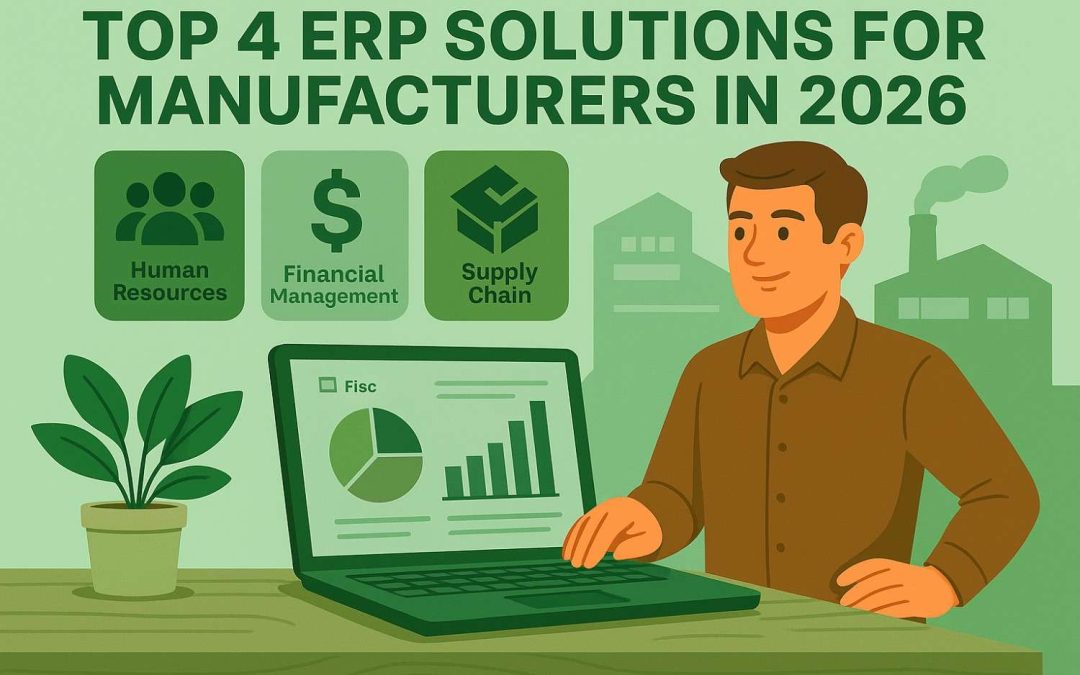
Top 4 ERP Solutions for Manufacturers in 2026

Top 4 ERP Solutions for Manufacturers in 2026

Manufacturing companies face major challenges in the coming year, from supply chain disruptions to rising competition. To stay profitable, producers need to optimize their operations, reduce waste, and boost productivity.

Enterprise resource planning (ERP) software combines essential business functions like human resources, finances, production and supply chain management into one integrated system. Its centralized database helps manufacturers automate routine tasks, reduce errors, and provide accurate, up-to-date information across the organization.

Here are the top ERP solutions that can help manufacturers improve efficiency and grow their business.

ArcherPoint

ArcherPoint by Cherry Bekaert provides Microsoft ERP solutions designed for manufacturing companies. The system offers comprehensive financial management, simplified service operations, advanced project management, optimized supply chain processes and improved business workflows through a single, intuitive dashboard.

The company prioritizes collaboration with clients. Their expert team works to customize and implement solutions that match specific business requirements. They also provide training, software development, integration services, ongoing technical support, regular updates and security management.

Key features

  •  Certified Microsoft Dynamics ERP Solutions Partner
  •  Free consultation
  •  Comprehensive services, from consultation and implementation to technical support

IFS

IFS brings decades of manufacturing industry experience. Their ERP software manages end-to-end processes, shop floor control, supply chain, production operations and analytics. It provides clear visibility into financial and sales activities so companies can concentrate on core business goals.

Their cloud platform allows customers to select configurations based on specific operational needs, eliminating unnecessary components. The system can expand with additional software modules as organizations grow and adopt new technologies.

Key features

  •  Cloud and on-premise solutions
  •  Specializations in manufacturing
  •  Layered application architecture for cloud tailoring and optimization

Acumatica

Acumatica offers highly adaptable ERP solutions ideal for mid-sized manufacturing companies looking to modernize their operations. Their customers have seen impressive results: 400% higher throughput, 25% reduction in material waste, and 20 hours saved weekly by automating data entry.

Pricing depends on the number of applications implemented. Companies can start with essential features and add more data storage and capabilities as needed.

Key features

  •  Increased throughput by 400% with ERP solutions
  •  Cloud and on-premise deployments
  •  Cost varies by the number of applications

Sage

Sage X3 ERP software works both on-premise and in the cloud. Manufacturing companies can adapt it to their specific requirements, preferences and user roles. The system excels at workflow automation, document management, real-time inventory tracking and budgeting. It supports multiple languages and locations for global operations, with customizable features and third-party integrations.

The Sage Copilot AI assistant in X3 processes information from communications and invoices, identifies issues, and creates draft reports for review. This helps save time, prevent problems and improve decision-making.

Key features

  •  On-premise and cloud-based solutions
  •  Conducive to multi-language and multi-site deployment
  •  AI assistant for boosted productivity and better decision-making

What to look for in manufacturing ERP systems

Since ERP solutions require significant investment, manufacturers need to research options thoroughly. Consider these key criteria when comparing providers:

How to choose the most affordable ERP solutions for manufacturers

Company size significantly impacts ERP selection. Small businesses without dedicated IT teams need different solutions than medium and large enterprises that have experienced staff for implementation and maintenance.

Start by determining your budget and operational requirements. Consider which capabilities are essential – like lot tracking, financial reporting, or customer relationship management. Analyze specific challenges in areas like procurement and inventory management.

Look for vendors who specialize in manufacturing and have proven success with customization and growth. Request product demos to test the software hands-on. Ensure the system integrates well with your current processes.

Remember to factor in all costs beyond the initial purchase price, including implementation, training, maintenance and subscriptions. Run a pilot test to verify the system improves operations before full deployment.

Market outlook for ERP solutions

The global ERP Software market continues to grow at 11.7% compound annual growth rate, projected to reach $123.41 billion by 2030. North America leads with 38% market share, while manufacturing represents 19% of revenue.

AI, Internet of Things and other advanced technologies are driving smart manufacturing adoption. ERP software enables smooth integration of machines and processes across production. Cloud-based ERP is becoming more popular by offering flexibility, scalability and remote management for distributed manufacturing operations.

ERP solutions improve manufacturing efficiency

Implementing the right ERP solution can transform manufacturing operations in 2026 by streamlining workflows and increasing productivity and profits. Take time to thoroughly evaluate options to find cost-effective systems that support your organization’s growth goals.

More must-read stories from Enterprise League:

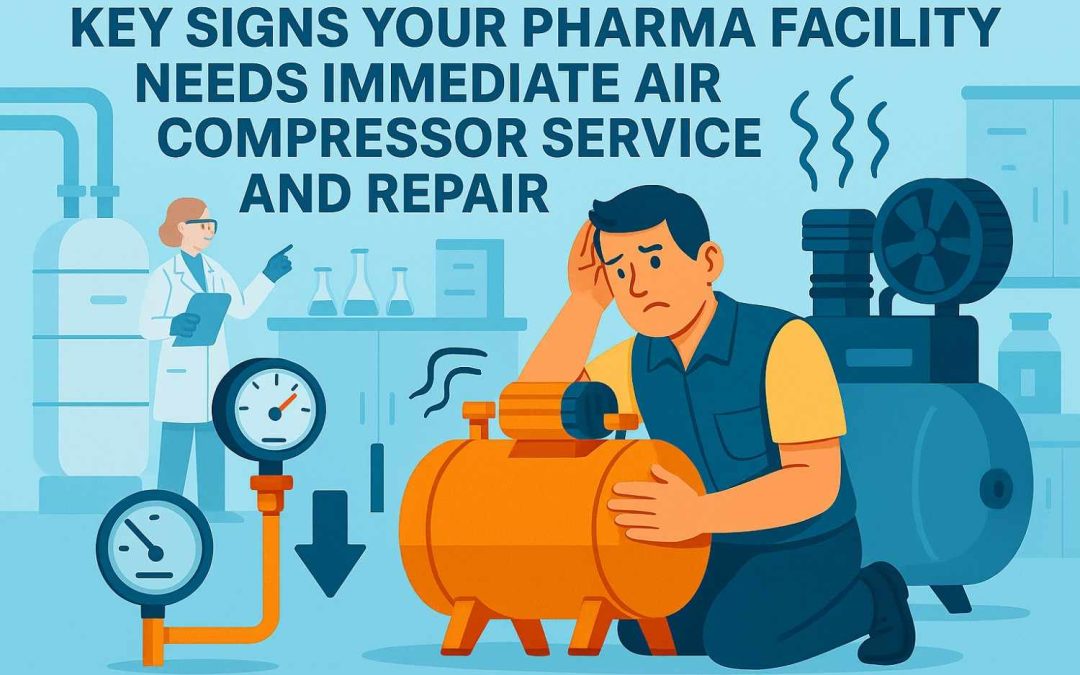
Key Signs Your Pharma Facility Needs Immediate Air Compressor Service and Repair

Key Signs Your Pharma Facility Needs Immediate Air Compressor Service and Repair

Smooth operations in pharmaceutical production rely on many interconnected systems. When one critical component falters, the impact can affect the entire process. Air systems play a vital role in maintaining product consistency, safety, and efficiency. In such environments, quick attention to mechanical concerns can help prevent downtime and quality issues.

Regular air compressor service and repair ensure these essential systems continue to function without interruption. Neglecting maintenance can lead to costly delays and compromise the integrity of the entire production line. Here are the key indicators that signal the need for repair services in your pharma facility.

Unusual noises during operation

Equipment that runs with precision should maintain a steady and consistent sound profile. Sudden clunks, rattles, or metallic scraping noises point to internal wear or displacement of parts. In a pharmaceutical setting, such disruptions can compromise pressure control and air purity. Quick inspection becomes crucial to prevent spreading damage across other connected systems.

These noises may also indicate loose or deteriorated components that need tightening or replacement. Ignoring these sounds could result in costly breakdowns, risking production delays. Operational consistency depends on the quiet, balanced functioning of air equipment. Early diagnostic checks provide a chance to fix problems without major interruptions.

Decline in air pressure

A reduction in pressure output affects manufacturing equipment that depends on regulated airflow. When pressure drops, production lines may slow, and certain processes can produce inconsistent results. This is more than a performance issue; it can directly affect product quality. Air compressor service and repair at this stage can address pressure irregularities before they worsen.

Pressure loss might be caused by leaks, blockages, or worn-out valves restricting flow. Monitoring pressure gauges regularly can help detect issues before they become severe. Low pressure stresses other components, leading to increased wear and energy inefficiency. Scheduled maintenance plays a key role in sustaining optimal air delivery.

Changes in air quality output

Air delivered into processing areas should remain clean, dry, and at the right temperature. Any shift in these qualities, whether unexpected moisture, fine particles, or unusual odors, could signal internal contamination or malfunction. Sensitive pharmaceutical applications require precise air purity levels, so quality deviations require urgent attention to maintain compliance and safety standards.

Airborne contaminants can lead to product degradation or batch rejection, which proves costly. Regular checks of filtration and drying systems ensure contaminants do not slip through unnoticed. Temperature and moisture fluctuations can also indicate failing dryer components. Maintaining clean and pure air supports regulatory mandates and patient safety.

Unexpected energy spikes

Utility monitoring can uncover sudden surges in electricity use connected to compressed air systems. A machine working harder than it should increases strain on internal parts and drives up operational costs. Fixing the root cause quickly prevents potential breakdowns and maintains long-term efficiency. This may also highlight the need for a targeted air leak audit to identify hidden inefficiencies.

Energy surges usually point to leaks, blocked lines, or inefficient motors drawing excess power. Diagnosing these issues can save significant operating expenses and reduce carbon footprint. Equipment consuming more power than normal indicates underlying mechanical challenges. Stable energy consumption helps extend equipment life and frees budgets for other priorities.

Visible wear or damage

Exterior inspection can reveal cracks on hoses, worn seals, or fraying connections. These seemingly small visual clues may point to deeper internal concerns. In pharmaceutical production schedules, even minor damage can lead to system failures that halt progress. Quick repair at this stage improves reliability and protects downstream processes.

Damaged hoses can cause leaks that reduce air system efficiency and contaminate product environments. Visual cues are the first signs that maintenance cycles need adjustment or acceleration. Ignoring physical damage increases the risk of sudden breakdowns during critical production windows. Repairing or replacing worn components supports consistent system performance.

Struggles to maintain steady output levels

When the equipment struggles to meet the demands of production cycles, other systems may be forced to compensate. This added strain can compromise precision and uniformity in output batches. Consistent delivery from an air compressor for pharmaceutical industry applications is essential, so persistent output challenges signal an urgent need for intervention.

Output issues might stem from clogged filters, worn pistons, or malfunctioning pressure regulators. These deficiencies reduce performance and introduce variability in sensitive processes. Steady output preserves product integrity and operational timelines. A thorough review ensures all parts align to meet demanding capacity requirements.

Increase in maintenance frequency

A system that requires more attention in shorter intervals may be approaching a critical fault stage. Parts wear faster when underlying issues remain unresolved. This can lead to repetitive service calls without truly fixing the core problem. Strategic diagnostic work can uncover why a compressor is showing recurring trouble.

Frequent repairs also contribute to rising maintenance costs and increased downtime risks. Failure to address root causes could shorten overall equipment lifespan. Proactive replacement of high-wear parts keeps the system running smoothly with fewer interruptions. Careful tracking of repair histories helps in planning effective preventive actions.

Unexplained shutdowns

Stopping without warning interrupts critical workflows and can jeopardize carefully timed production runs. Unplanned halts may stem from overheating, electrical faults, or pressure irregularities. Each restart places added load on the system, increasing the chances of damage. Fixing the cause promptly is key to restoring dependability and avoiding extended downtime.

Safety mechanisms might trigger shutdowns due to irregular operating conditions requiring technical review. Regular system diagnostics can anticipate failure points before abrupt stoppages occur. The cost of unscheduled downtime far exceeds routine maintenance investments. Having backup operational capacity helps maintain steady production during corrective repairs.

Inconsistent temperature control

Compressed air systems should maintain stable temperatures to ensure proper operation and product safety. Fluctuating or rising temperatures can signal cooling system failures or internal friction. In pharmaceutical environments, temperature irregularities affect air quality and can compromise sensitive processes. Consistent thermal regulation also protects equipment from overheating and premature wear.

Detecting temperature shifts early allows for timely repairs, preventing costly disruptions and preserving air system integrity. Untreated temperature variations can speed up component degradation and increase energy consumption. Regular monitoring and maintenance of cooling elements are essential to sustaining optimal performance and avoiding unexpected failures.

Spotting warning signs early allows pharmaceutical facilities to act before air system failures disrupt production. Whether the issue is pressure decline, reduced purity, or unexpected shutdowns, quick response is essential. Planning for consistent inspection and timely intervention maintains efficiency, quality, and regulatory compliance. For facilities aiming to maintain uninterrupted operations, prioritizing air compressor repair ensures reliable system performance long-term.

More must-read stories from Enterprise League:

Where Can I Buy Industrial Cleaning Chemicals Online

Where Can I Buy Industrial Cleaning Chemicals Online

Cleanliness is essential in any organization. However, some facilities require more than spotless surfaces for workplace safety, compliance and liability mitigation. Industrial cleaning chemicals are necessary for sanitation and disinfection.

These specialized cleaners serve different purposes and usually cannot be substituted for one another, so finding suppliers with the right products is crucial for maintaining your operations.

If you are a business owner with housekeeping professionals on staff or manage a full-service facility management service company, here’s where you can buy industrial cleaning chemicals online.

JBS Industries

JBS Industries is a manufacturer that has been around since 1979. Although the company primarily develops diverse cleaners for car wash operations and is a member of international and regional car wash associations, it can create custom blends for virtually any industrial application. This includes landing strips, runways, fleet vehicles, waste management tools and manufacturing equipment.

This established manufacturer has a growing network of national and local distributors, including Kleen-Rite, Windtrax, New Horizons Car Wash Structures and Motor City Washworks. JBS Industries offers interested resellers wholesale discounts, marketing and sales support, custom supply agreements and more. This supplier also works with janitorial service providers.

Key features:

  •  Tailors industrial washes for specific applications
  •  Prioritizes eco-friendly formulations
  •  Offers net 30 payment terms


Grainger

Grainger is a primary source of maintenance, repair and operations products whose history dates back to 1927. Its catalogs contain over 1.4 million products from more than 5,000 suppliers. The company has locations in the United States, Canada, Mexico, the United Kingdom, and Japan and exports to most countries. It promises next-day delivery on most orders within the continental U.S. and offers chat and live-person phone support to address concerns as soon as possible.

This major retailer takes sustainability seriously. Grainger’s category page has a filter for eco-friendly options to help you find greener industrial cleaning chemicals, including U.S. Environmental Protection Agency (EPA)-registered products. It offers over 12 services to help organizations meet environmental, social and governance (ESG) goals.

Key features:

  •  Sells dilution control systems
  •  Offers discounts for high-volume purchasers
  •  Prevents stockouts using automated inventory management


Uline

Uline is where you can find industrial cleaning chemicals from trusted brands when you need them quickly. This family-owned distributor of more than 45 years ships 99.5% of its orders on the same day, so finish checkout by 6 p.m. to receive supplies quickly. Its extensive network of 14 locations across North America speeds up delivery and reduces shipping costs. Its online delivery estimator gives you an idea of how fast you can receive your order based on your ZIP code.

While Uline mainly serves North American markets, it offers a straightforward process for shipping outside its primary service areas. The company’s customer service representatives are ready to guide you through every step, from setting up an international billing address to preparing your export documents.

Key features:

  •  Has a broad range of specialty cleaners
  •  Imposes no minimum dollar amount per order
  •  Issues refunds for unsatisfactory items returned within 30 days


Aramsco

Aramsco is a major provider of industrial cleaners for contractors specializing in water or fire damage restoration, environmental remediation, stone fabrication, concrete surface preparation and commercial carpet cleaning. This niche wholesale distributor offers a comprehensive selection of specialty chemicals from leading brands.

The company offers account-based custom prices, so you can use your organization’s strengths to negotiate favorable deals with its sales representatives. Aramsco has a price-matching policy for clients with existing contracts. Its customer support team is available 24/7 to assist you in addressing urgent needs and sourcing hard-to-find items.

Key features:

  •  Has been in business for over 59 years
  •  Procures products from ethical suppliers
  •  Delivers to jobsites


Hillyard

Hillyard is a reputable supplier of various specialty cleaners for commercial and industrial facilities with over 118 years of experience. The company has numerous distribution centers and even more distributors across the U.S., coast to coast.

What makes Hillyard distinct from other vendors is its exceptional commitment to sustainability. The company pioneered some of the first Green Seal™-certified products, demonstrating compliance with stringent standards for use of safer chemicals, responsible sourcing, low-impact manufacturing and excellent performance. This seller is also a U.S. EPA Design for the Environment Partner through the agency’s Safer Detergents Stewardship Initiative. Hillyard develops bio-based products to help conserve virgin nonrenewable resources.

Key features:

  •  Produces proprietary formulations
  •  Provides detailed product information
  •  Offers consulting services to help businesses develop better cleaning processes


WebstaurantStore

WebstaurantStore is where restaurateurs, brewmasters and cafe owners buy industrial cleaning chemicals online. This digital storefront has dozens of product categories for various surfaces and machines subject to rigorous health and safety inspections. It sells cleaners retail and wholesale, giving you flexibility to replenish supplies without dealing with high minimum order requirements and enjoy bulk order discounts if you can house large volumes of items.

This commercial kitchen essentials distributor of over 21 years ships orders placed before 2 p.m. EST on the same day. The merchandise leaves the warehouse the following business day for orders made later. WebstaurantStore’s ground shipment delivery timelines range from one to seven days, depending on which of the company’s eight warehouses across the contiguous U.S. the cargo would originate from. This e-tailer airfreights international orders to shorten shipping time, which varies by country or territory.

Key features:

  •  Has a membership program with exclusive pricing, free shipping and priority processing perks
  •  Rebates 3% back for every $1 spent
  •  Offers private-label brands for more savings


Nyco

Nyco manufactures an extensive selection of specialty cleaning products for various facilities. This wholesaler has more than 105 years of industry excellence, earning it the leadership role in the International Sanitary Supply Association.

The organization is a founding member of ChemBlend International (CBI) – a national private brand alliance serving North America. Nyco uses CBI’s five manufacturing facilities to overcome logistical challenges and reduce business redundancy.

Key features:

  •  Sells chemical management systems
  •  Offers a private label branding program for distributors
  •  Supports the EPA’s Safer Choice initiative to help end users qualify for Leadership in Energy and Environmental Design certifications

Comparing online industrial cleaning chemical sellers

Here’s a glimpse of the top sources of industrial cleaning chemicals online.

Choosing the best place to buy industrial cleaning chemicals online

Consider these factors to narrow down suitable suppliers for your needs.

  •  Direct or indirect selling: Manufacturers can sell directly to end users to offer lower prices and/or function as wholesalers, whereas distributors and dealers carry multiple brands and may charge more. Use the correct type of seller to achieve your goals.
  •  Industries served: Most vendors sell industrial cleaning products for specific facilities. Determine what industries or properties a seller explicitly targets.
  •  Product range: Greater variety means more choice, which matters when you don’t prefer any products yet or want to try something new. Explore how extensive your options are.
  •  Sustainability: Industrial-grade chemical cleaners with eco-friendly properties support ESG strategies. Find out whether a seller offers green products that align with your sustainability goals.
  •  Service areas: Many suppliers of chemical cleaners for industrial applications have limited geographic coverage. Note if it delivers to your location.
  •  Delivery speed: Online vendors streamline warehousing operations and use different shipping methods to ship and deliver merchandise as soon as possible. Check a merchant’s estimated delivery time frames to plan your orders and set your expectations accordingly.
  •  Pricing: E-commerce is competitive, so online industrial cleaning chemical sellers use different pricing strategies to gain business. Compare and contrast retail/wholesale prices, price match guarantees, free shipping policies and special offers.
  •  Track record: Longevity, accolades, affiliations and glowing reviews are excellent credibility indicators. Evaluate vendor track records by researching foundation years, awards, memberships in established industry associations and user-generated testimonials on third-party sites.

Frequently asked questions

Here are the answers to the most common questions about industrial-grade cleaning chemicals.

Q: What are industrial cleaning chemicals?

A: Industrial chemical cleaners are powerful cleaning agents optimized for heavy-duty tasks. They’re potent enough to remove the tough contaminants residential-grade and commercial-grade cleaners can’t break down.

Some are perfect for sanitation and reduce the amount of germs on surfaces and objects to safer levels. In contrast, stronger ones are suitable for disinfection, killing more durable and resilient pathogens to prevent the spread of diseases.

Q: What’s the difference between commercial and industrial cleaning?

A: Commercial and industrial cleaning services differ in suitability, intensity, frequency and compliance. Commercial cleaning refers to routine janitorial tasks meant to remove visible impurities from objects and surfaces in workspaces that are not subject to stringent health and safety regulations. Examples include regular offices, retail stores, hotels and schools.

Industrial cleaning must comply with rigorous standards. It involves specialized cleaning methods aimed at washing, sanitizing and/or disinfecting specific contaminated objects and surfaces, requiring more potent cleaners and sophisticated equipment. Industrial cleaning procedures may be necessary daily, weekly or at less frequent intervals. Still, they’re more intense to neutralize extraordinary hazards in facilities like manufacturing factories, pharmaceutical labs and power plants.

Q: What is an example of industrial cleaning?

A: In restaurants, employees use degreasers to remove grease, oil and grime from floors, countertops, hoods, ducts and other vulnerable surfaces. Staff applies an alkaline cleaning agent like potassium hydroxide to break down the grease buildup. A foaming agent helps a degreaser cling to surfaces longer.

The cleaner turns grease into suspended droplets through chemical action, making rinsing with hot water and a high-pressure spray easier. Specialized equipment like industrial magnetic scrapers and spinning brushes with high-speed water jets is typically necessary to help degreasers remove stubborn oily substances manually or mechanically.

Buy industrial cleaning chemicals from reputable online suppliers

The catalogs of these seven vendors overlap to some extent, but they all have unique strengths and offer distinct advantages. Review what makes each one excel to find the most suitable source for your specific needs.


More must-read stories from Enterprise League:

Pros and Cons of Working Remotely as an Essay Writer

Pros and Cons of Working Remotely as an Essay Writer

The pandemic totally flipped everything upside down, right? Suddenly, like, millions of people had to figure out this whole work-from-home thing. But essay writers? They’ve kinda been doing this forever. Coffee shops, couches, random hotel rooms – they were the original remote workers. The big question is whether this lifestyle is actually as amazing as everyone thinks.

The freedom factor: Benefits of location independence

Let’s be real – remote essay writing gives you a kind of freedom that’s pretty sweet. People stuck in cubicles are seriously jealous. You can literally sit there in your PJs all day if you want. You could even write papers from a beach in Thailand (though the sand in your laptop might be an issue, just saying). FlexJobs did this survey in 2023 that showed something interesting – about 65% of essay writers actually get MORE done at home. More work = more cash. The top writers on Upwork are pulling in $50-75 an hour. Not too shabby!

This setup is perfect for college students juggling their own crazy schedules. They can help other students with papers while still handling their own coursework. And yeah, sometimes students get overwhelmed and check out services that pay for college homework. No judgment – we’ve all been there during finals week.

The whole comfort thing is huge for creativity. Working from home as writer means you can customize your space exactly how you want it. Too hot? Open a window. Too quiet? Play your weird focus music that everyone at an office would hate. That author Barbara Oakley who wrote “A Mind for Numbers” actually talks about how changing your environment can spark different kinds of thinking. Pretty cool when you think about it.

The shadow side: Drawbacks of remote writing work

The pros and cons of remote work hit different when you’re a writer. The loneliness? It can be rough. Writing’s already pretty solitary, and at least in an office you’ve got forced social interaction. At home, you might realize you haven’t actually talked to another human in like…three days? Kinda scary. That Stanford Work From Home Study found that 65% of remote workers feel disconnected and writers topped the list of the most isolated. Yikes.

The structure thing is a nightmare for some people. Nobody cares if you start at 10am instead of 8am. Nobody notices if you’re still working at midnight. The lines get super blurry between “work time” and “life time.” Writers end up either working 24/7 or procrastinating until the last minute. Both are recipes for burnout city. Mental Health America put out this report in 2024 showing remote workers have 17% more anxiety and depression. Not great.

Money stuff gets weird too. Remote essay writing jobs usually pay per project, not by the hour. Some months you’re living large, and others you’re eating ramen for dinner. Again. Your income bounces around like crazy. Plus you’re on your own for health insurance and all that adult stuff. Remote work promised amazing freedom but delivered a whole lot of “wait, how am I going to pay rent this month?”

The practical reality: Day-to-day experience

Social media makes remote writing look SO glamorous, but c’mon. Most remote writers aren’t lounging by infinity pools with their MacBooks. Most days look more like:

  •  Desperately trying to find WiFi that doesn’t cut out every 5 minutes
  •  Yelling at your roommate/kids/dogs to please be quiet during your call
  •  Setting alarms on your phone so you don’t miss deadlines
  •  Explaining to clients why their 3am message didn’t get an immediate response
  •  Constantly hustling for the next gig because you’re paranoid about running out of work

That Hemingway quote haunts me sometimes: “Writing is something that you can never do as well as it can be done.” When you’re all alone with your thoughts and your laptop, that perfectionism monster gets LOUD. No coworkers around to tell you “dude, it’s fine, just submit it.” Remote writers need serious self-discipline or they’ll either tweak forever or wait until the absolute last second. I’ve done both, honestly.

Tech problems are THE WORST when you work remotely. Your computer dies? You don’t get paid today. Power out? Too bad, that deadline isn’t moving. Internet down? Good luck explaining that to your client. That’s why smart remote writers get serious about backups. Second laptop, hotspot on the phone, knowing which coffee shops have the best WiFi it’s survival. Some places like Essaypay actually help their remote essay writers with tech support and steady assignments, which helps with the chaos.

Technology tools that help

Remote writers need decent tools or they’ll lose their minds. The right software saves hours of headaches. Grammar checkers are lifesavers – Grammarly catches stuff you’d totally miss at 2am. Hemingway Editor tells you when you’re writing sentences no human could possibly understand. Cloud storage is non-negotiable because losing your work is a special kind of hell. Google Drive syncs everything so you can switch between devices. Time trackers like Toggl stop clients from arguing about hours. Slack and Discord help you remember what human interaction feels like. Zoom coffee chats are weird but better than talking to your houseplants (we’ve all been there).

Successful writers create effective systems pretty quickly. They make templates for stuff they do all the time. They actually organize their research instead of having 57 tabs open. They back up EVERYTHING. Twice, minimum. And the tools keep improving in this industry. New AI writing tools show up like every other week. The writers who stay curious and try new stuff tend to make more money in the long run.

Finding balance: Maximizing benefits while minimizing drawbacks

The benefits of remote writing can definitely outweigh the downsides if you’re smart about it. Writers who make this work usually:

  •  Set actual boundaries (like a real workspace, not just their bed)
  •  Find online writing buddies for accountability
  •  Force themselves to leave the house sometimes
  •  Try techniques like Pomodoro (25 minutes of focus, 5 minute breaks)
  •  Never rely on just one client because that’s terrifying

A lot of people end up with some kind of hybrid situation. Maybe they keep a part-time regular job for the stable income while building up their writing business. Some hit up co-working spaces a few days a week just to remember how to talk to humans. That guy Dr. Cal Newport who wrote “Deep Work” talks about how this mixed approach often works better than going all remote. People seem happier when they have some structure but also some freedom.

Here’s the thing about remote essay writing – it’s not all good or all bad. It really depends on who you are. Some people absolutely thrive with complete freedom. Others slowly unravel without external structure. You gotta know yourself. Plan accordingly. Be realistic about what you can handle. If you get it right, remote writing can definitely pay the bills while giving you a lifestyle that office workers can only dream about.

More must-read stories from Enterprise League: