No Results Found
The page you requested could not be found. Try refining your search, or use the navigation above to locate the post.
Considering the role of information technology (IT) in business operations, it’s only essential to have an experienced and reliable team to oversee your IT system and its maintenance. And while hiring an internal team is an option considering it gives you full control, it also comes with some challenges.
If you’re wondering whether hiring a managed IT service provider is worth it, you’re in the right place. This article outlines some benefits of outsourcing managed IT services to help you make the right decision for your business.
Outsourcing IT services is when you hire a third-party company to handle your company’s IT needs, from managing and monitoring your infrastructure to offering solutions to IT system issues. And depending on your company’s needs, you can outsource functions like software and cloud solutions, cybersecurity, and data management.
According to Attentus, managed IT services can help simplify IT management and allows companies to avoid costly downtimes. Now, let’s take a look at the 4 benefits of outsourcing managed IT services.
One of the benefits of outsourcing managed IT services is cost savings. Since you’ll partner with a service provider, you can minimize recurring expenses like employee salary, benefits, and training costs. Third-party firms typically have a team of professionals to handle your IT needs, so you won’t have to hire a full in-house IT team.
The best managed IT services in Chicago or your area will also use its tools and equipment to serve clients and administer IT assistance. So, by partnering with a managed service provider, you won’t have to invest in additional tools to support your IT functions. You can also cut down on costs associated with equipment maintenance and upgrades.
Ultimately, outsourcing managed IT services can be a more cost-effective approach since you can rely on the external firm’s resources and equipment to oversee your company’s IT infrastructure.
Another benefit of outsourcing managed IT services is that it allows businesses to enhance their cybersecurity strategy. For example – lets say you are located in Barnsley, then partnering with a managed IT support in Barnsley can provide peace of mind can provide peace of mind for businesses concerned with cybersecurity threats. These providers offer expertise and knowledge in identifying and mitigating risks, ensuring that your business is protected from potential attacks.
Managed IT services providers can assess your systems or software to identify vulnerabilities, help put preventive measures, and develop data recovery plans. Aside from that, a managed IT service can also train your employees to identify potential online security threats, so they can be more informed about what to do. All these efforts can help safeguard your business data against unauthorized access and cybersecurity attacks.
The technological world is evolving at a high rate. Some of the tools and strategies you used to run your business a few months ago might not be effective today, increasing the need for access to modern technologies so your business can stand out and remain competitive. While that’s the case, you might not be knowledgeable about various technological advancements and developments. This is where partnering with a managed IT service provider comes in beneficial.
These companies are experts in the field and can recommend which tools to purchase for your business. They can also educate you on industry trends so you can be up to date. All these ensure quick adoption of new technologies so your company can overcome market competition.
Managing an IT infrastructure is easier said than done. In most cases, overseeing your company’s systems and completing maintenance tasks can be time-consuming. Therefore, it can be hard to juggle other responsibilities since you may not have enough time for other important tasks if you decide to manage your company’s IT infrastructure yourself. For this reason, you can consider hiring a managed IT service provider.
The third-party company you hire will do all the work for you. They’ll take all the responsibilities, including installing and updating software, monitoring networks for security vulnerabilities, and maintaining your website. This goes a long way towards freeing up your and your employees’ time so you can divert your focus to other important things. As such, your organization can be more productive and enhance your business revenue generation strategy.
Outsourcing managed IT services is one of the ways you can manage your company’s IT infrastructure more efficiently. Some notable benefits of this approach include reduced costs, enhanced cybersecurity, and quick adoption of the latest technologies.
Hopefully, with the benefits outlined above, you gained better insights to help you decide whether outsourcing managed IT services is the best move for your business.
The page you requested could not be found. Try refining your search, or use the navigation above to locate the post.
The page you requested could not be found. Try refining your search, or use the navigation above to locate the post.
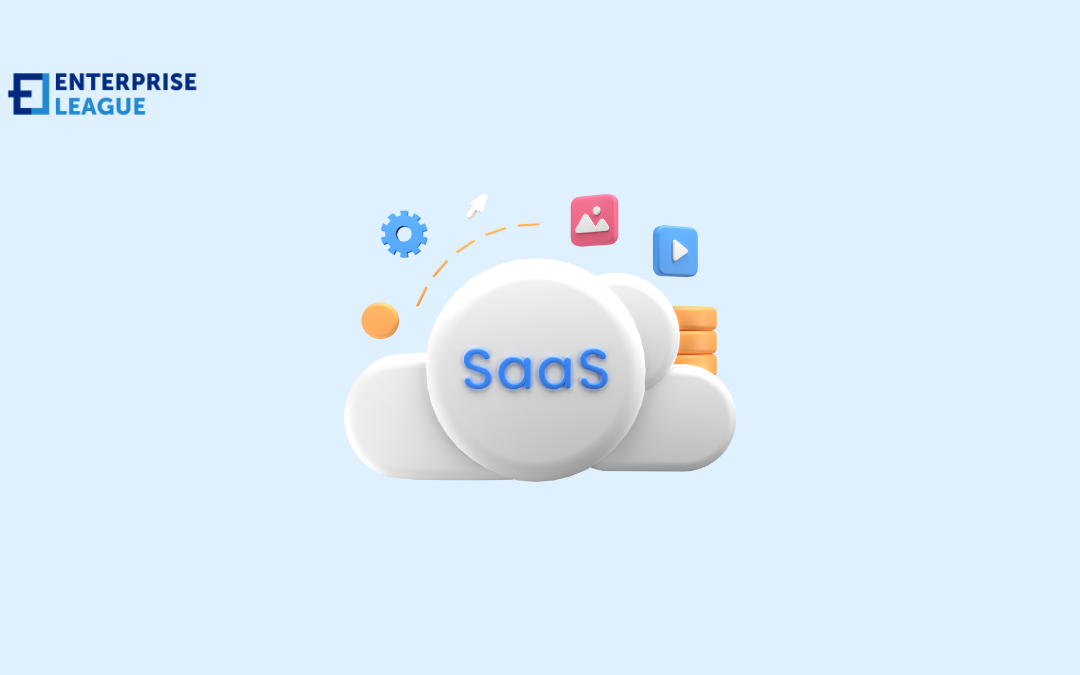
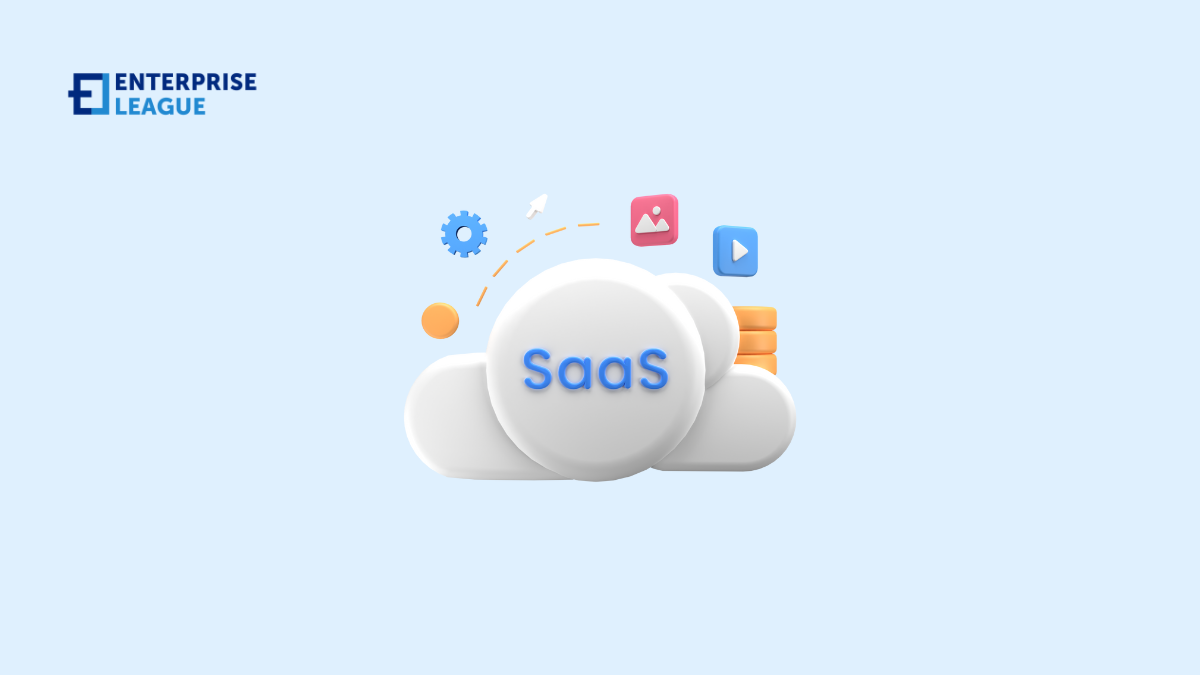
SaaS has brought about a significant change in business operations by providing effective and streamlined solutions to manage multiple facets of daily activities. As the business landscape evolves, so does the need for companies to stay compliant and automate tasks to maximize productivity.
This article will explore the most popular SaaS solutions employed by businesses today, highlighting their benefits and how they enable organizations to remain compliant and automate tasks. We will also touch upon the growing importance product development services and of employee recognition software in the modern workplace.
SaaS solutions have become essential tools for businesses of all sizes due to the increasing need for automation and compliance in today’s business environment. Here are the top nine SaaS solutions that can help businesses achieve their compliance and automation goals.
A leading SaaS solution in the business world, CRM systems, including those enhanced by RPA in banking, help manage and analyze customer interactions throughout the customer lifecycle. CRM systems improve customer retention, satisfaction, and overall business success by automating sales, marketing, and customer service processes. Integrating RPA in banking CRM systems brings additional benefits by automating repetitive tasks, such as data entry, lead qualification, and customer onboarding.
This saves time and reduces human errors, and allows banking professionals to focus on building stronger relationships with customers, providing personalized services, and identifying opportunities for upselling and cross-selling. With RPA integrated into CRM systems, banks can streamline their operations, enhance customer experiences, and gain valuable insights into customer behaviors and preferences, ultimately driving business growth and profitability.
Some popular CRM platforms include Salesforce, HubSpot, and Microsoft Dynamics 365, which offer customizable features to cater to businesses of all sizes and industries. These systems ensure that companies remain compliant by providing secure data storage, managing GDPR, and handling other data privacy concerns.
ERP software integrates essential business functions into a single, unified platform, making it easier for organizations to manage resources, automate processes, and improve operational efficiency. These solutions typically include modules for finance and accounting, supply chain management, human resources, and more.
Popular ERP systems such as SAP, Oracle NetSuite, and Microsoft Dynamics AX help businesses remain compliant by managing financial reporting, tax calculations, and regulatory requirements, while also streamlining operations and reducing errors.
HCM systems are designed to streamline and automate HR processes, including recruitment, talent management, benefits administration, and payroll. Businesses can manage their workforce efficiently, improve employee engagement, and ensure compliance with labor laws and regulations by utilizing these solutions that provide necessary tools. Well-known HCM platforms such as Workday, ADP, and BambooHR offer user-friendly interfaces and customizable features to cater to specific organizational needs.
As remote and hybrid work models become increasingly popular, project management and collaboration tools have become essential for businesses to maintain productivity and ensure seamless communication among teams. SaaS solutions like Asana, Trello, and Slack provide businesses with platforms to assign tasks, track project progress, and facilitate real-time communication.
These tools not only improve efficiency but also help companies maintain compliance with data protection and privacy regulations, as they provide secure channels for communication and file sharing.
By implementing employee recognition software, such as Terryberry, Bonusly, Kudos, and Achievers, businesses can improve employee engagement, morale, and retention. Moreover, these solutions help organizations maintain compliance by tracking rewards and providing the necessary data to report taxable income and manage employee benefits.
An LMS is a platform that facilitates the delivery, tracking, and management of training programs for employees. Businesses use LMS software such as Moodle, TalentLMS, and Docebo to provide comprehensive and accessible training resources, ensuring that employees stay up-to-date with industry knowledge, skills, and compliance requirements. By automating the training process, LMS solutions save time and resources, allowing companies to focus on other critical business areas.
Businesses must adhere to various industry-specific regulations and standards, making compliance management a critical aspect of their operations. Compliance management solutions, such as LogicGate, Onspring, and ZenGRC, help organizations identify risks, manage policies, and maintain compliance with regulatory requirements.
These platforms provide businesses with a centralized hub to monitor compliance-related activities, automate reporting, and streamline internal audits. By leveraging compliance management solutions, organizations can reduce the risk of non-compliance penalties, protect their reputation, and maintain trust with customers and stakeholders.
A software solution known as a DMS can assist businesses in creating, storing, managing, and tracking electronic documents and records. These systems help organizations streamline workflows, improve collaboration, and maintain compliance with document retention policies and regulations.
Popular DMS platforms like DocuWare, M-Files, and eFileCabinet provide features like version control, access permissions, and secure document storage, ensuring that sensitive information is protected and managed according to industry standards.
Electronic signature solutions like DocuSign, Adobe Sign, and HelloSign have become integral to modern business operations. These platforms facilitate the secure and legally binding signing of documents, contracts, and agreements, streamlining processes and reducing the need for physical paperwork. By automating the signing process, electronic signature solutions save time, improve efficiency, and ensure compliance with electronic signature laws and regulations.
Implementing SaaS solutions can help organizations streamline operations and focus on innovation, growth, and achieving long-term success. By embracing SaaS technology, companies can stay competitive, adapt to changes, and thrive in the market.
We’ll go over some helpful software tools that are designed to integrate seamlessly with Xero’s platform, from payment gateway providers to project management.
Let’s discuss more about how CSPM tools enhance visibility and control in cloud environments while helping organizations mitigate risks and ensure compliance.
From forgotten recurring charges and payments to the time spent managing multiple users, the cost of shared accounts extends far beyond the monthly bill.
Server colocation is a great way to save on hardware costs, but it also comes with its own share of pros and cons. Read on to learn more about this technology.
Protect your team from UV rays with these sun safety essentials for outdoor businesses. From proper gear to hydration protocols, learn what employees need.
This article will discuss some key financial management strategies for your finances while expanding your business.
To establish financial security and stability for your business, effective financial management is crucial. By understanding these five key aspects of financial management strategies in your business, you can establish a strong financial foundation for your business goals.
The CFO bears a significant responsibility in financial management to ensure that the budget plan aligns with the organization’s goals and objectives. Proper utilization of budget plans for recording expenditures is essential to keep control over expenses. Internal control and risk management are other key elements to consider while preparing the budget.
Personnel expenditures should also be controlled to achieve budget effectiveness and efficiency. Overall, a solid budget helps organizations to achieve financial stability and manage debts effectively while expanding.
Identifying necessary financial data is crucial for any business to effectively manage its budget and debt while expanding. It includes understanding cash flow, assets, liabilities, and shareholder value. Utilizing the balance sheet and financial analysis software like Microsoft Power BI can aid this process.
Personnel expenditure control is a crucial aspect of budget management as it can significantly impact the overall effectiveness of a budget plan. By identifying and analyzing necessary financial data, businesses can make informed decisions to achieve their expansion goals.
Understanding the direct method of cash calculation is crucial for managing cash flow effectively. In contrast to the indirect method, which adds non-cash expenses and revenue to net income, the direct method records all cash inflows and outflows.
It is worth noting that the direct method may not be suitable for all businesses and requires meticulous record-keeping. By understanding this method of cash calculation, business owners can make more informed financial decisions and maximize their cash flow.
Utilizing budget plans for recording expenditures is essential for achieving financial stability. It involves identifying necessary financial data for analysis and understanding the direct method of cash calculation. Financial management relies heavily on the CFO who plays a central role in ensuring an appropriate balance between expenses, investments, and current expenditures.
One important element of budget planning is recording expenditures, which allows for effective control of personnel expenses for budget effectiveness and efficiency. It also enables the introduction of KPIs for activities under the procurement year budget, shipment, and beneficiary management. By recording expenditures and utilizing budget plans, individuals and organizations can better manage their financial resources and achieve long-term financial stability.
Controlling personnel expenditures is essential for ensuring the effectiveness and efficiency of a budget plan. Maintaining financial stability requires managing and monitoring the flow of funds when a solid budget is in place.
It requires strict supervision over all personnel-related expenses, including salaries, benefits, training programs, and collection costs. By reviewing and analyzing past expenditures, one can identify areas that can be streamlined or reduced to maximize resources. Internal controls and risk management are also critical components in ensuring personnel expenditures are aligned with the budget plan.
By consistently monitoring personnel expenses and making necessary adjustments, a company can maintain financial stability and further its expansion goals.
Managing a company’s finances and ensuring growth and expansion falls within the purview of the Chief Financial Officer (CFO), who plays a crucial role. Managing financial controls involves looking at how actual revenues and expenses stack up against projections and goals.
That’s where the CFO comes in, as they are responsible for planning finances, capital raising, investments, risk management, financial monitoring, and estimated capital requirements. By eliminating repetitive, time-consuming tasks, a financial management system allows the chief financial officer to focus on strategic planning and the advisory role.
They also utilize budget plans for recording expenditures and play a crucial role in key elements of internal control and risk management. Ultimately, the CFO plays a crucial part in ensuring the company’s financial stability and success, making them essential members of any organization.
If you’re wondering, what is a fractional CFO? A fractional CFO is a part-time financial executive who provides the expertise of a full-time CFO without the associated overhead costs. This role is particularly beneficial for small to mid-sized businesses that need high-level financial strategy and oversight but cannot afford or do not require a full-time CFO. A fractional CFO can help with budgeting, financial planning, cash flow management, and guiding businesses through periods of growth or financial restructuring.
We’ll go over some helpful software tools that are designed to integrate seamlessly with Xero’s platform, from payment gateway providers to project management.
Let’s discuss more about how CSPM tools enhance visibility and control in cloud environments while helping organizations mitigate risks and ensure compliance.
From forgotten recurring charges and payments to the time spent managing multiple users, the cost of shared accounts extends far beyond the monthly bill.
Server colocation is a great way to save on hardware costs, but it also comes with its own share of pros and cons. Read on to learn more about this technology.
Protect your team from UV rays with these sun safety essentials for outdoor businesses. From proper gear to hydration protocols, learn what employees need.


The business environment is unpredictable, and disruptions can occur at any time. Your organization may be disrupted by natural disasters such as fires and earthquakes and even cyberattacks from hackers. It’s essential to have the ability to continue serving customers and stakeholders during unexpected events, which is why being prepared to face disruptions is crucial.
You can prepare your company to handle disruptions by developing a business continuity plan (BCP). It’s a proactive approach to risk management that helps organizations identify potential risks and threats, develop strategies for maintaining critical functions, and ensure that communication channels and protocols are in place during a disruption.
Your business probably has computing systems for data capture and analysis, communication, accounting, software deployment, and payroll processing. Outsourcing NJ managed IT services will be essential to ensure your systems are always in excellent working condition, even in the face of disasters. Ultimately, you’ll minimize downtime and recover quickly from catastrophes, which is part of the business continuity goal.
Developing an effective BCP involves identifying potential risks and threats to the business, creating a clear communication plan, establishing data backup and recovery procedures, and regularly testing and updating the plan to ensure its effectiveness.
This guide will guide you through the necessary steps of creating a robust business continuity plan that will help your business to face any unexpected troubles.
To develop a reliable Business Continuity Plan (BCP), it’s essential to evaluate and recognize the possible risks and threats that may affect your business. You’ll need to conduct a comprehensive risk assessment of your organization, including physical, technological, and human threats.
When conducting a risk assessment, involving all stakeholders, including employees, customers, vendors, and even local authorities, is essential. They can help you identify potential risks and threats you may not have considered. After identifying the risks, you can determine which ones could have the most significant impact on your business functions and processes.
If your business is significantly impacted by technological threats and you need assistance in mitigating them, you can seek help by FusionComputing to address the issue. Remember that not all risks you can eliminate, but having a plan in place can help you minimize their impact.
After identifying the potential risks and threats, it’s crucial to determine which of your business functions and processes are critical to maintaining your operations. At this point, you must consider the essential tasks and processes your business relies on to keep things moving forward. These include customer service, inventory, production, and financial management.
You can then determine the impact of disruptions on essential tasks and processes, such as financial, operational, and reputational. The knowledge will help you create a comprehensive BCP that protects your organization and minimizes the result of any disruptions.
Developing strategies to maintain critical business functions during a disruption is vital. It may involve identifying alternate processing methods and redundant systems to ensure that your operations can continue, even if your primary systems are unavailable.
You can develop plans for maintaining critical resources, such as personnel, facilities, and technology. Ensure the employee performance can continue working well, even if employees can’t access physical facilities. It might involve developing a remote work plan or identifying alternative workspaces.
Having a solid technology plan is crucial to ensure your business can keep running during and after a disruption. This includes plans for data backup and recovery, as well as communication systems with employees, customers, and vendors. This will allow for the smooth operation of your business regardless of any potential challenges that may arise.
To create a communication plan, identify the key stakeholders to notify in case of a disruption. It might include employees, customers, vendors, and others critical to your operations.
Having a well-defined and efficient communication plan is crucial when a disruption occurs to inform the necessary parties. By making sure that everyone is informed, it becomes possible to minimize the negative effects of a disruption. Consider the communication channels and protocols most effectively deliver critical information. Some communication tools that might be employed include phone, email, text message, social media, or other mediums to keep everyone informed.
It’s important to remember that effective communication requires active listening and timely response from both parties involved. As you develop your communication plan, consider how to receive information from your stakeholders. You can set up a hotline or other system for receiving feedback and updates from your employees, customers, and other stakeholders.
To test your project, you can simulate a disruption scenario and run through your response procedures. It can help you identify gaps and weaknesses in your response strategy. It also provides an opportunity to practice and refine your response procedures. Moreover, it will aid in guaranteeing that your team is adequately prepared to implement the plan in a practical situation.
You should update your BCP regularly based on your organization’s testing results and changes. They may include revising procedures, editing contact information, or making other changes to improve the plan’s effectiveness. Updating your BCP also ensures it remains relevant to your organization’s evolving needs and priorities.
An effective BCP can help you minimize financial losses, maintain your organization’s reputation, protect your employees, customers, and stakeholders, and ensure compliance with regulatory requirements. The BCP is not a one-time effort, it’s an ongoing process that requires regular testing and updating. So, make sure to regularly review your plan and make updates as needed.
We’ll go over some helpful software tools that are designed to integrate seamlessly with Xero’s platform, from payment gateway providers to project management.
Let’s discuss more about how CSPM tools enhance visibility and control in cloud environments while helping organizations mitigate risks and ensure compliance.
From forgotten recurring charges and payments to the time spent managing multiple users, the cost of shared accounts extends far beyond the monthly bill.
Server colocation is a great way to save on hardware costs, but it also comes with its own share of pros and cons. Read on to learn more about this technology.
Protect your team from UV rays with these sun safety essentials for outdoor businesses. From proper gear to hydration protocols, learn what employees need.
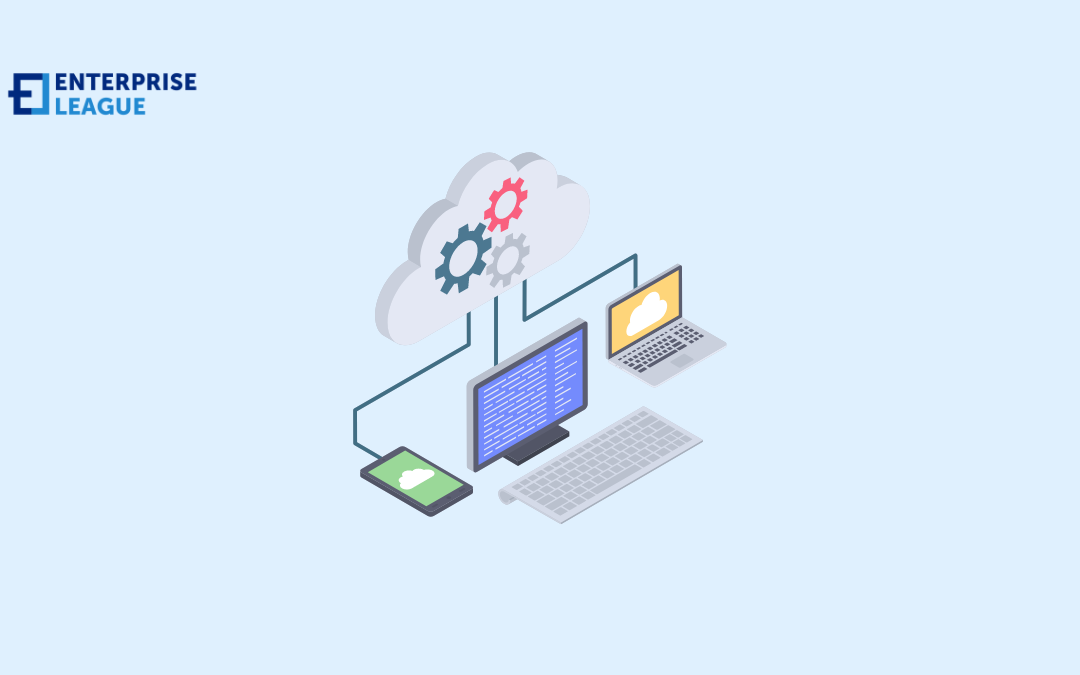
In this constantly evolving digital age, it is expected to learn that some new technology can help your business prosper every day. Innovations are everywhere you look, and it can be challenging to keep up with the continual advancement of technology to identify which technology you should employ.
One way to safeguard your company’s online presence is through the use of a static residential proxy service. But what exactly is a static residential proxy service, and how can it benefit your business?
In this article, we’ll explain what static residential proxy service is and how to determine whether it’s the right choice for your business.
Residential proxy networks, in addition to employing an actual IP address attached to a physical device or home location, make it more challenging to identify because they can use hundreds, if not thousands, of distinct IP addresses. As a result, any connection request you make to your target site will originate from a new device in a different location.
As a result, if you’re scraping data from a website, each access request to their servers will come from a different device worldwide. This way, you can obtain the necessary information without getting stuck or encountering problems such as inaccurate data.
The “static” part of static residential proxies means you are allocated a dedicated IP address while using static residential proxies, which keeps you anonymous online. It is critical to have a static IP address when performing specific tasks – rotating IP addresses could result in a ban or block.
Proxy servers offer more than only allowing you to evade content filters and view restricted content. For business owners, it is critical to be aware that there are numerous benefits to using a proxy server for your business’s operations.
Proxies fuel data collecting that enables businesses to compete at the highest levels in their specific industries, from discovering product attributes with high sales volume to mapping out your industry for current approaches and trending pricing models. Let’s look at a few sectors that utilize proxies.
The digital service sector includes everything from the internet, cell phone, and cable providers to virtual assistants and CRM software, along with any other Software as a Service (SaaS) items. Companies use proxy networks to obtain pricing information, current established solutions, and data from advertising campaigns. Using these insights, a business could adapt costs, promotions, content, and digital marketing campaigns for particular audiences.
eCommerce is a highly competitive market, and employing a proxy to acquire industry data may offer you a competitive advantage. One way that digital retailers are now using this capability is to collect real-time data. Companies that gather this data utilize it to gain a clear image of their target audiences and competitors in order to optimize their actions effectively.
The travel sector is mainly competitive because consumers may have minimal brand loyalty. Decisions could be based solely on price, available trip dates, or personal comfort concerns. Through proxies, data is collected by online travel agencies, travel aggregators, tour companies, and other travel service providers in order to offer more appealing options that convert.
A static residential proxy service can provide valuable benefits to businesses that prioritize online security and privacy. From improved data protection to enhanced browsing capabilities, a static residential proxy service can help your business operate more efficiently and effectively.
If you’re looking for a way to stay ahead of the competition and protect your online assets, consider investing in a static residential proxy service today.
We’ll go over some helpful software tools that are designed to integrate seamlessly with Xero’s platform, from payment gateway providers to project management.
Let’s discuss more about how CSPM tools enhance visibility and control in cloud environments while helping organizations mitigate risks and ensure compliance.
From forgotten recurring charges and payments to the time spent managing multiple users, the cost of shared accounts extends far beyond the monthly bill.
Server colocation is a great way to save on hardware costs, but it also comes with its own share of pros and cons. Read on to learn more about this technology.
Protect your team from UV rays with these sun safety essentials for outdoor businesses. From proper gear to hydration protocols, learn what employees need.
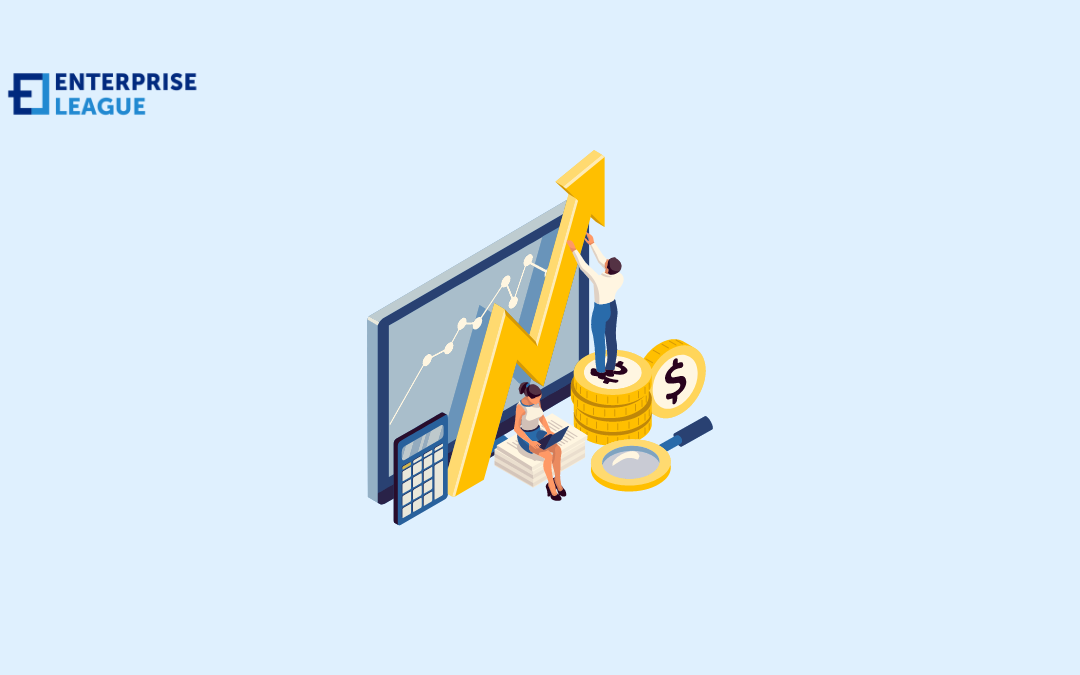
Running a business can be a challenging task because it involves a lot of planning, especially in managing the company’s supply chain. To do proper supply chain management, businesses must be familiar with practicing asset management vs inventory management.
However, according to a report, nearly 50% of small companies use a manual inventory process or need help managing it. Also, regarding asset management, only over 50% of small businesses manage their assets manually or don’t even practice it.
Business owners must understand that these two processes are crucial for their venture, as these help track a company’s assets. Despite their similarities, asset management and inventory management have distinct differences that set them apart.
This article explains what these two terms are and it highlights the key differences between asset management and inventory management.
Asset refers to anything allowing your business to operate and manufacture final products continuously. These assets include furniture, fixtures, machines, equipment, and vehicles. It doesn’t matter whether you own these assets or you lease them.
In summary, assets play a crucial role in the operations of any business and must be effectively managed and maintained for sustained success.
Like inventory management, asset management has its benefits. These are the following.
With the listed benefits, you can ensure that asset management is vital for your enhanced business performance.
Effective inventory management helps businesses minimize costs, reduce waste, and increase efficiency.
It will help if you try warehouse management from Softeon. That way, you can organize the items in their designated areas and write the guidelines for receiving, picking, shipping, and putting them away. If you can practice effective inventory management, you can ensure that you will have several advantages. These benefits include:
It’s best to learn the basics of managing your inventory.
With inventory management, businesses can identify slow-moving or fast-selling items and make informed decisions about ordering and restocking. Inventory management is a crucial process that allows businesses to keep track of their stock levels, sales, and customer demand.
This helps minimize stockouts, reduce excess inventory, and improve overall profitability. Although there is minimal contact with the physical items, maintaining accurate records and staying on top of inventory management is essential to the success of any business.
In addition, inventory refers to short-term investments purchased from suppliers. They are likely to be smaller and inexpensive. The critical management features are inventory tracking, demand forecasting, and returns management.
On the other hand, asset management controls and monitors your organization’s physical assets. It aims to ensure that these assets are used effectively and efficiently. To ensure this, it analyzes your asset’s performance, calculates its value and depreciation, and monitors its obsolescence.
Aside from these, it requires the regular inspection, maintenance, cleaning, and filling of assets. With the help of asset management, you can quickly identify the assets you have that provide more value and which ones increase your liabilities. Remember, unlike inventories, assets are long-term investments. Hence, keeping them in good condition and secure would be best to lengthen their use for your business.
Instead of managing them for just profitability, you also must manage them to increase productivity. The asset management features involve maintenance planning, life cycle management, workload distribution, and asset tracking.
Asset management vs inventory management both help manage your supply chain effectively because they help reduce overall costs, maximizing your return on investment.
Understanding both of them and their differences is essential for you as a business owner. That way, you can choose the proper process for your business. By implementing effective inventory and asset management practices, you can streamline your supply chain and achieve long-term success.
We’ll go over some helpful software tools that are designed to integrate seamlessly with Xero’s platform, from payment gateway providers to project management.
Let’s discuss more about how CSPM tools enhance visibility and control in cloud environments while helping organizations mitigate risks and ensure compliance.
From forgotten recurring charges and payments to the time spent managing multiple users, the cost of shared accounts extends far beyond the monthly bill.
Server colocation is a great way to save on hardware costs, but it also comes with its own share of pros and cons. Read on to learn more about this technology.
Protect your team from UV rays with these sun safety essentials for outdoor businesses. From proper gear to hydration protocols, learn what employees need.