Finding reliable janitorial services that operate nationwide is essential for companies with multiple locations. Using a single national provider helps businesses maintain consistent cleaning standards across different sites while keeping costs manageable. Many...
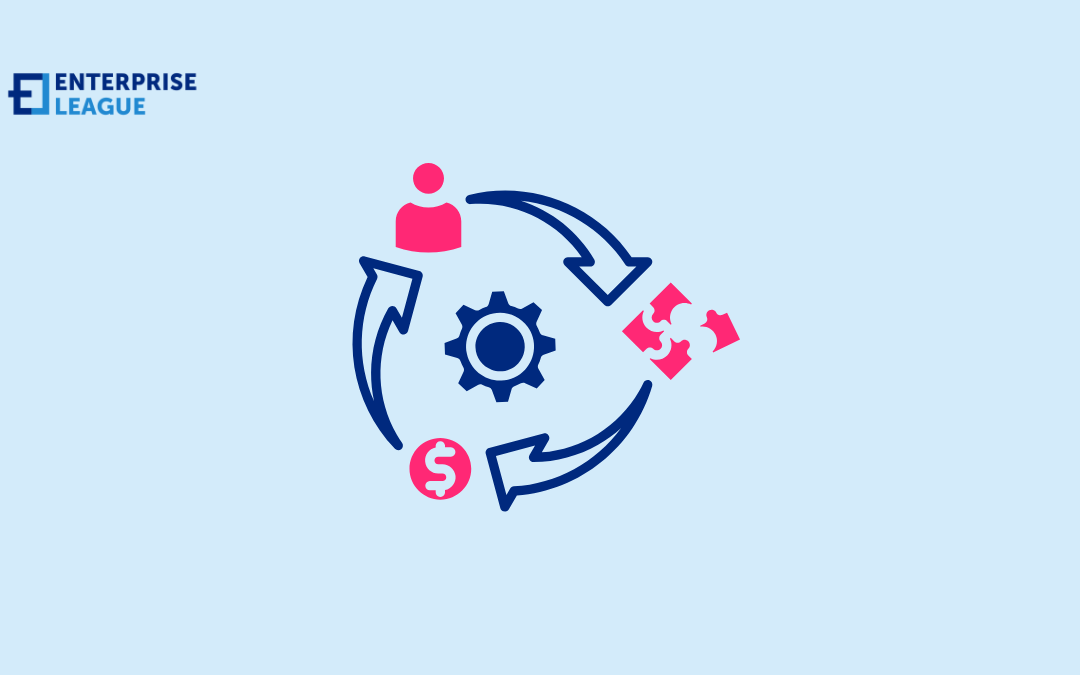
Retail business model fundamentals and best practices
With a market size value predicted to reach USD 40.735 Trillion by 2030, retail remains one of the most familiar business models. Despite major changes in shopping habits and technology, people still value the simple experience of finding what they need in a physical store. From retail startups testing new ideas to established department stores, this model continues to shape how most of us buy our everyday items.
How retail business model works
The basics of the retail business model are pretty simple. Shop owners stock their stores with items they buy in bulk from suppliers. They price these items higher than what they paid, which creates their profit. Good retail owners pick products people actually want, keep their prices reasonable, and make sure they have enough items in stock. That’s really all there is to it, buy wholesale, sell retail, and make money on the difference.
Core principles of retail business model
The retail model relies on a few key factors to work well. Picking the right products takes research and knowing your market since guessing what people might buy is risky. A store’s success also depends heavily on finding that middle ground with pricing, especially when dealing with tough competition.
Most shop owners find that maintaining just enough inventory, choosing a busy location, and training friendly staff make the biggest impact on their sales. These parts might seem obvious, but plenty of retail stores struggle when they miss even one of them. Beyond these basics, getting customers and increasing sales requires smart marketing, great service, and an engaging shopping experience that makes people want to return.
Building the right retail business
Creating a retail store that stands the test of time starts with laying the right groundwork, from planning to execution.
- Market research: Look at what similar stores are doing in your area, who shops there, and why some stores do better than others. Your gut feeling isn’t always right
- Financial planning: Calculate how much money you need to start, including extra cash for those first few slow months. Many stores fail because they run out of money too soon
- Supplier relations: Find reliable suppliers who deliver quality products on time and at good prices. Bad suppliers can ruin your reputation quickly
- Staff selection: Hire people who care about customer service and train them well. Good employees make customers want to come back
- Store layout: Design your store to make shopping easy and enjoyable. A well-organized shop helps customers find what they want and often buy more
Getting these fundamentals right early on saves you from costly mistakes later, giving your store a better chance at long-term success.
Retail vs. E-commerce
A brick-and-mortar retail store operates quite differently from an online shop, with each having its own advantages for both business owners and customers.
- Business Costs – Physical stores deal with rent, utilities, and store maintenance, while online shops spend money on website hosting and digital marketing. Running a local store usually costs more
- Customer Experience – Store shoppers can touch products, try things on, and take items home right away. Online buyers rely on photos and reviews but enjoy shopping from their couch
- Stock Management – Local stores must carefully manage limited shelf space and keep products organized. Online retailers can list thousands of items without space limits
- Market Reach – Physical stores mainly serve local customers who can visit in person. Online shops can sell to people anywhere, though shipping costs affect their reach
- Personal Service – Retail stores offer face-to-face help and immediate problem-solving. Online shops provide convenience but lose that personal touch
The choice between retail and e-commerce often comes down to what you’re selling and who you’re trying to reach, with many businesses now choosing to do both.
Conclusion
While opening a physical store costs more than selling online, many customers still prefer shopping in person, touching products, and getting help from real people. Smart store owners know their local market, keep costs under control, and create an experience that keeps shoppers coming back. Whether you’re focused on getting your product in stores or building customer loyalty, success comes down to planning, execution, and adapting to changing consumer trends. With good strategy and attention to the basics, retail stores can still thrive, even as online shopping grows more popular.
More must-read stories from Enterprise League:
- Why hiring millennials might be the best decision you can ever make.
- Proven and tested psychological tactics for successful marketing.
- Getting your product in stores doesn’t have to be complicated.
- Entrepreneurs over 70 that have defiled old age.
Related Articles
Where Can I Find Affordable Janitorial Services With Nationwide Reach?
read more
Meta Whale Reviews: A Frank Perspective
Hearing about yet another crypto initiative mentioning the metaverse, DAO, and DeFi often leads people to dismiss it immediately. Bold promises, flashy announcements, and in many cases, just another hollow concept. Meta Whale, however, proved to be more than it first...

Rethinking Operational Efficiency in the Modern Law Firm
Operational efficiency in law firms has grown from an internal concern into a strategic driver of client value, organizational resilience, and long-term growth. As client expectations rise, operations grow more complex, and business models change, successful firms are...

6 B2B Lead Finder Tools That Help You Book More Meetings
Sometimes, all it takes is one meeting to get your big break. To get there, you have to send out dozens of emails, follow up politely, and even try to personalize your approach for maximum engagement. But, if you aren't talking to the right people, it doesn't matter...

Realmo brings commercial real estate analytics to Main Street, expanding its AI navigator to over 9 million U.S. properties
[Boston, MA: 25 Nov 2025] A next-generation commercial real estate decision-support platform Realmo announces today an expansion of its database to over 9 million commercial properties across the U.S. This milestone provides investors, sellers, and deal-makers with an...