How advanced wastewater treatment is shaping the future of sustainability

How advanced wastewater treatment is shaping the future of sustainability

How advanced wastewater treatment is shaping the future of sustainability

July 03, 2024

Advanced wastewater treatment is shaping the future of sustainability

Traditional methods of treating wastewater are being challenged by tough environmental regulations, constraints on resources, and the need to achieve sustainability goals. Moreover, climate change is intensifying the frequency and severity of droughts, further stressing water resources and necessitating advanced treatment solutions.

In response, the wastewater treatment industry has adopted innovative technologies that promise more efficient treatment of wastewater and more sustainable water management: membrane bioreactors (MBR), advanced oxidation processes (AOP), automation guided by artificial intelligence (AI), and dissolved air flotation (DAF).

Membrane bioreactors

Instead of multiple stages, membrane bioreactors (MBRs) treat wastewater in one step. They combine biological breakdown of pollutants with ultra-fine filters to remove contaminants. Before diving deeper into MBR performance, it helps to clarify what wastewater is, where it originates, and how domestic and industrial streams differ, read more about wastewater, to better understand the contaminants these systems are designed to remove. This allows MBRs to clean large amounts of wastewater in less space. 

The cleaned water is safe for release or reuse, reducing environmental impact.  Their adaptability makes them easy to integrate into existing plants, boosting treatment capacity. MBRs are ideal for crowded cities with strict water quality standards due to their small size and ability to handle changing flow rates.

Advanced oxidation processes

For streams of wastewater containing persistent organic pollutants and contaminants that resist conventional methods of treatment, advanced oxidation provides a robust solution. AOPs effectively treat industrial effluents, pharmaceutical residues, and even microplastics. By breaking down complex pollutants into harmless byproducts, AOPs significantly improve water quality. These processes utilize powerful oxidants such as ozone, hydrogen peroxide, and ultraviolet light to degrade contaminants, ensuring the treated water meets stringent environmental standards.

The versatility of AOPs makes them applicable to a wide range of industries, from chemical manufacturing to pharmaceuticals, ensuring cleaner effluents and reduced environmental footprints.

AI-driven automation

Artificial intelligence is revolutionizing wastewater treatment. AI algorithms analyze real-time sensor data and monitor systems in order to automatically optimize chemical dosing, energy consumption, and equipment performance. This approach improves efficiency and reliability while also reducing energy consumption, operating costs, and impact on the environment.

AI can predict maintenance needs, preventing unexpected equipment failures and reducing downtime. The integration of AI in wastewater treatment facilities enhances decision-making processes and operational efficiency, leading to better resource management and improved treatment outcomes.

Dissolved air flotation

Dissolved air flotation (DAF) is an efficient wastewater treatment method that uses microscopic air bubbles to remove pollutants. The process begins by saturating water with pressurized air. When pressure is released, tiny bubbles form and attach to contaminants like oils, grease, and solids. These bubble-particle combinations become buoyant and float to the surface, where they’re easily skimmed off.

DAF is versatile, serving as either primary treatment or pretreatment. It’s particularly effective for highly turbid water and industrial waste. Compared to alternative methods, DAF requires fewer chemicals and produces less sludge, making it environmentally friendly. This technique is especially valuable in industries generating oily waste, such as food processing and oil refining. DAF leaves water cleaner for subsequent treatment or reuse, contributing to more sustainable water management practices.

More sustainable water management

Innovative technologies like MBRs, AOPs, AI-driven automation, and DAF represent a significant shift toward more sustainable management of wastewater. They make treatment more efficient, improve water quality, conserve resources, and make strides toward achieving the United Nation’s goals for sustainable development. By integrating these advanced technologies, wastewater treatment plants can transition from being mere waste disposal systems to becoming vital components of the circular economy.

These technologies enable the recovery of valuable resources such as clean water, nutrients, and energy from wastewater, contributing to resource efficiency and environmental sustainability. As we continue to innovate and adopt these cutting-edge solutions, the future of wastewater treatment will be marked by enhanced sustainability, resilience, and environmental stewardship.

Conclusion

Advanced wastewater treatment isn’t just about cleaning up our water; it’s about redefining what wastewater truly is. By transforming it from a waste product into a valuable resource, we’re taking a significant step towards a more sustainable future.  Treated wastewater can quench the thirst of our growing cities, replenish dwindling freshwater supplies, and even provide valuable nutrients for agriculture. 

This innovative approach not only safeguards public health but also fosters a circular economy, where resources are continuously recovered and reused.  As advanced wastewater treatment continues to evolve, it has the potential to revolutionize how we manage our water resources, ensuring a cleaner and more sustainable future for generations to come.

More must-read stories from Enterprise League:

Related Articles

Can I Get a Quote for Storage Container Rental in Arizona

Can I Get a Quote for Storage Container Rental in Arizona

Storage containers can be a lifesaver when you're running a construction project in Phoenix, setting up a pop-up retail location in Tucson or clearing space at home. Choosing storage container rental in Arizona gives you secure, flexible space without the hassles of...
read more

Choosing the best term deposit calculator: Features to look for

Choosing the best term deposit calculator: Features to look for

Choosing the best term deposit calculator: Features to look for

July 02, 2024

Features to look for when choosing the best term deposit calculator<br />

Let’s say you have an idea of establishing a business in the next five years. Since you’re still working out more details about your startup, you decided to start saving money for the capital through a term deposit. For those of you who have little to no knowledge about term deposits but are interested in getting one, then this is for you.

What are term deposits

Term deposits (TDs), from the name itself, refer to depositing money into an account as a form of fixed-term investment. Usually, it has a short-term maturity ranging from months to a few years before you can withdraw it, which makes it one of the most effective ways to maximize your savings. Depending on the financial institution you’re depositing it at, term deposits have different levels of required minimum deposits along with a fixed interest rate.

One important thing you need to understand about time deposits is that you can only withdraw the funds after the term ends, or else you will be penalized if you choose to terminate it early. A tool called a term deposit calculator is used to understand your term deposit investments, but since there are a variety of those tools online, it can be pretty daunting to choose from. With that said, we’ll share with you some tips and features to look out for in term deposit calculators to ensure that you have a safe and secure savings journey.

What features should I look at when choosing the right term deposit

The right term deposit calculator should give you the best results in line with your financial goals, and here are a few essential features to take note of:

  • Input flexibility: One of the first things you need to look at is if the term deposit calculator allows you to key in your desired deposit amount, term length, either in months or years and the anticipated interest rate. It must be flexible with your inputs, with some of them even allowing you to calculate the potential fees attached to the time deposit.
  • Compound interest options: This is what they call the “interest on interest” earned when you make a deposit, and any reliable time deposit calculator should allow you to compute at least a single or compound interest depending on the deposit you choose.
  • Tax implications: Calculating the tax implications on your TD earnings provides you with a clearer picture of your potential return, though not all calculators offer this feature.
  • Maturity value breakdown: Finally, one of the best features an ideal term deposit calculator can offer you is the ability to see a breakdown of your maturity value, which includes your initial deposit, the interest you’ve earned, and the final value you’ll be receiving upon your deposit’s maturity.

Advanced features you need to check for informed decisions

The aforementioned are the more popular features of term deposit calculators, and there are a lot of advanced ones that you can check out for a better analysis of your planned term deposit.

  • Interest rate comparison: We’ve mentioned before that interest rates vary depending on which financial institution you plan to make your deposit, and in line with this, there are a few reliable calculators. Through this feature, it allows you to assess and compare your prospective institutions’ rates.
  • Early withdrawal penalty calculation: Investors who choose to withdraw before their deposits reach maturity often suffer early withdrawal penalties. A reliable term deposit calculator will factor in these penalties in case you need to withdraw your funds prematurely, thus providing you with a realistic figure of your losses and gains.
  • Automatic renewal options: You should also keep in mind that some term deposits offer instant renewal upon reaching maturity, and with that said, the calculator should also give you an idea of how much the renewable fee will cost. This helps you make more informed decisions should you wish to continue your deposit or opt to withdraw your funds.
  • Tax withholding options: Since we mentioned that some term deposit calculators can provide you with the tax implications of your earnings, it also goes to show that certain calculators can also provide you with an estimate of the tax withheld on your interest earnings.
  • Customization options: Lastly, certain term deposit calculators offer customization options based on your preferences, goals, and risk tolerance.

Conclusion

Selecting an appropriate term deposit calculator can significantly aid your investment planning. Nevertheless, it’s crucial to recognize that this tool is just one component of a broader financial strategy. For optimal results in reaching your financial aspirations, combining calculator insights with professional financial advice is often the most prudent approach.

More must-read stories from Enterprise League:

Related Articles

Can I Get a Quote for Storage Container Rental in Arizona

Can I Get a Quote for Storage Container Rental in Arizona

Storage containers can be a lifesaver when you're running a construction project in Phoenix, setting up a pop-up retail location in Tucson or clearing space at home. Choosing storage container rental in Arizona gives you secure, flexible space without the hassles of...

read more

9 crucial IoT implementations across industries

9 crucial IoT implementations across industries

9 crucial IoT implementations across industries

July 01, 2024

Crucial IoT implementations across industries<br />

The Internet of Things (IoT) is revolutionizing the way we interact with our surroundings, transforming industries, and reshaping daily life. By connecting everyday objects like appliances, vehicles, and industrial equipment to the internet, IoT enables them to collect and exchange data, communicate with each other, and operate more intelligently.  This interconnected network of devices spans homes, cities, factories, and more, creating a digital ecosystem that is constantly evolving and adapting.

IoT allows for enhanced control, efficiency, and data-driven decision-making across these domains. It enables the automation of routine tasks, real-time monitoring of critical systems, and optimization of resource use. By interconnecting devices and systems, IoT is creating a more intelligent, responsive, and efficient world, fundamentally changing how we interact with our environment and manage various aspects of daily life and business operations.

Smart home applications

IoT enables remote control of household devices via smartphone or voice. Smart lights offer on/off and brightness adjustments. Thermostats learn preferences and auto-regulate temperature. Locks allow remote guest access. Cameras and sensors detect issues and send alerts. You can even manage appliances like washing machines and ovens from afar.

Tackling industrial issues

Smart sensors in manufacturing facilities monitor machine performance, predicting maintenance needs to avoid costly breakdowns. These sensors also track inventory, triggering automatic reorders. On production lines, networked robots and equipment exchange information for seamless coordination. Analysis of IoT-gathered data streamlines processes.

Internet of Things application development enables businesses to harness these technologies, enhancing industrial efficiency. Developers create applications that connect with IoT devices, process sensor inputs, and automate tasks based on real-time data from linked machinery.

Healthcare

IoT wearables such as smartwatches track health metrics and movement. This information is transmitted to physicians for ongoing assessment of long-term illnesses. Hospitals utilize intelligent beds and medication dispensers to assist with patient care. IoT systems also manage medical device and pharmaceutical inventory. During crises, IoT sensors help triage critical patients and optimize emergency response resources.

Safe driving

Connected cars use IoT to share data about traffic, road conditions, and potential hazards with drivers. Vehicle sensors detect if you’re driving erratically and warn you or others. Self-driving cars rely on IoT connectivity. IoT vehicle tracking optimizes fleet routing, schedules maintenance, and monitors for theft.

Smart cities

Smart streetlights brighten when sensors detect pedestrians nearby but dim to save energy when empty. IoT environmental sensors monitor air/noise pollution levels. Smart meters track utility usage. Camera/sensor networks aid traffic management, parking, and emergency response coordination. Cities also use IoT for smart waste collection and infrastructure monitoring.

Waste management

IoT bin sensors detect fill levels and optimize collection routes, reducing fuel/emissions. Smart compactors maximize container capacity. Tracking waste streams with IoT enables better recycling and reuse. At facilities, IoT controls and reports on equipment like weighbridges and compactors.

Supply chain

RFID and GPS sensors let companies track shipments, vehicles, employees, and assets in real-time. Sensors monitor conditions like temperature and humidity for perishable goods. IoT automation helps with routing, warehouse operations, and inventory forecasting based on demand data.

Agriculture and pest control

Moisture sensors determine if crops need watering, reducing waste. Drones use IoT connectivity to survey fields and detect pests/disease early. Livestock wearables track health and monitor breeding cycles. Smart greenhouses automate lighting, humidity, and temperatures. Precision farming uses IoT analytics to optimize yields.

Environment

IoT air/water quality sensors measure pollution levels and send alerts when problems arise. Forest cameras detect wildfires. Sensors monitor soil conditions, rainfall, and marine environments. Smart meters and IoT building controls help reduce energy/resource consumption. Animal bio-loggers aid conservation research.

Conclusion

The Internet of Things is transforming many aspects of our world by connecting everyday devices and allowing them to share data. In our homes, IoT makes life more convenient by letting us control appliances remotely. IoT sensors in factories, healthcare, transportation, and cities help operate more efficiently while improving safety. Environmental monitoring with IoT provides valuable data to tackle issues like pollution, conservation, and resource management. Agriculture also benefits from precision farming enabled by IoT technology. Although IoT is still an emerging field, it is rapidly expanding into new areas and will only become more integrated into our lives. The interconnectivity and data analysis capabilities of the Internet of Things have the potential to create a more sustainable, productive, and convenient future.

More must-read stories from Enterprise League:

Related Articles

Can I Get a Quote for Storage Container Rental in Arizona

Can I Get a Quote for Storage Container Rental in Arizona

Storage containers can be a lifesaver when you're running a construction project in Phoenix, setting up a pop-up retail location in Tucson or clearing space at home. Choosing storage container rental in Arizona gives you secure, flexible space without the hassles of...

read more

17 signs of a bad boss that should raise the alarm

17 signs of a bad boss that should raise the alarm

17 signs of a bad boss that should raise the alarm

June 29, 2024

Signs of bad boss

Dealing with a bad boss in the workplace is not just a challenge for the employees but it affects the entire organisation. So knowing how to recognise the signs of a bad boss is necessary in order to avoid a major disaster. 

There are two possible outcomes of seeing the signs of a weak manager and raising the flag:

  • It will be taken seriously, inspected and dealt with, or
  • Your claims will be dismissed and eventually, you’ll have to part ways.

Healthy organisations will recognise the threat that lies in having a bad boss and will take action to help them polish their leadership skills or show them the door. On the other hand, companies with a toxic culture will continue as if nothing happened and only make things worse. If you’re a mere employee, you better steer clear from such companies.

17 apparent signs of a bad boss

We already know the traits that make a good boss and business owner, but let’s take a look now at the indicator signs of a weak manager.

Not appreciative of employee feedback

One of the warning signs of a bad boss is that they don’t appreciate employee feedback. If an organization has no policy for employees to give anonymous suggestions or feedback to the highest on the pole then it is a clear sign that the management isn’t interested in it.

When employees ignore policies enforced by the management this implies that they’re in disagreement with the policies and apparently don’t respect the CEO or upper management.

Frequent turnover may indicate a problem with the management. If the salary is above average for the position and still the turnover is beyond the industry standard for that position you reasonably have a problem with the management.

Daniel Foley, CEO of Daniel Foley Marketing Agency

Having a lack of clarity

An alarming sign of a weak manager – lack of clarity. Clarity of purpose, mission, strategy and personal management philosophies are critical for success. A leader who lacks clarity, one who either changes his/her mind too frequently, one who is confused or lacks the fortitude to stick with the direction, will lead the company into the ground. Clarity of purpose and the strength to stick with it are indicators of sustained success.

Ravi Kathuria, Founder of Cohegic Corporation

Publicly criticising employees

One sign of a bad boss is when they give public criticism of their employees. While public praise can make an employee feel valued and respected, public criticism is just cruel. Constructive feedback should be shared in a private space, even if it’s something as small as a correction on email formatting. Keeping criticisms private shows respect for your employees as people, and will motivate them to improve.

Yuvi Alpert, Founder of Noémie

Excluding team members from meetings

A critical sign of a bad boss is that they exclude certain members of the team from meetings that are important for that person’s performance and to do their job to the best of their ability. The root of such behavior is insecurity. The person they are excluding is often perceived as a threat to the boss’ position, so they will intentionally make decisions that will sabotage the excluded team member’s success. They will also limit access to tools, information and even people in an attempt to sabotage the employee.

Michelle Horlbogen, CEO of The Gentlewoman Boss

Unhappy employees

The first sign of bad management can be seen through the reactions of the employees. If workers aren’t happy, this means that something is wrong with the management. When people constantly leave and resign, this is another red flag. No one wants to stay in a company that treats people badly. Also, when a company constantly gets in trouble, it means that they’re making the wrong decisions. This affects the employees as well since bad decisions can lead to a company closing in a blink of an eye.

Michael Humphreys, Founder and CEO of Z Grills Australia

Constantly micromanaging

In 2019, we lost close to $500K in revenue, which was attributed to lack of delegation. I used to follow up with each employee instead of allowing them to display their potentials and own the process. When I hired an independent HR to audit what was going on, my employees were not happy with my management style. And since we changed this, we have realized double-digit growth.

Today, we only set the overall company objectives and each employee is required to set their own targets and goals based on the company objectives. In this way, they own the process and feel proud of their achievements.

Ronnie Teja, CEO at Branzio

Bad task dissemination

An alarming sign of a bad boss is when he doesn’t know how to effectively manage his subordinates in terms of task dissemination. As a leader, you have to learn how to delegate tasks fairly and make sure that all employees comply with their assignments. An unfair workload may result in employees quitting their jobs and maybe resulting in burnout.

William Taylor, Senior Recruitment Advisor at VelvetJobs

Not respecting time off

When it comes to signs of bad management, as an employee, you should be alarmed if they don’t respect your time off.

To have your work done with the highest quality, the employee should organize their time efficiently. When they work in the office, they need to concentrate on their company tasks. However, each of us needs to maintain a proper life balance and keep track of our time off. Managers should respect that and make sure their personnel is healthy and well-rested. If they start calling you during the weekend and ask for some reports, that might be a sign that it’s time to quit.

Cristina Moraru, Digital Marketing Assistant at Media Training

Overpromising and underdelivering

One sign of a bad boss is overpromising and under-delivering. A good leader is fully aware of what is and isn’t possible and they do not make statements for the sake of manipulating, coercing or smothering their reports. Overpromising and not delivering creates mistrust and toxic work culture in which people normalize things like not meeting deadlines, unaccountability, and lying.

Paul French, Managing Director at Intrinsic Search

Focusing on the negative

A prolonged focus on the negative is one sure sign of bad management. These types of managers only focus on what’s not working instead of what is. By consistently focusing on the negative, these managers affect employee morale and tend to dismiss new ideas, thereby stifling growth. They tend to be dismissive of their staff and never offer warm or encouraging words of praise, often putting employees in their place. As negativity is their predominant attitude, they might also end up being sarcastic (which is not conducive for productive meetings) and might even engage in rude and insulting behaviour.

Donna Atanasova, Marketing Specialist at myPOS

Not listening to reports

When managers have too much pride and won’t listen to their direct reports, the lagging indicator is usually bottom line. Early indicators are volatile or rocky team meetings, especially if there are tensions boiling around seemingly innocuous discussions or simple decision-making processes. When employees find themselves in a situation with a manager who is unwilling to listen to feedback, regardless of where it comes from or whether this is positive or negative, it’s a sign of bad management as opposed to a reflection on the employee themselves.“

Markus Goess Saurau, Co-Founder of Sönd

Inability to motivate the team

One alarming sign of bad management is not being able to motivate the team. Often this happens from not having clear goals. The tram is wandering without purpose like in a swamp, not knowing where they are, where they want to go and what needs to happen to get there.

If the team isn’t excited about the product/service they create, about the process that leads to production, how are they going to motivate buyers and users? High-performance team is fired up. Not knowing how to fire up your team is a sign of lack of management skills.

Natalie Luneva, SaaS growth and team performance coach at Natalie Luneva

Low emotional intelligence

When a leader has low emotional intelligence i.e. is out of touch with themselves and the world around them, they aren’t an effective leader, but instead, a bad boss. This lack of self and social-awareness, curiosity, and self-confidence can be seen in their inability to listen, control their emotions, embrace humility over authority, and guide and empower their team and people through asking insightful (non-leading) questions.

Brittney-Nichole Connor-Savarda, Founder of Catalyst 4 Change

Unreached company goals

If the business is not reaching its goals most likely the management is faltering. There are a lot of moving parts with varying degrees of responsibilities and importance with goals and deadlines. If the team is experiencing so many drawbacks, this is likely trickling down from management.

Daniel Shapiro, Founder and CEO of Fourlaps

Not taking ownership of issues

The most common sign of a bad boss, in my experience: They blame others instead of taking ownership of issues.

As a manager, your job is to make sure the team functions successfully, and take steps to fix the problem when it’s under-performing. It may be productive to identify who caused an issue in the workplace, mostly so you can work with them and keep it from happening again, but it’s a red flag if the boss’ first impulse in response to a crisis is to point the finger instead of looking for solutions.

The real problem here is that the boss has the wrong mindset. They’re concerned with the appearance of success rather than doing the hard work of achieving it. Someone who wants the best for their team and company will do what it takes to improve it, and that means admitting their faults and owning up to their mistakes. Someone who gets defensive in response to criticism is more concerned with their own ego than the good of the team.

Matt Erhard, Managing Partner at Summit Search Group

Rejecting all ideas

You can tell you have a bad boss when they reject nearly all of your ideas. Dedicated team collaboration is the key to building something that lasts, and that collaboration is founded on great communication, mutual trust, and respect. If a boss refuses to consider any of their employees’ ideas, it shows that they lack the respect and trust necessary to build a strong team.

Vincent Bradley, CEO and Co-Founder of Proper Wild

Creates a toxic company culture

If your team just seems flat and uninterested in their work, that’s mostly because of the bad boss that creates a toxic company culture. When many businesses think of toxic cultures, they immediately assume it’s all about high staff turnover and high conflict. But in truth, many toxic cultures are actually flat and see teams just coast in their roles rather than take an active interest.

The low-energy toxic company culture can see teams with no enthusiasm about the product or service you provide, let alone your customers.

Lizzie Benton, Founder and Culture Consultant at Liberty Mind

More must-read stories from Enterprise League:

Related Articles

Can I Get a Quote for Storage Container Rental in Arizona

Can I Get a Quote for Storage Container Rental in Arizona

Storage containers can be a lifesaver when you're running a construction project in Phoenix, setting up a pop-up retail location in Tucson or clearing space at home. Choosing storage container rental in Arizona gives you secure, flexible space without the hassles of...

read more

10 marketing automation examples businesses must know

10 marketing automation examples businesses must know

10 marketing automation examples businesses must know

June 29, 2024

Marketing automation examples

Marketing automation continues to push forward its influence on digital marketing and when utilized in the right manner, it can be largely beneficial and valuable method that can assist businesses in creating increased web traffic and leads. 

Now, this is something that will eventually lead to increased sales volume, while also reduce unnecessary headcount or redundant activities. 

But how big of an impact can marketing automation possibly have? A study from Forrester reveals businesses investing in marketing automation tools are predicted to reach a growth of $25.1 billion by 2023.

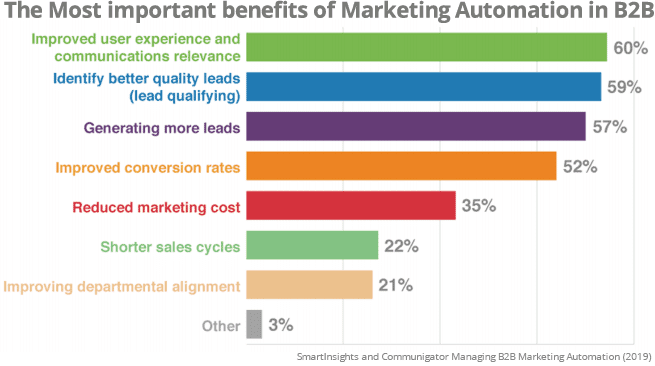
Marketing Automation graph

10 marketing automation examples

For those B2B leaders keen on investing or considering marketing automation, here are 10 marketing automation examples worth reading through (and possibly adopting in the future!)

Lead nurturing and email marketing software

About 96% of website visitors come unprepared to buy and when these new leads enter the system, how can one ensure they become acquainted as customers?

Well, most companies handle this by hand, but it mostly results in multiple phone calls and email correspondence. However, the loophole in this procedure is automating those email correspondence along with other tactics.

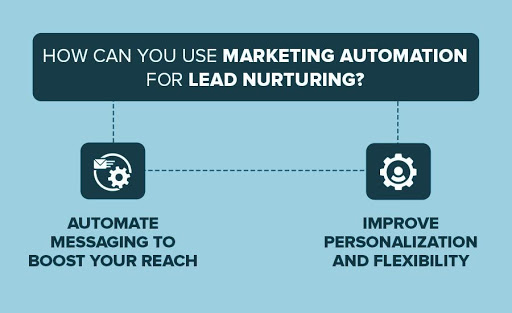
Lead nurturing with marketing automation example

As marketing automation utilizes email sequences for informing and educating those leads, it enables you to add sales-focused materials and move them closer to sealing the deal with email marketing.

Centralize social media via automation

Mapping out various asset publication over several media channels can get quite messy, particularly in the absence of a centralized tool for managing those channels and assets. 

This is exactly where social media automation helps in saving tremendous time and provide consistency across those social platforms for your business as many of its tools can proactively monitor your brand mentions and/or alert you of interesting topics. If you want to easily manage your social ad campaigns on Facebook and Instagram we suggest to utilize some kind of PPC management software like Adplorer.”

Hence, the presence of an automated tool for scheduling and publishing content across various, if not all social media platform remains unmatched.

Onboarding new customers 

A concerning task for SaaS companies is getting those trial and fresh customers to understand your software and integrate it well into their business plan. 

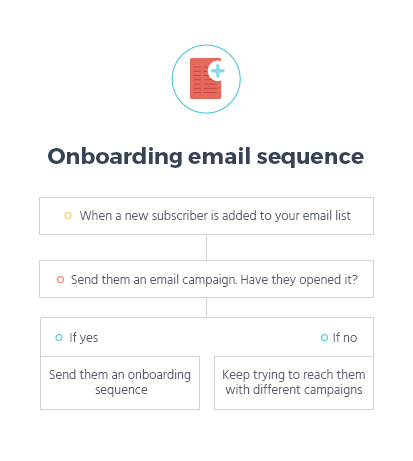
Through marketing automation, you’re able to send off a chain of automated emails that walk the customers through the use of your product and offer reliable advice to help them maximize their investment. Onboarding doesn’t just mean integrating a few features; it requires a smart, structured approach. One powerful method is using client onboarding SAAS to streamline this process. These tools guide new users through your software’s capabilities, ensuring they transition from novices to proficient users effortlessly. For SaaS businesses targeting expansive growth, it’s crucial to optimize customer experiences right from the first interaction.

Onboarding email sequence

Buyer intent engagement

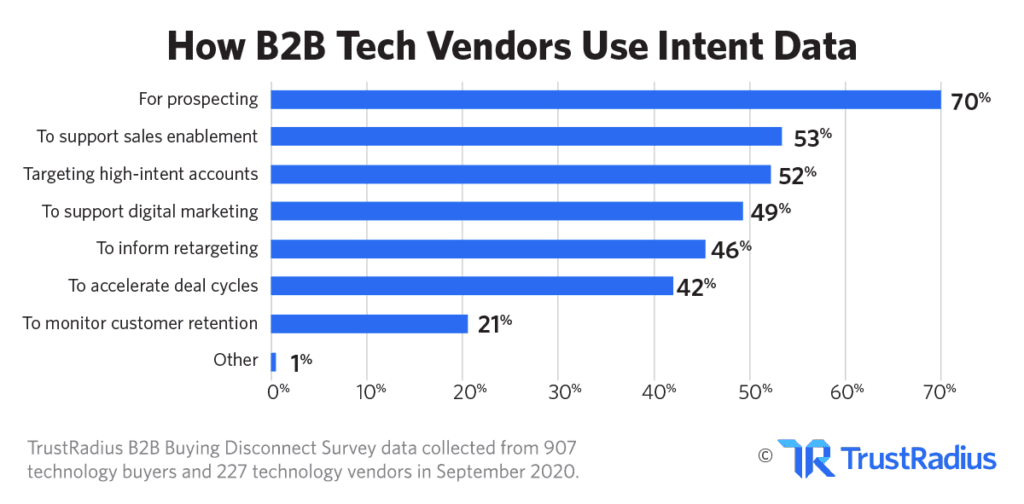
Another instance of marketing automation executed fluently is engaging with companies and contacts with an interest in your products/services through an automated manner. 

This leads us to buyer intent vendors. These vendors look for trends within the web behavioral organization to detect variances in comparison to historic trends. 

There are several vendors found within the buyer-intent space and when utilized properly, it can require minimized human interaction while producing increased results.

Action-triggered notification on sales

It’s no surprise that certain web pages are visited by leads that share a high interest in your product and these pages could be anything from price page to terms and conditions. 

Visits to any of these pages could indicate a possible purchase from the customer’s end, hence, failing to contact them during this time can result in a huge missed opportunity.

By utilizing emails to contact leads that visit your page with sales materials, it helps your business to familiarize with buy-ready prospects and capitalize on that.

Reducing churn rate via automation

For SaaS or other companies with monthly product subscription, churn remains a serious issue as securing continuous customer subscription is incredibly essential for growing a stable and reliable revenue stream.  
Companies in the field are fiercely competitive, all vying for valuable B2B partnerships which can be made easier by implementing a SaaS SEO strategy. This will allow you to grow leads, generate sales and improve online marketing funnels.

As customers often cancel subscriptions for various reasons, automating the questioning process when they cancel helps in reducing your churn rate.

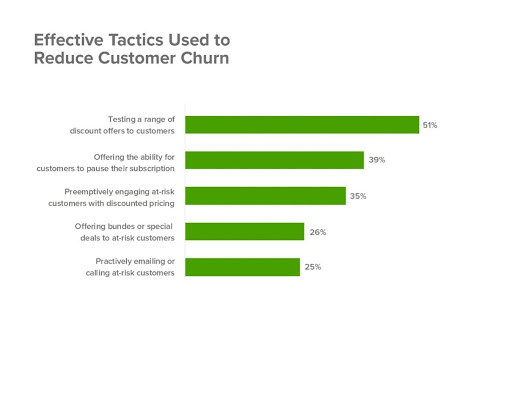
Effective tactics used to reduce customer churn

Offering a discount to those that cancel is a great start for reducing the churn rate and let’s not forget, it’s an excellent automation task as handling it by hand is extremely time-consuming. 

Managing CRM data

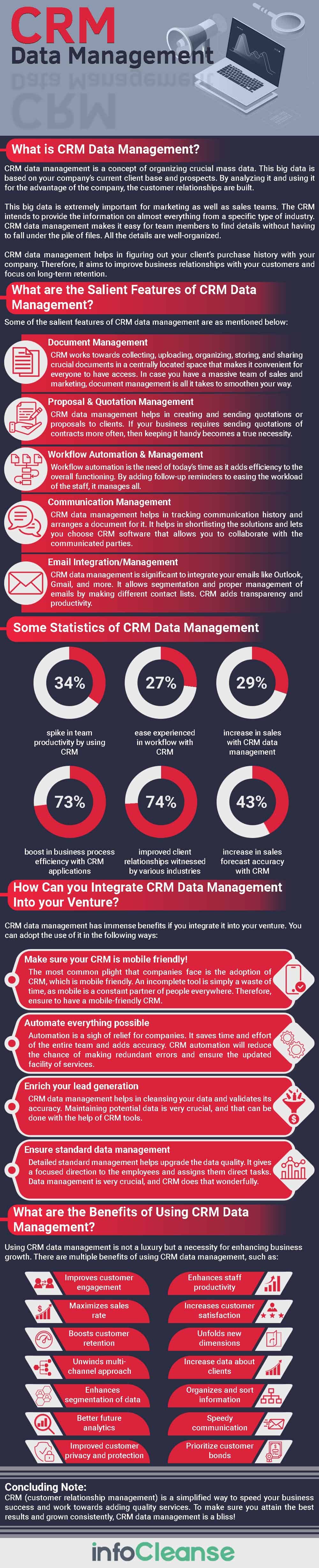
Clean data is extremely vital for maintaining effective marketing campaigns, however, CRM database gets messy in an instant – this is something marketing automation tools can help out with. 

Such an automation tool is offered by our member ZoomInfo. Their tool automatically updates or appends the CRM records based on your specified rules. With clean data, sales and marketing teams can interact at the right time with the right crowd.

But there are several data fields you should keep intact, such as contact and company owner, phone, lead source, company revenue, and employee count, etc.

Referral marketing and B2B customer retention

Referral marketing is no doubt the best source for many companies to garner new leads. After all, nothing can beat the legitimacy of a product recommended by a trusted friend/source. 

So, why not automate those mundane tasks involved in performing referral marketing operations? You can offer discounts for customers that refer to products and track those referrals through automation.

While promoting referral program via regular broadcast emails helps in informing new customers about the program and its benefits.

Relevant content

For leads that are already interested in your product/service, the key to keeping them further engaged is ‘relevance’. 

As such, automating the dispatch of relevant content is worth the keep as it educates them and narrows the amount of information they receive from your end. 

By blocking out other emails and putting more focus on the product/service of their particular interest, you’ll be able to rope them in and move them further down the tunnel while qualifying their interest.

Automated website live chat

Live website chats are great for capturing leads, but a recurring issue here is employing someone to oversee the live chat. Now, for those with an existing hectic customer support team, this will surely take up enough time to hinder daily duties.

However, thanks to marketing automation, today various solutions enable B2B businesses to maintain a beneficial live chat without hiring employees to oversee it.

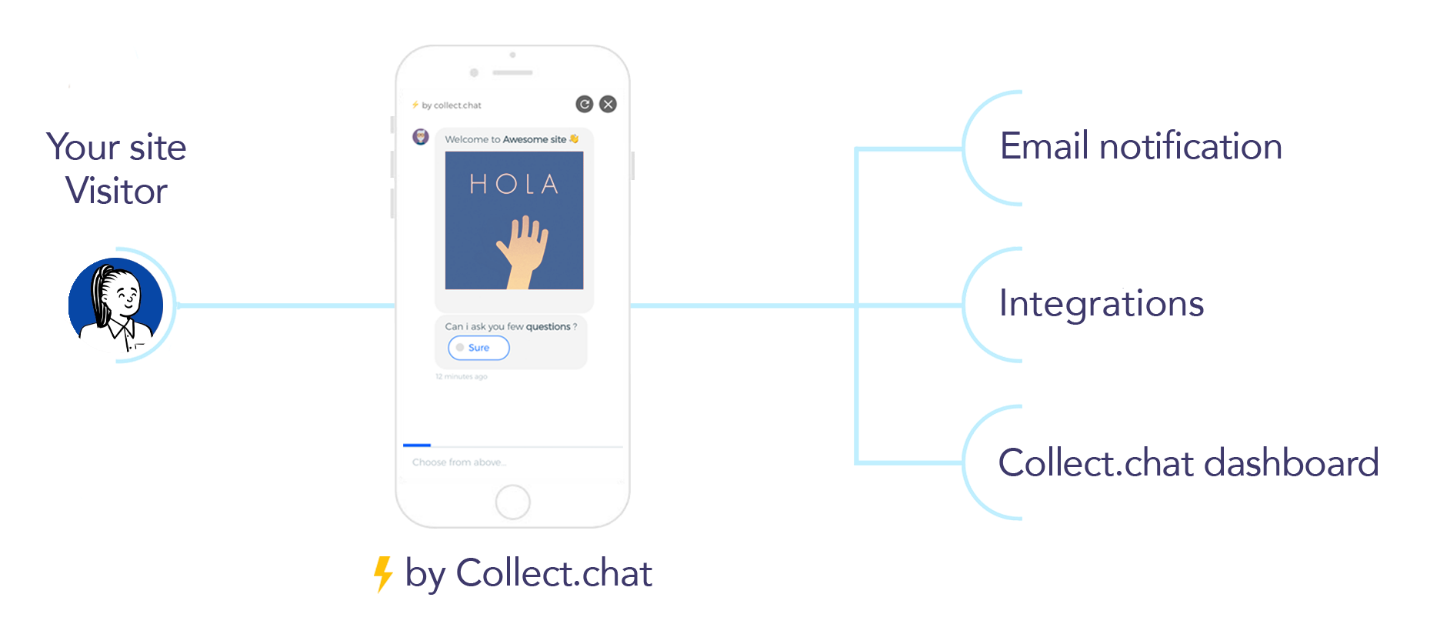
Take, for example, the Collect.chat tool that provides customers an automated interaction with your company and connect them with your customer support reps. 

Conclusion

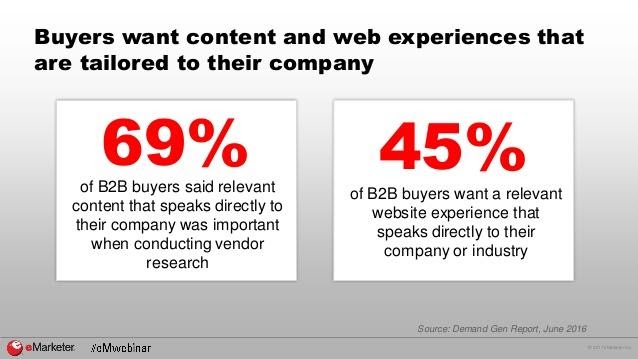
While marketing automation remains highly successive for B2B businesses, it’s essential to have a clear understanding of your buyers and putting up content that resonates with such an audience.

Because this is something that will ultimately define the success and reliability of marketing automation for your brand. 

Hopefully, with the marketing automation examples provided, you’ll now have a profound insight into how marketing automation can be efficiently utilized to drive success for your business.

CRM Data Management-test

More must-read stories from Enterprise League:

Related Articles

Can I Get a Quote for Storage Container Rental in Arizona

Can I Get a Quote for Storage Container Rental in Arizona

Storage containers can be a lifesaver when you're running a construction project in Phoenix, setting up a pop-up retail location in Tucson or clearing space at home. Choosing storage container rental in Arizona gives you secure, flexible space without the hassles of...

read more

How to build an effective CRM strategy for your business?

How to build an effective CRM strategy for your business?

How to build an effective CRM strategy for your business?

June 29, 2024

Effective CRM strategy

In this era, people have knowledge about digital platforms and are well aware of all the techniques followed by businesses. This is the reason a power shift has been made from companies to the customers. Now, it is very essential for businesses to create or modify strategies that can manage the customers and the problems faced by them. So, a CRM strategy has been introduced for maintaining a good relationship with the customers. 

CRM stands for customer relationship management and it is very essential to implement it by all business owners.

What is CRM strategy?

The customer relationship management strategy, aka CRM strategy, focuses on transforming every prospect into a client on the basis of every piece of conversation and communication with them. This method has encouraged good communication with the clients and help in solving their problems related to the services in their field of business. It helps to interact more with the audience and achieve their target and goals.

The benefits of CRM when applied multi-level

The CRM strategy should be applied equally and followed in all aspects and business levels if you want good results from it. All the departments have to equally follow the website marketing strategy to make it work efficiently for your business. 

If you are able to follow the strategy properly, you will be able to experience the benefits of customer relationship management soon enough.

  1. It will help to reduce the cost of customer acquisition.
  2. It will increase customer loyalty and lifetime value.
  3. Decision-making will be done on the basis of precise data, so no need to fear decisions.
  4. Enhances forecasting and communication with the clients.
  5. Enhances efficiency in marketing.
  6. Boost sales volume.
  7. Better visibility in execution.
  8. Reduce the volume of email

All these are the benefits of CRM when applied ideally. If you are unable to follow it, you have a high chance of risk and disadvantages in your business.

  1. With a lack of communication, customers can feel dissatisfied and might not like to trade with your organization.
  2. If you are not able to communicate properly with the prospects and audience, you will not be able to cross-sell or upsell your services and goods. Missing such opportunities directly refers to lesser profits.
  3. You will be unable to attract a new audience and retain the older ones.

You will lose in the competition in your field and your brand awareness will become low with time.

CRM strategy best practices for maximum effectiveness

All of the above-mentioned factors make it clear that it is very important to develop a CRM strategy for your company. According to research, it is stated that most of the business will struggle in building and developing a CRM strategy that can be proved efficient for your business. 

Set a goal

It is very important to have a clear vision so that you can set goals and achieve them with the help of your CRM strategy. Your strategy can be designed and developed in such a way that you are able to meet up your goals and measure your progress easily. You can check metrics for measuring progress for different factors and accordingly reset the goals. 

Your ultimate goal should be clear in your mind and CRM strategy should be designed accordingly. It should also be designed keeping in mind the customer experience as it plays a major role in making a business successful. 

Synchronise the CRM strategy with other strategies

An effective CRM strategy should show progress in every quarter of the business. It should determine the scope in every single phase so that the wholesome goals can be achieved. This strategy should actually act as a roadmap that makes a positive impact in every business process.

CRM strategy focuses on strategic goals for example better efficiency in marketing and increasing customer’s long-term value. However, the companies have other corporate strategies that focus on boosting revenue growth and providing a good experience to the customer. These strategies focus on different factors for achieving the goals for the company. But, it is very essential that both of these strategies align and complement each other. The CRM strategy should also focus on corporate goals for fulfilling your goals. If your CRM strategy is not able to address the corporate goals, it is very difficult for your business to sustain. 

Check and examine existing data

The existing data plays a great role in developing a CRM strategy as it contains all the details about the customer choices and their experiences with your company. It helps to get insights into customer’s journey and based on that journey and experience, analyze their personas. Data analysis also helps you to understand the problems faced by the clients while trading with your company. Now, you can improve and work on such problems so that the new clients don’t have to face the same issue.

You can segment customers into different groups based on their experiences with your company. Dividing the audience into different groups will help you to initiate a conversation differently and target them according to their choices and demands. Regular customers can be given more preference and can be given special discounts for keeping them connected. 

Provide effective support channels

The main aim of a solid CRM strategy is to provide support channels and communicate more and more with the audience. Communication with the audience helps in encountering the problems faced by them.

When you listen to your client’s problems and try to solve them, your customers will be satisfied with your services and stick by you. One of the methods of support channels is to create an option of live chat which will provide customers with instant solutions to their problem. It also helps in increasing conversion rates. Other than this, you can also go for social media channels for solving issues faced by customers. The method is not important, listening and solving customer’s problems is what is needed the most.

Use the best CRM software

Most of the companies often select inefficient CRM software for their business and regrets their decision later. It is very important to research and gather information about the software you choose. Good CRM software is one that integrates with your business operations and works efficiently for your work. You can also compare and collect data on the software used by your competitors. 

You can also check reviews and experiences of the other customers by visiting the forums for choosing the perfect CRM software for you. CRM software uses CRM strategies for getting good results in their business. An ideal CRM solution helps to manage the communication and interaction with all the customers through a digital platform.  

Different CRM software is available in the market, you can get into the details and research each one of them. Research as much as you can but ultimately choose the one that fits best for the operations performed by your company. Always remember that your CRM software should provide you with good results in every field of the business. 

Sometimes, a company is not ready for a CRM strategy and does it in the wrong way. Here are some warning signs that define if your company is ready to develop the strategy and what needs to be done in the case it isn’t:

  • If you are not able to make long-term investments and are not able to process and work that way, you should first do a good job on CRM projects and learn.
  • If your company is not able to achieve the strategic goals even after the proper execution of all the strategies, then you should try to focus and learn about tactical gains.
  • If your company lacks in the integration of data and is not able to clear up the databases, then you should try to limit the dependencies from external data and go for outsourced services.
  • If you have numerous CRM solutions, and support systems and it gets difficult to manage the overall strategy, then you should reduce it for fewer business units.
  • If an external competition is going on between VP’s of different departments, then you should limit it to a single domain.

Improve Business Workflow With CRM Integration

When you use CRM integration correctly, it can become one of the most powerful tools your company can have.Building relationships that cater to the wants and needs of your customers is never done by accident. It takes time and effort, but it is the most important part of your business.

CRM integrations streamline your email and social media marketing, your leads and customer contact information, and your sales process. The quicker you simplify things, the faster you can grow in other areas of your business that demand your attention.

You can start with automated emails, social media engagement, and SMS promotional campaigns to get more eyes on your new product line after a launch for example. You can craft pre-written emails to save time when sending out reminders to prospects about new offers. Set them up once and that’s it.

CRM software allows you to laser focus on targeting new leads and prospects, while strengthening existing relationships at the same time. Integrations help you use the customer qualities you find to your advantage—with little to no effort. You will instantly improve your workflow by knowing what to focus on, and removing manual errors in the process. That’s what makes CRM integration so worthwhile.

Conclusion

Developing a CRM strategy is a very important aspect of business no matter which industry it belongs to. It helps to interact and communicate with the customers in a proper way and provides them with solutions to their issues.

Technological advancement has made huge progress and made it an important key factor of success for all kinds of business. In order to sustain a business, it is very essential to adapt to these modifications. Along with the time, CRM will implement various changes for making a good impact in business and helping it to grow. If you want to increase sales and increase your conversion rates, you should definitely follow these tricks and increase conversion rates for your business.

More must-read stories from Enterprise League:

Related Articles

Can I Get a Quote for Storage Container Rental in Arizona

Can I Get a Quote for Storage Container Rental in Arizona

Storage containers can be a lifesaver when you're running a construction project in Phoenix, setting up a pop-up retail location in Tucson or clearing space at home. Choosing storage container rental in Arizona gives you secure, flexible space without the hassles of...

read more