
Advantages of AdTech solutions in advertising

Advantages of AdTech solutions in advertising

Advantages of AdTech solutions in advertising

June 26, 2024

Advantages of AdTech solutions in advertising

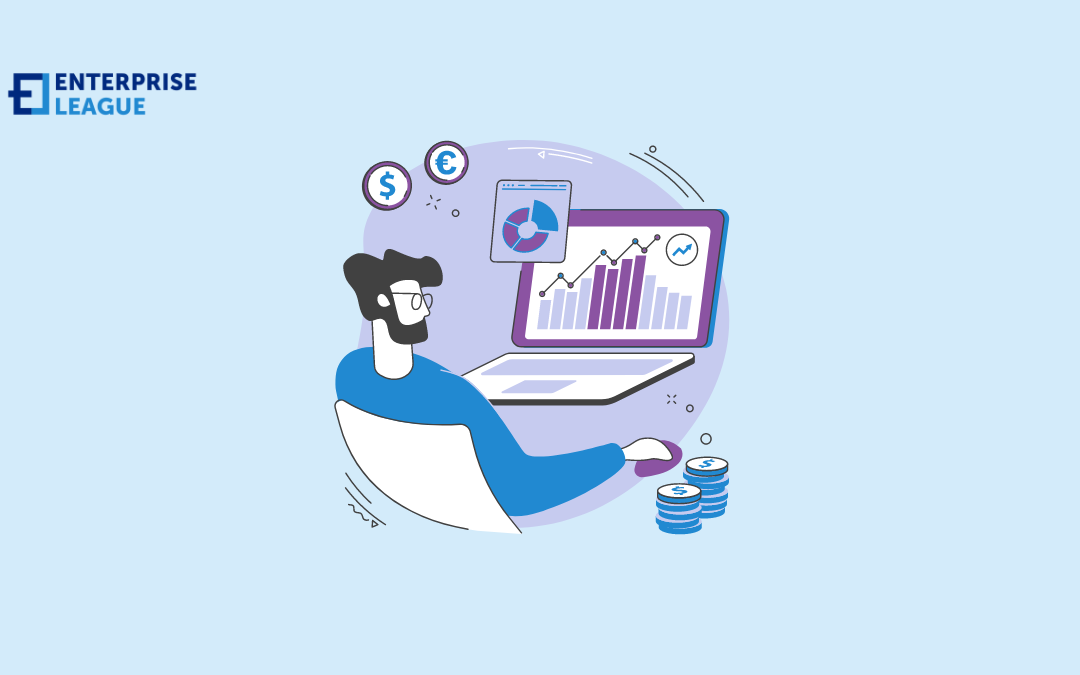
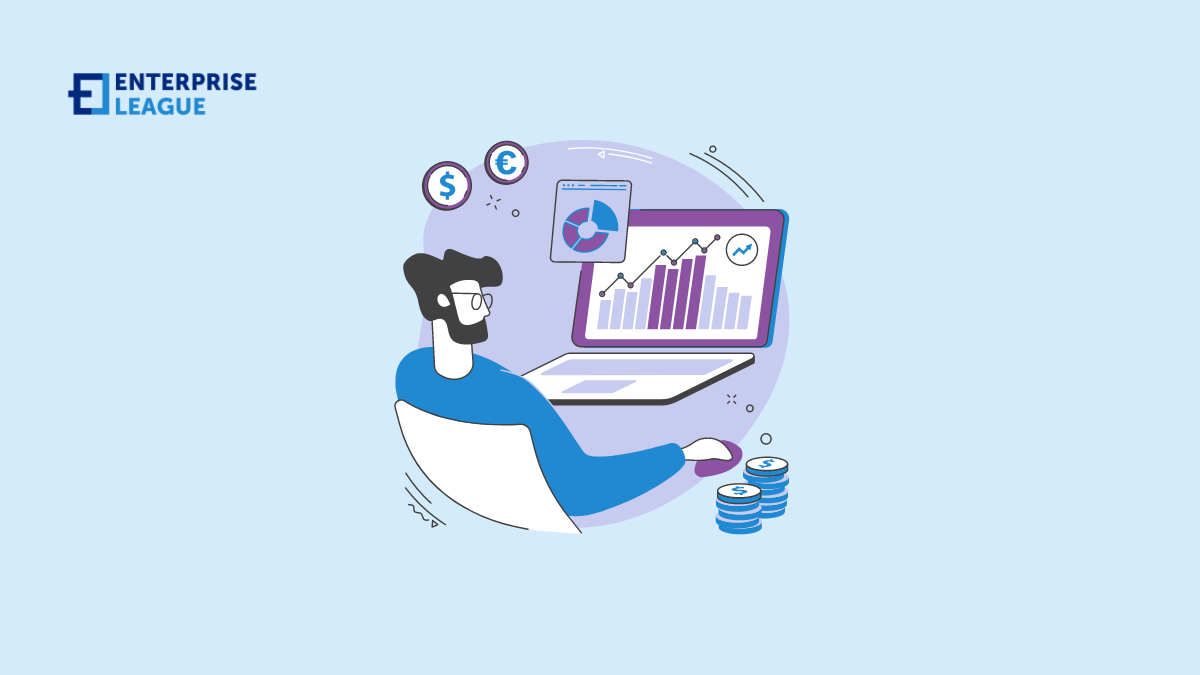
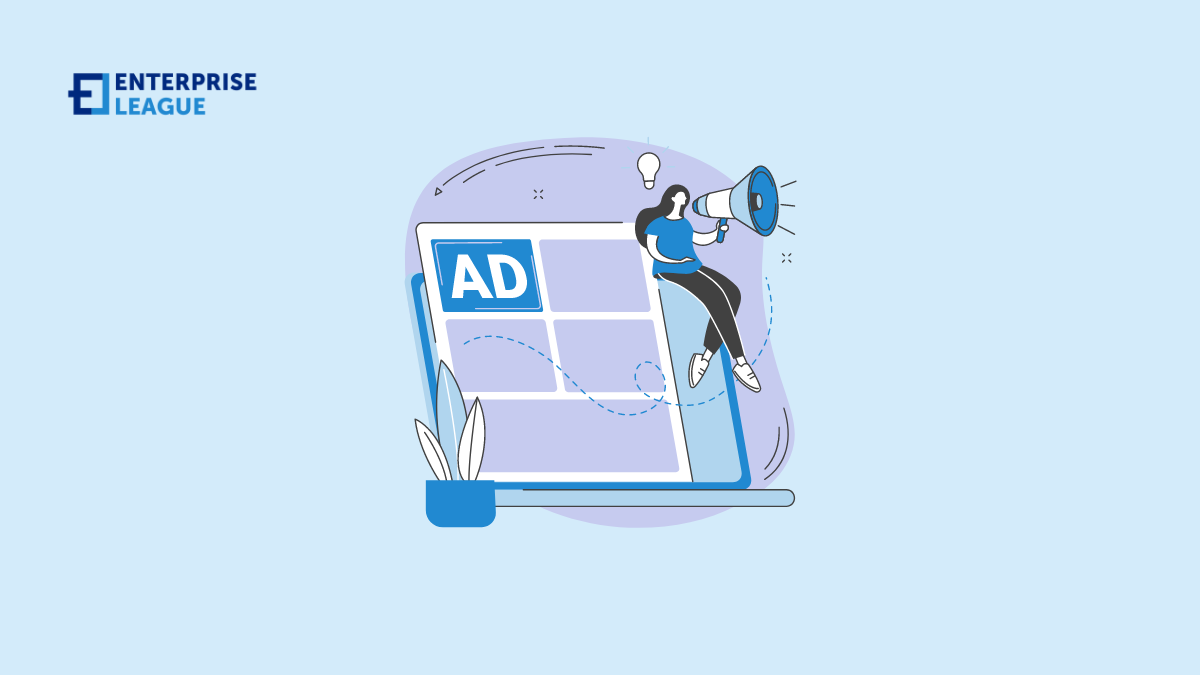
Today, technology provides businesses with enormous advertising opportunities. An effective advertising campaign can be set up in just a few clicks, and then you can analyze its results and adjust the next promotions in the same interface. Digital tools for campaign management and data analysis are responsible for this well, in marketing they are called AdTech. In this article, you will learn about AdTech solutions and their role in business development.

What is AdTech

AdTech encompasses platforms enabling the purchase and sale of digital ad space. These systems empower advertisers to target specific demographics, acquire online ad inventory, deploy campaigns, and evaluate their performance. 

The digital advertising ecosystem is intricate, involving advertisers (brands with promotional content), publishers (websites or apps offering ad placements), and various intermediaries. AdTech serves as the connective tissue, furnishing the necessary tools for negotiating, implementing, and managing advertising campaigns across this complex industry.

What does AdTech offer advertisers

AdTech tools allow advertisers to implement cross-channel campaigns, reach the right audience, and analyze performance. Here are the benefits AdTech offers advertisers:

Automation and scaling

With the help of AdTech tools, companies can automatically buy advertising space and optimize advertising campaigns based on real-time results.

Thus, solutions in AdTech are aimed at simplifying the process of launching large-scale advertising campaigns, which no longer require large marketing departments.

Optimization of the advertising budget

AdTech allows users to accurately identify their target audience and reach them without spending a budget on generic advertising.

Tracking user activity on different devices

With AdTech tools, companies can initiate omnichannel campaigns across a wide range of devices. The advantage of this approach is that it is possible to recognize the user by his email address or cookies and compare them with other devices. If a match is found, ad networks will be able to serve ads to re-engage users, providing multiple user touchpoints.

Speed

Because AdTech allows advertising materials to be tendered in a fraction of a second, a business can quickly launch the desired advertising campaign, without lengthy negotiations and selection of the right fee. This increases brand exposure, attracts potential customers, and increases sales in a shorter time.

Algorithmic advertising placement

AdTech is crucial for programmatic advertising, enabling automated, real-time ad buying for targeted audiences. The process works as follows:

  • Advertisers use Demand-Side Platforms (DSPs) to set campaign parameters, including target audience and impression goals.
  • Ad content is uploaded to online platforms.
  • Publishers list available ad spaces on Supply-Side Platforms (SSPs).
  • Ad exchanges connect buyers and sellers, facilitating Real-Time Bidding (RTB) auctions.
  • SSPs bid on behalf of publishers and ad networks.
  • Winning bids result in ad placement, with performance data shared back to advertisers.

This entire ecosystem of platforms, exchanges, and tools forms the AdTech industry, powering efficient, data-driven digital advertising.

AdTech ecosystem

AdTech is the infrastructure that powers programmatic ad placement, the future of digital advertising. It includes several components, the features of which you will learn below.

DSP platform (Demand-side platform)

A DSP platform is an automated platform that allows advertisers to bid, purchase, and place online advertising. It allows advertisers to manage multiple exchange accounts through a single interface and make changes in real time based on campaign performance.

SSP platform (Supply-side platform)

An SSP platform is a platform through which the publisher’s advertising assets (available advertising space) are managed on advertising exchanges. SSP platforms help publishers wholesale and manage their assets, generating revenue through real-time programmatic sales.

Advertising network

Publishers manage their assets and generate revenue directly through advertising networks. An advertising network aggregates offers and assets from multiple exchanges and mediates sales between publishers and advertisers. Ad networks use algorithms to match advertisers with publishers that best match their target audience.

Advertising exchange

An advertising exchange is a technology that combines DSP platforms and SSP platforms, providing convenient and transparent conditions for implementing algorithmic advertising placement. This process is similar to how the stock market connects buyers and sellers. It is essentially an open impression pool that uses algorithms and machine learning to implement the bidding process in milliseconds.

Data Management Platform (DMP)

A data management platform is a centralized database that collects, stores, and uses user data for online advertising. Data management platforms collect data from multiple sources to build a user profile, interests, and online behavior.

AdTech vs MarTech

Some users confuse the concepts of AdTech and MarTech, but there are several clear differences. It is worth noting that MarTech includes all marketing technology products, including tools for managing social networks and content. At the same time, AdTech is a component of MarTech.

Marketing departments at companies are building a set of MarTech platforms that help them communicate with potential customers directly, as well as interact with existing customers through email, social media, and their website. However, they may not be directly involved in the bidding process or online advertising.

In many cases, the intermediary is AdTech platforms, often run by agencies. This is done to automate the process of buying ads and impressions and is performed on behalf of the company.

Conclusion

The benefits of increased ROI, improved targeting, enhanced measurement capabilities, and streamlined operations make AdTech an indispensable tool for modern marketers. As the digital ecosystem continues to evolve, AdTech will undoubtedly play an increasingly crucial role in shaping successful advertising strategies and driving business growth. 

More must-read stories from Enterprise League:

Related Articles

How to speak with confidence

How to speak with confidence

Master the art of confident speaking with these actionable tips that address both physical presence and mental preparation for impactful communication.

read more

A quick guide to SaaS application development

A quick guide to SaaS application development

A quick guide to SaaS application development

June 26, 2024

A quick guide to SaaS application development

There are fewer branches in the current state of IT more promising than SaaS application development. Software as Service, or SaaS for short, is on the rise in popularity, bringing a whole new variety of apps to users with remarkable convenience and affordability. With the impressive level of scalability that cloud computing brought into the industry, the amount of IoT consumers is on the rise, and SaaS development is ready to meet the demand.

But what are other defining characteristics, that make the development of a SaaS application such an attractive venture? Let’s take a closer look at some of the good, the bad, and the profitable side of things.

What makes the saas model different?

Unlike a classic variation of software, a SaaS application doesn’t need to be installed on your hard drive. The service of this type can be accessed through a browser, without the necessity to involve any additional processing power of your personal computer.

This is one of the reasons why the development of SaaS applications skyrocketed. Only in 2024, the SaaS business market is expected to see an annual growth rate of approximately 7%, which is nothing to sneeze at.

The SaaS model also offers a subscription payment model. This means there are usually several types of payments available, whether it’s monthly or yearly billing, standard or premium packages, etc. The flexible and affordable pricing tends to be a marker of convenience for those users who choose to partake.

Generally, the development of Software as a Service undergoes seven main steps:

  • idea validation;
  • defining requirements;
  • designing UX and UI;
  • frontend and backend development;
  • QA testing;
  • deployment of the product;
  • continuous support and scaling.

It’s important to validate your idea before diving head-on into the development process. This step might make or break the whole venture, considering the potential for further scaling has basically no cap on it. Thus, you’ll need a strong concept to base your product on in the first place. Starting with an MVP first might be a good idea.

The presentation is an important part of getting the product in front of the prospects’ eyes, and convenience of use and accessibility are the aspects that will convert them into buyers.

Of course, once you get them hooked, it’s time for the key features of the application to shine. Not to mention developer support to ensure a smooth experience, regular updates, and necessary patches. Other than that, there are several sides to such ventures, that should be of notice to anyone, who decides to delve into building a SaaS application.

The pros and cons of SaaS app development

Like all things in life, the development of SaaS apps has both positive sides and some challenges too. There are several main aspects we can pinpoint.

Among the pros, there are such characteristics:

  • Cost-effective. The price of the initial investment drops significantly, considering there is less need for bulky and expensive hardware. Not to mention, that payment processing from customers comes in separate chunks, which can be easier to manage, than a one-time large sum.
  • Flexible. There’s truly a SaaS for every type of service on the market now, due to how flexible this model is. Not to mention its near-infinite scalability, which makes the development of SaaS apps a lucrative investment with vast opportunities for further growth.
  • Automatic. There’s no need to download new updates when an upgrade rolls around. The developers can make sure, that users have instant access to new features and fresh patches as soon as they are implemented. 
  • Reduced Time-to-Market. There is no need for particularly complex setups of hardware or software, so the deployment of Software as a Service is rather quick and painless. And the faster you get your product to the market, to more competitive edge it gives you.
  • Secure. Any reputable SaaS app development provider, like Digiteum for example, invests extensively in safety measures to ensure the security of any sensitive data. This makes such software not only available for many but also reliable and open to emergency recoveries from backup databases. 

As for the cons, we can highlight the following challenges:

  • Depends on the Internet connection. Of course, unlike any downloadable software, a SaaS would be heavily dependable on a stable internet connection to be functional. This is one of the drawbacks of SaaS apps compared to a classic type of program.
  • Long-term costs. A subscription model requires regular investments from both service providers and customers, considering it’s ongoing payments that can add up over a longer period of time. While not a dealbreaker in itself, it’s important to keep track of fees and increasing prices.
  • Challenges with customization and updates. During the SaaS application developing phase, as well as during further upgrades, compatibility issues may arise. Existing systems might show an error to new patches, and various APIs are highly dependable on the reliability of vendors. It’s a small thing but needs to be kept in check by regular troubleshooting.

As you can see, even though there are certain obstacles that appear in the way of development, most of the pros tend to outweigh them. Besides, with a reliable vendor most of the problems can be resolved smoothly, such as Digiteum.

Conclusion

SaaS application development is a highly adaptable solution for any type of business out there. If there is an industry that needs an application to provide subscription-based service to its clients, rest assured there’ll be a SaaS app ready or in development to show for it.

For its few drawbacks and challenges in development, deployment, and support, the wins outmatch the losses in the long run. There’s accessibility, infinite scalability, and rapid deployment that continues to attract new business owners and developers each day. It’s no wonder, that the SaaS market is expected to grow 214% in a decade and reach approximately $820 billion worth by 2030. Suffice it to say, it’s high time to invest in the future of your business by delving into SaaS app development yourself.

More must-read stories from Enterprise League:

Related Articles

How to speak with confidence

How to speak with confidence

Master the art of confident speaking with these actionable tips that address both physical presence and mental preparation for impactful communication.

read more

Development of Android and iOS applications: What are the differences?

Development of Android and iOS applications: What are the differences?

Development of Android and iOS applications: What are the differences?

June 26, 2024

The differences between Android and iOS applications

Android and iOS application development is a complex and long process that consists of several important stages, from developing an idea to programming and testing. Development for various platforms, such as Android and iOS, has its own characteristics and nuances and is best entrusted to a reliable software product development company. In this article, we will look at the main differences in developing applications for these two operating systems.

Differences in the development of Android and iOS applications

Understanding the differences in Android and iOS development will help you more accurately determine the right platform in accordance with your business needs and the desired application functionality.

Technology stack

First, let’s define the features of selecting technologies and programming languages ​​for developing applications for Android and iOS, respectively.

Choosing technologies for android development

We recommend analyzing three important aspects of developing mobile applications for the Android OS.

  • Main features of the development: Among the main advantages of developing on Android are the flexibility and freedom to choose technologies, tools, and resources, the openness of the platform itself, as well as a huge community of developers for support and collaboration. At the same time, this platform is fragmented, meaning developers have to adapt the application to different devices and OS versions. There may also be security and compatibility issues due to the open nature of the platform.
  • Programming languages: Two programming languages ​​can be used for Android development: Java, a mature language with a large global community, and Kotlin, a modern, concise, and secure language that is becoming more and more popular every year.
  • Tools: The most common tool for creating solutions for the Android OS is Android Studio, the official IDE from Google, powerful and feature-rich.

Also, quite often, developers use flexible, but slightly cumbersome XML and SDK to implement user interfaces – a set of tools for accessing hardware functions on Android devices.

Choosing technologies for iOS development

Now let’s analyze the same aspects of iOS development.

  • Main features of the development: The main advantages of developing on iOS include, first of all, tighter control over the design and functionality of applications (compared to Android). Thus, developers can use Apple’s official guidelines to ensure that their applications fully comply with the platform’s concept. It is also impossible not to note the high level of security and compatibility due to the closed nature of the platform. However, all these advantages also have a downside: development teams receive less flexibility and freedom in choosing technologies, tools, and resources.
  • Programming languages: iOS supports two programming languages. The first is Swift, a modern, concise, and safe language that is evolving very quickly. The second is Objective-C, a mature language that is still used in many existing applications.
  • Tools: iOS offers developers several proprietary solutions for creating applications. The first is Xcode, Apple’s official IDE, powerful and integrated with the iOS ecosystem. The second is Storyboards, a visual tool for developing user interfaces that is considered easy to use, but at the same time quite limited in terms of customization options. Third is SwiftUI, an innovative declarative framework for developing user interfaces, which is still in development and therefore may not have complete documentation and insufficient support. Finally, it is worth remembering several other frameworks, such as SwiftyJSON, Swift Algorithm Club, Alamofire, Lottie-iOS, and others

Application implementation speed

In fact, it is quite difficult to compare the speed of development on iOS and Android, since in each individual case different tools, programming languages ​​, and approaches are used.

Duration of development on android

In general, Android app development is slightly faster than iOS, and here’s why:

  • Android offers increased flexibility and freedom of technology choice;
  • There are many free tools and resources available for Android;
  • Android has a worldwide community for support and collaboration;
  • Android is supported by many rapid development tools such as templates and libraries.

Duration of development on iOS

iOS app development can be slower than Android app development due to the following factors:

  • Apple tightly controls the development process;
  • The project team needs to adhere to numerous design guidelines;
  • iOS has more difficult-to-use development tools.

On the other hand, such comprehensive platform control can simplify application testing and deployment procedures, so time savings can be achieved during these phases.

Android development cost

Android app development may be cheaper due to:

  • Higher availability of Android developers in the global market of IT specialists – this significantly increases competition and contributes to a reduction in their average salaries;
  • Moderate testing requirements due to a small number of devices and Android versions;
  • Availability of free development tools from Google.

Cost of development on iOS

iOS app development usually costs more, and here’s why:

  • On the international market, there are much fewer iOS developers than their colleagues specializing in Android development – in this regard, iOS development is somewhat higher;
  • Many development tools, such as Apple’s Xcode, are paid;
  • The testing process for this platform is more complex, as it is necessary to take into account the characteristics of different iPhone and iPad models.

Interface development on Android

Android offers increased flexibility in user interface design thanks to:

  • XML markup, which allows comprehensive control over the layout and behavior of user interface elements;
  • A wide range of available components and libraries for building complex user interfaces.
  • However, this flexibility can lead to a more complex development process, as well as the need to pay much more attention to ensuring the visual and functional consistency of the interface across different user devices.

Interface development on iOS

iOS developers use Storyboards or SwiftUI to implement user interfaces, which offer:

  • Visual (drag-and-drop) approach;
  • Automatic adaptation of the interface to different screen sizes of iPhone and iPad devices.
  • However, it should be noted that using these tools can limit flexibility, especially when it comes to complex and custom designs. You will definitely need a software product development agency with extensive experience in iOS development.

The application development process on Android and iOS also differs in testing, API availability, security principles, etc.

Conclusion

Android and iOS app development differ in several aspects. When choosing a platform, it is important to take into account their features, since the functionality of the future product, its flexibility, and security depend on this. Android offers more freedom and flexibility but also requires more effort to accommodate the variety of devices and OS versions. If you are looking for a reliable digital partner to entrust to him the full cycle of developing a mobile solution for your business or its individual stages, we recommend paying attention to Temy. This is a reliable software product development firm with extensive experience, since Temy has been on the market since 2014.

More must-read stories from Enterprise League:

Related Articles

How to speak with confidence

How to speak with confidence

Master the art of confident speaking with these actionable tips that address both physical presence and mental preparation for impactful communication.

read more

Cryptocurrency as a B2B payment solution: Trends and predictions

Cryptocurrency as a B2B payment solution: Trends and predictions

Cryptocurrency as a B2B payment solution: Trends and predictions

June 24, 2024

Trends and predictions<br />
in cryptocurrency as a B2B payment solution

As cryptocurrency becomes increasingly prevalent across the globe, business-to-business (B2B) transactions are no exception. As we progress through 2024, the integration of cryptocurrency in B2B payment systems is now widely used, reflecting a shift towards a more agile and decentralized financial ecosystem.

The current industry

The B2B payment industry is undergoing a significant transformation. As with any part of the market that is going through evolution, traditional payment methods are slowly but surely taking the backseat, because crypto has tons of advantages, including reduced transaction fees, enhanced security, and faster settlement times. These benefits are particularly pronounced in cross-border transactions, where cryptocurrencies can circumvent the complexities of currency exchange and the associated costs. B2B are all thinking the same thing – that the season for buying crypto is right now.

Trends in cryptocurrency adoption

One of the most notable trends is the growing acceptance of cryptocurrencies as a legitimate form of payment among businesses. This is fueled by the desire for more efficient transaction processes and the need to cater to a global market. Cryptocurrencies, with their inherent borderless nature, are perfectly suited to meet these demands.

Moreover, the rise of decentralized finance (DeFi) platforms is providing businesses with new opportunities to manage their finances. DeFi platforms offer services such as lending, borrowing, and earning interest on cryptocurrency holdings, all without the need for traditional financial intermediaries.

Predictions for the future

The future of B2B crypto payments is likely shaped by two forces, growing blockchain technology and the spread of stablecoins. The former will enhance security and efficiency, while stablecoins will mitigate price fluctuation, a major concern for businesses. Additionally, smart contracts hold promise to automate complex B2B agreements, potentially eliminating the need for intermediaries altogether.

Cryptocurrency’s role in B2B commerce

As the digital currency landscape matures, businesses are not just passively observing but actively embracing cryptocurrency as a new method in B2B payments. This shift is driven by the need for more streamlined, cost-effective, and secure transactions.

Role of cryptocurrency in streamlining payments

Cryptocurrencies are shaking up B2B payments by offering a faster, cheaper alternative to traditional banking. Gone are the days of waiting days for settlements and incurring hefty fees. Blockchain technology underpins crypto, ensuring transactions are completed instantly, securely recorded, and completely transparent. This builds trust and streamlines operations, allowing businesses to focus on what matters most an that is their core activities.

Overcoming barriers to adoption

Cryptocurrency’s potential for B2B payments is undeniable, but hurdles remain. Unpredictable price swings, regulatory uncertainty, and lingering business doubts about digital currencies create a cautious field. However, the market is maturing, and solutions to these challenges are emerging. As these concerns are addressed, businesses are likely to embrace crypto, transforming B2B payments into a faster, more secure, and streamlined process.

Integrating cryptocurrency with traditional systems

For a seamless transition, it’s crucial for businesses to find ways to integrate cryptocurrency payments with their existing financial systems. This may involve the use of payment gateways that accept cryptocurrencies or the development of in-house solutions that can handle both fiat and digital currencies. As integration becomes more straightforward, the barriers to entry will lower, paving the way for widespread adoption.

Conclusion

The trajectory for cryptocurrency as a B2B payment solution is clear: upward and forward. With trends indicating a steady march towards digitalization and decentralization, businesses that adopt cryptocurrency payment solutions stand to gain a competitive edge. As we continue to witness the growth and maturation of the crypto market, one thing is certain—the future of B2B payments is digital, and that future has already begun.

More must-read stories from Enterprise League:

Related Articles

How to speak with confidence

How to speak with confidence

Master the art of confident speaking with these actionable tips that address both physical presence and mental preparation for impactful communication.

read more

How AI is revolutionizing due diligence for startups

How AI is revolutionizing due diligence for startups

How AI is revolutionizing due diligence for startups

June 21, 2024

 AI is revolutionising due diligence for startups<br />

Due diligence for startups is all about verifying and validating every aspect of the business. It’s a process that investors use to assess a company’s financial health, legal standing, and overall viability before making an investment. They look into factors like the startup’s finances, market position, management team, technology stack, and compliance with regulations. Basically, it’s the endless research that enables investors to know what they’re getting into and helps prevent nasty surprises down the road.

Artificial intelligence is revolutionizing due diligence for startups, and in the process promoting productivity. Here’s how.

AI enhances decision-making with predictive analytics

Enhancing decision-making with predictive analytics transforms how investors scrutinise startups.

You no longer rely solely on historical data or gut feelings. AI-driven tools sift through massive datasets to forecast future performance trends and potential pitfalls. For instance, you can analyze market dynamics, consumer behavior patterns, and financial projections with a high degree of accuracy. These insights provide a clearer picture of the start-up’s viability and growth potential.

Imagine you’re deciding whether to back a new tech venture; predictive analytics can highlight emerging risks that might not be obvious initially, guiding smarter investment choices. 

Uncovers hidden risks with machine learning algorithms

Uncovering hidden risks with machine learning algorithms reshapes the due diligence industry. AI’s capability to analyse unstructured data, such as social media sentiment and news articles, uncovers potential red flags you might miss manually. This is crucial for mergers and acquisitions where thorough vetting is essential.

For example, machine learning can reveal undisclosed liabilities or reputational risks by examining vast datasets quickly. It’s like having a detective on your team who spots every detail. If you’re evaluating a startup for acquisition, these insights ensure you’re aware of all possible issues beforehand, helping you make well-informed decisions and avoid costly mistakes down the line.

Automates financial checks for efficiency and accuracy

Automating financial checks through AI brings both efficiency and precision to the due diligence process. Instead of manually poring over spreadsheets, you use AI tools to swiftly analyze things like financial statements or managing cash flow reports, and balance sheets. These tools flag inconsistencies or anomalies in real-time.

Imagine you’re reviewing a start-up’s financials: AI can instantly identify discrepancies that might indicate potential issues like fraud or mismanagement. This saves you countless hours and reduces human error. Moreover, automated systems keep up with evolving regulations, ensuring compliance is always top-notch. In essence, automating these checks allows you to focus on strategic insights rather than getting bogged down by tedious number-crunching.

Streamlines compliance verification

Streamlining compliance verification with AI tools revolutionizes the due diligence process. Regulatory landscapes are complex and ever-changing, making manual compliance checks time-consuming and prone to error. By leveraging AI, you can automate these checks and stay up-to-date with the latest regulations.

AI systems can quickly scan things like legal documents, contracts, and industry guidelines to ensure a start-up meets all the necessary requirements. This rapid assessment is invaluable when considering investments or partnerships. For instance, an AI tool might highlight missing licenses or non-compliance with local laws that you could easily overlook manually. This way, you ensure regulatory adherence without getting buried in paperwork while minimising risks associated with regulatory fines or sanctions.

Leverages natural language processing to analyse legal documents

Leveraging natural language processing (NLP) to analyse legal documents dramatically enhances the due diligence process. Traditionally, sifting through contracts and legal texts is labour-intensive and slow. But with NLP, you can swiftly extract key information and identify critical clauses.

Imagine reviewing a stack of partnership agreements: NLP tools quickly flag terms that could pose risks or require further negotiation. This capability ensures nothing slips through the cracks. If you’re considering an investment in a start-up, this technology helps you assess legal standing more efficiently.

NLP doesn’t just speed things up, it adds a layer of precision by highlighting nuances in language that might affect your decision-making.

Enhances risk management strategies with ai insights

Enhancing risk management strategies with AI insights is a game-changer for start-up due diligence. AI systems analyse vast amounts of data to pinpoint potential risks, whether financial, operational, or market-related. You can proactively address these issues rather than reactively scrambling when problems arise.

For instance, if a start-up shows irregular spending patterns or fluctuating revenue streams, AI flags these as potential red flags early on. This predictive approach allows you to implement mitigation strategies well in advance.

Think of it as having an early warning system that keeps you ahead of the curve. Using AI-driven insights helps you manage and minimise risks more effectively during the investment decision process.

Conclusion

As we have seen, AI is transforming due diligence for start-ups, making it smarter, faster, and more precise. From predictive analytics to compliance verification, AI tools provide unparalleled insights. Leveraging these technologies helps investors make well-informed decisions while minimising risks.

Ultimately, embracing AI-driven due diligence not only streamlines the process but also uncovers hidden opportunities and potential pitfalls early on. It’s a clear win for savvy investors.

More must-read stories from Enterprise League:

Related Articles

How to speak with confidence

How to speak with confidence

Master the art of confident speaking with these actionable tips that address both physical presence and mental preparation for impactful communication.

read more

What is a demand-side platform? Theory and practice for your business

What is a demand-side platform? Theory and practice for your business

What is a demand-side platform? Theory and practice for your business

June 17, 2024

Theory and practice for your business when it comes to demand-side platform

DSPs are platforms that help advertisers buy ad space and manage their ads. Advertisers set the desired amount they want to spend, create campaign display dates, and select audience segments – then the DSP (demand side platforms) takes it from there, searching for available displays that meet the desired criteria. By automatically finding advertising inventory that meets campaign criteria instead of working with an outside agency, DSPs save advertisers time, energy, and money.

The value of the online advertising market is growing steadily, which also means an increase in the complexity of the ecosystem and expectations of efficiency. The answer to these expectations is the automation of the process of selling and buying advertising, or programmatic.

What is DSP?

DSP is a group of technology platforms that enable the purchase of ads made available in the programmatic ecosystem. DSP allows the buyer to set (and possibly change in real-time) campaign parameters and optimize the purchase for a specific purpose (e.g. cost per click, conversions, etc.).

The most important parameters that can be managed are:

  • maximum CPM (i.e. cost per thousand impressions) that the advertiser wants to pay for an impression
  • the place of emission (domains, categories, operating systems) on which the ad is to be emitted (or, conversely, exclusion of certain undesirable domains)
  • distribution of emissions over time (selection of days or specific time slots)

DSP platforms allow targeting, i.e. determining which users the ad should be shown to. The possibility of targeting advertising to specific groups of users depends on the data available on the platform.

Depending on the specific technology, the top demand side platforms may also offer other targeting options, such as depending on weather conditions or synchronizing with the broadcast of advertising on TV. There are several DSP technologies available on the market (including Polish) (e.g. Google DBM, Adform, Appnexus). When choosing a specific one, it is worth paying attention to:

  • what kind of advertising space the platform has access to (publishers, types – e.g. video), and what ad formats it supports (e.g. rich media or dynamic ads)
  • whether it offers access to the necessary sources of data about users
  • whether it allows the use of specific targeting methods
  • what are the costs associated with the use of the tool (usually platforms charge from a few to several percent of the value of the advertising budget, but it may be that a minimum monthly fee is required), there may also be costs associated with training or integration with other tools.

The operation of the platform is often entrusted by advertisers to media agencies, which take it upon themselves to set business terms with the technology provider and have the necessary knowledge and experience, but there are also clients who choose to handle programmatic campaigns themselves. This requires significantly more resources, but at the same time gives control over the entire buying process and saves on agency margins.

DSP’s main functions

DSP offers a number of features that help advertisers effectively manage their advertising campaigns. Here are some of them:

  • Demographic targeting: DSP allows you to precisely define your target audience based on factors such as age, gender, location, or interests.
  • Behavioral targeting: By analyzing the behavior of Internet users, DSP can deliver ads to people who exhibit certain online behaviors, such as visiting a specific website or making online purchases.
  • Contextual targeting: The DSP can deliver ads based on the content of the website on which they are displayed. For example, if a user is browsing an article about travel, the DSP can display an ad related to the travel industry.
  • Campaign optimization: you can find demand side platforms and ensure efficient real-time monitoring and optimization of ad campaigns. Advertisers can adjust their strategies based on performance and data analysis.

Advantages of DSP

DSP offers many advantages for advertisers. Here are some of them:

  • Precise targeting: With DSP, advertisers can reach their target audience more precisely and effectively.
  • Cost-effectiveness: DSP enables advertisers to control their advertising budget and optimize spending based on campaign performance.
  • Access to various channels: DSP enables advertisers to reach their target audience on different advertising platforms and channels, which increases the reach and visibility of ads.
  • Performance measurement: DSP provides advertisers with detailed reports and analysis to help evaluate campaign effectiveness and take further action.

DSP applications

One of the main applications of DSP is programmatic advertising. This is a form of digital advertising in which the buying and selling of ads is done automatically, based on predetermined criteria. DSP allows advertisers to purchase ads in real-time, allowing them to reach their target audience more efficiently and precisely.

Retargeting

Retargeting is a marketing strategy in which ads are displayed to users who have previously visited the advertiser’s website. DSP enables precise targeting of ads to these users, which increases the chances of conversion and return to the site.

Personalization of ads

With DSP, advertisers can tailor ad content to individual user preferences and behaviors. Based on data analysis, DSP can deliver ads that are more relevant and interesting to audiences.

A/B testing

DSP enables A/B testing, which allows advertisers to compare the effectiveness of different ad variants. This makes it possible to optimize campaigns and choose the best solution.

Conclusion

So, if you want to target your ads precisely, look no further than Demand-Side Platforms. These tools let advertisers buy digital ads in real-time, reaching the perfect audience as well as offering a variety of benefits like programmatic buying, retargeting, and A/B testing, all to optimize your ad campaigns. For example, SmartyAds is a trusted DSP provider that offers a user-friendly solution with self-service and view-only accounts. 

More must-read stories from Enterprise League:

Related Articles

How to speak with confidence

How to speak with confidence

Master the art of confident speaking with these actionable tips that address both physical presence and mental preparation for impactful communication.

read more