No Results Found
The page you requested could not be found. Try refining your search, or use the navigation above to locate the post.


It’s been over a month, the invoice is due but your client is ghosting you and you have no idea what to do when a client doesn’t pay – a tale as old as trade. Truth is, it can happen to anyone, regardless if you’re inexperienced or seasoned.
Some business owners learn how to collect money from clients the hard way. However, you get the privilege to learn from their mistakes and be prepared when a situation like this happens, because trust us, it will at some point. Especially in an economic crisis like this, when everyone is facing a shortage of cash.
Several entrepreneurs who learned their lessons the hard way were willing to share their insights and tips on dealing with clients who refuse to pay. For your sake, don’t wait until it’s too late – arm yourself with strategies for getting paid when client won’t pay. There were some radical answers involving baseball bats, but we left them out and you should too.
As we all know, money makes the world go round. So when a client won’t pay, you’re risking being late on a mortgage payment or disappointing your child because you need to cancel the trip to Disneyland. As late payments can also result in debt management problems, it is best to consult professionals early on – such as the insolvency practitioners. However, there are quite a few important things that depend on your clients paying their invoices on time.
Here are the best ways of dealing with clients who refuse to pay, so your world can keep spinning round and round.
It is the most socially acceptable way of requesting a fee. Make sure the email is not contentious and uses appropriate words. It’s easy to send a professional email for a financial windfall, but please remember that you’ll be focusing on building a connection with the customer based on generosity.
Start by making certain that there is no mention of prices within the subject line. There is no easier means of ensuring that an email ends up going unread if, indeed, the valuation is included with the introductory paragraph, and the email would have had an assured greater likelihood of being considered alternatively.
Simply ask for remuneration and inform them that there is an estimated bill included in the mail and let them know that you have also elaborated on the method of payment for their convenience. To prevent unpaid invoices, utilize Billdu invoicing software, which automatically sends payment reminders.
Elena Jones, PR Director at FinanceJar
You might also add a policy on late fees and penalties, which can be a disincentive to miss payments. You should always solidify the agreed rates and terms with a legally binding contract. It is a binding agreement that will give you more security and obligate them to pay you.
John Cheng. I’m the Co-Founder and CEO of Baotris
The most important thing is not to let a customer’s debt build up too much, keep them paying regularly, and put them on stop if they are outside your business terms. Nobody likes a BIG bill and if a customer hasn’t paid for 2 or 3 months, sometimes longer, the amount owing can be very unpalatable for a client to pay or just make them question your service altogether.
Putting clients on retainers works as well for us as using direct debit and you can even do it through an online payment service, but the best way to get paid is to take the matter to the top, straight to the business owner, often business owners aren’t aware that their accounting department isn’t keeping on top of payments and once you get the MD involved things tend to get sorted out much more quickly.
Don’t take any excuses either, many accounts departments will say ‘we haven’t seen the invoice’ – it’s always a good idea prior to the end of the month to call and make sure they have the invoices in a polite conversation. I’ve always said you catch more flies with honey than you do with vinegar and asking nicely goes a long way further than beginning with threats of a court action which always becomes protracted and ruins future business goodwill.
Simon Young, Managing Director at Institution
We try to maintain our client relationships so they feel a bit more valued. This can be done by simply checking up on them every now and then, helping them with a problem they may be experiencing, or even by featuring them in our content in some way.
In the past, we’ve worked with not so reputable brands so we decided to deliver the work only after we were paid which worked for us. For those clients who are genuinely struggling, we have offered payment plans to help them pay off their debts.
Paul Gibbens, Marketing Executive at Housebuyers4u
Keep in touch – Stay in contact with your debtors to find out how they’re getting on and to anticipate any potential problems. Regular communication can also help bolster your relationship with your clients, which is particularly important in a time of financial stress. Our experience suggests that the old adage of a stitch in time saves nine is particularly relevant when it comes to debtors, as a tricky conversation early on can prevent a potential issue from snowballing into something much worse.
Be firm – Make sure that you’re very clear in your conversations with debtors. If you’ve delivered on your side of the contract, the default position remains that you should be paid – and paid on time. Cash is king in the current economic climate, so try to resist the temptation of writing off (or waiting for) what you’re owed. It’s also worth remembering that delays to payments by your debtors could risk a knock-on effect further along the supply chain, as you may then struggle to pay your own creditors on time.
Chris Clay, Managing Partner at Escalate
To rule out simple errors, communicate with your client. If you have a client that doesn’t pay, ensure the payment was not missed due to a misunderstanding or other mishap. It goes without saying that you should avoid burning any bridges unless absolutely necessary.
If a client fails to make a payment on time, contact them and respectfully remind them. They could have miscalculated the date or just neglected to transfer your funds. Depending on the contract, you may be able to request a late fee in following situations. In certain circumstances, the missing money is the result of a technical malfunction or another issue that is not the client’s
fault.
Allowing a little leeway here could be beneficial. Giving the client another chance to fix the problem demonstrates good faith and may result in a glowing review, referral, or additional business.
Kavin Patel, Founder and CEO of Convrrt
Alternatively, try contacting someone else within the organization, preferably a member of the same team as your client, to see if they can assist.
Ankit Kaul and I am the Founder and CTO of Excel Trick
This is legally enforceable, and you have a right to do this. It is known as ‘statutory interest’ and is calculated at 8% (after the invoice is due, accumulated daily from then on) plus the Bank of England base rate. So each year from the due date, an invoice accumulates 8% interest). Should a debt reach debt collection or Small Claims Court, always ensure this interest is properly calculated, and add it on.
Similarly, offer early payment discounts. Perhaps 5% if an invoice is paid within a week (rather than the agreed 30 days). This gives you immediate cash in the bank and rewards good customers, rather than punishing poor ones.
Paul M. Jones, Credit Controller PJS Credit Management
Be nice. It might be tempting to scream down the phone “where’s my money?” but don’t. If they do intend to pay at some time, being polite will help speed things up.
Find the right person. One of the most important things to do when a client doesn’t pay is to check who actually makes the decision as to when payments go through. Is it the person who issued the order, or the finance person? If you’re not sure, ask.
Help them pay you. If a client won’t pay, maybe give them a gentle reminder, a reason to pay you. Detail what you have provided, check there are no issues with the invoice, and make sure they are satisfied with what has been delivered.
Check your contract. Make sure your payment terms are clear, simple, and protect you. Set out exactly when you expect payment. Detail late payment fees.
Moreover, you can consider:
Susan Francombe, Founder of The Business of Building
Allowing clients to get away without paying for your services sets a precedent, and you don’t want to come across as someone who is easily exploited. Your first step should be to consult your contract’s Dispute Resolution Clause.
First, take the steps you’ve outlined. This may include a procedure known as ‘arbitration,’ in which you enlist the help of third parties to analyse the problem. If it doesn’t work, you can find yourself in small claims court. This should only be used as a last resort because it will almost certainly be costly, time-consuming, and depleting. Fortunately, many disagreements never reach this point.
Rameez Usmani, Director of E-Commerce and Retail at Selkirk
If the client then tries to avoid paying you for your services, you might deny them access to the
project. While it may appear trivial, it is entirely reasonable – your contract states that you would offer the finished product in exchange for a certain amount of money. The client should not get their website or app if you don’t get paid.
Matt Weidle, Business Development Manager of Buyer’s Guide
When it comes to dealing with clients who refuse to pay, it is important to remember that every situation is unique on its own and has to be carefully reviewed before any action is taken. For what it’s worth, long-time, loyal clients cannot be approached the same way as one-time clients.
You don’t want to break a good work bond because of one late payment. When a client won’t pay always try to work things out with a civil conversation. However, if things get out of control remember that in these types of situations, the law is on your side.
The page you requested could not be found. Try refining your search, or use the navigation above to locate the post.

Digital marketing strategies have always been something marketers have to think twice about on whether they need to adjust them or not.

As the business landscape continually changes, scaling your operations correctly is the goal of many organizations. Entrepreneurs now find it more important than ever to make sure they are staying on top of the latest technology, as well as doing their best to retain their customer
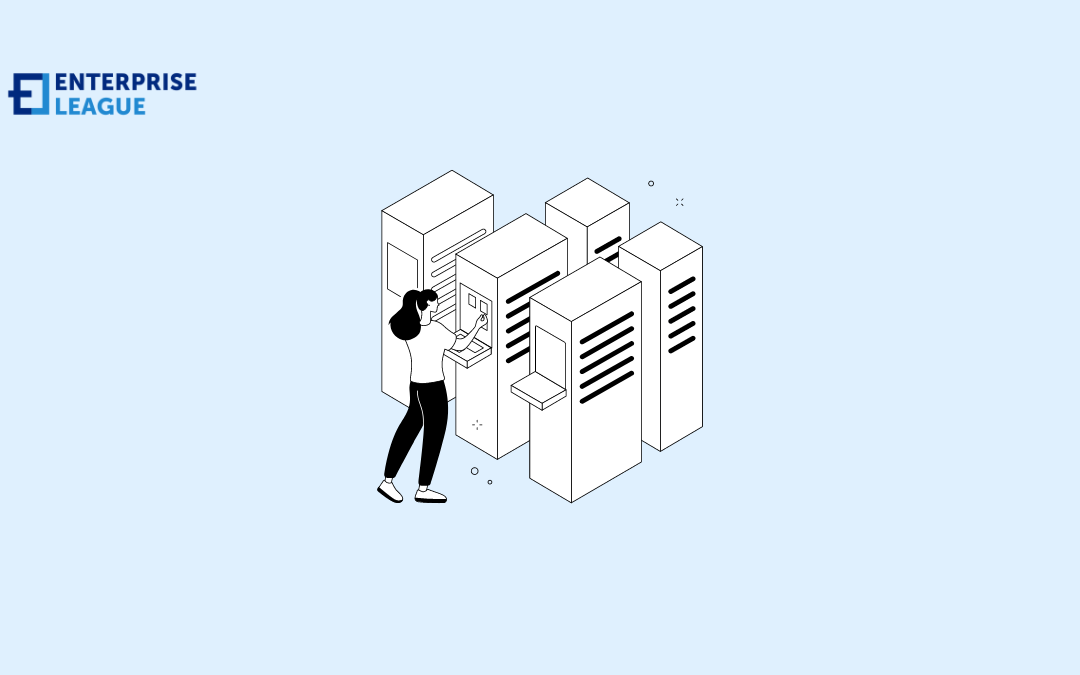
One of the primary considerations when we start a web project is choosing a hosting solution. While renting dedicated servers from a hosting provider is a popular option, owning a server yourself can offer several benefits.
But, it’s important to remember that servers need specific environmental conditions and cannot be housed in random places. This is where server colocation services come in, providing the necessary facilities and infrastructure to house and maintain your server.
Server colocation is a service that suggests that the hosting provider rents out their server space to the clients that locate their servers there. In this article, we’ll discuss the pros and cons of this kind of service for your business.
Let’s look at some of the pros that server colocation offers.
Servers need space, as you wouldn’t locate a server directly in your office. They occupy physical space and produce noise, which can be a distraction, so it’s better to locate them away from your working space.
Since your hardware for the server is at your control and discretion, you can take care of its quality and configuration yourself. This level of control over the hardware for the server is particularly important for businesses with specific hardware requirements, such as high-performance computing or specialized networking needs.
With server colocation, you can select and install the hardware that best meets your needs, and can even make upgrades or modifications as required. This can help ensure that your server is optimized for your specific workloads and can provide the best possible performance for your applications or services.
Since a website has to have ideally an uptime of 99,99 %, it needs some guarantees that it won’t stop working regardless of circumstances, like unexpected power outages and so on. A data center, which is a facility specialized in housing servers, guarantees the power backup supply in case of anything.
Another benefit of housing a server at a professional data center is security. Your server contains precious information about your projects. For this reason, you have to protect your servers from anyone without proper authorization.
Data centers have many layers of physical and network security measures in place to protect against unauthorized access, cyber threats, and other types of data breaches. This includes video surveillance, biometric authentication, fire suppression systems, and other advanced security features that aren’t found in a typical office or home environment.
When dealing with a web project, especially a business aimed at commerce, the location of the web server is an important factor to consider. The closer the server is to the target audience, the faster the website will load, resulting in a better user experience.
The location is also a significant factor contributing to the Search Engine Optimization (SEO) of the website. Search engines like Google take into account the location of the server when determining the relevance of a website to a particular region. This means that hosting a website on a server located in the same region as the target audience can potentially improve its SEO performance in that region.
Also, don’t forget about the legal issues. Depending on the type of your projects, they can be viewed differently according to the rules and regulations of a particular region. Being able to choose the location, you can get the optimal configuration of everything for the best success of your projects.
Even though colocation is a service with lots of impressive features and benefits, it doesn’t suit every business. Let’s see, why you might not want to opt for server colocation for your projects.
If you want to rent a server, you have to pay your first monthly fee according to your plan and start developing your projects straight away. Server Colocation is not that straightforward, since you’ll have to buy the server first and then deliver it to the data center in question. You’ll have to send some of your employees there so everything is properly configured and installed. You have to keep that in mind if a colocated server seems attractive to you.
With colocation, you don’t deal with less than a whole physical server. Despite this, there’re also different cheaper services that suit well for projects of smaller scale. VPS hosting or shared hosting can be more than enough if you want to create an intermediate website with intermediate traffic without running heavy applications and hosting terabytes of data. If you choose server colocation, this means that your plans are rather ambitious.
With a colocated server, you can’t scale that easily or just refuse from the server. You already have your server and you are bounded to it. If you don’t need it anymore, you’ll have to look for a way to sell it. If you want to upgrade your capacities, you’ll need to buy and install all the necessary components on your own.
Server colocation is a good solution for various businesses, combining the beneficial data center infrastructure with full control over your server hardware. Yet, it might be not the perfect solution for smaller businesses or if you want to engage less in managing your hosting.
We hope that this article has shed some light on the pros and cons of server colocation and that now you can make the right choice for your business.
Choosing the right equipment rental provider is crucial for construction projects, as contractors need dependable machinery and tools they can count on. The top heavy equipment rental companies stand out through exceptional service, modern equipment fleets, and a...

The convenience of one-stop shopping has changed how we buy everything from household items to professional equipment. Major online marketplaces advertise endless selection, low prices, and fast delivery straight to your door. But when it comes to tools, whether for...

In online commerce today, success requires more than just great products or an attractive website. The real advantage comes from effectively using customer data. Every time someone browses products, adds items to their cart, or leaves a review, they create valuable...

For many small businesses, sponsoring a foreign employee for a green card can be a strategic investment. As industries grow more competitive, retaining skilled workers becomes increasingly important. Green card sponsorship offers long-term stability for both employer...

Excavators are essential on construction sites, especially for digging, grading, lifting, and demolition work. But the same power that makes them indispensable also makes them dangerous. When an excavator strikes a worker, rolls over, or malfunctions, the injuries are...
Looking to embark on a new venture in 2025? Why not try launching an outdoor business. Our post notes a few good ones that promise significant returns. With coffee being among the world’s favorite beverages, for example, you can start a coffee-to-go stand for $50,000 and earn as much as $200,000 a year. Even simpler yet in-demand businesses like dog walking and coaching hikers only need an initial investment of $5,000 for you to hit an annual revenue of $100,000.
When starting an outdoor business, however, you need to worry more about your starting capital, how long it will take to set up operations, and when you can expect to start raking it in. You also need to worry about ensuring the safety of the employees you eventually take on.
With extreme weather patterns becoming more common, major worker agencies like OSHA in the US are proposing new ways to keep outdoor workers safe. In particular, a new OSHA rule on heat safety, which was made ready for publication last year, requires employers to identify workplace heat hazards, provide protective heat equipment and sufficient breaks, and monitor employee heat stress.
However, you’ll also want to protect your future employees from the sun itself—not just in terms of heat, but the UV radiation it emits. With that in mind, make sure you have the following essentials on hand once you open your new outdoor business.
When it comes to sun protection essentials, sunscreen is often the first thing that comes to mind. After all, most people are familiar with the fact that UV overexposure causes sunburn, which inflames the skin and makes it hot to the touch. This temporary condition can make it more than just painful for your employees to keep working, it heightens their risk of developing skin cancer down the line. If you’re set on starting an outdoor business, you’ll definitely want to give your employees some sunscreen.
Some key features to look for: an SPF of at least 30 to block UVB rays and a minimum PA++ rating for shielding against UVA. These are often found in sunscreens labeled as providing “broad-spectrum” protection. Avoid aerosol or spray-on sunscreens, as they usually go into the wind instead of onto the skin.
If you want something more effective, you can get a sunscreen that complies with Australian standards, which are particularly strict since skin cancer rates down under are among the highest in the world. SunButter sunscreens, certified as the world’s first to be palm oil-free, all offer SPF 50 and PA++ for broad-spectrum protection. Crucially, they work for all skin types, making them great to use in the workplace.
The only issue left? Actually getting your employees to use them. This 2022 Frontiers in Public Health shows that even construction workers don’t use sunscreen often, even if employers provide it, or as recommended by health experts, so make sure to educate your employees about best sunscreen practices. That includes putting sunscreen on all exposed skin at least 20 minutes before sun exposure and reapplying it every two hours. Employees should also reapply sunscreen more often if they get sweaty or are wearing insect repellent.
However, you’ll want to be more immediately worried about eye sunburn in the short term. In bouncing off reflective surfaces, the sun’s glare can overwhelm the eyes with UV rays and cause photokeratitis. It’s often a concern in snowy environments, which is why it’s also called “snow blindness.” However, it can be equally hazardous throughout the year if your outdoor employees work in environments near water or shiny cars and buildings. Photokeratitis can cause redness, gritty sensations, pain, and even temporary vision loss.
To keep your employees’ eyes safe as they work, you’ll thus want to ensure they wear protective sunglasses. Rather than simply having dark lenses, these should come with a “UV400” label that guarantees they can actually block 100% of the sun’s UVA and UVB rays. Ideally, they should also use wraparound frames that protect more of the eye area from both the sun and debris that can scratch and infect the eyes on windy days.
To check all those boxes, it’s best to get this eyewear from reputable brands. In particular, the popular Ray-Ban sunglasses meet all the above criteria. Ray-Ban sunglasses provides 100% UV protection as standard. However, you’ll want to look at models like the RB033 and RB4335. These use wraparound lenses and polarized lenses specifically designed to block glare and prevent photokeratitis.
For full-body sun protection, you’ll want to go beyond simply providing employees with sunglasses and sunscreen. It’s still possible to get sunburned under clothes, and sunglasses can’t protect the eyes when the sun’s shining directly overhead. Even if your outdoor business doesn’t fall under construction work, then, it’s still crucial to provide “personal protective equipment” in the form of UPF garments. UPF is basically the clothing equivalent of the SPF in sunscreen. This Cureus review notes that though all clothes can block UV rays to some degree, UPF-rated clothes are generally considered more effective.
You’ll thus want to give employees long-sleeved shirts, pants, and hats with a minimum UPF of 30. In particular, look for hats with brims at least four inches wide to protect more of the eyes and face, as well as the neck and the nape. To prevent heat stress, make sure the UPF clothes you provide are also made of breathable, moisture-wicking fabrics like polyester. Wool can be beneficial in colder weather. Brands like Solbari have significantly extensive collections of head-to-toe garments you can refer to, as they all come with a UPF 50 rating.
Of course, you also want to outfit your outdoor business with a few first aid essentials for treating sunburn should it occur. Make sure your employees have water on hand to replenish fluids, small towels they can wet and apply to the burned area, and cooling moisturizers like aloe vera gel and 1% hydrocortisone cream to speed the healing process. It’ll also help to provide bandages they can apply to any blistered skin to prevent infections.
Damp towels or cold compresses can similarly help relieve the early symptoms of eye sunburns caused by photokeratitis. You can also provide moisturizing eye drops to help ease any discomfort or pain. If any of your employees wear contacts, have them remove their lenses as soon as they suspect they have eye sunburn.
Get your employees the medical attention they need if they’re dehydrated, are feverish, or have more severe skin sunburns. If photokeratitis causes vision distortions that last for more than two days, it’s best to get employees an appointment with an optometrist.
Choosing the right equipment rental provider is crucial for construction projects, as contractors need dependable machinery and tools they can count on. The top heavy equipment rental companies stand out through exceptional service, modern equipment fleets, and a...
The convenience of one-stop shopping has changed how we buy everything from household items to professional equipment. Major online marketplaces advertise endless selection, low prices, and fast delivery straight to your door. But when it comes to tools, whether for...
In online commerce today, success requires more than just great products or an attractive website. The real advantage comes from effectively using customer data. Every time someone browses products, adds items to their cart, or leaves a review, they create valuable...
For many small businesses, sponsoring a foreign employee for a green card can be a strategic investment. As industries grow more competitive, retaining skilled workers becomes increasingly important. Green card sponsorship offers long-term stability for both employer...
Excavators are essential on construction sites, especially for digging, grading, lifting, and demolition work. But the same power that makes them indispensable also makes them dangerous. When an excavator strikes a worker, rolls over, or malfunctions, the injuries are...

Despite all the eye-rolling network marketing gets, plenty of regular folks are quietly earning solid income with smart approaches, and with the industry expected to hit $329 billion by 2030, there’s clearly no shortage of opportunity for those who get it right The trick isn’t finding some magical product or recruiting hundreds of people into your downline.
Instead, success often comes down to finding a genuine fit between what you’re selling, who you’re selling to, and how you’re building your business. If you’re tired of struggling or just starting out, maybe it’s time to look at network marketing differently. Rather than pushing products on friends, consider these practical network marketing business ideas that real people are using to build sustainable income streams without the awkward sales pitches or alienating their social circles.
Here are some creative and profitable network marketing business ideas that you can start right away:
Health and wellness supplements is a network marketing model that sells nutritional supplements and wellness products through independent distributors who earn commissions. By focusing on overall health rather than single-issue quick fixes, it takes a lifestyle approach to sustainable well-being.
Distributors market products and business opportunities within their communities and social circles, leveraging personal connections for organic growth. This allows building recurring income and equity along with promoting health-giving items conveniently to neighbors already inclined to utilize and endorse trusted recommendations. As more consumers complement medical care with proactive self-care from diet to exercise, the daily use appeal helps distributors continuum customers.
How much you can make: $500 – $100K annually
How much does it cost to start: $100 – $1K
How long does it take to build: 6-18 months
Skincare and beauty products focus on selling skin and beauty products via an independent distributor network rather than in retail stores. Becoming a distributor allows buying quality products at wholesale rates for personal use or at retail prices for profit. Distributors also recruit networks of other resellers underneath them through direct outreach and online marketing.
As the teams below each distributor grow through similar sharing and reselling, parent distributors earn extra commissions. For newcomers, this allows launching a business fueled by motivated peer networks versus solo efforts alone. Some benefits also motivate consumers to buy from individual resellers rather than companies directly.
How much you can make: $500 – $100K annually
How much does it cost to start: $100 – $5K
How long does it take to build: 4-16 months
Essential oils and aromatherapy is a network marketing business focused on essential oils and aromatherapy products. It would allow independent distributors to sell therapeutic-grade essential oils and related accessories directly to customers. The model provides economic opportunity by allowing participants to develop a home-based business with low startup costs and higher return potential compared to traditional retail.
By leveraging direct selling combined with social networks, the distributor can reach customers efficiently through personal connections and word of mouth. The industry’s appeal lies in the growing popularity of aromatherapy, natural wellness products, and holistic self-care. Consumers appreciate advisor relationships and personalized service for customized recommendations.
How much you can make: $500 – $75K annually
How much does it cost to start: $100 – $3K
How long does it take to build: 7- 20 months
Eco-friendly home products is a direct selling business focused on sustainable household goods. It recruits independent distributors to host in-home parties and social media stores to demonstrate and sell items like cleaning solutions, personal care products, reusable containers, and non-toxic cookware. This modern approach to network retail suits the growth in ethical consumerism and home-centric lifestyles.
Distributors earn attractive commissions on subscription orders and personalized advice guides further purchases. Customers gain simple access to the latest earth-friendly upgrades for their family routines. As climate awareness rises across demographics and technology enables microbusiness success from anywhere, the pairing holds wide appeal.
How much you can make: $500 – $50K annually
How much does it cost to start: $100 – $3K
How long does it take to build: 1- 2 years
Personal finance and investment advisory is a financial planning and wealth management service tailored to assist individuals in organizing budgets, managing money, and strategically growing assets. By understanding customers unique situations, advisors construct prudent customized plans considering taxes, risk attitudes, time horizons and goals. Guiding major money decisions on budgeting, managing credit, maximizing accounts for cash flow and returns, and objectively identifying appropriate investments fuels long-term prosperity.
As controlling finances causes common stress yet builds security amid volatile times, accessible personalized advisory relief delivers welcome education, accountability and awareness. With credentials and continuing competency around latest legislation, products and best practices, advisors adapt sound analysis into action so people gain confidence and clarity while progressing on plan.
How much you can make: $1K – $150K annually
How much does it cost to start: $500 – $10K
How long does it take to build: 12 -18 months
Digital marketing services offer SEO (search engine optimization), content writing, and social media marketing services. In a network marketing model, they recruit affiliates to sell and deliver these services. Affiliates earn a commission on sales, incentivizing their outreach and enabling scalable lead generation for a lean startup operation. Because digital marketing is increasingly pivotal across industries, task specialization creates value for digital-savvy affiliates while offering crucial expertise to diverse target clients.
Service needs will persist irrespective of economic cycles, sustaining demand for effective online presence support among SMBs and funded startups pursuing organic visibility goals. With the right network structure emphasizing affiliate tools and skills development, collaborative growth empowers both entrepreneurial marketers and client beneficiaries through training and strong word of mouth.
How much you can make: $1K – $100K annually
How much does it cost to start: $100 – $3K
How long does it take to build: 6- 24 months
Travel and vacation packages enable earning money by referring interested customers to purchase membership packages from large travel clubs and vacation providers. By being an authorized affiliate, sales commissions come from promoting all-inclusive resort packages, guided tours, hotel discounts, and other high-value travel opportunities. As key influencers between world-class hospitality brands and travel shoppers, affiliate marketing taps global wanderlust by connecting consumers with dream destinations.
Whether to sunny beaches, European capitals, or far-flung adventures, affiliate travel agents fuel the hopes and plans informing major lifestyle purchases. And amid historically pent-up travel demand after years of restrictions, high purchaser intent has opened especially rewarding referral relationships today.
How much you can make: $500 – $750K annually
How much does it cost to start: $500 – $5K
How long does it take to build: 5-13 months
Healthy meal replacement shakes promote nutritious protein shakes and diet plans as convenient substitutes for full meals. As lifestyle schedules accelerate, mealtime often suffers nutrition and satisfaction.
Whether enjoyed as snacks, pick-me-ups, or complete meal swaps formulated with sustainably sourced proteins, complex carbs, and essential vitamins, these shakes fill dietary voids no matter how hectic life gets.
How much you can make: $500 – $100K annually
How much does it cost to start: $100 – $5K
How long does it take to build: 7-15 months
Coffee and specialty beverages is a business selling premium hot and cold drinks by focusing on quality ingredients and unique wellness combinations beyond regular coffee shops. By specializing in organic coffee beans, artisan teas, herbal blends, and other functional beverages like CBD drinks, it appeals to conscious consumers seeking healthier options. As trends move from sweetened coffee flavors to plant-based functionality, small vendors can carve distinct specialty niches.
Curating quality ingredients and ethical sourcing helps connect with patrons valuing transparency. Shared community spaces further foster customer relationships and loyalty. Rather than chasing volume, differentiation makes room for better margins, prices, and producer relationships per cup.
How much you can make: $400 – $50K annually
How much does it cost to start: $100 – $3K
How long does it take to build: 4-12 months
Fitness coaching and supplements is a business that provides customized fitness training programs and quality sports nutrition products to help clients achieve their health and wellness goals. As rates of preventable lifestyle diseases have risen globally, demand has surged for accessible coaching and supplements assisting active self-care.
Blending personalized remote training guidance with the delivery of proteins, vitamins and minerals directly to customers, this business allows busy yet motivated individuals to elevate healthy practices amid hectic modern life. With flexible purchasing options from targeted challenge packages to subscriptions, fitness gets simplified for scalable success. Through accountability to knowledgeable coaches, community support, and nutritious fuel handpicked for performance needs, customized all-in solutions spark and sustain results across ability levels.
How much you can make: $500 – $000K annually
How much does it cost to start: $150 – $5K
How long does it take to build: 5-12 months
Tech gadgets and smart home devices is a business selling cutting-edge technology products directly to consumers. By representing established wearable tech, IoT, and smart home brands as an authorized reseller, commissions come from promoting useful innovations that enhance daily life. As an approachable advisor guiding customers to the latest fitness trackers, home assistants, entertainment systems and more, retail sales agents in this niche simplify complex purchase decisions in an easy conversational style.
They filter abundance down to the most practical, user-friendly electronics for individual lifestyle needs. In a market full of confusing gadget options online, trusted in-person representatives provide that human touch to match discerning shoppers with purpose-driven tech that suits their tastes.
How much you can make: $500 – $80K annually
How much does it cost to start: $500 – $5K
How long does it take to build: 6- 20 months
Online learning and skill development courses is an affiliate marketing business promoting e-learning platforms and professional skill-building course providers. As trusted partners, commissions come from driving learner enrollments to third-party sites offering in-demand virtual instruction. Whether through website content, email nurturing, social posts or other channels, the referrals match motivated upskilling shoppers to education matching their needs from technical certifications to hobby lessons.
It provides helpful guidance in navigating the abundance of global remote learning options. As digital fluency and competitive job markets make continuous reskilling essential, this rising ubiquity of online education needs qualified guides. With well-researched recommendations and incentive-optimized links, affiliates become vital connectors between serious, driven students and accredited program providers.
How much you can make: $1K – $200K annually
How much does it cost to start: $100 – $3K
How long does it take to build: 6-18 months
CBD and hemp-based products represent one of the fastest-growing cannabis business ideas today, selling legal hemp-derived products containing CBD, an active compound said to have wellness benefits. As CBD regulatory acceptance expands and consumer familiarity rises, a range of ingestible and topical products cater to niche demand for plant-powered self-care alternatives to ease stresses or discomforts.
These offerings can span trusted staples like oils, capsules, and muscle creams to novelty candies and seltzers. With custom order and white labeling options, small operators can tailor inventories to local preferences across pet lovers, active seniors, health seekers, and more without major upfront investment. User testimonials indicate CBD as helpful for many to relax, focus, heal, or sleep without unwanted effects.
How much you can make: $700 – $150K annually
How much does it cost to start: $500 – $10K
How long does it take to build: 12-19 months
Fashion and accessories is a business that enables earning extra income by becoming an independent representative promoting popular branded fashion and accessory products through personal social networks. As an insider sharing coveted styles, representatives enjoy significant discounts themselves while offering friends, family, and colleagues taste-making attire often unavailable locally with direct online order capabilities.
The role connects consumer enthusiasm for discovering new collections, specialty items, and hard-to-find bestsellers with a company seeking passionate influencers to organically showcase offerings. For the representative, flexible self-employment on one’s own schedule appeals alongside perks like free items, vacation incentives and the ability to earn money simply by nurturing organic conversations about favorite closet pieces.
How much you can make: $600 – $75K annually
How much does it cost to start: $100 – $5K
How long does it take to build: 6-10 months
Children’s educational products is a business that sells educational toys, books, and learning activity kits tailored for children. By focusing products around core skills from early math to critical thinking, it helps young minds developmentally build foundations for future success. With screen time concerns heightening and STEM career awareness now starting earlier, quality engaging learning tools carry wide parent appeal.
As trusted curators, direct sales allow guiding families to marketplace clutter claims. Educational retailers can thrive on relationship marketing and purposeful enrichment more than competition pricing. Done respectfully, informative catalog parties bring friends together to explore tools rated by real moms.
How much you can make: $400 – $30K annually
How much does it cost to start: $250 – $2K
How long does it take to build: 6-18 months
At the end of the day, success with these network business ideas is just consistent effort with the right products and people. Find something you genuinely believe in, focus on helping rather than selling, and you might be surprised at the business you can build without sacrificing your reputation or relationships.
Choosing the right equipment rental provider is crucial for construction projects, as contractors need dependable machinery and tools they can count on. The top heavy equipment rental companies stand out through exceptional service, modern equipment fleets, and a...
The convenience of one-stop shopping has changed how we buy everything from household items to professional equipment. Major online marketplaces advertise endless selection, low prices, and fast delivery straight to your door. But when it comes to tools, whether for...
In online commerce today, success requires more than just great products or an attractive website. The real advantage comes from effectively using customer data. Every time someone browses products, adds items to their cart, or leaves a review, they create valuable...
For many small businesses, sponsoring a foreign employee for a green card can be a strategic investment. As industries grow more competitive, retaining skilled workers becomes increasingly important. Green card sponsorship offers long-term stability for both employer...
Excavators are essential on construction sites, especially for digging, grading, lifting, and demolition work. But the same power that makes them indispensable also makes them dangerous. When an excavator strikes a worker, rolls over, or malfunctions, the injuries are...
When you need heavy equipment for construction projects or other tasks, it’s essential to find reliable providers offering the best tools for the job. Fortunately, the U.S. has a wide range of rental companies that cater to various short-term and long-term needs to ensure you get reliable devices at a fair price. Here are some of the best places to rent construction equipment.
As part of Caterpillar, CAT Rental Store is one of the most recognized names in the heavy equipment industry thanks to its top-quality machines for all types of projects. From basic construction hardware to excavators and backhoes, CAT Rental Store has it all. You can rent the right, well-maintained equipment for your job from CAT locations across the U.S.
Caterpillar’s long-standing reputation for producing high-quality machines ensures you’ll have reliable devices at your disposal. Its agreements are also flexible, allowing you to lease heavy equipment on a short or long-term basis.
As one of the largest and most well-known names in the industry, United Rentals offers a vast fleet. From excavators and bulldozers to forklifts and cranes, its equipment is available at competitive prices. United Rentals operates across the country, making it easy to rent heavy machinery wherever your project is located.
It prides itself on providing expert advice and maintenance services to ensure your items run smoothly. United Rentals is a reliable choice whether you need to rent construction equipment for a few days or lease heavy equipment for a longer period.
Industry leader Sunbelt Rentals offers an impressive selection of heavy machinery. It has a network of over 900 locations across the country, making construction equipment, aerial lifts and other machines easily accessible. Customer service is one of this brand’s strong suits, offering advice and quick delivery to ensure your project runs on time.
Sunbelt focuses on providing high-quality heavy equipment rentals and prioritizing the safety of its users. With products designed to meet the highest safety standards, you can feel confident that you’re getting top-tier tools for your job.
With locations in all 50 states, Herc Rentals offers a large variety of machines for construction, landscaping and other industrial applications. Its specialty is renting heavy equipment to individuals and large corporations, offering everything from aerial lifts to compact track loaders.
The company is known for its flexible rental terms, so whether you’re looking to rent heavy machinery for the short term or an extended period, Herc Rentals can accommodate you. It also provides delivery and pickup services, which adds convenience for busy contractors and project managers.
If you need construction equipment for smaller to medium-sized projects, Home Depot is another great option for heavy equipment rentals in the U.S. Known primarily for its hardware and home improvement supplies, the franchise also offers a wide range of heavy machinery for rent, including items like excavators, skid steers and generators.
With thousands of locations across the country, Home Depot makes it incredibly convenient to rent heavy equipment, especially if you’re tackling a DIY project or a smaller construction job. It also provides flexible rental periods. While this rental fleet might not be as expansive as some of the larger specialty enterprises, it’s a solid choice for those looking for reliable, cost-effective rentals.
Renting heavy equipment is a practical solution for many construction and industrial projects. However, before you finalize a rental agreement, it’s important to consider several factors to ensure you make the best decision for your needs. Here are some key considerations when deciding to rent construction equipment.
The scale and timeline of the project will determine what type of equipment you need and how long you need it. If it’s short term, you may opt to rent heavy machinery for a few days or weeks.
However, for long-term projects, it may be more cost-effective to lease heavy equipment. Understanding the scope of your work will help you choose the right rental duration and avoid paying for items you don’t need.
Different projects require different types of devices. For example, if you’re digging trenches, you’ll need an excavator or backhoe, while lifting tasks may require cranes or aerial lifts. Be sure to evaluate your project’s specific requirements and identify the equipment that’ll help you complete tasks efficiently.
Heavy equipment rental prices can vary significantly depending on the type of machinery, duration of the rental and location. Always request quotes from several rental businesses to compare rates. It’s also important to ask about additional fees such as delivery or damage protection.
Before signing any rental papers, take a good look at the machinery’s condition. Most rental companies take care of their equipment, but you should still check for obvious wear and tear yourself.
Ask when the machine was last serviced and what happens if it breaks down during your rental, will they bring you a replacement right away? Good equipment that won’t quit on you is crucial for keeping your project moving forward without costly delays. Having this maintenance conversation upfront with the rental company makes sure everyone understands what to expect if problems come up.
Another critical factor to consider is how the equipment will get to your jobsite. Many rental enterprises offer convenient delivery and pickup services for large or heavy machinery. Make sure to check if your choice provides these services and ask about associated costs. Timely delivery and pickup can save you time and hassle.
The U.S. has a variety of rental providers that can deliver the heavy equipment you need to complete your projects successfully. From large-scale providers to innovative businesses, there’s no shortage of options when it comes to renting heavy machinery. Start your search with one of these providers to experience quality service and products.
Choosing the right equipment rental provider is crucial for construction projects, as contractors need dependable machinery and tools they can count on. The top heavy equipment rental companies stand out through exceptional service, modern equipment fleets, and a...
The convenience of one-stop shopping has changed how we buy everything from household items to professional equipment. Major online marketplaces advertise endless selection, low prices, and fast delivery straight to your door. But when it comes to tools, whether for...
In online commerce today, success requires more than just great products or an attractive website. The real advantage comes from effectively using customer data. Every time someone browses products, adds items to their cart, or leaves a review, they create valuable...
For many small businesses, sponsoring a foreign employee for a green card can be a strategic investment. As industries grow more competitive, retaining skilled workers becomes increasingly important. Green card sponsorship offers long-term stability for both employer...
Excavators are essential on construction sites, especially for digging, grading, lifting, and demolition work. But the same power that makes them indispensable also makes them dangerous. When an excavator strikes a worker, rolls over, or malfunctions, the injuries are...