
Big data analytics: Transforming marketing strategies in the digital age

Big data analytics: Transforming marketing strategies in the digital age

Big data analytics: Transforming marketing strategies in the digital age

December 21, 2023

Transforming marketing strategies in the digital age with big data analytics
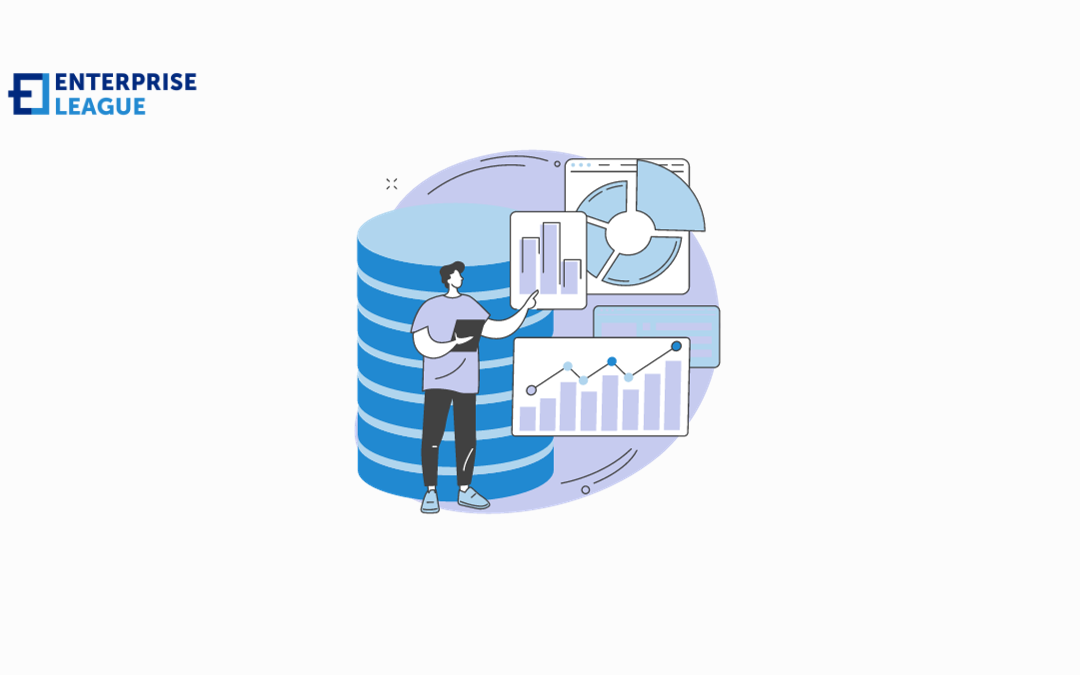
To stay competitive in today’s market, marketers must use data-driven insights to improve their campaign effectiveness and reach their target audience. Big data analytics is a powerful tool that helps marketers analyze trends in consumer behavior, predict future consumer trends based on current patterns, and improve campaign effectiveness by integrating relevant information into marketing campaigns.

The role of big data analytics in marketing

Big data analytics plays a pivotal role in unraveling insights from vast datasets, empowering businesses to make informed decisions, identify patterns, and grasp valuable information. This process is particularly crucial in shaping an effective digital marketing strategy, enabling organizations to discern the content preferences of their customers and the optimal timing for its delivery.

Furthermore, big data analytics provides a profound understanding of customer interactions with products or services, offering invaluable insights for enhancing the overall customer experience. This wealth of information can be harnessed to refine strategies, address pain points, and tailor offerings to meet customer expectations more effectively.

If you’re in search of reliable big data development services, consider exploring CHI Software’s expertise in this field. They provide a comprehensive suite of services dedicated to big data development, ensuring businesses can leverage the full potential of their data resources. To delve deeper into the offerings and capabilities of CHI Software in big data development, you can visit their website.

Leveraging customer insights for targeted campaigns

Customer insights are a crucial component of marketing, as they provide a deeper understanding of your audience and their needs.

Customer insights differ from customer data because they’re not just about knowing what customers have bought in the past, but also understanding their wants and desires. This allows you to create products, services, and experiences that meet those needs–and in turn create loyal customers who will stay with you for years to come.

Personalization and customization in marketing

Personalization and customization are two different concepts in marketing. Personalization refers to tailoring marketing strategies based on an individual’s preferences, needs, or demographics. For instance, if you browse a website and see advertisements for products you recently searched for on Amazon or viewed videos about on YouTube, that’s an example of personalization. The site recognizes your interests and uses them to shape their messaging.

Personalization helps marketers deliver content that directly appeals to consumers according to their unique interests. It also reduces wasted effort when trying to reach people who are not interested. However, due to the inherent variability between individuals in their tastes, interests, and needs, even identical messaging may not work similarly across all users. It’s imperative, especially for businesses like ours, operating online, to ensure that we remain constantly adaptable to changing consumer interests and preferences.

Analyzing trends and predicting consumer behavior

One of the most important ways that data can be used to transform your marketing strategy is by helping you to understand your customers better. This allows you to focus on what they want, and how best to provide it for them. Tools like Brizo foodmetrics can offer valuable insights into consumer behavior and preferences as well as insights that are relevant across various markets.

The first step in doing this is understanding their needs and wants–what drives their decision-making process? How do these differ from one person or group of people (e.g., age group) compared with another? What makes one group more likely than another group of consumers who have similar profiles when it comes down to buying decisions? These are all questions that need answering before any accurate predictions can be made about future purchase behaviors based on historical data analysis.

Improving campaign effectiveness through data-driven decisions

There are a number of ways in which you can use data to improve campaign effectiveness. Here are a few more ways to improve campaign effectiveness through data-driven decisions:

  • Personalize your messaging: Utilize data to personalize your communication and make it more relevant to your audience. By analyzing customer demographics, preferences, and behavior, you can create targeted messages that resonate with each segment of your audience. Personalization increases engagement and conversion rates.
  • Optimize your timing: Analyze data to determine the optimal timing for delivering your campaign messages. Consider factors such as the time of day, day of the week, and even seasonality. By understanding when your audience is most likely to be receptive, you can maximize the impact of your campaigns.
  • Monitor and analyze campaign performance: Use analytics tools to measure the performance of your campaigns in real-time. Monitor key metrics such as open rates, click-through rates, conversion rates, and ROI. Analyzing this data will help you identify trends, successes, and areas for improvement. It will also give you insights into which strategies and tactics are most effective.
  • A/B testing: Use data-driven A/B testing to compare different elements of your campaigns, such as subject lines, calls to action, creative design, and landing page layouts. By testing and measuring the performance of these elements, you can make data-backed decisions about what works best for your audience.
  • Use predictive analytics: Predictive analytics can help you anticipate customer behavior and make more informed decisions. By analyzing historical data and patterns, you can predict which customers are most likely to convert or churn, enabling you to create targeted campaigns and take proactive measures.

Remember, data-driven decisions are most effective when the data you use is accurate, relevant, and up-to-date. Regularly collect and update your data to ensure its quality, and continually analyze and iterate your strategies based on the insights gained from data analysis.

Integration of big data analytics with marketing technologies

Big data analytics is a key component of digital marketing strategies. However, it’s not enough to just have big data; you need to be able to use it effectively in order for your strategy to succeed, Here are some ways that you can integrate big data analytics with other marketing technologies:

  • Data integration — Integrating data from multiple sources means that you can pull information from different sources into one place and analyze them together as one dataset.
    This allows you better insights into how consumers behave online, allowing you to make more informed decisions about what kinds of ads should be shown where and when based on what people have already clicked on previously (or not).  
  • Automating processes makes things run smoother overall because there are fewer steps involved between starting something off until completion happens later down the line. Once all those initial steps have been completed successfully, first before moving further along towards completion itself.

Overcoming challenges in implementing big data analytics

Big Data Analytics is a new concept, which can be challenging to implement. Companies need to invest in technology and processes that allow them to capture, store, analyze and leverage the data they collect from multiple sources. They also need skilled professionals who can manage these activities efficiently.

Big Data Analytics requires companies to develop an efficient way of dealing with large volumes of unstructured data across multiple channels such as email marketing campaigns or social media platforms like Facebook Ads Manager or Google Ads Campaigns Manager; this includes analyzing content consumption patterns based on various factors such as location/geography information, device type used by consumers (mobile phone vs. laptop), time spent by consumers on specific websites etc., which makes it difficult for marketers who are not well versed with Big Data concepts or technologies like Hadoop Distributed File System (HDFS).

Another challenge companies face when implementing any new marketing strategy is ensuring that all aspects related to implementation align well together so nothing gets missed out during implementation phase itself. This would lead towards failure later down the line if something goes wrong during initial stages itself.

Conclusion

It’s important to remember that the goal of big data analytics is to give you a better understanding of your customers and their behavior. It can help you make informed decisions about your marketing campaigns and improve their effectiveness. 

More must-read stories from Enterprise League:

Related Articles

Unlocking the safety and efficacy of proxy browsing for remote workers

Unlocking the safety and efficacy of proxy browsing for remote workers

Unlocking the safety and efficacy of proxy browsing for remote workers

December 20, 2023

Proxy browsing is unlocking the safety and efficacy for remote workers

Using a proxy server can provide various advantages for remote workers. Proxies allow remote employees to route their internet traffic through an intermediary server, often providing increased security and anonymity. For remote workers connecting to company resources and applications, proxies give an extra layer of protection against cyberthreats by hiding the end user’s IP address and location.

For remote teams spread worldwide, using proxies levels the playing field and makes accessing internal tools faster by keeping cached versions for remote workers. With more organizations supporting remote work arrangements, securing networks with proxies helps IT teams protect corporate assets while enabling a productive experience for remote employees, no matter where they are located.

Two functions of proxies

Proxy servers act as intermediaries when you connect to the internet. Instead of connecting to the web directly, you first send your request to a proxy in another location. Then, it connects on your behalf. Anonymous proxies ensure that the target server does not know your identity. This achieves a couple of important outcomes.

First, you can signal a different location to the web server. Many websites restrict access to information based on visitor location. It can be a simple change, such as a different language UI, but it can also mean you are getting higher prices.

Proxies allow you to fight this privacy intrusion by concealing your original IP address. Instead, they show the location of the proxy server. Such a proxy function is essential for people who live in countries where the government restricts internet connection.

Another standout proxy function is ensuring your anonymity. If the website has your IP address, it can couple this information with other digital fingerprint parts and track your actions on the web. What’s worse is that websites often sell this information.

The government and your internet service provider (ISP) can also track you if you aren’t using proxies. They can see every website or service your IP address is communicating with in normal circumstances. But if you use proxies, they can access only that you are sending requests to one or a few proxy servers.

What is proxy browsing?

We all know how common web browsers work. You enter a URL, and a request is sent to the website’s server for it to be loaded on your screen. Proxy browsers are capable of incorporating an additional step into this process.

Instead of sending the request directly, it can route your traffic through a proxy server. So, when you send a request, it first reaches the proxy server, which disguises your connection. Proxy provides its own IP address as the requester, and your ISP only sees your connection to a proxy.

Once the website is loaded for the proxy server, it forwards all the data back to you, and the website appears on your screen. If you use quality proxy servers, this process happens in seconds with minimal performance loss.

But proxy browsers not only ensure privacy by disguising you, they also improve security. The web server no longer knows you as the original requester, so it’s almost impossible to perform any attacks. If the website sends any malware, the data will be routed through an additional layer of protection of the proxy server.

The best proxy browsers include many other privacy functions, such as fingerprint spoofing, blocking of trackers, third-party cookies, and ads. The most common proxy browsers are Brave, Vivaldi, and Dolphin Anty. These days, more popular browsers, such as Chrome and Firefox, can also integrate proxies.

Best proxies for proxy browsing

It’s important to choose the best proxy server for web browsing as it greatly impacts both the anonymity and privacy levels you can achieve with them. There are many ways to categorize proxies, but the main ones are in terms of IP origin and the protocol used. 

Datacenter proxies have their IPs created virtually and housed in servers with a commercial internet connection. Imagine a high-tech facility with network equipment and a fast business-tier connection. That is a data center. It performs many internet tasks – hosts websites, stores data, and provides proxy IPs.

These proxies are great when you need a large pool of IP addresses that can transfer a lot of data, but they have one drawback. It’s relatively easy for the website’s server to detect such IP addresses and restrict their access.

That’s why browsing the web with a datacenter proxy, although fast, might come with a lot of disruptions. CAPTCHAS and IP bans are common problems for datacenter IP users. 

Residential proxies host different physical devices for each IP address, and the internet connection is verified by the ISP. Think of it as web browsing with your friend’s home IP address – it’s unlikely websites will suspect you are using a proxy.

Residential proxies are more expensive and a bit slower than datacenter. It is a problem if you aim to download large files or perform web scraping. However, if your main aim is web browsing anonymously, there isn’t a better option than residential proxies.

Another thing crucial to know for proxy browsing is the difference in protocol types. Most websites use HyperText Transfer Protocol Secure (HTTP), which is used for text-based communication. Proxies with this protocol can be integrated with common proxy browsers and access common web pages.

However, advanced security and privacy features might require a more versatile protocol – SOCKS5. It is commonly used for traffic-heavy data packet transfers. It’s especially fast, but more importantly, it’s more versatile.

While HTTP and HTTPS proxies can only work with these two protocols, SOCKS5 all kinds of traffic you might need – FTP, UDP, TCP, and others.

We recommend using Residential SOCKS5 proxies. They will achieve better performance for large files and better integration with more sophisticated proxy browsers. Also for secure and efficient proxy surfing for remote workers, we recommend Nodemaven Proxy, which is a particularly useful solution.

Conclusion

As more organizations shift to flexible, remote-friendly policies, securing employee internet traffic via proxies is key to protecting corporate assets without compromising efficiency and work output. Investing in reliable proxy solutions for the remote workforce allows businesses to reap the benefits of a geographically-agnostic, cloud-connected, yet securely-accessed workforce.

More must-read stories from Enterprise League:

Related Articles

Stages of product development when you’re creating a new physical product

Stages of product development when you’re creating a new physical product

Stages of product development when you’re creating a new physical product

December 20, 2023

Product development stages when you're creating a new physical product

Bringing a new physical product to life can’t happen by accident. You need a structured plan in place to make an idea a reality.

Understanding the stages of product development ensures you navigate this process effectively. From early conception to full-scale production, every step must be carefully planned and executed. Let’s look at what you need to do to succeed.

Start with market research and idea validation

Before diving into the creation of a new product, it’s vital to understand your market. Conduct thorough research to uncover customer needs and preferences that aren’t currently met. Engage with potential users through surveys, focus groups, or interviews – their feedback is priceless in shaping your concept.

For example, if you’re looking to develop an innovative kitchen gadget, visit food fairs or cooking classes and talk directly with culinary enthusiasts. Look for patterns in frustrations with existing products; maybe there’s a common complaint about hard-to-clean tools or inefficient designs. Use this data not just as inspiration but as proof that there’s demand for something better – validating your idea early on reduces risk later in the product development cycle.

Knowledge about what your target audience truly wants is foundational. Without this step, even brilliant ideas may falter because they don’t resonate with consumers’ actual desires.

Design, prototype, and iterate your concept

Once you’ve validated your idea, it’s time to give it form. Start designing your product with functionality, aesthetics, and user experience in mind. Tools like Autodesk Fusion software, a CAD (Computer-Aided Design) platform, enable precise modeling and adjustments of your concept.

Create prototypes to bring your digital designs into the physical world. This step is essential – a tangible model helps identify design flaws that aren’t obvious on screen. A common approach is 3D printing; it’s fast and cost-effective for creating initial prototypes you can hold, use, or show to potential customers.

For instance, if you’re developing a water bottle with a unique filtration system, produce several prototypes to test different filter types and bottle shapes.

You could even make use of low-volume injection molding to prototype and iterate, which is quicker and more scalable than additive manufacturing.

Regardless of the approach, each iteration should incorporate feedback from testing until you reach an optimal design balance between practicality and innovation. Iterative prototyping thus bridges the gap between concept sketches and a market-ready product.

Test prototypes with real-world users

Once your prototype is in hand, it’s crucial to put it to the test. Get your product out there and let real-world users interact with it. This stage goes beyond basic functionality – you’re looking for user experience insights and emotional reactions that can only come from hands-on use.

For instance, imagine a revolutionary travel backpack as your product. Provide sample prototypes to avid travelers and ask them to take your backpack on a short trip. Gather their feedback on everything: comfort level during wear, ease of accessing compartments, even the style appeal. Watch how they use the backpack naturally; do they struggle with zippers or finding pockets? Each detail they share is invaluable for refinement.

User testing may reveal surprising ways people interact with your design – be prepared to learn and adapt based on real feedback. This stage often leads back to iterating prototypes before moving forward.

Finalize product design for manufacturability

Your product isn’t just an idea anymore; it’s a prototype vetted by real users. Now, it’s time to refine your design for the manufacturing process. At this stage, collaboration with engineers and manufacturers is key to ensure that your product can be made efficiently without compromising quality.

Consider materials, production methods, and cost implications. For example, you might have a feature in your prototype that looks great but is too complicated or expensive to produce at scale. You’ll need to find the right balance between design intent and practical manufacturability.

Also take into account the assembly of parts – simplifying this can greatly reduce labor costs. Work closely with suppliers who may offer insights into materials that could improve durability while cutting costs. The goal here is to finalize a design that maintains your vision but fits within budgetary constraints and practical production capabilities.

Ramp up to full-scale manufacturing

With your product design ready, it’s time to scale up. This crucial phase, full-scale manufacturing, demands a well-planned approach to meet demand forecasts without overproducing.

Firstly, ensure that your supply chain is robust and capable of handling increased orders. It’s also wise to gradually increase production volume rather than jumping straight in. If you’ve created a new type of ergonomic office chair, for instance, start by fulfilling a significant order before opening the floodgates. Monitor this closely for any quality control issues or supply delays.

Also negotiate long-term agreements with suppliers now that you have bigger orders – this can often secure better unit prices and prioritize your needs with manufacturers. Getting this stage right means meeting customer expectations timely while managing inventory efficiently – balancing anticipation against reality.

Conclusion

These stages sound simple in theory, but their practical application won’t come easy until you have experience under your belt. Getting guidance from seasoned experts will of course iron out kinks efficiently, so don’t forget to listen to input from others as you develop a physical product.

More must-read stories from Enterprise League:

Related Articles

7 strategies to propel your career in human resource management

7 strategies to propel your career in human resource management

7 strategies to propel your career in human resource management

December 19, 2023

Propel your career in human resource management<br />
Human Resource Management (HRM) is no longer restricted to hiring and firing in today’s ever-changing business. Instead, it has become a strategic partner critical to an organisation’s success. So, congratulations if you’ve picked HRM as a career path.

You have a dynamic, difficult, and extremely gratifying job. But how can you remain ahead and establish a name for yourself? We’ll look into seven powerful tactics that can jumpstart your career in human resource management to help you. It will be a changing adventure, so get ready to take notes.

Taking your career in HRM to the next level

The following are seven strategies that can help propel your career in human resource management:

Expand your knowledge base

HRM is a vast field, and it’s essential to have a comprehensive understanding of the different facets of HR. This includes knowledge of employee relations, compensation, talent acquisition, performance management and more. To stay ahead in your career, you must continue to learn and develop your knowledge base. 

To do this, you can enrol in traditional or online courses and earn certifications. Online courses are usually more flexible and affordable. This makes balancing your work and education easier. You can learn more about online studying options here and find the best fit. With diverse skills and expertise, you’ll be an invaluable asset and stand out in the job market.

Develop strong communication skills

Strong communication skills are essential for an HR practitioner. Communicating effectively with all personnel, from entry-level workers to senior executives, is critical. You can listen, understand, and communicate information with good communication skills. 

They also assist you in developing relationships, resolving issues, and promoting a great work culture. Listening carefully, speaking clearly, and being friendly can help you improve how you talk to people. Attending communication workshops or seminars can also be effective. 

Build a strong network

Networking is an important element of any career, and HRM is no exception. A solid network enables you to interact with other professionals in your field, learn from them, and trade ideas. Plus, it can assist you in discovering potential job paths and staying current with market trends. 

Attending HRM conferences, seminars, and training is a great way to meet people with similar interests. You can also join professional HR organisations or engage in online forums to expand your network. A strong network enhances knowledge and opportunities in the HRM industry.

Develop problem-solving skills

As an HR professional, you’ll face daily problems, like employee disagreements and changes at work. When applying for HR roles, tools like Monster’s free resume builder can help you present those skills clearly and professionally. Problem-solving abilities will assist you in dealing with them successfully and quickly. Thinking critically and creatively is a useful quality in human resource management.

Active listening is one approach to developing problem-solving abilities. This requires you to be present and engaged while someone is speaking to you without interrupting or rushing to conclusions. Active listening enables you to identify the underlying cause of a problem and devise the best solution for all parties involved.

Stay up-to-date with hr laws and regulations

Human Resource Management is a regulated industry; staying current on the newest laws and regulations is your job. Examples are employment laws, tax codes, labour standards, and other regulations. Not following these regulations could cost you and your organisation legal fees.

You can attend seminars and workshops or subscribe to HR newsletters and magazines to stay current. This will help you avoid legal troubles and showcase your knowledge and expertise in the field.

Embrace technology

Technology has revolutionised HRM, making processes more efficient and effective. As an HR professional, keeping up with the latest technology trends and how they can enhance your work is essential. 

This may include implementing HR software for recruitment, performance management, and employee training. Furthermore, possessing technological abilities will set you apart in the job demand and add value to your resume. New HR technology can be learned from online workshops, courses, and industry leader webinars.

Gain diverse experience

To excel in HRM, you must have a broad range of experience. This may require working in multiple industries, HR departments, and workplace cultures. It’s essential to seek opportunities for growth and challenge yourself by taking on new tasks or projects.

Consider job rotation or international assignments to gain cross-cultural experience and global perspectives. This will make you a well-rounded HR professional and open up new career opportunities.

Conclusion

A career in Human Resource Management is a constant learning, growth, and development journey. You may excel by broadening your knowledge, improving your communication and problem-solving skills, staying current on legislation, embracing technology, and acquiring diverse experiences. 

More must-read stories from Enterprise League:

Related Articles

Bali 2025 property market: Discover your dream home

Bali 2025 property market: Discover your dream home

Bali 2025 property market: Discover your dream home

December 18, 2023

Discover your dream home on Bali property market

In 2025, Bali’s property market is going through a major change that reflects the changing preferences of buyers and investors. Known for its breathtaking scenery and vibrant culture, the island is witnessing a shift in its real estate dynamics, characterized by rising demand for high-end and eco-friendly properties, and a surge in commercial real estate in 2025. These trends are reshaping property in Bali for sale, offering diverse opportunities for those seeking their dream home or investment in this idyllic destination.

Increasing desire for exotic real estate

Bali is experiencing a rising interest in opulent homes in 2025, driven by a shift from traditional hotel accommodations to more unique and personalized living spaces. Luxurious real estate, such as magnificent homes, estates on the beach, and elegant townhouses, is drawing in wealthy purchasers and speculators seeking exclusive residences that offer privacy, luxury, and unique experiences. The allure of these properties is further magnified by Bali’s natural beauty and serene environment, making them highly desirable for those seeking the quintessential island lifestyle.

The Bali’s need for opulent real estate is influenced by several factors:

  • Personalized accommodations: There is a growing preference for accommodations offering a more personalized and private experience than traditional hotels.
  • Investment potential: Luxury properties in Bali are not just seen as homes but also as lucrative investment opportunities, with potential for appreciation and rental income.
  • Lifestyle appeal: The allure of living in a tropical paradise, coupled with the high standard of living that these properties offer, makes them highly desirable.

Focus on eco-friendly properties

Bali’s real estate market is witnessing a significant shift towards sustainability, reflecting a global trend and a growing environmental consciousness among buyers. Developers in Bali are increasingly focusing on creating eco-friendly properties, a move driven by the demand for living spaces that are both environmentally responsible and luxurious. These properties are not just about minimizing impact on the environment; they also cater to the growing segment of the market that values a sustainable lifestyle. This emphasis on green development is evident in the use of renewable energy sources, sustainable designs, and green building materials. Integrating these elements in property development is transforming the real estate landscape in Bali, making it a frontrunner in sustainable living.

Furthermore, many eco-friendly properties in Bali are designed to harmonize with the island’s natural surroundings. This design philosophy involves creating living spaces that blend seamlessly with Bali’s unique landscapes, preserving its beauty and biodiversity. Such properties often feature extensive use of natural light, open spaces that encourage airflow, and landscaping that reflects the local flora. This approach to property development not only enhances the aesthetic appeal of these homes but also provides residents with a living experience that is deeply connected to nature. The combination of modern comforts and a commitment to environmental sustainability makes these properties particularly appealing to those seeking a harmonious and eco-conscious lifestyle in Bali.

Surge in commercial properties

Bali’s evolution into a popular business destination is leading to a rising demand for commercial properties. The island is attracting digital nomads, entrepreneurs, and businesses, creating a need for office buildings, coworking spaces, and commercial centers. These spaces cater to a new generation of professionals who seek flexibility, connectivity, and a balance between work and leisure. The growth in commercial real estate reflects Bali’s evolving economy and its appeal as a global business hub.

The commercial property market in Bali offers diverse opportunities. Coworking spaces are favored by independent contractors and digital nomads who seek a collaborative and flexible work environment. There is also a demand for modern office spaces that cater to local and international businesses expanding in Bali. Additionally, the growth in tourism and business activities is driving the development of new retail outlets, restaurants, and hospitality venues, further broadening Bali’s market for commercial real estate.

Impact of global trends on Bali’s market

Bali’s real estate market will be greatly impacted by global real estate trends in 2024. The increasing mobility of the global workforce and the rise of remote working models are impacting the kinds of properties that are in demand. There is a growing interest in properties that can accommodate home offices and supply fast internet connectivity. Additionally, the global trend towards experiential living is leading to the development of properties that offer unique lifestyle experiences, such as wellness retreats and eco-tourism resorts.

These global trends are encouraging developers in Bali to innovate and cater to a more international audience. Properties that can offer a blend of local cultural experiences with modern amenities are particularly appealing. This alignment with global trends is not only attracting a broader range of buyers but is also positioning Bali as a forward-thinking and adaptable real estate market on the international stage.

Regulatory landscape and investment opportunities

An essential component of investing in Bali’s real estate industry is navigating the regulatory environment in 2024. Foreign investors need to be aware of the specific laws and regulations that govern property ownership in Indonesia. While there are restrictions on foreign ownership, there are also opportunities, particularly through leasehold arrangements. Understanding these legal frameworks is essential for making informed financial choices and guaranteeing adherence to regulations.

The investment opportunities in Bali’s property market are diverse, ranging from residential villas and commercial spaces to unique property types like wellness retreats and eco-resorts. Investors looking to capitalize on Bali’s market need to carry out exhaustive market research, understand the local regulatory environment, and consider partnering with local experts. With careful planning and strategic investments, Bali’s property market in 2024 offers significant potential for both financial returns and personal enjoyment.

Conclusion

In conclusion, Bali’s property market in 2024 presents a dynamic and varied environment for prospective investors and homeowners. The increased demand for upscale and eco-friendly properties, along with the surge in commercial real estate, reflects the island’s growing appeal as a residential and business destination. For those looking to discover their dream home or seize investment opportunities in Bali, understanding these market trends is crucial.

More must-read stories from Enterprise League:

Related Articles

10 traits of a successful businesswoman in 2026

10 traits of a successful businesswoman in 2026

10 traits of a successful businesswoman in 2026

December 18, 2023

Superpowers of businesswomen

Being a woman is hard, being a woman entrepreneur is even harder. So it leaves us with a big question – what are the crucial characteristics of a businesswoman? 

Even though there are many successful female entrepreneurs today, we are a long way from professional gender equality in every industry. Us being us, and us being all for gender equality – decided to make a list of characteristics of a businesswoman. Why? To inspire women (regardless of their gender) to reach for the stars, whether the stars are a higher-ranking position or starting a business on your own. How? Best believe this list will convince you that all women possess the necessary skills of a business woman. 

 1.Emotional Intelligence

 2. Adaptability

 3. Multitasking

 4. Perseverance

 5. Intuition

 6. Collaborativeness

 7. Eagerness for self-improvement

 8. Having mission and purpose

 9. Seeing the big picture

 10. Never satisfied with status-quo

10 characteristics of a businesswoman 

Let’s get one thing clear – everyone can be successful in business no matter their gender. Having said that, it is scientifically proven that women have certain genetic predispositions that can be used as strengths in business.

We wanted to explore and get to know the strengths of a business woman in detail. With that in mind, we asked both female and male business experts to share their opinions on what makes women more unique business leaders than men.

Emotional intelligence

The one characteristic that I believe is the greatest distinction between the two genders is emotional intelligence. Empathy, awareness, adaptability, and inspiration are all areas of emotional intelligence (also known as ‘soft skills’) that women in leadership excel in compared to their male counterparts. 

These types of skills of a business woman can foster relationships, coaching, and general rapport in the workplace community and lead to better employee retention. Also having well-developed conflict resolution and teamwork skills tend to fall under this umbrella of emotional intelligence as well. Generally, women continue to hone and develop these skills with age so they just naturally grow into more effective leaders.

Tara Dupuis, Founder and Owner of Tara Dupuis LLC

Adaptability

I believe women bring the right level of teamwork, adaptability and collaboration. Those are the fundamental characteristics of a businesswoman. Women display the same gender-based attributes as males, and vice versa and many attributes are reflections of perceptions and biases in our society. 

These softer skill sets that translate from friends and family to the office can be harnessing relationships to achieve solid business success. As an entrepreneur, I found I could often be authentic and build familiarity with my partners quickly which is one of the secrets to a good partnership.

Liz Kwo, Deputy Chief Clinical Officer at Anthem

Multitasking

One strength that female leaders have that men typically don’t is the ability to multi-task while remaining effective and efficient. There are opinions on both sides on whether multi-tasking is a good thing or bad. One camp feels that if you are multitasking then you are never giving anything your 100% undivided attention. I happen to think this is an excuse men give for not being very good at it. 

The other camp, and the one I happen to fall into, believes that multi-tasking brings out my best work. I am a female entrepreneur and work best under pressure. Multitasking brings on a unique level of pressure but also relieves it at the same time.

Jaclyn Strauss, CPA and Founder of My Macro Memoir

Perseverance

Female entrepreneurs are a force to be reckoned with in the world of business today. A skill they possess that is an advantage compared to their male counterparts is their perseverance. Women are mentally tough, which is an asset for an entrepreneur. Females have persevered throughout history despite limits placed on them by men in power. This trait serves a female entrepreneur well in her endeavors.

David DiLorenzo, President of Valentino Beauty Pure

Intuition

One of the biggest strengths women have that men generally do not possess is intuition. Strong female leaders not only rely on facts and data to make decisions, but they can tap into their intuition to guide them as well. Often, intuition is what guides them through the ups and downs of business

Women are also excellent at reading their teams and understanding where there may be trouble spots. For example, they can sense when a member of their team is having trouble outside of work or someone is struggling on a project. By leveraging this skill they are able to build teams of loyal followers because their employees feel valued and understood

Intuition can be honed over time and developed, however, some women may ignore their intuition if imposter syndrome is at play. Women who seek to improve their intuition will need to overcome imposter syndrome and limiting beliefs first. Fortunately, intuition is something we’re all born with and no one can take away from us.

Karin Freeland, Founder of Karin Freeland Life Coaching

Collaborativeness

Women tend to be highly collaborative, so collaborativeness is one of the greatest characteristics of a businesswoman. In my experience, we see the competitive landscape as less of a zero-sum game and are open to exploring formal or informal partnerships. In other words, they are masters of all forms of networking. This leads to an edge in cultivating strategic alliances, both with vendors and even with competitors.

Whitney Hill, Co-Founder and CEO of Snap ADU

Eagerness for self-improvement

They are more conscious of looking for ways to improve themselves and finding things they can improve in their everyday business operation. Many will be more willing to learn from other women entrepreneurs before them and ensure they are doing everything they can to make sure they are as good as they can be in business.

Women in business may not be able to get by just by working hard and being talented – they need to be as impressive as they possibly can be by gaining as much business knowledge as possible. Self-growth is something I really focus on during my time in business and, especially, since I became a founder and that’s why I consider it to be one of the best characteristics of a businesswoman.

Lindsey Allard, CEO and Co-Founder of PlaybookUX

Having mission and purpose

What I really admire about women in business is that they often attach a mission to their business. They have a true purpose for their work and what they want to create and an even stronger ‘why’ behind it. Being mission-driven is a big leadership quality that so many successful high-achieving women possess.

Ali Brown, Founder and CEO of The Trust

Seeing the big picture

One of the characteristics of a businesswoman, that all women possess but men usually don’t, is being able to see the big picture. Women are often steps ahead of their competition, not only solving what’s in front of them but picturing hurdles that will have to be faced due to the original solution. We are always thinking ahead. We communicate effectively and efficiently, can lead others and give criticism with grace, and are the brainpower behind the most important decisions. That is why we are leaders.

Kelly Shoul, Owner of In Love and Adventure

Never satisfied with status-quo

Female leaders are both empowering and inclusive, and – in my experience – more so than their male counterparts. Also, while women have been historically viewed and stereotyped as emotional leaders by men, I believe they are just passionate explorers in pursuit of excellence. 

When women leaders are not satisfied with the status quo, they want to make things better. Whether they are looking for ways to increase their business growth or to increase online sales – they will certainly find one. These women leaders get things done and avoid procrastination by using their tenacity to feed their passion for success and equity.

Andrea Heuston, Co-founder and CEO of Artitudes Design

Conclusion

Isn’t it obvious by now? All the characteristics of a businesswoman prove that women can be superheroes too. And not just any superheroes, but superheroes in business. Therefore, if gender was your obstacle to success we just proved the opposite. And yes, it takes a lot of work, you have to dedicate yourself fully and more times than not you have to sacrifice something for achievement – but it is worth it if it is your dream. Now go and reach for the stars.


More must-read stories from Enterprise League:

Related Articles