
How to keep your business running during a crisis

How to keep your business running during a crisis

How to keep your business running during a crisis

January 02, 2025

Commuting for work is slowly becoming harder and harder, nearing close to impossible during this time of crisis. With many people panicking about the spread, and governments taking drastic preventive measures, businesses are starting to see rapid decline in traffic. No business owner wants to shut down their business if they don’t have to, and as things are progressing most of them have to.

For certain industries, types of companies and businesses, work can continue in one form or another, whilst taking extra safety precautions. With the pandemic crisis worsening, you as a business owner have to pause for a second and ask yourself “What’s my Plan B? Do I have a plan how I will manage by business in a crisis”.

Make a crisis management contingency plan

In order to protect your business and keep it running in the midst of a crisis, you need to do a lot of risk planning. Having a contingency plan will outline the steps your company should take in the event of a crisis. Your plan should clearly state the measures you are going to take in regards to your employees and business operations.

During a pandemic crisis make sure you include: steps you are taking to protect your employees, what you plan to do if an outbreak happens in your business, ways employees can contact you in cases of emergency and what may happen to your business operations if the business is infected.

Move your business online

Most brick and mortar businesses can become great online businesses with a few tweaks. If you have an in-person trade, this might actually be an opportunity to expand your reach or adapt your service. You can move your scheduled classes online, set up an online store and so on, the only limit is your imagination.

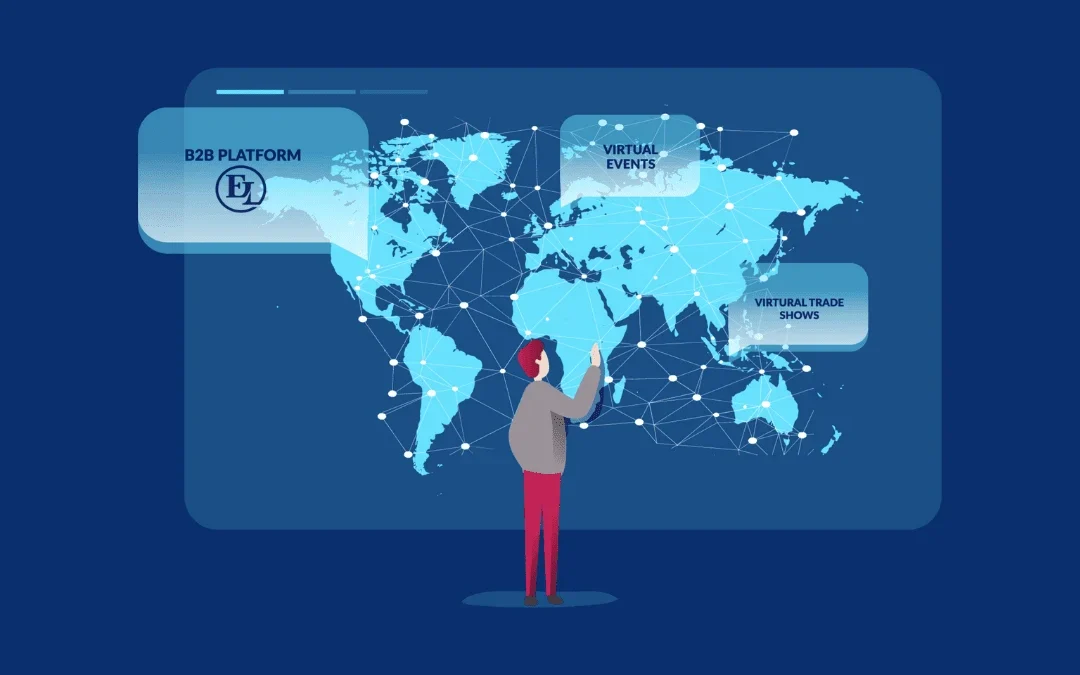
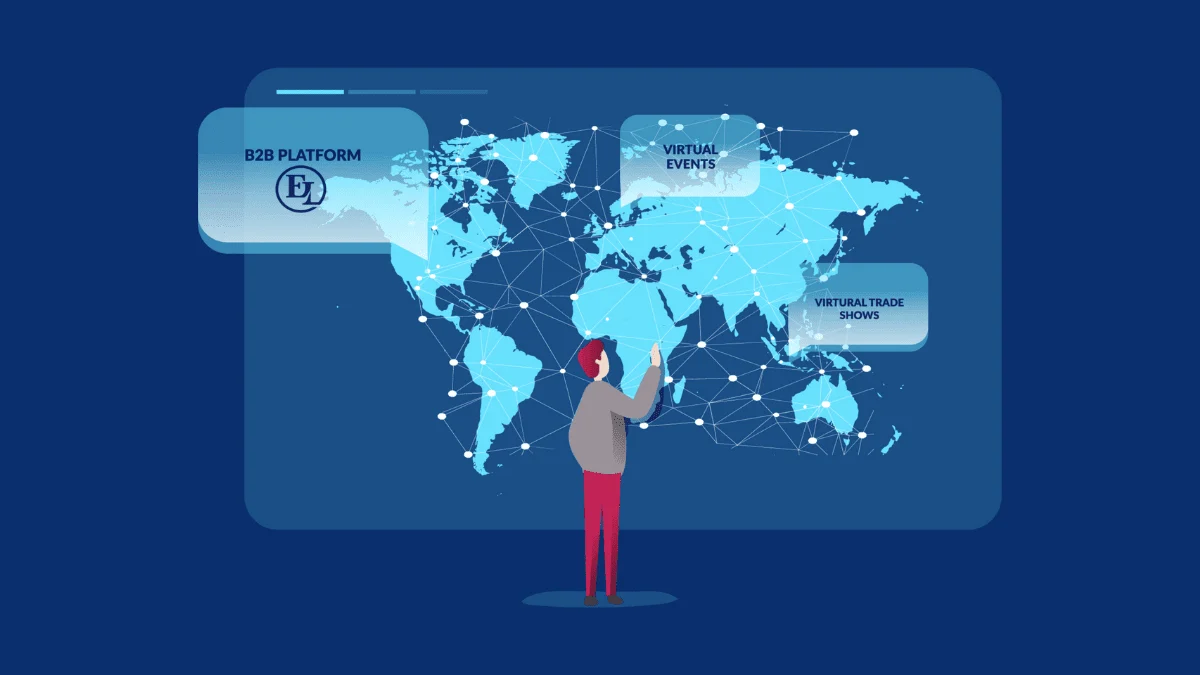
For B2B operating businesses, EL B2B platform is a fantastic way to keep up your business operations running, generate new business deals and identify opportunities completely remotely. A crisis is the final moment when you should utilize all resources in your hands to keep your business afloat.

Adapting to how things are during a crisis, and moving your business online can increase your chances of surviving and even thriving when the crisis is over.

Adopt a work from home policy

Finding alternative work arrangements can really keep your business running during a crisis. Moreover, having a work from home policy offers a variety of benefits to both the remote employee and their employers. If you can introduce a work from home system and create specific guidelines to ensure all employees understand what exactly is required from them when they work remotely. Some of the key elements include: proper technology, secure connection, implementing active communication, setting clear expectations and most importantly – trusting your employees.

Depending on your industry and business, working from home may not be possible to implement. However, if at all possible, consider implementing it and make your company operations swift to be fully remote. Not only will it keep your business running during a pandemic crisis, it will also protect everyone’s health, lower some of your costs and increase the efficiency of your employees.

Step up your cleaning game

If implementing a temporary work from home arrangement, or moving your business online is impossible for you, it is necessary to sanitize your business on the daily. Regardless of how often your business was being cleaned till now, whether it be once a week or once every day, you need to step it up and do it more frequently.

Implement a mandatory rule for employees to disinfect their work stations daily (or maybe even multiple times per day), request sick employees not to come to the office, be flexible with sick leave, and most importantly stack up on soap, disinfectants and hand sanitizer. Because nothing keeps a business running in crisis, like happy and healthy employees.

Take advantage of government help programs

The current crisis is hitting the business world and economy hard, but there is no need for panic because Government help and Small Business Reliefs are on the way!If your business is struggling to gather funds to cover your business expenses due to the crisis, you are not out of luck just yet.

As part of its budget announcement, the governments around the world announced a number of welcome measures to help small businesses cope with coronavirus, including support for those that need to pay statutory sick pay and changes to the benefits system to help employees on zero-hour contracts. The help available varies from Government Grants, to Business Loans, help with tax and VAT, help with salaries and so on… just to help business’ keep running during crisis.

Conclusion

While no one can predict every challenge that might come your way, having solid plans in place and staying flexible can make the difference between shutting down and pushing through. Whether you’re facing your first business crisis or planning ahead for the next one, remember that preparation and adaptability are your best tools. After all, it’s not about avoiding every storm but learning to dance in the rain.

More must-read stories from Enterprise League:

Related Articles

The Importance of Local Link Building for Small Businesses

The Importance of Local Link Building for Small Businesses

Small businesses today face intense competition online, making it essential to use every available strategy to gain visibility and attract customers. While many business owners understand the basic concepts of search engine optimization, they often overlook one of the...

read more
Building team accountability in distributed systems

Building team accountability in distributed systems

You can draw the neatest architecture diagram, pick the trendiest frameworks, and still find yourself on a midnight incident call where everyone says, "I thought someone else owned that." That moment is familiar to anyone who runs distributed systems: the technology...
read more

Sales Tactics: What to do after a client says ‘I will think about it’

Sales Tactics: What to do after a client says ‘I will think about it’

Sales Tactics: What to do after a client says ‘I will think about it’

January 02, 2025

When it comes to building a successful business, mastering the right sales tactics is of immense importance. Nevertheless, it is important to understand that you are not the Wolf of Wall Street  – it’s a fantastic movie, yes, but not the sales Bible you should swear by. While you can learn a thing or two about how to close a deal from Jordan Belfort, we advise you to stick to the legal side of sales tactics.

In this article, we’ll tackle the issue of closing a deal when a client says they want to think about your offer. There are five ways to approach this kind of situation, all of which contradict each other to some extent. What does this mean? Every client is a different story and not all sales tips will work with them. You should trust your intuition and past experience when deciding which way to go with them.

Understand the reason

“The most important thing is to prove you can be useful and add value to their business or role. I send relevant articles and tips and show them what competitors are doing. I’m also upfront and ask directly what it is they’re waiting for and the address this. For example, if they’re waiting for their boss to sign off costs I give them case study data.” – Charli Hunt Proof Content.

Charli has a good point here: you need to dive deeper in their objection. Ask the right questions to get to the source of the hesitation and then work on removing it by offering the solution they need. You need to make them feel comfortable with their decision to move forward.

For instance, Justin Bryan from Winning Ways uses humour to remove the tension: “I’m direct in a comedic way – ‘The only people that come back are Terminator and Jesus you don’t look like either so let me ask you, where did I lose you?’

There’s an underlying objection you need to pull out of them.” 

By the same token, you can also respond like this:

– Great! You should definitely think this over. Tell me though, on a scale of 1-10 where do you lie? 1 being   ‘not for me at all’ and 10 being you wanna get started today.
– They say 6.
– Great! Why didn’t you choose 5?
– They tell you the reason.
– Well what can I do to get you to a 10 today?

Sometimes the obstacle on the way of closing the deal is that you failed to articulate the value or guarantee. In this case you have to reframe the entire conversation and give them the value on a platter. 

However, more often than not, it’s the cost that worries clients. In such situations you can most certainly close the deal by giving them a discount or multiple payment methods they can choose from.

Don’t be pushy

Remember that before becoming an entrepreneur yourself, you were a client too. In fact, you’re still a client to someone. Being pushy, aggravating or annoying will only lead to a dispute and you’ll likely lose the client forever. You don’t want to be a telemarketer, do you?

Don’t hurry it up for them. Let them know you support their decision to think or talk it through with their partners or superiors. By pressuring them you’ll only burn the bridge down. Not to say that they will probably tell about the bad experience they had with you to everyone they know, and that’s more bridges down.

A simple “Looking forward to hearing from you again” and “Have a wonderful day” will take you a lot further than an aggressive attitude. It shows that you respect them as a person and you’re not only interested in their money.

In addition, if during your conversation with them you realise your services or products are not for them, you should point them to the right direction even if that’s your competition. They will most certainly remember your selflessness and return to you at some point.

Follow up

Once you hear the notorious ‘I will think about it’ you can politely ask them how long will that take and when can you reach out to them again. Moreover, you should let them know they can contact you anytime if they have some questions.

This is what Laura Cutress from Laura Rose Creative teaches business owners to do:

“Something I work on frequently with business owners is helping them communicate the VALUE of their offering, not just the price. Something that is very useful after the initial ‘pitch’ is sending over a detailed proposal email/PDF with a little bit more about the offer, complete with testimonials, and product or service breakdown and 3 packages/offers at different price points. This is the perfect follow up opportunity to get them on board with your brand, let them select the right package at a price that works for them, and convert them from a ‘Maybe’ to a ‘HELL YES!’ “

Create urgency

This approach should be taken with a dose of precaution. Because it means you’re selling on price and not on quality.

Nonetheless, it has shown to be quite effective. People are usually inclined towards special deals. It makes them feel… special! Although you’re a salesperson, they want you to be their friend and treat them better than you treat the rest by offering them a good deal.

So, you can create an urgency with an offer that expires soon, a special discount they only get today, or something of the sort.

Move on

Salespeople often have a saying that says it’s always better to go for the early ‘No’. While it is something you don’t really want to hear, it will save you a lot of time, effort and heartache. The truth is, not everyone will or should accept your deal. Getting a ‘no’ is not the end of your business.

Experience shows that “I will think about it” is usually a code for “I’m not interested”. Of course, there are exceptions to this, but in the majority of situations it’s what it means.

You can ask them to choose between ‘yes’ or ‘no’ right away but it can sound too pushy, and you remember what we said about it. The safest option here is to presume it’s a ‘no’. Best case scenario – they might come back with a ‘yes’. Worst case scenario – you were right, you moved on and closed dozens of other deals in the meantime, instead of wasting time waiting on them.

Conclusion

Listen more than you talk, this way you’ll be able to hear their real needs and offer them exactly what you ask. Approach every client with respect and remember that they’re all different. What worked with one, might not work with another. 

More must-read stories from Enterprise League:

Related Articles

The Importance of Local Link Building for Small Businesses

The Importance of Local Link Building for Small Businesses

Small businesses today face intense competition online, making it essential to use every available strategy to gain visibility and attract customers. While many business owners understand the basic concepts of search engine optimization, they often overlook one of the...

read more
Building team accountability in distributed systems

Building team accountability in distributed systems

You can draw the neatest architecture diagram, pick the trendiest frameworks, and still find yourself on a midnight incident call where everyone says, "I thought someone else owned that." That moment is familiar to anyone who runs distributed systems: the technology...

read more

What are the online alternatives to B2B trade shows

What are the online alternatives to B2B trade shows

What are the online alternatives to B2B trade shows

January 02, 2025

More and more businesses are seeking virtual alternatives to the B2B trade shows and exhibitions they can no longer attend due to the pandemic lockdown. What options are there on the market? Can we get the trade show sales and connections online? In critical times of uncertainty like we are facing today it is crucial to review what online alternatives to trade shows are there. Small businesses invest a considerable amount of money to be present at business trade shows and B2B exhibitions as a means to reach more new clients and get business leads. Luckily with digitisation we are able to get the same benefits remotely via online business trade shows, B2B platforms and virtual events.

Online trade shows alternative to physical trade shows

Online trade shows are a relatively new concept and are still perfecting their functionalities as there are limitations compared to traditional physical trade shows. Some virtual trade show organizers like Hyperfair are trying to enable companies to showcase their business in a virtual reality world resembling the once-popular SecondLife. These shows function like an ordinary online directory and there is some adopting 3D technology. At these virtual business trade shows you don’t have to leave your office, nor be all day at your booth. Rather you can continue with your office work until someone stops at your virtual booth.

B2B platform like a online trade show but active 24/7

B2B platforms, on the other hand, offer the benefits of virtual trade shows with the further advantage of being online constantly, getting real-time notifications when someone is interested in your company and most important of all you can post and bid on business tenders. Small businesses no longer need to waste considerable amounts of money and time to attend physical trade shows or business exhibitions to get new business deals and make sales. By being present on a B2B platform like Enterprise League, small businesses can reduce significantly their cost-per-lead ratio, save time by continuing business as usual operations and both, directly and indirectly, attract potential collaborations.

If small businesses are resourceful they can identify ways to continue their B2B networking and lead generation operations online. B2B platforms are an ideal online alternative to B2B trade shows and exhibitions, which require minimal setup. You can create your company profile within a couple of minutes and immediately begin actively showcasing your offerings as if you would at a business trade show but remotely. Utilizing such a B2B platform as an online B2B trade show will help you save costs, increase and track sales data in real-time. B2B platform’s AI technology has the potential to revolutionize the way physical and remote trade shows work and become a fusion of a constantly active show with quick lead generation and sales benefits.

Conclusion

 Whether you’re hosting digital product launches, running virtual networking events, or creating online showrooms, these digital alternatives aren’t just Band-Aid solutions – they’re powerful tools that can complement or even enhance your B2B marketing strategy. The future of B2B networking might just be a hybrid one, where the best of both worlds comes together to create stronger business connections.

More must-read stories from Enterprise League:

Related Articles

The Importance of Local Link Building for Small Businesses

The Importance of Local Link Building for Small Businesses

Small businesses today face intense competition online, making it essential to use every available strategy to gain visibility and attract customers. While many business owners understand the basic concepts of search engine optimization, they often overlook one of the...

read more
Building team accountability in distributed systems

Building team accountability in distributed systems

You can draw the neatest architecture diagram, pick the trendiest frameworks, and still find yourself on a midnight incident call where everyone says, "I thought someone else owned that." That moment is familiar to anyone who runs distributed systems: the technology...

read more
The power of Word of Mouth and how to leverage it

The power of Word of Mouth and how to leverage it

The power of Word of Mouth and how to leverage it

January 02, 2025

Word of mouth strategies for businesses

Rebeca Mackay Miller, founder of BLOC + ROSE, discusses word of mouth and why it should be on your top priority marketing list.

A few weeks ago, I saw a call out for companies to share their ‘creative’ word of mouth marketing strategies. I devoured the request like a kid in a sweet shop, but it seems I was alone in my enthusiasm. 

I wasn’t surprised. 

Word of mouth (WOM) in its purest sense; organic conversations about brands that take place between real people, isn’t cool anymore. Or more to the point, other things are cooler. Influencer marketing has stolen its crown, creativity in this context now comes from the content creators, not the brands. My own somewhat unimaginative word of mouth marketing strategy lays testament to this. But more on that later. 

Regardless of the cool, or even the creativity factor, word of mouth marketing is undeniably powerful. 83% of us trust the opinions of friends and family over advertising and the same percentage act based on those recommendations. 

It’s also hugely effective. According to a 2014 study word of mouth amplifies the effect of paid media by 15% and just one offline WOM impression is 5x (up to 100x) more effective than one paid media impression. Read that again. 

Word of mouth serves up awareness, credibility, authenticity, and trust by the bucket load. But, if it isn’t generated by headline hitting creativity, what’s the driving force? 

Human interaction powered by basic social needs. In nutshell; psychology. 

Here’s what you need to know. 

No one wants to talk about your business 

First up, there are only ever three reasons why someone would talk about you:

1. BECAUSE OF ‘YOU’

They love, trust (or hate!) what you do and stand for enough to form an opinion and share it. ⠀

2. BECAUSE OF ‘US’

This is about the community. They feel like they’re part of something and are proud of it. 

3. BECAUSE OF ‘ME’

You make them look good, feel important and connected. 

What’s the thread that ties all three together? Them. The person doing the talking. Not you. 

The dirty truth is that no one wants to talk about your business. 

A person’s motivations for doing so are nearly always selfish and ego-driven. They’re using their experiences with your business as a platform to talk about themselves. A good word of mouth strategy should quietly enable these conversations, not shout “look at me”. 

Penn & Teller have been performing together since the 70’s. At the end of each show, the magicians run through the audience and wait in the foyer to greet their fans. They take selfies, shake hands, talk. Each night 200 guests leave with a story to tell. 

What makes us more likely to share one experience over another? 

If you’re into acronyms, Jonah Berger’s STEPPS model might tickle your fancy. It summarises six reasons things go viral: 

  • They provide Social Currency; give people something of value to talk about. 
  • They’re associated to Triggers which kick start conversations. Red Wine & Cheese anyone? 
  • They’re Emotional – when we care, we share. 
  • They’re Public, we can see others using it (think iPads white headphones). 
  • They offer Practical Value, hints, hacks, recipes etc. 
  • They’re wrapped up in Stories that people tell. 

Beyond the experience, basic social needs must also be met. Humans are naturally risk-averse creatures; we instinctively seek safety. When we sense danger or feel threatened our fight or flight response kicks in – a state unconducive to spreading positive feels about your brand. 

81% of people site trust as key factor in the purchase decision-making process. It’s just as important for generating word of mouth; earn their trust or they won’t talk. 

The good news is there’s a strategic framework that will help you do just that. 

The five elements that make up a successful word of mouth marketing strategy

Your ‘Talkers’

These are the people spreading the word. They come in all shapes and sizes but will have three things in common: they’re passionate about your industry, have a degree of knowledge and as such credibility and they make it their business to be well connected. 

Think outside the box here. Every time a new show opened a theatre director gave free tickets to local taxi drivers. In return, they’d rave about the show to their passengers. Within two years, sales had doubled. 

Once you’ve identified your ideal Talkers, profile them. Understanding pain points is not enough; you want them to do more than buy your services, you want them to recommend you, so you must go one step further and understand their motivations for doing so. What’s in it for them? Once you figure it out, fuel it. 

Connection – the contents of your content

All word of mouth starts with a message to spread, so being crystal clear on what it is you want to be known for is the bedrock of a WOM strategy. If you don’t know, how will anyone else? 

As a starter revisit your list of Talkers and consider what they talk about, how you can add value there and build a content plan around it. 

This is how I arrived at my word of mouth strategy, which is ironically the topic of word of mouth. It wasn’t intentional, it just happened that as no one else was talking about it, I became known for it. 

If all else fails, be playful! Much like the hotel chains who have goldfish bowls in every room, to keep traveller’s company while away from home.

Activation – the format of your content

Next, make it repeatable. Simple. Easy to share. Think bullets and bitesize sentences, straight forward language and no sales or marketing spiel – no one talks like that in real life.

Participation – other people’s content

The beauty of word of mouth is that it’s a dialogue. You get to be a part of the marketing channel, to join the conversations already happening about your product, service, or industry, add value to it and importantly fuel it. The only rule is to join the conversation as an expert, never a salesperson. No one likes being overtly sold to.

Tracking

Word of Mouth doesn’t happen over-night, so keeping track of and learning which topics do and don’t work will ensure you stay focused. Shares and mentions on social media, email forwards and referral schemes are all great indicators. 

My favourite tool is the Net Promotor Score (NPS). It’s easy to implement tells you how likely it is that your audience would recommend you. 

So that’s all folks! 

Word of mouth isn’t cool, but it can be fun. And when executed strategically is a bloody effective tool for growth. It gets my vote, even if it’s the only one. 

Connect and do business with BLOC + ROSE on Enterprise League

Conclusion

Remember that genuine word-of-mouth must be earned through consistent value delivery and building trust. Start small by implementing one or two strategies discussed in this article, measure their impact, and adjust your approach accordingly. Whether through referral programs, social proof, or creating shareable moments, the key is to make your customers feel valued and heard. When you turn your customers into advocates, you’re not just building a business; you’re creating a community that grows stronger with each positive recommendation.

More must-read stories from Enterprise League:

Related Articles

The Importance of Local Link Building for Small Businesses

The Importance of Local Link Building for Small Businesses

Small businesses today face intense competition online, making it essential to use every available strategy to gain visibility and attract customers. While many business owners understand the basic concepts of search engine optimization, they often overlook one of the...

read more
Building team accountability in distributed systems

Building team accountability in distributed systems

You can draw the neatest architecture diagram, pick the trendiest frameworks, and still find yourself on a midnight incident call where everyone says, "I thought someone else owned that." That moment is familiar to anyone who runs distributed systems: the technology...

read more

10 proven ways how SEO helps your business attract more clients

10 proven ways how SEO helps your business attract more clients

10 proven ways how SEO helps your business attract more clients

January 02, 2025

Find out how SEO helps your business

 “How SEO helps your business?” It’s a common and understandable question for business owners. Afterall, it’s hard to dispel SEO fact from fiction, and with so many digital marketers telling you that your business will fail without it, getting a clear picture of SEO’s practical benefits becomes hazy.

First off, let’s clear up what SEO is not. SEO is not a magic bullet for businesses to get their websites to the top of Google. There’s no code to crack or algorithm to beat, but by investing time and effort into SEO best practices, virtually any business, from local house painters to law firms, and e-commerce companies can attract more clients.

What is SEO and how it works?

Search engine optimization (SEO) is the process of improving and increasing web traffic to your website or web page from search engines. Essentially, SEO is about understanding what your customers are searching for and the content they find engaging. Knowing the answers or at least working to get them lets you connect more, convert more, and expose your brand further.

10 ways how SEO helps your business with client acquisition

These are all proven ways how SEO helps your business to attract new clients and retain the old ones.

SEO makes your business more visible

The main reason for any business to implement an SEO strategy is to rise in search rankings.  Ever hear the phrase, “it’s good to be on top?” Well when you consider that the first five organic search results get over 67% of all the clicks, you can see that it’s true. When it comes to SEO, you want to be where your customers are. Businesses that don’t consider the keywords and phrases their customers are searching will continue to lose out to competitors, even if they offer an inferior service or product.

It allows you to get to know your customers

A lot of SEO centers around research. Business owners already think about their customers’ needs. This just takes it further. For example, the owner of a convenience store probably gets a lot of the same questions, such as “where can I find the milk” or “do you carry this brand of soft drink?” After a while, it makes sense to put up a display that answers these questions. Keyword research is the same idea. This lets you research and analyze popular search terms that users enter into search engines. There are any number of tools to help with this, but by anticipating your potential customers’ needs, you can direct them to your site with the best answer or the clearest path to one.

It also allows customers to get to know you better

You may have the best product or service on the market, but if you’re buried on page two or worse…three, users may have a hard time trusting you. Brand credibility and authority is a big advantage in the marketplace, and those that rise to the top are the leaders. These are the brands potential clients look to for answers.  So when your website shows up higher in the search results, it builds credibility. From there, you can earn your clientele’s trust and establish clout with keyword-focused content.

SEO reveals new opportunities

Some search optimization tactics can feel like replicating what others are already doing. This can feel stale and contributes to a lot of white noise. But with SEO, a big thing to consider is what’s lacking– what needs are not being fulfilled? If the same convenience store owner kept hearing about a new snack that’s hard to find, it makes sense to get it in stock. Essentially, he’d be the one place you could find this elusive treat, and even if it only accounted for a fraction of his sales, those would be sales the store up the street wouldn’t get. The same is true for your SEO efforts. Keyword research could reveal new and emerging trends in what potential clients are asking for, giving you an inside track.

SEO is trackable and adjustable

As mentioned earlier, SEO  gives you a lot of information about your customers. Now what do you do with it?

One of SEO’s main benefits is noticing what works and what doesn’t. While it can take time for search engines to crawl a site, you can determine what moves the needle.

If a new landing page with persuasive copy and clear CTAs yielded higher conversions and you saw a jump in rankings, this may be something to repeat. On the other hand, if you implemented a dubious link building campaign in the past, you’ll see little to no impact. Fortunately, you can always switch gears and gain link equity from more reliable sources.

Local relevance equals convenience

You’ll hear a lot about locally relevant content in the SEO world. This refers to developing content and using SEO tactics to answer local customers’ queries and direct them to your website when they are looking for what you offer.

Put simply, if someone searches for “the best cupcakes in Columbus, Ohio” you want your cupcake shop to rank and showcase what makes your treats better. There are various SEO practices that can help, but doing it correctly shows customers what they want, where they can find you, and goes a long way to increasing revenue.

It makes websites better and easier to use

Search engines like Google are constantly updating their algorithms with the user or better yet, your potential customers’ experience in mind. They want to deliver the best website to meet their needs with the best UX. That’s why it is important to revisit and fine-tune your approach.

With more searches than ever happening on phones, tablets, and voice search platforms, is your site still suited for someone using a desktop? Large walls of text, out-of-frame images, and obsolete website architecture all contribute to a less than optimal experience and diminished rankings.

Think of it this way, if your site looks dated, is hard to navigate, and feels stagnant, how do you expect to engage a potential client?

An SEO investment is for long-term gains

Remember when we said SEO isn’t a magic bullet? It still isn’t. While there are paid search alternatives like ads, their results are usually fleeting. Investing in SEO; however, is a slow burn because it takes time to put SEO measures into practice, for link equity to build, and for search engines to assess your authority. While every situation is different and you should be wary of anyone who promises results overnight , it can take up to a year to see visible SEO progress. Some of the factors involved in gaining SEO ground are your competition, market size, web design, and link building capabilities. So keep the faith, your patience, and ensure you have a quality team managing your SEO.

It brings your whole marketing plan together

SEO is a great way to build brand awareness and should be the driving force behind your marketing efforts. All of your campaigns, whether they focus on e-mail, social media, e-commerce, or more traditional avenues like print should all borrow from and support one another.

This ensures your business has a unified brand voice, but it also adds authority. When your social media posts integrate with your blog and landing pages, your goals are aligned, your followers and engagement increase, and you’re better placed for organic growth.

SEO is cost-effective with a high ROI

It’s true that a  lot of companies invest heavily in SEO, but that’s because the value of a first-page ranking is incredible. You basically get a lot for your money when compared to other types of marketing and paid search. When done well, SEO has tremendous financial upside. A placement on page one is prime real estate so you need fewer ads. The compelling content with your user in mind does a lot of selling for you so you need fewer salespeople. And finally, the authority from link building gives your brand credibility in the marketplace.

Conclusion

Devoting resources to SEO is an undertaking for most businesses, and it definitely takes time and expertise. Some may be hesitant, favoring more immediate ways to increase web traffic and revenue. But this is often shortsighted.In the end, SEO is worth it because you better believe that your competition takes SEO seriously. The companies on page one are looking to make their sites faster, more user friendly, and engaging for their customers. There is nothing stopping your business from doing the same. SEO is how new and innovative enterprises level the playing field, and prove to the consumer why they deserve their business and the top spot in search.

More must-read stories from Enterprise League:

Related Articles

The Importance of Local Link Building for Small Businesses

The Importance of Local Link Building for Small Businesses

Small businesses today face intense competition online, making it essential to use every available strategy to gain visibility and attract customers. While many business owners understand the basic concepts of search engine optimization, they often overlook one of the...

read more
Building team accountability in distributed systems

Building team accountability in distributed systems

You can draw the neatest architecture diagram, pick the trendiest frameworks, and still find yourself on a midnight incident call where everyone says, "I thought someone else owned that." That moment is familiar to anyone who runs distributed systems: the technology...

read more
Audience data: The best way to build relationships with your customers

Audience data: The best way to build relationships with your customers

Audience data: The best way to build relationships with your customers

January 02, 2025

Using audience data for building relationships with customers

Thanks to audience data businesses now have the ability to track and collect large amounts of consumer data. These can then be used to create targeted marketing campaigns that can help businesses to increase their sales. But there’s another important ability that collecting big data affords businesses. This is the know-how related to building relationships with consumers.

All the information that is gathered can be used to create buyer personas that help you understand the consumer better. Moreover, audience data also shows us that it’s much cheaper to retain existing customers than it is to acquire new ones. Existing customers, once they become loyal to your brand, can also act as vocal ambassadors for your business, all by themselves. If they enjoy your products and services, they may tell their friends and family about them, leading to free marketing for you.

Using audience data for developing relationships with customers

Customer experience has become important when it comes to enabling business success and meeting sales targets. Research shows that nearly two-thirds of companies now compete based on their customer experience alone. In 2010, this number was just 36%. But what do big data and big data companies have to do with customer experience?

They hold the key to creating better, more targeted, and personalized messages that can help you convert leads to loyal customers. Moreover, nearly 74% of consumers say that they are somewhat likely, at the very least, to make purchases based on their customer experience alone.

To develop better customer experiences, you’ll need to understand their pain points, as well as what they are looking for from you and this is where audience data comes in handy.

The three kinds of audience data you can collect

There are three main kinds of data you can collect from your consumers. These include:

Big picture data

Big picture data is related to your target demographic, information about current trends, as well as what consumers are interested in. This type of audience data enables you to create projections regarding what the audience wants. You can then create a marketing campaign tailoring your findings to help your campaign resonate more with your audience.

Transactional data

This includes data related to any and all purchases made by a consumer. You can specifically track the products and services they are buying, as well as the number of times they are making that purchase. You can track a consumer’s buying habits, including how often they shop from you and what they usually look for. This can help you tailor recommendations to them or send them coupons and offers.

Granular data

This is the kind of data that is limited to a person and their buying attitudes and behaviors. You can collect such data from mobile apps, loyalty programs, and more. Granular is used to create tailored, personalized messages that can enable a consumer to feel special. Moreover, you have access to all the insight and information related to consumer behavior, as well as their buying patterns. This can enable you to improve your marketing campaigns.

Five ways you can use audience data to build relationships with consumers

By building relationships with your consumers, you’ll be able to create a loyal group of consumers, who you can expect to make regular purchases. Here is how you can go about building relationships with your customers with the help of audience data:

Personalize customer experiences

With the help of personal granular data, you can better tailor customer experiences catered to each customer. This can enable you to build strong relationships with your customers and provide them with experiences that make them want to make purchases. You’ll be able to refine your messaging to create targeted ads that make consumers want to buy your products or services.

Targeted promotions

Using audience data, you can keep track of everything that a consumer is buying from you. This will allow you to recommend items that are similar to what they normally buy, increasing their chances of purchasing them. You can also send coupons and offers pertinent to what the consumer regularly buys to get them to make a purchase. This is in contrast to sending random offers and coupons, which may or may not be items the consumer is interested in.

Provide useful and relevant content

Consider providing content that the consumer is likely to provide useful, as well. If you notice through your customer surveys, or social listening, that customers need help regarding a certain product, create an article or blog post about it. This can enable your audience to feel heard and help you provide information that can lead to them using your products or services better.

More importantly, the consumer will feel heard, and this can improve customer loyalty as well.

Providing products and services based on what consumers want

With the help of customer surveys, and in general, following what consumers are saying on social media, you can find out about products or services that they are interested in. Using this information, you can then provide them with products or services that they’ve been asking for. This provides you with information on products or services that will sell well and gives the consumers what they want as well.

Building customer experience

Customer experience is key to ensuring that you develop great relationships with consumers and that they, in turn, become loyal to your business. You can use data to ensure that consumers have an easy time once they enter the purchasing funnel. Make your website easier to navigate and use, and make the registration process simple. You can also make loyalty programs based on the data you’ve collected to ensure that you build trust among your consumers.

Conclusion

Audience data can be useful when it comes to building relationships with your consumers. By using the audience data you’ve collected, you can tailor personalized messages and optimize your marketing campaigns. You’ll be able to retain your customers better and develop loyalty among them as well.

More must-read stories from Enterprise League:

Related Articles

The Importance of Local Link Building for Small Businesses

The Importance of Local Link Building for Small Businesses

Small businesses today face intense competition online, making it essential to use every available strategy to gain visibility and attract customers. While many business owners understand the basic concepts of search engine optimization, they often overlook one of the...

read more
Building team accountability in distributed systems

Building team accountability in distributed systems

You can draw the neatest architecture diagram, pick the trendiest frameworks, and still find yourself on a midnight incident call where everyone says, "I thought someone else owned that." That moment is familiar to anyone who runs distributed systems: the technology...

read more