The pros and cons of server colocation for your business

The pros and cons of server colocation for your business

The pros and cons of server colocation for your business

March 14, 2025

The pros and cons of server colocation for your business

One of the primary considerations when we start a web project is choosing a hosting solution. While renting dedicated servers from a hosting provider is a popular option, owning a server yourself can offer several benefits. 

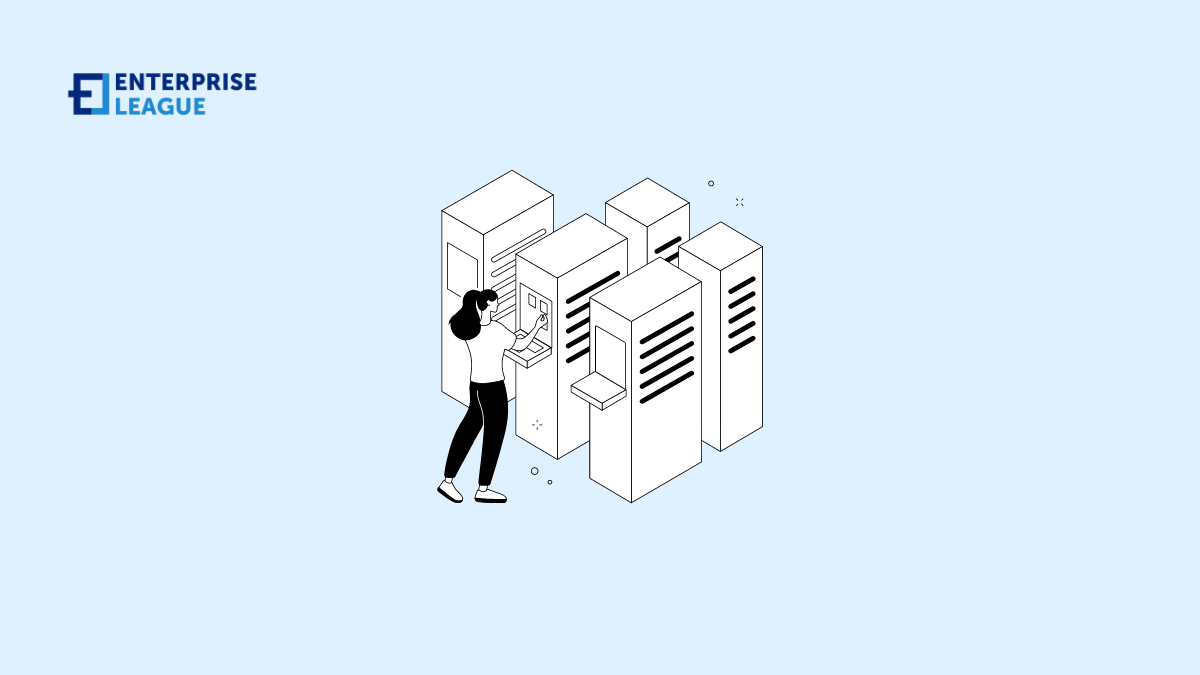
But, it’s important to remember that servers need specific environmental conditions and cannot be housed in random places. This is where server colocation services come in, providing the necessary facilities and infrastructure to house and maintain your server.

Server colocation is a service that suggests that the hosting provider rents out their server space to the clients that locate their servers there. In this article, we’ll discuss the pros and cons of this kind of service for your business.

Pros of server colocation

Let’s look at some of the pros that server colocation offers.

Space

Servers need space, as you wouldn’t locate a server directly in your office. They occupy physical space and produce noise, which can be a distraction, so it’s better to locate them away from your working space.

Control

Since your hardware for the server is at your control and discretion, you can take care of its quality and configuration yourself. This level of control over the hardware for the server is particularly important for businesses with specific hardware requirements, such as high-performance computing or specialized networking needs. 

With server colocation, you can select and install the hardware that best meets your needs, and can even make upgrades or modifications as required. This can help ensure that your server is optimized for your specific workloads and can provide the best possible performance for your applications or services.

Uptime

Since a website has to have ideally an uptime of 99,99 %, it needs some guarantees that it won’t stop working regardless of circumstances, like unexpected power outages and so on. A data center, which is a facility specialized in housing servers, guarantees the power backup supply in case of anything.

Security

Another benefit of housing a server at a professional data center is security. Your server contains precious information about your projects. For this reason, you have to protect your servers from anyone without proper authorization. 

Data centers have many layers of physical and network security measures in place to protect against unauthorized access, cyber threats, and other types of data breaches. This includes video surveillance, biometric authentication, fire suppression systems, and other advanced security features that aren’t found in a typical office or home environment.

Location

When dealing with a web project, especially a business aimed at commerce, the location of the web server is an important factor to consider. The closer the server is to the target audience, the faster the website will load, resulting in a better user experience. 

The location is also a significant factor contributing to the Search Engine Optimization (SEO) of the website. Search engines like Google take into account the location of the server when determining the relevance of a website to a particular region. This means that hosting a website on a server located in the same region as the target audience can potentially improve its SEO performance in that region. 

Also, don’t forget about the legal issues. Depending on the type of your projects, they can be viewed differently according to the rules and regulations of a particular region. Being able to choose the location, you can get the optimal configuration of everything for the best success of your projects.

Cons of server colocation

Even though colocation is a service with lots of impressive features and benefits, it doesn’t suit every business. Let’s see, why you might not want to opt for server colocation for your projects.

More start-up investments

If you want to rent a server, you have to pay your first monthly fee according to your plan and start developing your projects straight away. Server Colocation is not that straightforward, since you’ll have to buy the server first and then deliver it to the data center in question. You’ll have to send some of your employees there so everything is properly configured and installed. You have to keep that in mind if a colocated server seems attractive to you.

This is a technology for larger projects

With colocation, you don’t deal with less than a whole physical server. Despite this, there’re also different cheaper services that suit well for projects of smaller scale. VPS hosting or shared hosting can be more than enough if you want to create an intermediate website with intermediate traffic without running heavy applications and hosting terabytes of data. If you choose server colocation, this means that your plans are rather ambitious.

Less flexibility

With a colocated server, you can’t scale that easily or just refuse from the server. You already have your server and you are bounded to it. If you don’t need it anymore, you’ll have to look for a way to sell it. If you want to upgrade your capacities, you’ll need to buy and install all the necessary components on your own.

Conclusion

Server colocation is a good solution for various businesses, combining the beneficial data center infrastructure with full control over your server hardware. Yet, it might be not the perfect solution for smaller businesses or if you want to engage less in managing your hosting.

We hope that this article has shed some light on the pros and cons of server colocation and that now you can make the right choice for your business.

More must-read stories from Enterprise League:

Related Articles

Prioritizing sun protection in your outdoor business: Key essentials employees need

Prioritizing sun protection in your outdoor business: Key essentials employees need

Prioritizing sun protection in your outdoor business: Key essentials employees need

March 12, 2025

Prioritizing sun protection in your outdoor business

Looking to embark on a new venture in 2025? Why not try launching an outdoor business. Our post  notes a few good ones that promise significant returns. With coffee being among the world’s favorite beverages, for example, you can start a coffee-to-go stand for $50,000 and earn as much as $200,000 a year. Even simpler yet in-demand businesses like dog walking and coaching hikers only need an initial investment of $5,000 for you to hit an annual revenue of $100,000. 

When starting an outdoor business, however, you need to worry more about your starting capital, how long it will take to set up operations, and when you can expect to start raking it in. You also need to worry about ensuring the safety of the employees you eventually take on. 

With extreme weather patterns becoming more common, major worker agencies like OSHA in the US are proposing new ways to keep outdoor workers safe. In particular, a new OSHA rule on heat safety, which was made ready for publication last year, requires employers to identify workplace heat hazards, provide protective heat equipment and sufficient breaks, and monitor employee heat stress.

However, you’ll also want to protect your future employees from the sun itself—not just in terms of heat, but the UV radiation it emits. With that in mind, make sure you have the following essentials on hand once you open your new outdoor business. 

Sunscreen

When it comes to sun protection essentials, sunscreen is often the first thing that comes to mind. After all, most people are familiar with the fact that UV overexposure causes sunburn, which inflames the skin and makes it hot to the touch. This temporary condition can make it more than just painful for your employees to keep working, it heightens their risk of developing skin cancer down the line. If you’re set on starting an outdoor business, you’ll definitely want to give your employees some sunscreen. 

Some key features to look for: an SPF of at least 30 to block UVB rays and a minimum PA++ rating for shielding against UVA. These are often found in sunscreens labeled as providing “broad-spectrum” protection. Avoid aerosol or spray-on sunscreens, as they usually go into the wind instead of onto the skin. 

If you want something more effective, you can get a sunscreen that complies with Australian standards, which are particularly strict since skin cancer rates down under are among the highest in the world. SunButter sunscreens, certified as the world’s first to be palm oil-free, all offer SPF 50 and PA++ for broad-spectrum protection. Crucially, they work for all skin types, making them great to use in the workplace. 

The only issue left? Actually getting your employees to use them. This 2022 Frontiers in Public Health shows that even construction workers don’t use sunscreen often, even if employers provide it, or as recommended by health experts, so make sure to educate your employees about best sunscreen practices. That includes putting sunscreen on all exposed skin at least 20 minutes before sun exposure and reapplying it every two hours. Employees should also reapply sunscreen more often if they get sweaty or are wearing insect repellent.

Sunglasses

Given all the emphasis placed on skin sunburns, it’s easy to (literally) overlook the risks of UV overexposure for the eyes. Long-term impacts include a heightened risk of blindness through conditions like cataracts, age-related macular degeneration (which causes central vision loss), and even eye cancer. 

However, you’ll want to be more immediately worried about eye sunburn in the short term. In bouncing off reflective surfaces, the sun’s glare can overwhelm the eyes with UV rays and cause photokeratitis. It’s often a concern in snowy environments, which is why it’s also called “snow blindness.” However, it can be equally hazardous throughout the year if your outdoor employees work in environments near water or shiny cars and buildings. Photokeratitis can cause redness, gritty sensations, pain, and even temporary vision loss. 

To keep your employees’ eyes safe as they work, you’ll thus want to ensure they wear protective sunglasses. Rather than simply having dark lenses, these should come with a “UV400” label that guarantees they can actually block 100% of the sun’s UVA and UVB rays. Ideally, they should also use wraparound frames that protect more of the eye area from both the sun and debris that can scratch and infect the eyes on windy days. 

To check all those boxes, it’s best to get this eyewear from reputable brands. In particular, the popular Ray-Ban sunglasses meet all the above criteria. Ray-Ban sunglasses provides 100% UV protection as standard. However, you’ll want to look at models like the RB033 and RB4335. These use wraparound lenses and polarized lenses specifically designed to block glare and prevent photokeratitis.

Sun-protective clothing

For full-body sun protection, you’ll want to go beyond simply providing employees with sunglasses and sunscreen. It’s still possible to get sunburned under clothes, and sunglasses can’t protect the eyes when the sun’s shining directly overhead. Even if your outdoor business doesn’t fall under construction work, then, it’s still crucial to provide “personal protective equipment” in the form of UPF garments. UPF is basically the clothing equivalent of the SPF in sunscreen. This Cureus review notes that though all clothes can block UV rays to some degree, UPF-rated clothes are generally considered more effective.

You’ll thus want to give employees long-sleeved shirts, pants, and hats with a minimum UPF of 30. In particular, look for hats with brims at least four inches wide to protect more of the eyes and face, as well as the neck and the nape. To prevent heat stress, make sure the UPF clothes you provide are also made of breathable, moisture-wicking fabrics like polyester. Wool can be beneficial in colder weather. Brands like Solbari have significantly extensive collections of head-to-toe garments you can refer to, as they all come with a UPF 50 rating.

Conclusion

Of course, you also want to outfit your outdoor business with a few first aid essentials for treating sunburn should it occur. Make sure your employees have water on hand to replenish fluids, small towels they can wet and apply to the burned area, and cooling moisturizers like aloe vera gel and 1% hydrocortisone cream to speed the healing process. It’ll also help to provide bandages they can apply to any blistered skin to prevent infections. 

Damp towels or cold compresses can similarly help relieve the early symptoms of eye sunburns caused by photokeratitis. You can also provide moisturizing eye drops to help ease any discomfort or pain. If any of your employees wear contacts, have them remove their lenses as soon as they suspect they have eye sunburn. 

Get your employees the medical attention they need if they’re dehydrated, are feverish, or have more severe skin sunburns. If photokeratitis causes vision distortions that last for more than two days, it’s best to get employees an appointment with an optometrist. 

More must-read stories from Enterprise League:

Related Articles

5 best places to rent heavy equipment in the USA

5 best places to rent heavy equipment in the USA

5 best places to rent heavy equipment in the USA

March 10, 2025

Best places to rent heavy equipment in the USA

When you need heavy equipment for construction projects or other tasks, it’s essential to find reliable providers offering the best tools for the job. Fortunately, the U.S. has a wide range of rental companies that cater to various short-term and long-term needs to ensure you get reliable devices at a fair price. Here are some of the best places to rent construction equipment.

CAT Rental Store

As part of Caterpillar, CAT Rental Store is one of the most recognized names in the heavy equipment industry thanks to its top-quality machines for all types of projects. From basic construction hardware to excavators and backhoes, CAT Rental Store has it all. You can rent the right, well-maintained equipment for your job from CAT locations across the U.S.

Caterpillar’s long-standing reputation for producing high-quality machines ensures you’ll have reliable devices at your disposal. Its agreements are also flexible, allowing you to lease heavy equipment on a short or long-term basis.

United Rentals

As one of the largest and most well-known names in the industry, United Rentals offers a vast fleet. From excavators and bulldozers to forklifts and cranes, its equipment is available at competitive prices. United Rentals operates across the country, making it easy to rent heavy machinery wherever your project is located.

It prides itself on providing expert advice and maintenance services to ensure your items run smoothly. United Rentals is a reliable choice whether you need to rent construction equipment for a few days or lease heavy equipment for a longer period.

Sunbelt Rentals

Industry leader Sunbelt Rentals offers an impressive selection of heavy machinery. It has a network of over 900 locations across the country, making construction equipment, aerial lifts and other machines easily accessible. Customer service is one of this brand’s strong suits, offering advice and quick delivery to ensure your project runs on time.

Sunbelt focuses on providing high-quality heavy equipment rentals and prioritizing the safety of its users. With products designed to meet the highest safety standards, you can feel confident that you’re getting top-tier tools for your job. 

Herc Rentals

With locations in all 50 states, Herc Rentals offers a large variety of machines for construction, landscaping and other industrial applications. Its specialty is renting heavy equipment to individuals and large corporations, offering everything from aerial lifts to compact track loaders.

The company is known for its flexible rental terms, so whether you’re looking to rent heavy machinery for the short term or an extended period, Herc Rentals can accommodate you. It also provides delivery and pickup services, which adds convenience for busy contractors and project managers.

Home Depot

If you need construction equipment for smaller to medium-sized projects, Home Depot is another great option for heavy equipment rentals in the U.S. Known primarily for its hardware and home improvement supplies, the franchise also offers a wide range of heavy machinery for rent, including items like excavators, skid steers and generators.

With thousands of locations across the country, Home Depot makes it incredibly convenient to rent heavy equipment, especially if you’re tackling a DIY project or a smaller construction job. It also provides flexible rental periods. While this rental fleet might not be as expansive as some of the larger specialty enterprises, it’s a solid choice for those looking for reliable, cost-effective rentals.

Factors to consider when renting heavy equipment

Renting heavy equipment is a practical solution for many construction and industrial projects. However, before you finalize a rental agreement, it’s important to consider several factors to ensure you make the best decision for your needs. Here are some key considerations when deciding to rent construction equipment.

Project scope and duration

The scale and timeline of the project will determine what type of equipment you need and how long you need it. If it’s short term, you may opt to rent heavy machinery for a few days or weeks.

However, for long-term projects, it may be more cost-effective to lease heavy equipment. Understanding the scope of your work will help you choose the right rental duration and avoid paying for items you don’t need.

Type of equipment necessary

Different projects require different types of devices. For example, if you’re digging trenches, you’ll need an excavator or backhoe, while lifting tasks may require cranes or aerial lifts. Be sure to evaluate your project’s specific requirements and identify the equipment that’ll help you complete tasks efficiently.

Rental rates and costs

Heavy equipment rental prices can vary significantly depending on the type of machinery, duration of the rental and location. Always request quotes from several rental businesses to compare rates. It’s also important to ask about additional fees such as delivery or damage protection.

Maintenance and equipment condition

Before signing any rental papers, take a good look at the machinery’s condition. Most rental companies take care of their equipment, but you should still check for obvious wear and tear yourself.

Ask when the machine was last serviced and what happens if it breaks down during your rental, will they bring you a replacement right away? Good equipment that won’t quit on you is crucial for keeping your project moving forward without costly delays. Having this maintenance conversation upfront with the rental company makes sure everyone understands what to expect if problems come up.

Delivery and pickup

Another critical factor to consider is how the equipment will get to your jobsite. Many rental enterprises offer convenient delivery and pickup services for large or heavy machinery. Make sure to check if your choice provides these services and ask about associated costs. Timely delivery and pickup can save you time and hassle.

Conclusion

The U.S. has a variety of rental providers that can deliver the heavy equipment you need to complete your projects successfully. From large-scale providers to innovative businesses, there’s no shortage of options when it comes to renting heavy machinery. Start your search with one of these providers to experience quality service and products.

More must-read stories from Enterprise League:

Related Articles

Building a successful B2B business model in 2026

Building a successful B2B business model in 2026

Building a successful B2B business model in 2026

March 10, 2025

Building a successful B2B business model

Most people think selling is just selling, no matter who the customer is. But ask anyone who’s jumped from retail to B2B, and they’ll tell you it’s a whole new ball game. Building a B2B brand requires completely different strategies than consumer marketing, with an emphasis on expertise, reliability, and measurable business outcomes.

B2B business models work nothing like the consumer world, they depend on longer-term thinking, complex buyer groups, and solutions that solve real business problems. With a market size predicted to reach USD 174.38 trillion by 2030, it’s no wonder companies are rushing to perfect their business-to-business approach.

How B2B works

B2B doesn’t just mean slapping a wholesale price on your regular products and calling it a day. It’s about creating systems where businesses can buy from you in ways that make sense for them. Most B2B transactions happen through dedicated sales teams, not shopping carts, though online B2B marketplaces are growing fast. 

The buying process typically involves multiple decision-makers, technical experts, end users, finance people, and executives all weighing in before a purchase happens. That’s why B2B sales cycles often take months, not minutes. Companies need to show clear ROI, compatibility with existing systems, and long-term support options. Creating a compelling B2B business proposal that addresses all these concerns becomes crucial for closing deals. Pricing usually involves custom quotes rather than fixed rates, with volume discounts, annual contracts, and service-level agreements being common.

Core principles of B2B business model

Behind every successful B2B company stands a solid set of principles that guide how they operate. First off, customer relationships matter more than anything else – these aren’t one-and-done transactions but ongoing partnerships that might last decades. Value creation needs to be measurable in dollars and cents, not just feel-good marketing speak. B2B models also rely heavily on specialization, knowing your niche inside and out, and becoming the go-to expert in that specific area. 

Successful B2B businesses understand the entire ecosystem in which their clients operate, not just their immediate needs. They also build scalable systems that can handle both small businesses needing basic services and enterprise clients requiring custom solutions. Smart B2B marketing tips focus on demonstrating expertise through content that educates prospects rather than interrupting them with advertisements. Perhaps most importantly, B2B companies need patience, they’re playing the long game, investing in relationships that might not pay off for months but eventually become their most profitable accounts.

Building the right B2B product

The difference between a B2B product that succeeds in the market and one that fails often comes down to how thoroughly you understand the daily reality of your target customers. Effective B2B products don’t pursue innovative technology for its own sake – they address specific workflow problems that frustrate professionals regularly. This requires leaving your office environment and directly observing potential users, documenting their challenges and makeshift solutions.  Many B2B startups fail precisely because they skip this critical research phase, building solutions for problems that don’t actually exist. Successful B2B products typically address:

  • Handling large volumes of data or transactions that would overwhelm consumer solutions
  • Meeting industry-specific regulatory requirements and compliance standards
  • Enabling collaborative workflows across departments and organizational structures
  • Processing complex information in ways that yield actionable business insights
  • Integrating seamlessly with existing technology systems and infrastructure

They must also account for organizational needs beyond individual users – providing administrator controls, usage statistics, and security that meets enterprise standards. Companies that excel at B2B product development view customer support interactions as valuable sources of insight, not unwelcome distractions. They recognize that businesses purchase results, not features, so each product decision relates directly to measurable business benefits their customers can present to their leadership teams.

B2B business model vs. Traditional models

When we compare B2B models with traditional consumer businesses, the differences go far beyond just who buys the product. B2B companies operate with entirely different metrics, sales approaches, and relationship dynamics. While consumer brands chase website traffic and social media engagement, B2B firms track metrics like customer lifetime value, contract renewal rates, and solution adoption. Effective B2B lead generation strategies focus on quality over quantity, targeting specific decision-makers rather than casting wide nets. The key differences include:

  • Sales complexity: B2B deals might take 6-12 months and involve multiple decision-makers, whereas consumer purchases happen in minutes or days
  • Price points: B2B solutions typically cost thousands or even millions, not tens or hundreds of dollars
  • Marketing focus: B2B marketing centers on education and problem-solving content rather than emotional appeals
  • Customer numbers: B2B companies might thrive with hundreds of clients, while consumer businesses need thousands or millions
  • Support expectations: B2B clients expect personalized service and dedicated account managers, not chatbots or email tickets

Most importantly, B2B relationships continue well past the initial sale. B2B customers become genuine partners who provide ongoing feedback, shape future product development, and stick with vendors for years when treated properly. Companies looking to increase B2B sales often find that growing existing accounts through expanded services yields better results than constantly chasing new logos. This long-term focus changes everything from cash flow projections to how companies structure their support and success teams.

Conclusion

The B2B business model continues to offer tremendous opportunities for companies willing to invest in understanding complex business needs and while consumer markets might reward viral growth and emotional appeal, B2B rewards expertise, reliability, and results. 

More must-read stories from Enterprise League:

Related Articles

Web3 VC funding to further grow after reaching $8.5B in 2026

Web3 VC funding to further grow after reaching $8.5B in 2026

Web3 VC funding to further grow after reaching $8.5B in 2026

March 10, 2025

eb3 VC Hits $8.5B in 2024 and it growth continues

After the highs of 2021 and 2022, Web3 VC funding declined sharply in 2023. As the bear market weighed on both startups and venture capitalists, the sector saw a 70.5% year-over-year (YoY) drop in total investment.

Fast-forward to 2024, when bulls regained control of the crypto market. As Bitcoin’s price crossed the $100,000 mark by year-end, venture capitalists began to catch up with the shifting market sentiment.

According to a new Crunchbase report, Web3 VC funding rose 3.66% YoY in 2024, reaching $8.5 billion for the year. With the crypto market gearing up for a strong 2025, venture capitalists are expected to ramp up investments in promising Web3 startups.

Web3 funding boom surpasses $8.5B and still growing

Compared to 2023, last year’s Web3 VC funding offers some optimism for crypto market players. However, the 3.66% YoY growth remains modest, especially considering that the total cryptocurrency market cap doubled in 2024.

Notably, while total investment dollars increased, the number of deals dropped. Only 1,545 deals were struck in 2024, marking a 26% decline from the previous year.

In Q4 2024, just four Web3 startups managed to raise over $50 million. Among them, Blockstream, a crypto infrastructure firm, secured $210 million, while the investment platform Public raised $135 million. These two rounds ranked among the top five largest funding deals of the year.

DePIN and RWAs to be the hottest sectors for VCs

The YoY increase in Web3 funding signals growing investor confidence. However, as competition intensifies, VCs are prioritizing startups with real-world utility, particularly those bridging Web2 and Web3 markets.

Two standout sectors are Decentralized Physical Infrastructure Networks (DePIN) and Tokenized Real-World Assets (RWAs). These fields offer practical use cases that act as a bridge between the Web2 and the Web3 markets. As a result, VCs are actively scouting projects such as Render Network and Filecoin in DePIN, alongside MANTRA in RWAs. The tokens of these three protocols have drawn substantial interest among investors. For example, Render’s daily trading volume as of February 27, 2025 is $111.37M alone according to Binance.

Further reinforcing VCs’ growing interest in these sectors, multiple new funds have been launched targeting DePIN and RWAs. In September 2024, Borderless Capital launched a $100 million DePIN-focused fund to accelerate development in this space. A month later, GnosisDAO introduced a $40 million fund focused on RWAs, payment rails, and digital asset infrastructure.

Web3 VC funding to grow further in 2025

After stabilizing in 2024, Web3 VC funding is expected to surge in 2025. Major venture capital firms like Dragonfly Capital, Pantera Capital, and Paradigm are collectively raising billions to invest in Web3 startups. 

At the same time, President Trump’s crypto-friendly stance is expected to act as a catalyst for renewed interest in the sector. The US President has already signed an executive order to foster crypto development within the nation, laying the foundation for his plans to create a national Bitcoin stockpile.

According to PitchBook, Web3 VC funding is projected to exceed $18 billion in 2025, with multiple quarters surpassing $5 billion in capital deployment. In its 2025 Enterprise Technology Outlook, PitchBook analysts highlight that the growing participation of institutions such as Franklin Templeton, BlackRock, and Goldman Sachs is bolstering investor confidence and accelerating digital asset adoption.

Generalist VCs, who largely exited the crypto space after the 2022 market collapse, are now making a comeback. The report notes: “Their return will be driven by the stabilization of crypto markets; the approval of regulated financial products such as spot Bitcoin ETFs; and the emergence of clearer use cases in areas such as decentralized finance (DeFi), Web3 infrastructure, and consumer-facing applications.”

Additionally, declining interest rates and improved global liquidity could further drive VC activity within the Web3 sector. Rising token prices could boost investor confidence, allowing startup founders and early token holders to attract more capital or reinvest into new ventures.

Conclusion

Together, these factors could set the stage for a major resurgence in Web3 VC funding in 2025. While analysts do not expect funding to match the all-time highs of 2022, this year’s growth is projected to be far more significant than the modest gains of 2024.

More must-read stories from Enterprise League:

Related Articles

Honest business wisdom in 22 integrity quotes for work

Honest business wisdom in 22 integrity quotes for work

Honest business wisdom in 22 integrity quotes for work

March 07, 2025

Honest business wisdom in 22 integrity quotes for work

Honesty matters everywhere, but it’s especially crucial at work where trust builds or breaks careers. Global attitudes on workplace integrity show that while cultures may differ on business practices, nearly everyone values truthfulness at their core. Leaders who stand behind ethical standards often find themselves accelerating business performance as team trust grows and customers recognize genuine value. If you’re looking for more inspiration from ethical leaders, explore these insightful business ethics quotes that highlight the power of integrity in action.

Whether you’re leading a team through tough decisions or trying to stay true to your values under pressure, sometimes you need inspiration from those who’ve walked this road before. That’s why we’ve collected these integrity quotes for work that go beyond empty platitudes, offering real wisdom for those moments when doing the right thing isn’t necessarily the easy thing.

22 integrity quotes for work 

Here are some powerful integrity quotes for work to guide your decisions when ethical dilemmas arise and you need that extra courage to stand by your principles.

  1. “Leading with integrity and empathy requires vision and a connection to your deepest self.”- Karla McLaren
  2. “Develop your character so that you are a person of integrity.”- Peter Cain
  3. “It takes courage to create a meaningful life of integrity. It also requires good company. And practice.”- Shelly Francis
  4. “With many overhead schemes for the world’s salvation, everything rests back on integrity and driving power in personal character.”- Harry Emerson Fosdick
  5. “Creating a culture of integrity and accountability not only improves effectiveness, it also generates a respectful, enjoyable, and life-giving setting in which to work.”- Tom Hanson
  6. “Customer retention may be best supported by operational integrity. After all, when you think about your personal relationships as well as your business relationships, you tend to stick with the folks who are really good at showing they sincerely care about you, and doing what they say they’re going to do. It boils down to trust.”- L.Hunsaker
  7. “It’s easy to have principles when you’re rich. The important thing is to have principles when you’re poor.”- Ray Kroc
  8. “Think P.I.G. – that’s my motto. P stands for Persistence, I stands for Integrity, and G stands for Guts. These are the ingredients for a successful business and a successful life.”- Linda Chandler
  9. “To give real service you must add something which cannot be bought or measured with money, and that is sincerity and integrity.”- Donald A. Adams
  10. “I don’t know a more dignified and effective workforce than one operating from a position of worth, integrity, and confidence, as well as one that excels in language of appreciation.”- Tan Sri Francis Yeoh
  11. “Some things are kind of obvious when it comes to leadership. You have to be a great communicator, have very high integrity and have tremendous perseverance and stamina.”- Suresh Basandra
  12. “Integrity is the seed for achievement. It is the principle that never fails.”- Earl Nightingale
  13. “Here’s a truth: principled leaders solve moral problems. They have the courage to act rightly. They consistently demonstrate principled conduct under pressure.”- Gus Lee
  14. “We must adjust to changing times and still hold to unchanging principles.”- Jimmy Carter
  15. “The first law of leadership is that your foundation is built through integrity, character, and trust.”- Brian Cagneey
  16. “Admitting one’s own faults is the first step to changing them, and it is a demonstration of true bravery and integrity.”- Philip Johnson
  17. “If you want to influence others, the most important thing you can do is be a living example of the principles, ideals, and faith that you advocate.”- Nick Vujicic
  18. “The quality of a leader is reflected in the standards they set for themselves.”- Ray Kroc
  19. “If you have integrity, nothing else matters. If you don’t have integrity, nothing else matters.”- Alan K. Simpson
  20. “In a room where people unanimously maintain a conspiracy of silence, one word of truth sounds like a pistol shot.”- Czesław Miłosz
  21. “Integrity is the ability to stand by an idea.”- Ayn Rand
  22. “If it is not right do not do it; if it is not true do not say it.”- Marcus Aurelius

Conclusion

The choice to act with honesty shapes not just your career but who you become along the way. So, our advice is to keep these integrity quotes for work handy for those moments when your moral compass needs a little recalibration.

More must-read stories from Enterprise League:

Related Articles